English
 中文简体
中文简体 Español
 عربى
عربى
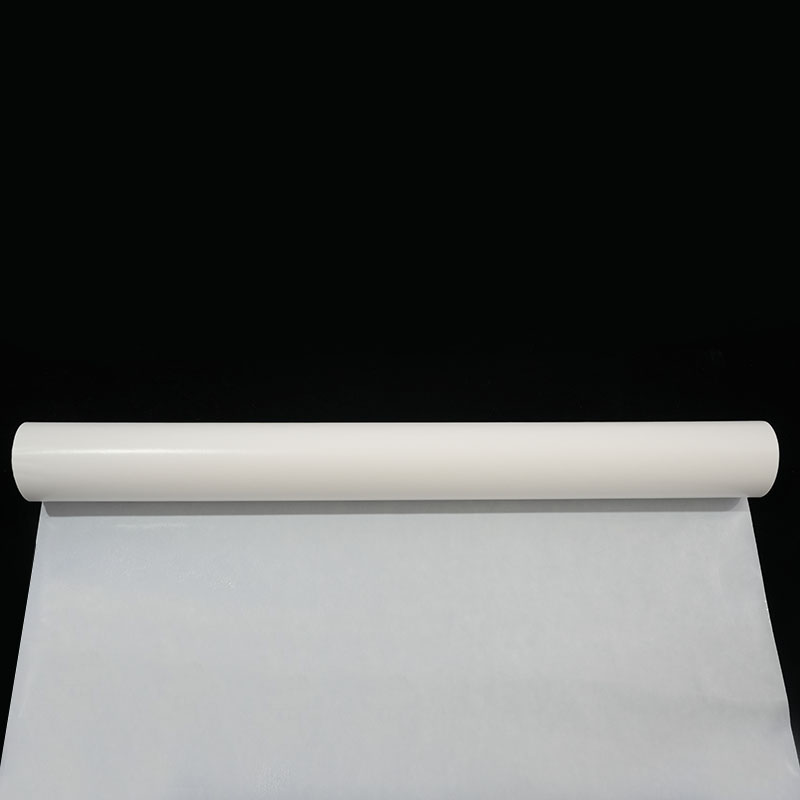
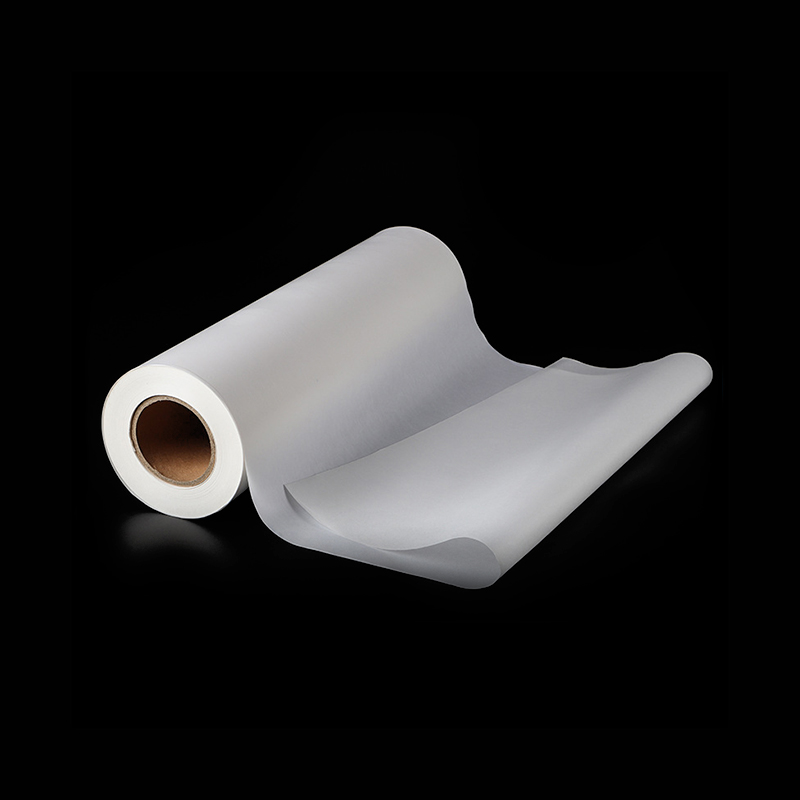
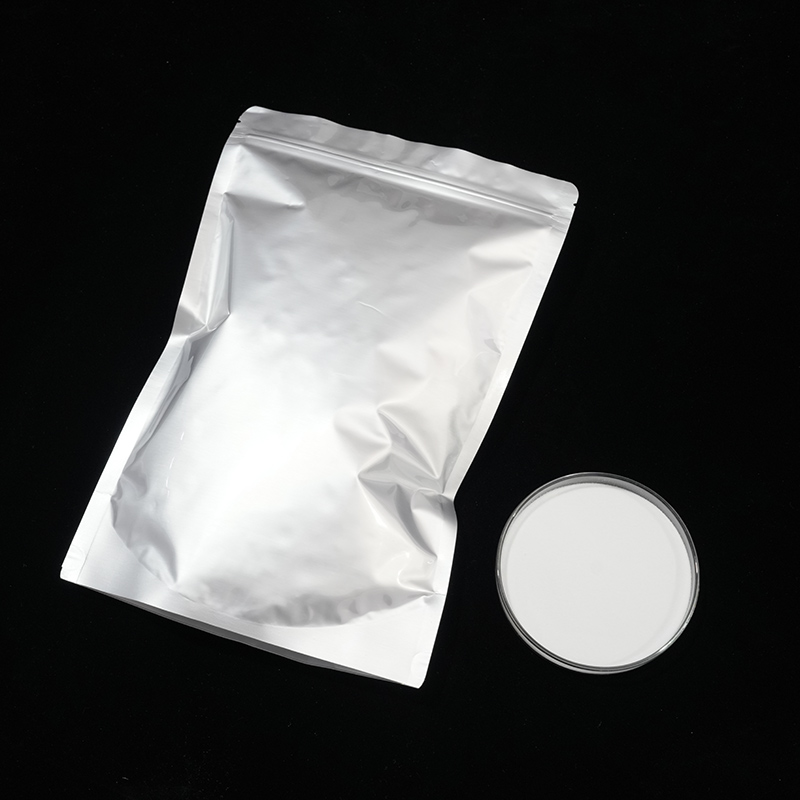
Whole roll (mother roll) EVA low-temperature hot melt adhesive web
Product Introduction: This high-performance, multi-purpose full roll (mother roll) EVA low-temperature hot melt adhesive web is designed to meet the h...
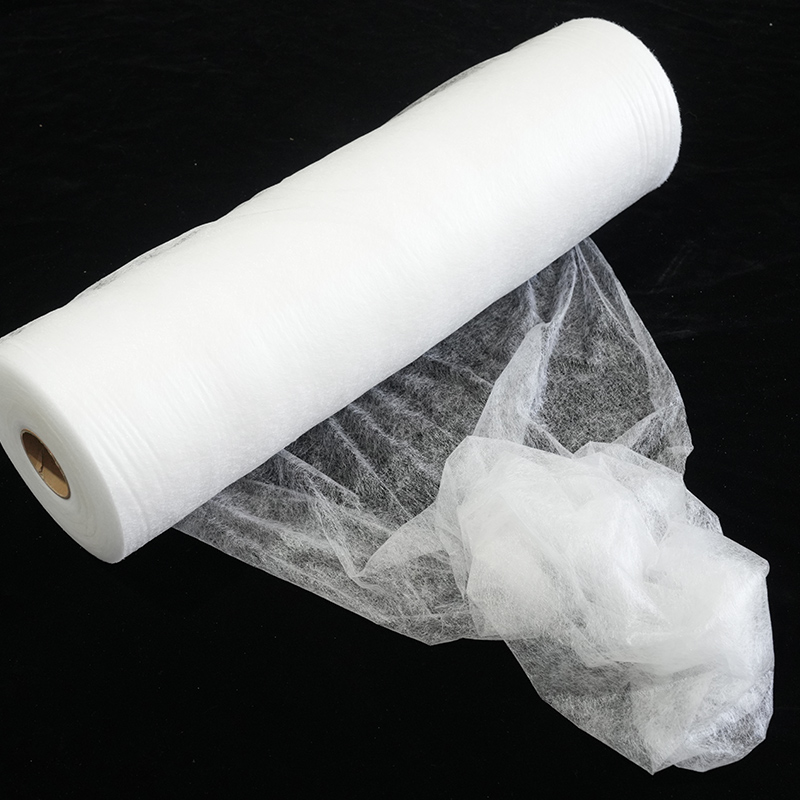
Product Introduction: This high-performance, multi-purpose full roll (mother roll) EVA low-temperature hot melt adhesive web is designed to meet the h...
For most perfect binding lines, the answer is simple: use an EVA-based hot melt adhesive for the spine, and switch to PUR only when you need extra flexibility for coated papers or heavy book blocks. EVA hot melt adhesi...
READ MOREA shoe plant moved its toe-cap laminator from EVA mesh to a copolyamide web and lost part of its line speed the same afternoon. The bond was stronger, the machine was not. Nothing about the material changed except its ...
READ MOREA bonded jacket shell that passes a 20 °C peel test in the lab can still bubble along the collar after five home washes. In most factories that failure gets blamed on the laminating machine, the operator, or the fabric...
READ MOREEVA hot melt adhesive web is a thermoplastic bonding material produced from ethylene-vinyl acetate (EVA) copolymer resin, formed into an open mesh structure. It bonds two substrate layers through the application of heat and pressure, without the use of solvents or liquid adhesives. The low temperature designation indicates that this grade is formulated to activate and achieve an effective bond at temperatures lower than standard EVA or other resin types such as PA or PES, making it suitable for heat-sensitive substrates.
EVA low temperature hot melt adhesive web is supplied in roll or sheet form and is used across a range of industries where a lightweight, flexible, and easily activated bonding layer is required. Nantong Feiang Composite Materials Co., Ltd. produces EVA adhesive web as part of its hot melt material portfolio, which also includes PA, PES, and TPU variants, supported by over six years of manufacturing experience and more than 1,000 completed projects.
| Property | Description |
| Base Resin | Ethylene-Vinyl Acetate (EVA) copolymer |
| Physical Form | Open mesh web (roll or sheet) |
| Activation Method | Heat and pressure (solvent-free) |
| Activation Temperature | Typically 70 to 110 degrees C (varies by grade) |
| Flexibility After Bonding | Good; maintains substrate softness |
| Wash Resistance | Low to medium; not recommended for repeated high-temperature laundering |
| Breathability | Maintained via open mesh structure |
| Cost Level | Low relative to PA, PES, and TPU grades |
EVA copolymer properties vary with the proportion of vinyl acetate (VA) content in the resin. This directly influences the activation temperature, flexibility, and bond character of the resulting adhesive web:
Higher stiffness and higher melt temperature. Bond strength is moderate. Used in applications where some rigidity in the bonded assembly is acceptable and higher activation energy is available from processing equipment.
Balanced flexibility and adhesion. Activation temperature falls in a mid-range suitable for general-purpose textile and craft bonding. This range represents the most commonly used EVA grades in hot melt web production.
Softer, more rubber-like character with lower activation temperature. This grade is associated with the low temperature designation. It bonds at reduced heat input, making it appropriate for heat-sensitive substrates such as thin synthetics, foam layers, and certain nonwovens. Post-bond flexibility is high.
Additive or co-monomer modifications to the base EVA resin can adjust specific performance characteristics such as open time, tack, or compatibility with particular substrate surfaces. Modified grades are used in specialized applications such as solar cell encapsulation and filtration media lamination.
| Property | EVA (Low Temp) | PA (Polyamide) | PES (Polyester) | TPU (Thermoplastic PU) |
| Activation Temperature | Low (70-110 C) | Medium-High (120-160 C) | Medium-High (130-160 C) | Medium (110-140 C) |
| Wash Resistance | Low to Medium | High | High | High |
| Flexibility | Good | Good | Medium | Excellent |
| Bond Strength | Medium | High | High | High |
| Heat-Sensitive Substrate Use | Suitable | Limited | Limited | Moderate |
| Material Cost | Low | Medium-High | Medium | Medium-High |
| Typical Application | Crafts, packaging, solar encapsulation | Garments, footwear, automotive | Apparel linings, filtration | Sportswear, medical, footwear |
The low activation temperature of EVA hot melt adhesive web makes it applicable in contexts where substrate heat tolerance is a limiting factor, or where energy-efficient processing is a priority:
EVA low temperature web must be processed within its specified activation range. Temperatures above the upper limit of the grade may cause excessive resin flow, bleed-through to substrate surfaces, or degradation of the open mesh structure. Temperatures below the lower limit result in incomplete bonding and reduced peel strength. Processing equipment should be calibrated to maintain consistent platen or belt temperature.
Dwell time is the duration of heat and pressure contact required to achieve full melt and bond formation. For low temperature EVA grades, shorter dwell times may be sufficient compared to higher-temperature resin types. Pressure must be sufficient to ensure uniform contact between the adhesive web and both substrate surfaces across the full bonding area.
EVA hot melt adhesive web should be stored in a cool, dry location away from direct heat and UV exposure. EVA is susceptible to thermal softening at elevated ambient temperatures, which may cause roll deformation or adhesion between layers in storage. Original sealed packaging should be maintained until the material is ready for use.
Q: What is the difference between EVA film and EVA hot melt adhesive web?
A: EVA film is a continuous solid layer that provides full-surface coverage and a sealed interface between substrates. EVA web has an open mesh structure that allows air and moisture transmission through the bonded assembly. Web format is preferred where breathability or reduced adhesive weight is required; film is used where a sealed, barrier-type bond is needed, such as in solar encapsulation layers.
Q: Is EVA low temperature hot melt web suitable for machine-washable garments?
A: EVA resin has limited wash resistance, particularly at elevated wash temperatures. It is generally not recommended for garments subject to repeated laundering at standard wash cycle temperatures. For wash-durable garment bonding, PA or PES grades offer greater resistance to aqueous and thermal stress during washing.
Q: What substrates are compatible with EVA low temperature hot melt web?
A: EVA low temperature web bonds to a range of substrates including woven and nonwoven fabrics, paper, card, lightweight foam, and certain plastics. Its low activation temperature makes it particularly suited to substrates that cannot withstand the higher processing temperatures required by PA or PES adhesives. Substrate compatibility should be verified by bonding trial for each specific application.
Q: Can EVA hot melt adhesive web be repositioned after initial placement before bonding?
A: Prior to heat activation, the web can be repositioned on the substrate surface. Once heat and pressure are applied and the resin melts, the bond begins to form on cooling and repositioning is no longer possible without damaging the substrate or adhesive layer.
Q: What grammage options are available for EVA hot melt adhesive web?
A: Grammage options are confirmed at the order stage with Nantong Feiang. Available grammage ranges depend on the specific EVA grade and production configuration. Lower grammage is used for lightweight or delicate substrate bonding; higher grammage provides a more substantial adhesive layer for coarser or heavier substrate combinations.