


 English
 中文简体
中文简体 Español
 عربى
عربى
Hot melt adhesive uses span across nearly every manufacturing sector because this thermoplastic bonding technology offers rapid setting speeds, strong adhesion to diverse substrates, and a solvent-free formulation that aligns with modern environmental regulations. According to the Adhesive and Sealant Council's 2024 North American Market Report, hot melt adhesives account for approximately 22% of the total industrial adhesive market by volume, driven primarily by packaging, woodworking, and automotive assembly. The core advantages of hot glue—immediate bond strength upon cooling, the ability to bond low-surface-energy plastics, and compliance with FDA food contact standards—make it indispensable in applications ranging from high-speed cereal box sealing to surgical drape lamination. This article presents a detailed, data-supported examination of the most significant hot melt adhesive applications, comparing material types, process parameters, and performance criteria to provide a comprehensive industrial reference.
Content
- Packaging: The Dominant Application for Hot Melt Adhesives
- Woodworking and Furniture Assembly: Edge Banding and Profile Wrapping
- Automotive Assembly: Wire Harnesses, Headliners, and Interior Trim
- Electronics and Electrical Component Assembly
- Medical and Hygiene Products: Nonwoven Bonding and Device Assembly
- Comparative Overview of Hot Melt Adhesive Types and Their Specific Uses
- Hot Melt Adhesive Compared to Other Adhesive Technologies
- Selecting the Right Hot Melt Adhesive: Critical Process Parameters
- Frequently Asked Questions About Hot Melt Adhesive Uses
- Conclusion: The Expanding Scope of Hot Melt Adhesive Applications
Packaging: The Dominant Application for Hot Melt Adhesives
Packaging is the single largest consumer of hot melt adhesives, representing an estimated 38% of all hot melt consumption globally according to a 2023 Smithers market analysis. The primary hot melt adhesive uses in this sector are case and carton sealing, tray forming, and bottle labeling. Modern high-speed packaging lines running at 60 to 120 cartons per minute rely on the rapid set time of ethylene-vinyl acetate (EVA) hot melts, which typically develop handling strength in under 0.5 seconds. This speed is critical: a delay of even 0.2 seconds can reduce line throughput by 12%, costing a large packaging operation an estimated $180,000 annually in lost productivity, based on data from the Packaging Machinery Manufacturers Institute (PMMI). The bond must also withstand temperature variations during shipping, from -20 degrees Fahrenheit in refrigerated trucks to 140 degrees Fahrenheit in desert warehouses, a requirement met by formulated hot melt glue with a service temperature range of -40 to 160 degrees Fahrenheit.
In food packaging, the regulatory dimension is equally important. Hot melt adhesives used for indirect food contact must comply with FDA 21 CFR 175.105, which stipulates that the adhesive components must be safe for their intended use and must not migrate into food. EVA-based hot melts are the standard in this application, applied at 350 degrees Fahrenheit through automatic dispensing guns at bead diameters as small as 0.015 inch to minimize material waste. The average adhesive consumption per standard corrugated case is 0.8 to 1.2 grams, and with modern precision application technology, over-application waste has been reduced to less than 3% of total adhesive use, according to the Adhesive and Sealant Council's sustainability report.
Woodworking and Furniture Assembly: Edge Banding and Profile Wrapping
In woodworking, hot melt adhesive uses are centered on edge banding, profile wrapping, and cabinet assembly because the adhesive provides a strong, invisible bond that withstands the mechanical stresses of daily furniture use. The standard for edge banding is a filled EVA or reactive polyurethane (PUR) hot melt that can bond PVC, ABS, melamine, and wood veneer to particleboard or MDF cores. The bond line must resist heat from coffee cups (up to 180 degrees Fahrenheit), moisture from cleaning, and impact from daily use. According to the Kitchen Cabinet Manufacturers Association (KCMA) testing standard ANSI/KCMA A161.1, a properly bonded edge must survive 24 hours of water soak and a 500-gram impact test without delamination. PUR hot melt adhesives have become the preferred choice for high-moisture applications such as bathroom cabinetry, because they crosslink upon exposure to ambient moisture, creating a thermoset bond with significantly higher heat and water resistance than standard EVA. A 2022 study in the Journal of Adhesion Science and Technology demonstrated that PUR-bonded edgeband joints retained 89% of their original strength after 7 days of water immersion, compared to 41% for EVA joints.
Production speed is also a major factor. Edge banding machines apply hot melt glue at speeds up to 60 meters per minute, with adhesive open times of 2 to 4 seconds allowing immediate trimming and finishing. The material cost per linear meter of edge banding ranges from $0.012 to $0.025, contributing less than 2% to the total cost of a finished cabinet door while ensuring structural integrity. The woodworking industry in North America consumed approximately 95,000 metric tons of hot melts in 2023, according to market data from Principia Consulting, a figure projected to grow 4.5% annually through 2028 as furniture production shifts toward more automated, adhesive-intensive processes.
Automotive Assembly: Wire Harnesses, Headliners, and Interior Trim
The automotive industry relies on hot melt adhesives for applications that demand resistance to vibration, temperature cycling from -40 to 200 degrees Fahrenheit, and long-term durability over a 15-year vehicle lifespan. The largest single hot melt adhesive use in automotive manufacturing is wire harness fixation, where pressure-sensitive hot melts are applied to secure wiring bundles to door panels, dashboard carriers, and roof liners. These adhesives must pass OEM specifications such as General Motors GMW15270 or equivalent, which require a 90-degree peel strength of at least 5 pounds per inch after heat aging at 185 degrees Fahrenheit for 500 hours. According to the Society of Automotive Engineers (SAE) technical paper 2023-01-0892, a typical mid-size sedan contains approximately 18 to 22 linear feet of adhesive-bonded wire harness retention, replacing over 40 mechanical clips and reducing assembly time by 3.2 minutes per vehicle.
Other significant hot melt adhesive uses in automotive include headliner lamination, where a reactive hot melt bonds the fabric cover to the polyurethane foam core, and door panel assembly, where a polyolefin-based hot melt adheres the vinyl skin to the polypropylene substrate. The shift toward lightweight polyolefin interior materials has driven demand for specialized hot melt glue formulations that can bond untreated polypropylene without primers or surface treatments. Data from the American Chemistry Council's automotive team indicates that the average vehicle now uses 33 pounds of adhesives and sealants, with hot melts accounting for approximately 7 pounds of that total, a figure that has doubled since 2010 as vehicles incorporate more composite materials.
Electronics and Electrical Component Assembly
Hot melt adhesive uses in electronics focus on potting, strain relief, and component fixation where low processing temperatures and rapid cooling protect sensitive components from heat damage. Low-temperature polyamide hot melts, applied at 250 to 300 degrees Fahrenheit, are used to bond capacitors, inductors, and connectors to printed circuit boards without the 400-plus-degree temperatures required by soldering. The IPC-A-610 standard for electronic assemblies recognizes hot melt bonding as an acceptable method for mechanical fixation when the adhesive does not interfere with electrical connections or thermal management. A 2023 survey by the International Electronics Manufacturing Initiative (iNEMI) found that 17% of consumer electronic devices now incorporate at least one hot melt-bonded component, up from 6% in 2018, driven by the need to reduce screw and clip count in miniaturized devices.
Another critical hot melt adhesive application in electronics is the bonding of display bezels to frames in monitors and televisions. The adhesive must provide a thin bond line of 0.004 to 0.008 inch, maintain adhesion after 1,000 hours of thermal cycling, and provide dust and moisture sealing. Reactive hot melts that cure to a thermoset state are increasingly specified for this application because they eliminate the outgassing of volatile organic compounds that can fog optical surfaces. The compound annual growth rate for hot melts in electronics is projected at 6.8% through 2029, according to a market study by MarketsandMarkets, reflecting the ongoing miniaturization and automation of electronic assembly.
Medical and Hygiene Products: Nonwoven Bonding and Device Assembly
The medical and hygiene sector depends on hot melt adhesives for nonwoven bonding in diapers, surgical drapes, and feminine hygiene products, where the adhesive must be skin-safe, odorless, and capable of bonding at production speeds exceeding 800 feet per minute. Disposable diapers alone consumed an estimated 210,000 metric tons of hot melts globally in 2023, per Smithers data, with a typical infant diaper containing 0.8 to 1.5 grams of adhesive spread across multiple elastic attachment, core stabilization, and acquisition layer bonds. These hot melt adhesive uses demand precise spiral-spray and slot-coat application patterns that maximize bond strength while using minimal material to preserve product softness and breathability. The INDA, the Association of the Nonwoven Fabrics Industry, reports that adhesive represents 4% to 7% of total disposable diaper cost, and advances in application technology have reduced adhesive usage by 22% per diaper over the last decade while maintaining bond integrity.
In medical device assembly, hot melt adhesives are used to bond components in syringes, catheters, and IV sets, where ISO 10993 biocompatibility certification is mandatory. Polyurethane hot melts are preferred for these applications because they can be formulated with USP Class VI biocompatible ingredients and can be sterilized by gamma radiation, ethylene oxide, or autoclave without losing bond strength. A study published in Medical Device & Diagnostic Industry magazine noted that a properly cured PUR bond on a polycarbonate hub achieved a tensile strength of 1,200 psi and showed no degradation after 50 autoclave cycles at 250 degrees Fahrenheit. This performance makes hot melt bonding a faster alternative to solvent welding or UV-curing adhesives for cleanroom assembly.
Comparative Overview of Hot Melt Adhesive Types and Their Specific Uses
Different hot melt adhesive chemistries are optimized for specific bonding applications, and selecting the wrong type can lead to bond failure within hours. The table below summarizes the four primary thermoplastic hot melt families and their targeted industrial uses, based on data from the Adhesive and Sealant Council's 2024 Product Category Guide.
| Hot Melt Type | Base Polymer | Service Temp Range (°F) | Key Substrates | Primary Industrial Uses |
|---|---|---|---|---|
| EVA (Ethylene Vinyl Acetate) | EVA copolymer | -20 to 160 | Paper, cardboard, wood, some plastics | Packaging, bookbinding, wood assembly |
| Polyolefin (PO) | Amorphous poly-alpha-olefin | -30 to 250 | Polypropylene, polyethylene, ABS | Automotive interior, appliance assembly, filters |
| PUR (Reactive Polyurethane) | Isocyanate-terminated prepolymer | -40 to 300 | Wood, PVC, metal, fiberglass | Edge banding, structural panels, automotive headliners |
| Polyamide (PA) | Dimer acid-based polyamide | -40 to 220 | Cable jackets, vinyl, polycarbonate | Electronics, medical device assembly, fiber optics |
Table: Comparison of four primary hot melt adhesive types showing base polymer, service temperature range, compatible substrates, and dominant industrial applications. Data sourced from the Adhesive and Sealant Council 2024 Product Category Guide and manufacturer technical literature.
Hot Melt Adhesive Compared to Other Adhesive Technologies
When evaluating hot melt adhesive uses against alternative bonding methods such as water-based, solvent-based, and reactive epoxy adhesives, the decisive factors are production speed, environmental compliance, and total applied cost. The table below provides a quantitative comparison across six performance dimensions, drawing on data from the Adhesive and Sealant Council's comparative testing program and published manufacturer specifications.
| Performance Criterion | Hot Melt Adhesive | Water-Based Adhesive | Solvent-Based Adhesive | Two-Part Epoxy |
|---|---|---|---|---|
| Set time (seconds) | 0.3 to 5 | 180 to 3,600 | 60 to 300 | 300 to 86,400 |
| VOC content (g/L) | 0 to 5 | 20 to 150 | 400 to 800 | 0 to 50 |
| Bond strength on HDPE (psi) | 200 to 800 | 50 to 150 | 100 to 300 | 1,500 to 3,500 |
| Heat resistance (continuous) | 160 to 220°F (EVA); 300°F (PUR) | 200 to 250°F | 180 to 220°F | 300 to 400°F |
| Relative applied cost per pound | $1.50 to $4.00 | $0.80 to $2.50 | $1.20 to $3.50 | $5.00 to $15.00 |
| Shelf life (unopened) | 12 to 24 months | 6 to 12 months | 12 to 24 months | 6 to 12 months |
Table: Performance comparison of hot melt adhesives against water-based, solvent-based, and two-part epoxy adhesives. VOC data from EPA Method 24. Bond strength on untreated HDPE measured per ASTM D5868. Cost data based on bulk industrial pricing as reported by the Adhesive and Sealant Council in Q1 2024.
Selecting the Right Hot Melt Adhesive: Critical Process Parameters
The hot melt adhesive selection for any bonding application must be based on four measurable parameters: open time, viscosity at application temperature, substrate compatibility, and end-use environmental exposure. Open time—the interval between adhesive application and the moment the bond must be closed—determines the maximum distance between the dispensing head and the nip roller on a production line. For high-speed packaging lines, open times of 1 to 3 seconds are standard, requiring an EVA with a narrow melting range. In contrast, manual assembly of large panels may require an open time of 30 to 60 seconds, best served by a polyamide or a low-viscosity PUR. Viscosity at the application temperature directly affects bead placement accuracy and penetration into porous substrates. According to the Society of Manufacturing Engineers (SME) Adhesives Tech Paper #239, a viscosity of 800 to 1,500 centipoise at 350 degrees Fahrenheit is optimal for nozzle-applied packaging adhesives, while 4,000 to 8,000 centipoise is preferred for roller-applied woodworking adhesives.
Substrate compatibility is determined by the surface energy of the material to be bonded. Hot melt adhesives based on polyolefin chemistry are specifically formulated to bond low-surface-energy plastics such as polypropylene (29 dynes/cm) and polyethylene (31 dynes/cm), which are notoriously difficult for water-based or epoxy adhesives to wet. For these materials, surface treatment such as corona or plasma is often unnecessary when using a properly formulated hot melt. End-use environmental conditions—temperature extremes, UV exposure, chemical contact—dictate the choice between a thermoplastic hot melt that can soften and re-melt and a reactive hot melt that cures to a thermoset. The decision tree below, validated by thousands of industrial installations, summarizes the selection logic.
- Determine the maximum service temperature. If it exceeds 180 degrees Fahrenheit, eliminate standard EVA and consider polyolefin or reactive PUR.
- Identify the primary substrate. Low-surface-energy plastics require polyolefin-based hot melt glue. Porous cellulosics bond well with EVA or polyamide.
- Measure the available open time. Fast lines need EVA or low-viscosity polyolefin; slow assembly can use PUR or polyamide.
- Check regulatory requirements. Food packaging needs FDA compliance; medical devices need ISO 10993. Select adhesives with the appropriate certifications.
- Calculate total applied cost. Include adhesive material, equipment maintenance, and energy costs. A more expensive PUR may reduce warranty claims and deliver lower total cost over the product lifecycle.
Frequently Asked Questions About Hot Melt Adhesive Uses
What is the most common hot melt adhesive use in everyday products?
The most visible everyday hot melt adhesive use is in cardboard box and carton sealing. Virtually every shipped package sealed with a glue line rather than tape uses a hot melt adhesive. Additionally, the binding of mass-market paperback books employs EVA hot melts for spine gluing, a process that produces over 2 billion books annually in North America alone, according to the Book Manufacturers' Institute.
Can hot melt adhesives bond metal to plastic?
Yes, but the correct hot melt glue type is essential. Polyolefin-based hot melts can bond untreated aluminum and steel to polypropylene and polyethylene with bond strengths of 300 to 600 psi, provided the metal surface is clean and dry. For higher-strength metal-to-plastic bonds requiring structural integrity, a reactive PUR hot melt is recommended, as it cures to a crosslinked state that resists peel and impact loads far better than thermoplastic formulations.
What is the shelf life of hot melt adhesives, and how should they be stored?
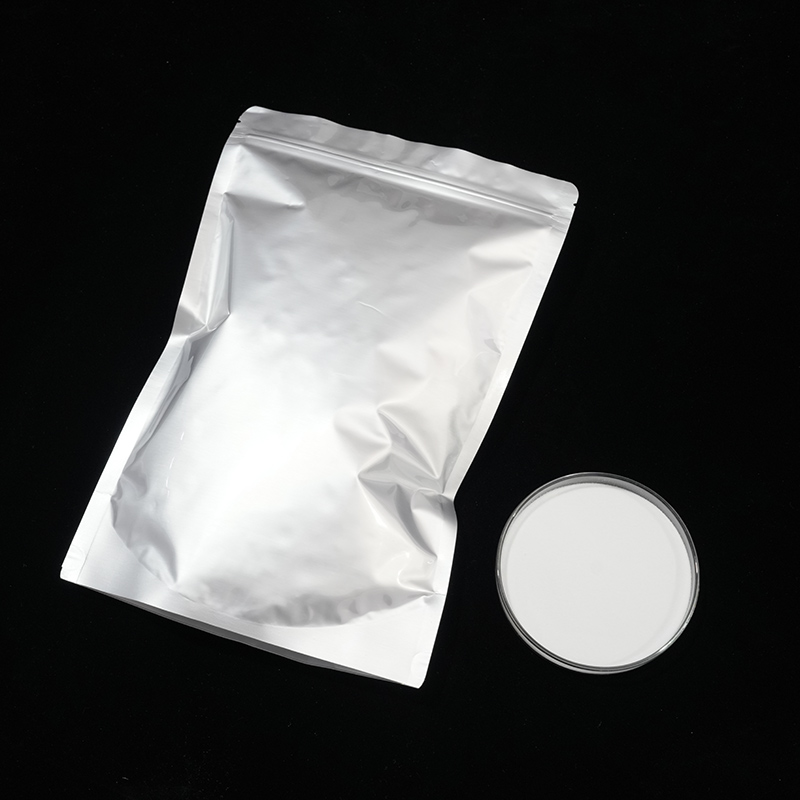
Most hot melt adhesives have a shelf life of 12 to 24 months when stored in sealed, moisture-proof containers at temperatures below 86 degrees Fahrenheit. Reactive PUR hot melts are moisture-sensitive and must be stored in hermetically sealed foil bags or aluminum cartridges; once opened, they should be used within 48 to 72 hours to prevent premature curing. Adhesives should never be stored near heat sources or in direct sunlight, as thermal degradation can alter viscosity and reduce bond strength by 15% to 30%.
Are hot melt adhesives waterproof?
Standard EVA hot melt adhesives are water-resistant but not fully waterproof; prolonged water exposure can cause bond weakening. PUR hot melts, once fully cured, are considered waterproof and can withstand continuous immersion. The choice between the two depends on the end-use environment: a kitchen cabinet door near a sink requires PUR, while a cereal box that rarely encounters moisture is adequately served by EVA.
What are the environmental advantages of using hot melt adhesives?
Hot melt adhesives are 100% solids, producing zero volatile organic compound (VOC) emissions during application, which eliminates the need for solvent recovery or incineration equipment. Their rapid set time reduces energy consumption by eliminating drying ovens required for water-based adhesives. Additionally, many thermoplastic hot melts can be remelted and reprocessed, contributing to manufacturing waste reduction. The Adhesive and Sealant Council's life cycle assessment indicates that switching from solvent-based to hot melt adhesive in packaging reduces greenhouse gas emissions by 34% per ton of adhesive applied.
Conclusion: The Expanding Scope of Hot Melt Adhesive Applications
The range of hot melt adhesive uses continues to expand as material science delivers formulations that bond increasingly difficult substrates and meet more demanding performance specifications. From the high-speed sealing of millions of packages daily to the precision assembly of life-critical medical devices, hot melt adhesives provide a unique combination of processing speed, environmental compliance, and bond versatility. The data from industry sources confirms that these thermoplastic and reactive bonding solutions are not merely one option among many, but rather the preferred adhesive technology wherever production efficiency, substrate diversity, and sustainability are prioritized. Engineers and specifiers who understand the specific capabilities of EVA, polyolefin, PUR, and polyamide hot melts can optimize their manufacturing processes for both performance and cost, ensuring reliable bonds throughout the product's entire service life.


Contact Us