1. Product Overview
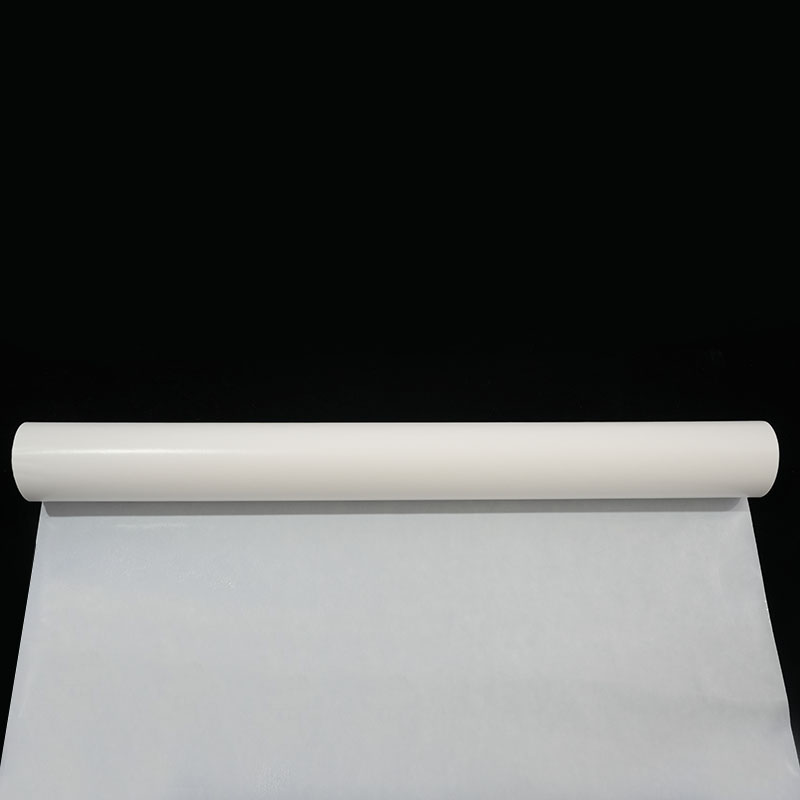
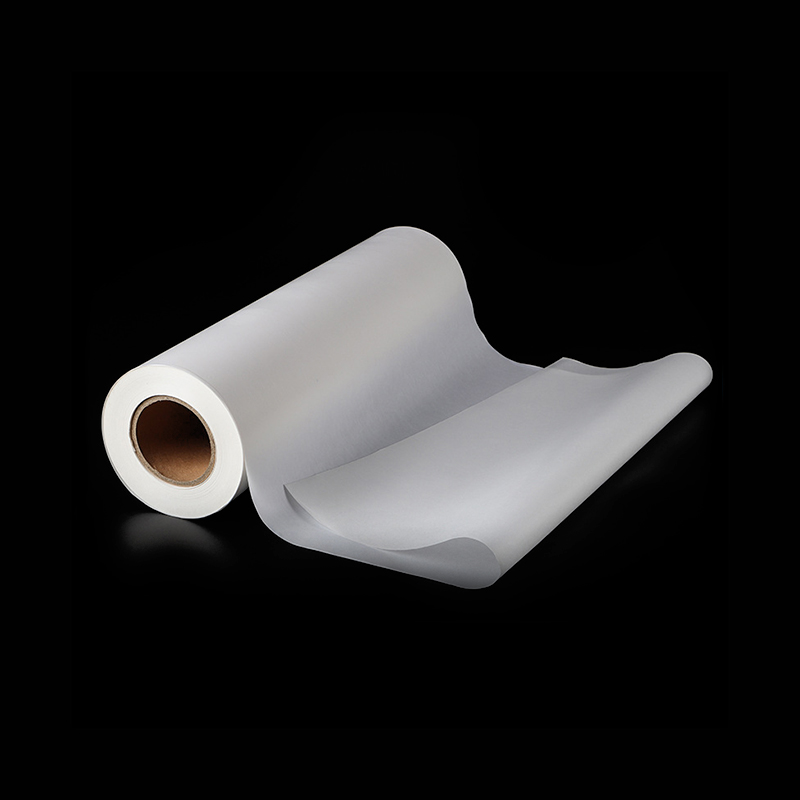
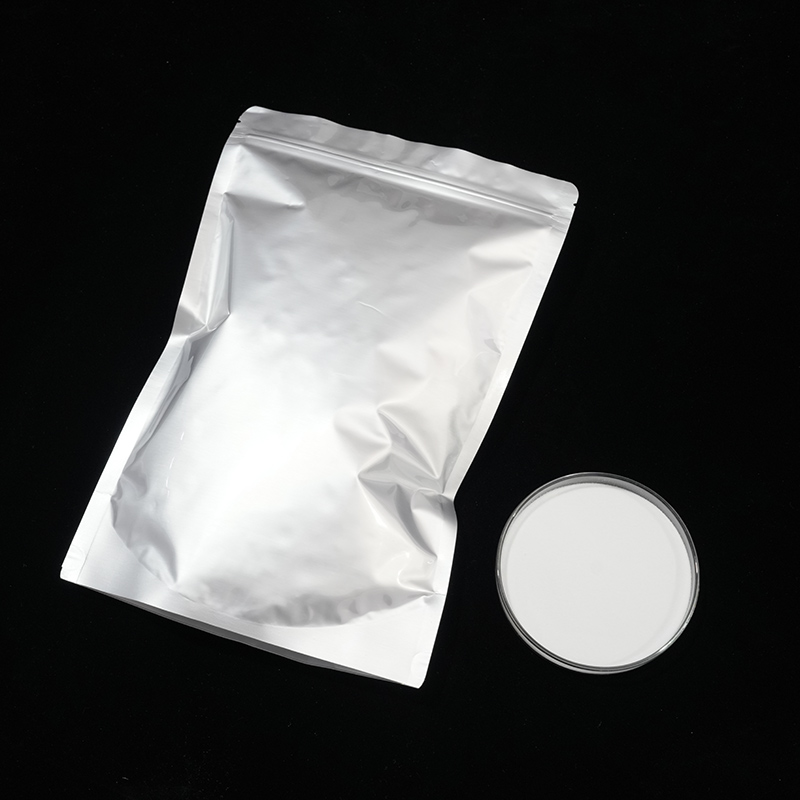
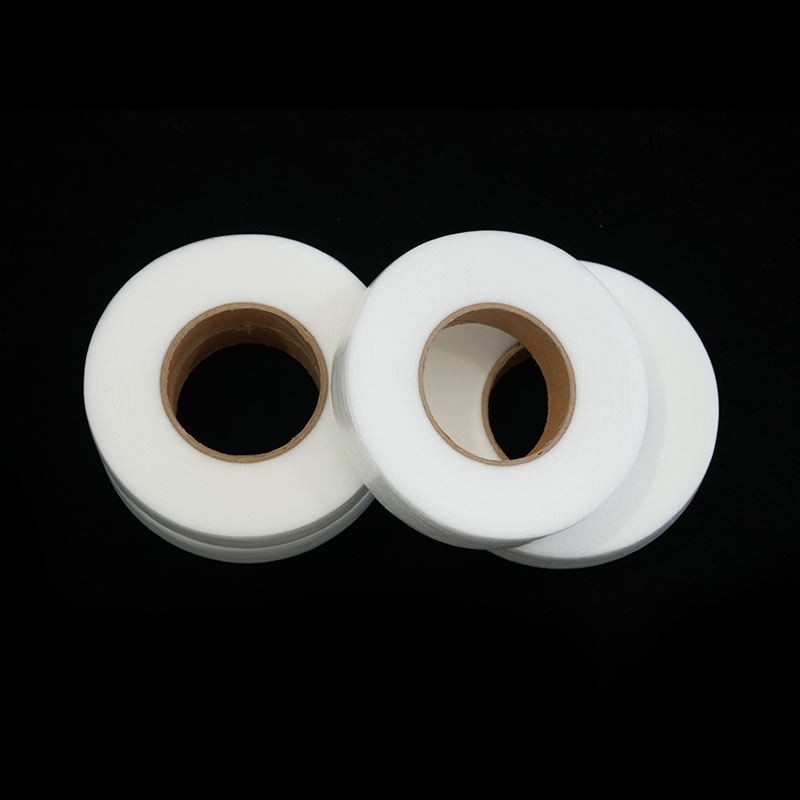
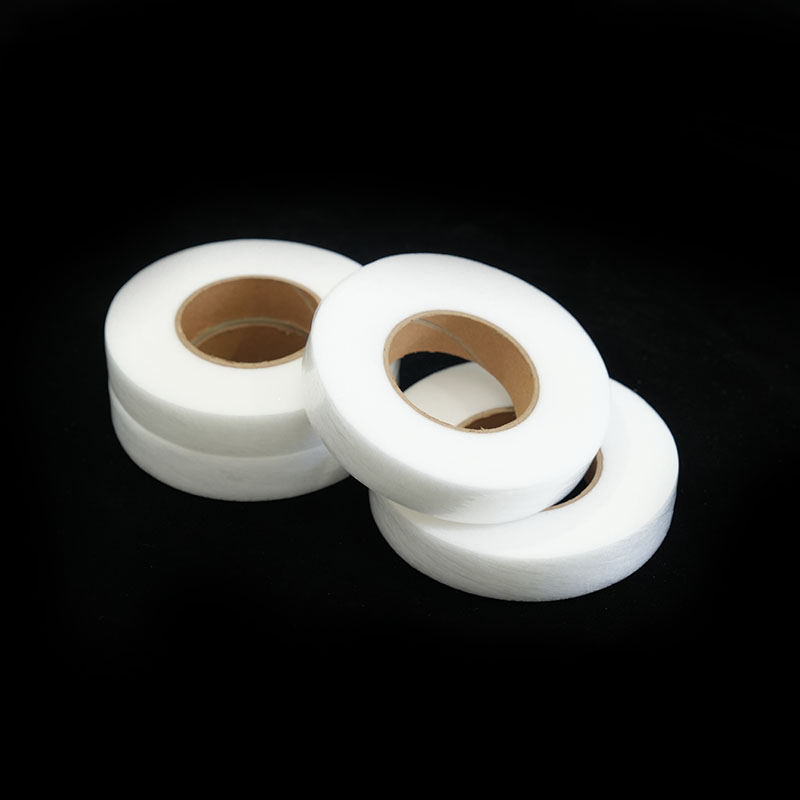
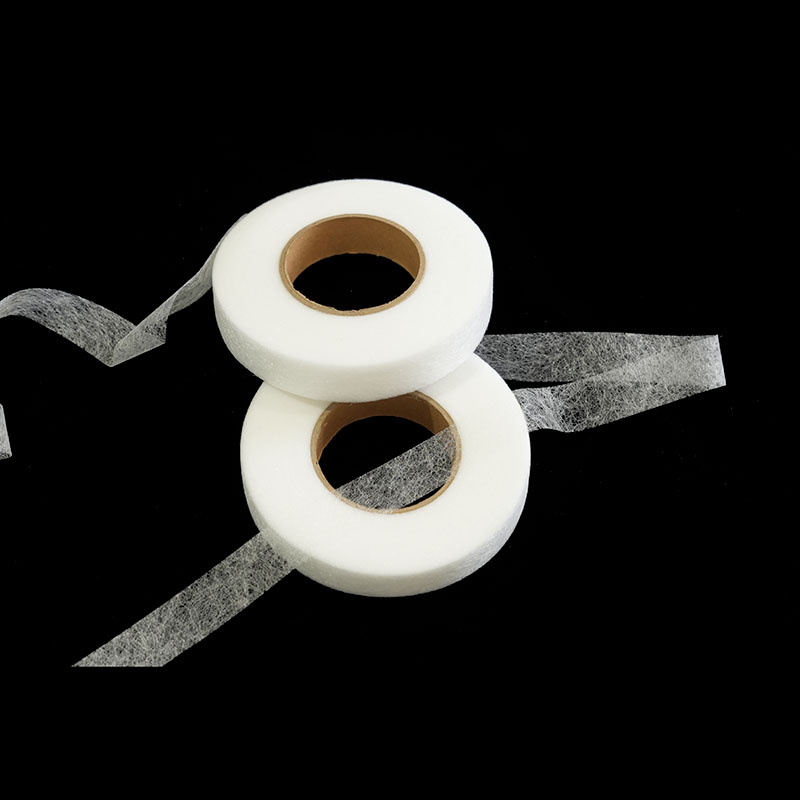
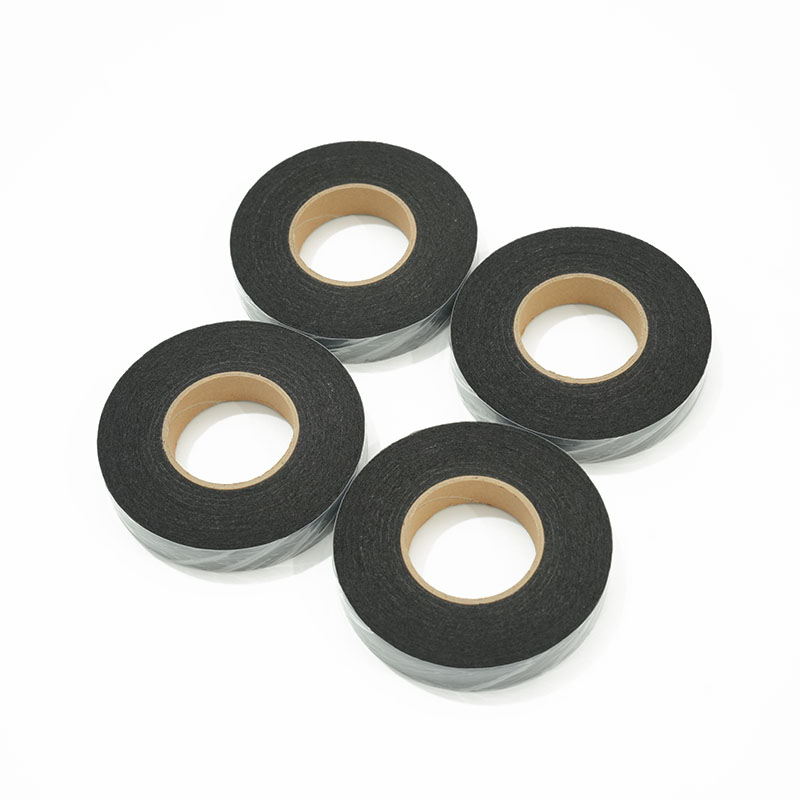
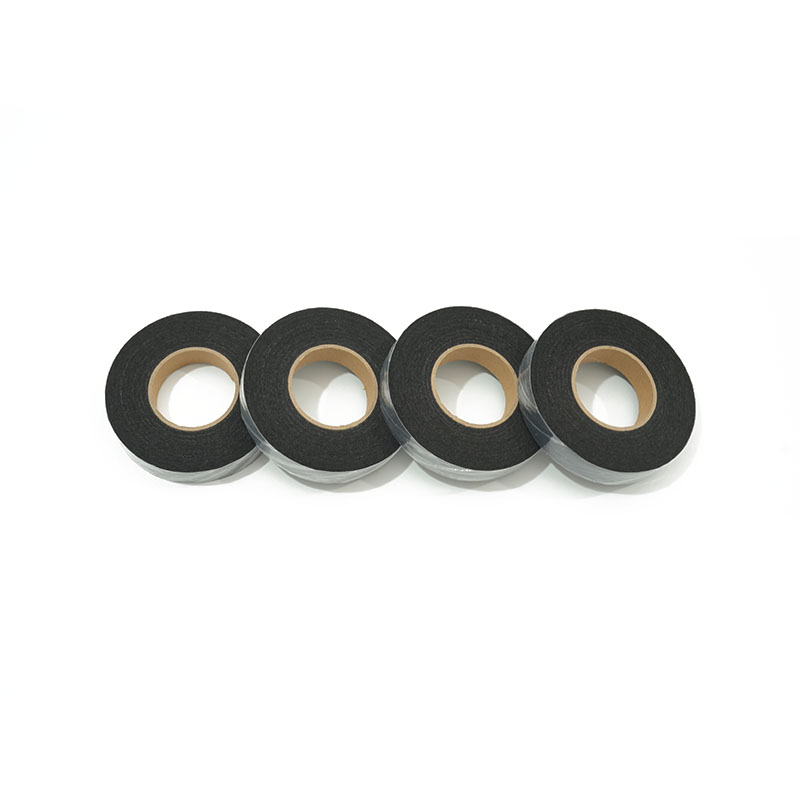
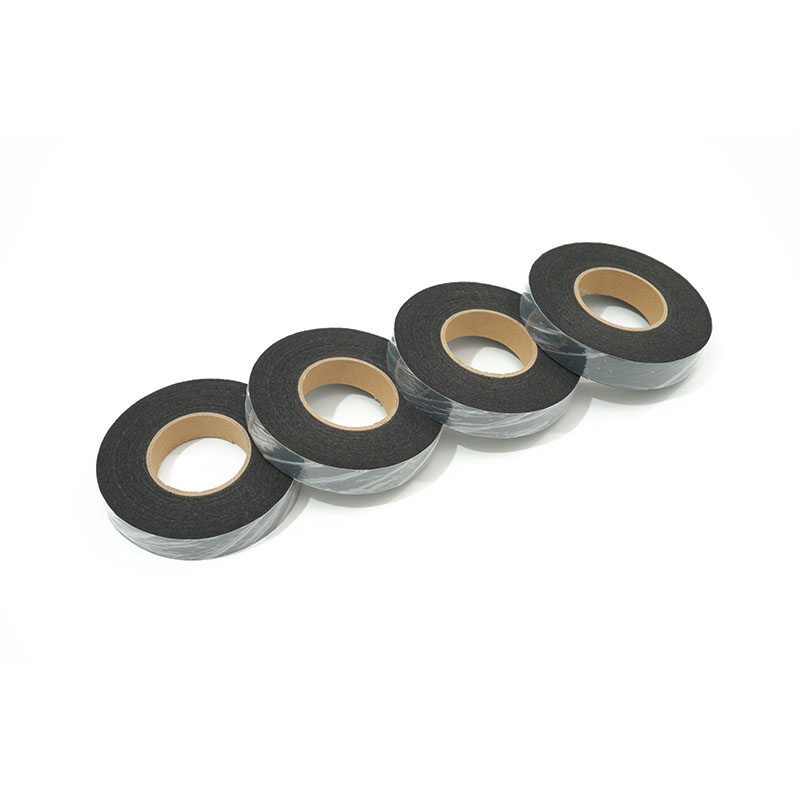
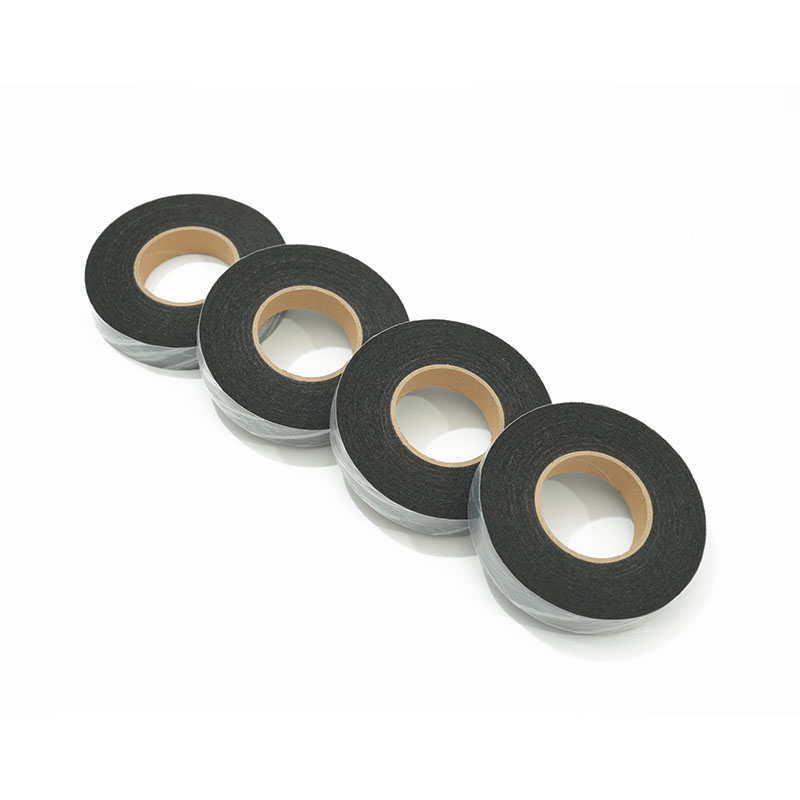
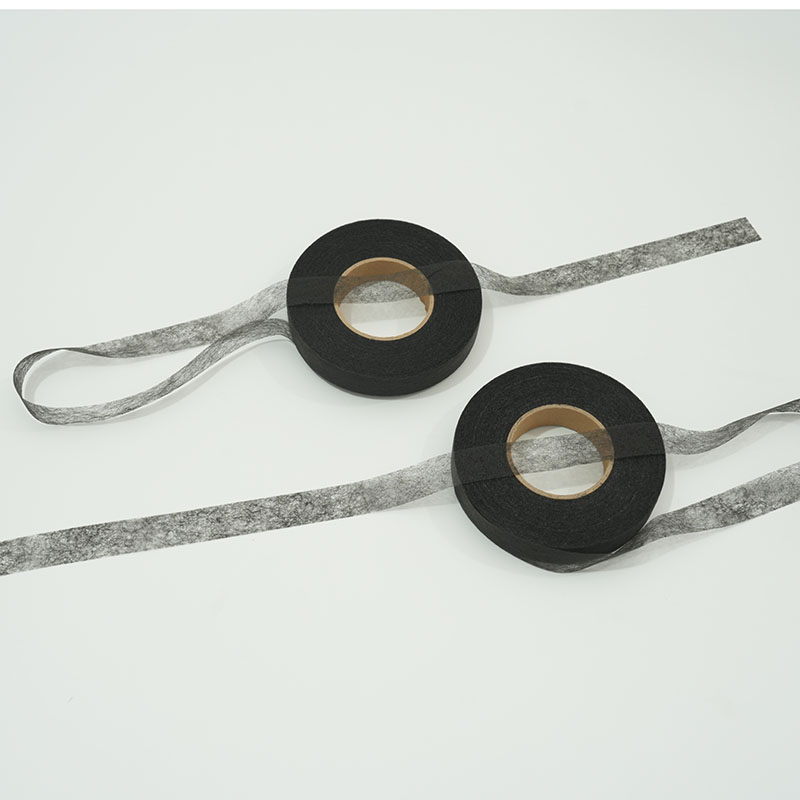
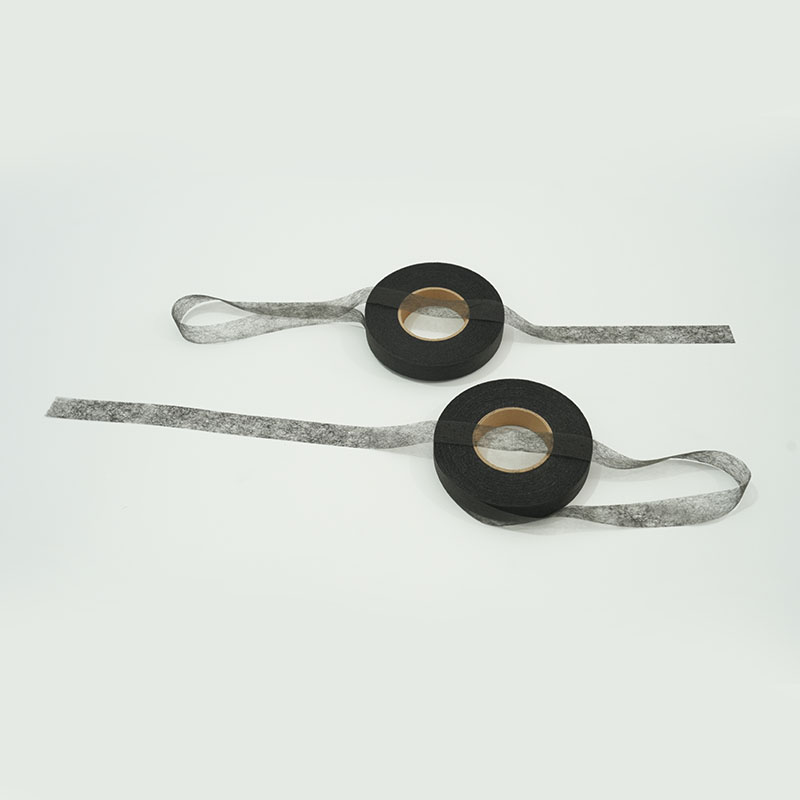
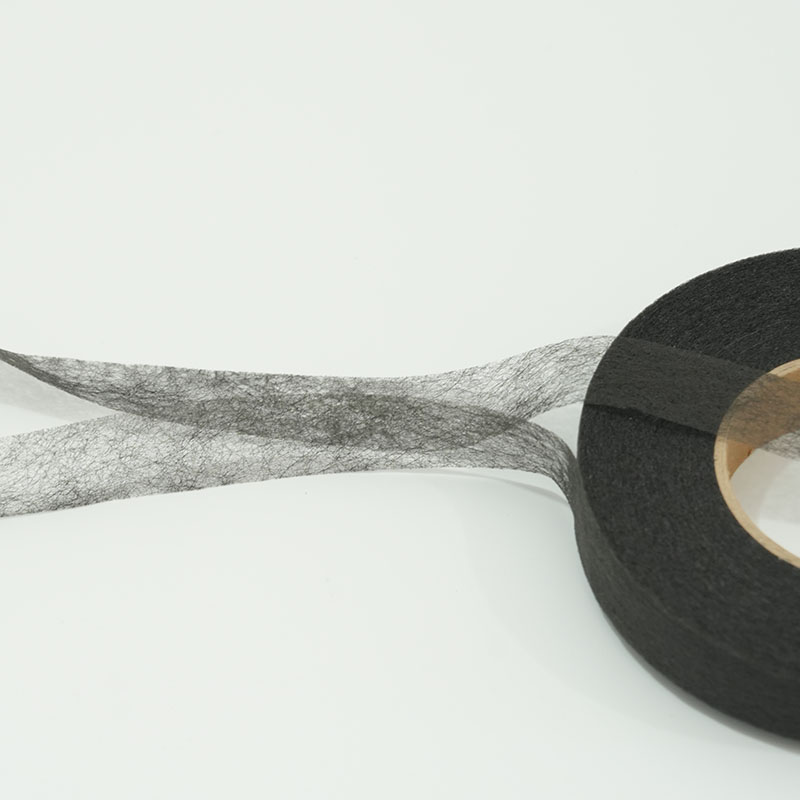
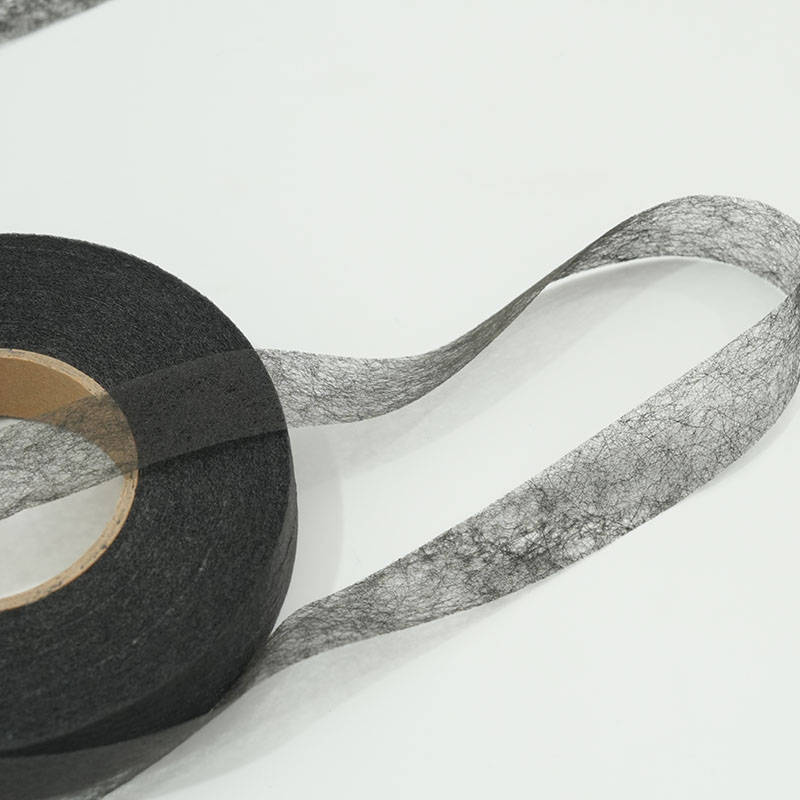
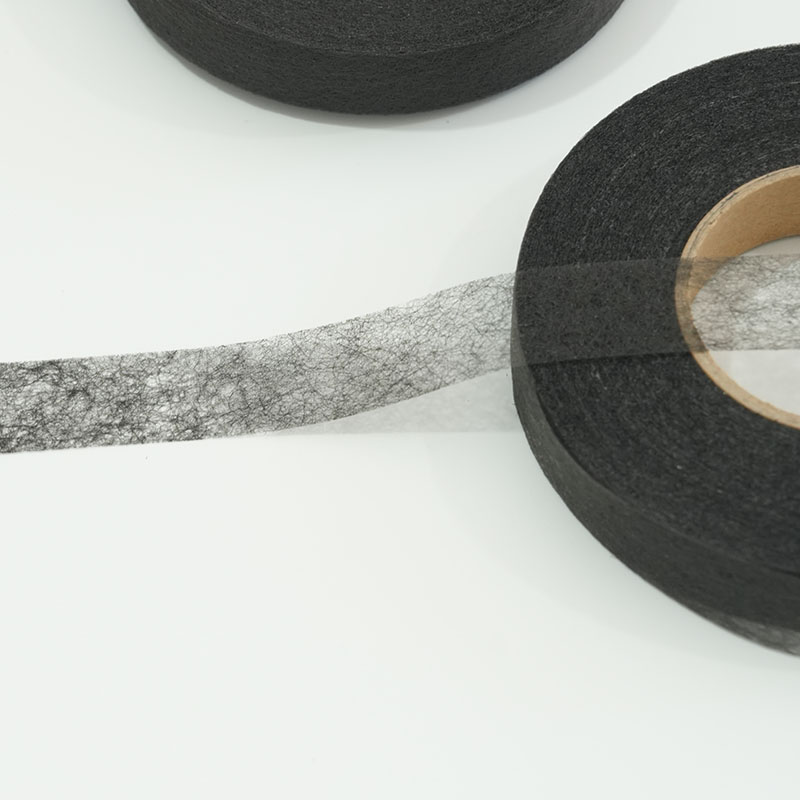
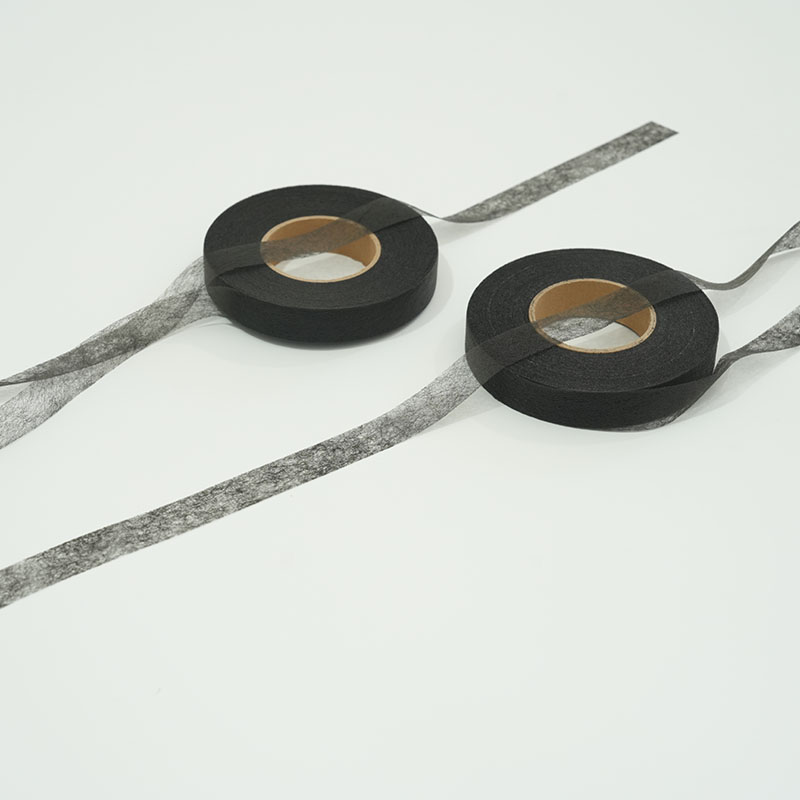
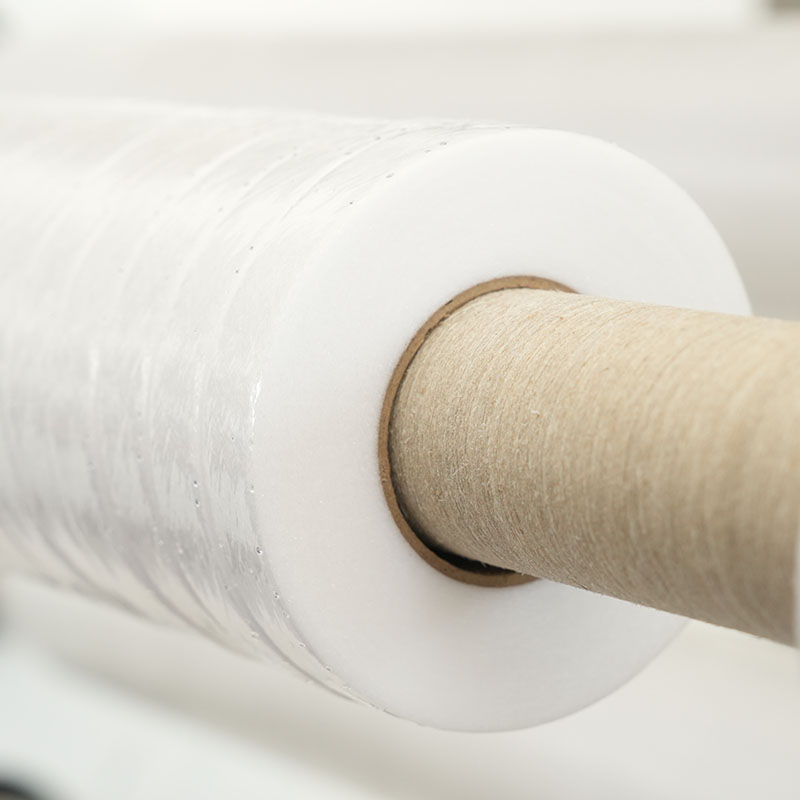
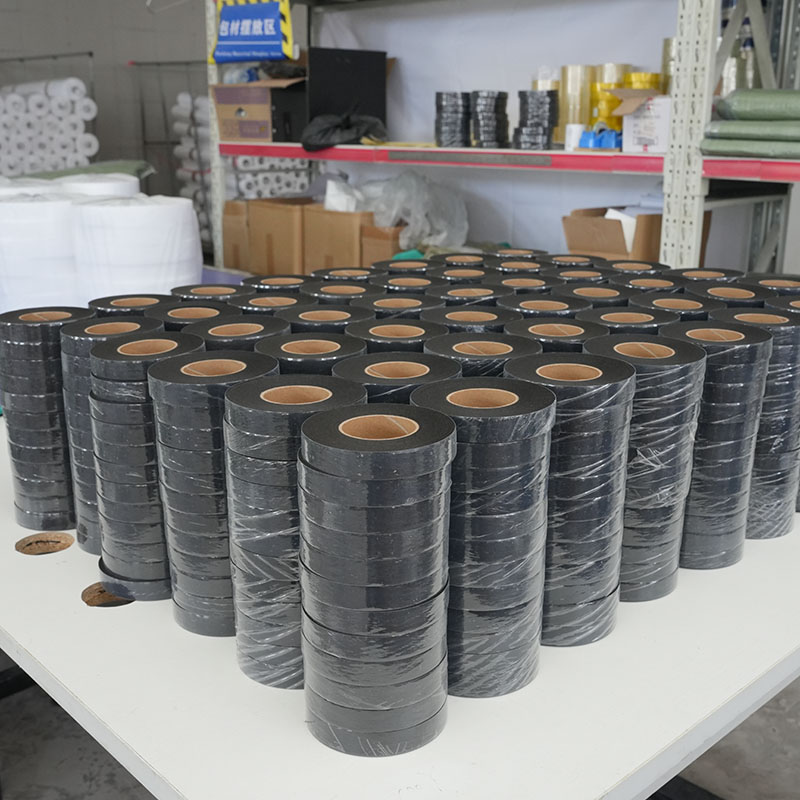
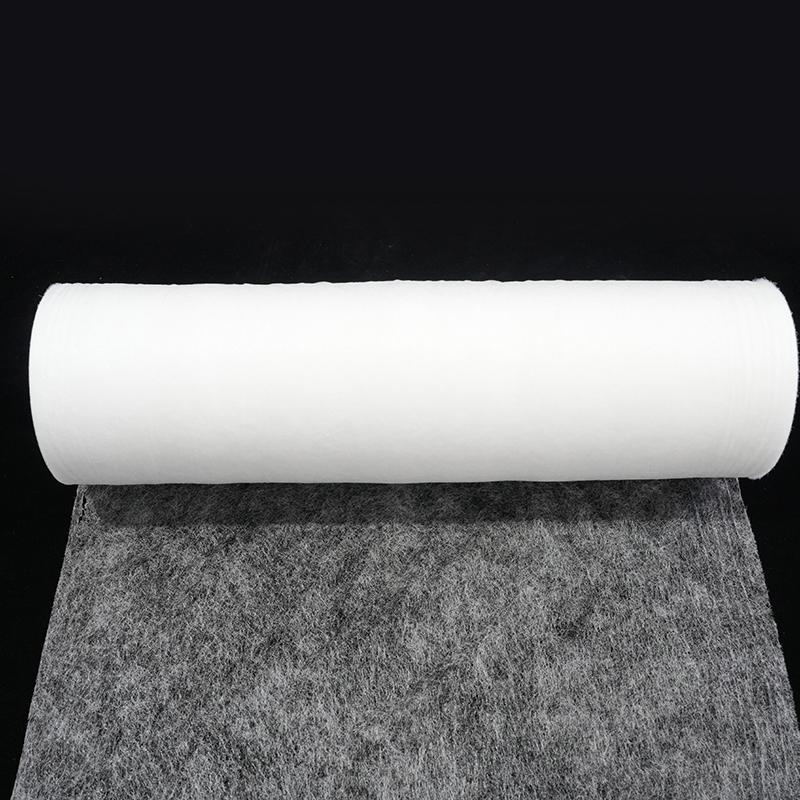
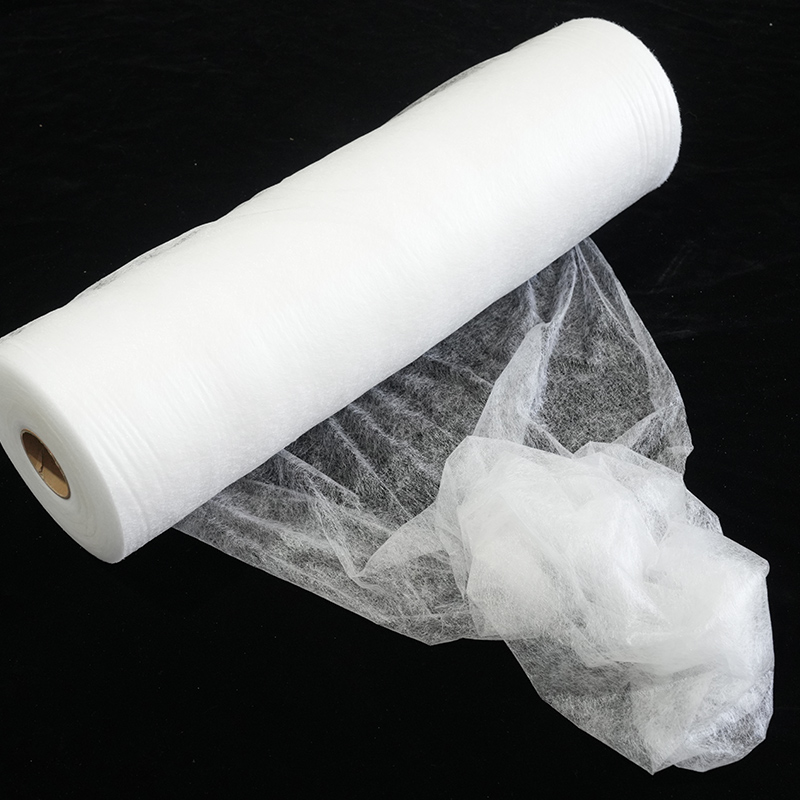
A PA hot melt adhesive web is a nonwoven thermoplastic bonding material made from polyamide (PA) resin, formed into a fine mesh or web structure. When heat and pressure are applied, the web melts and bonds two substrate layers together, creating a durable and flexible adhesive joint without the use of solvents or liquid adhesives.
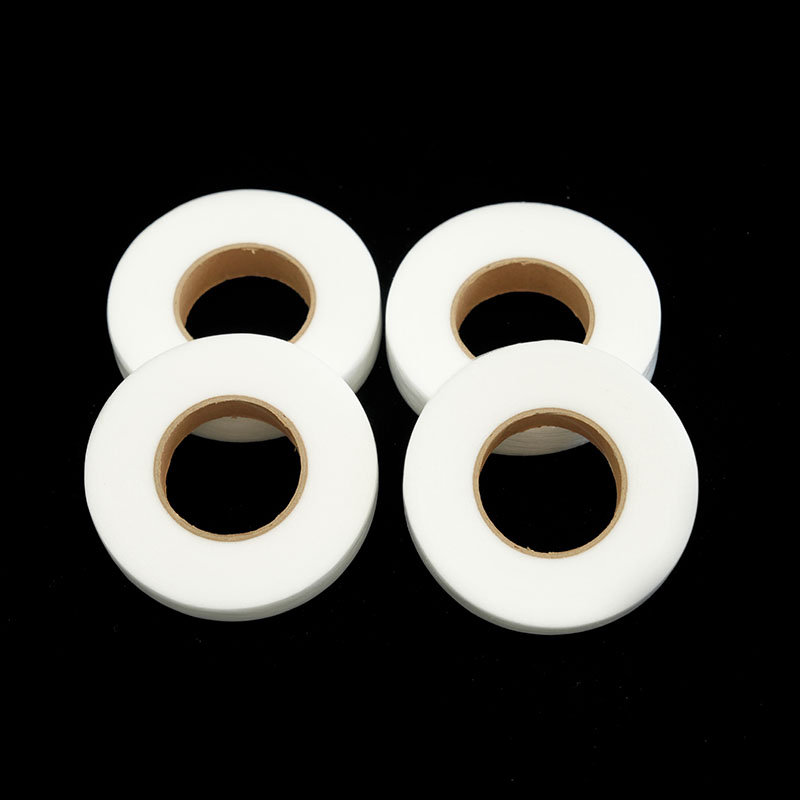
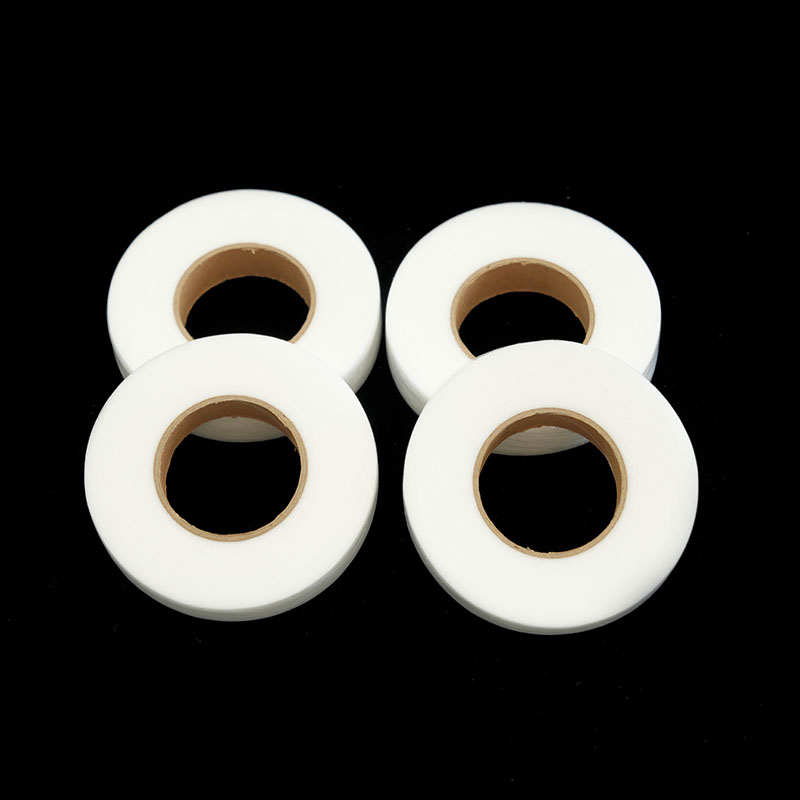
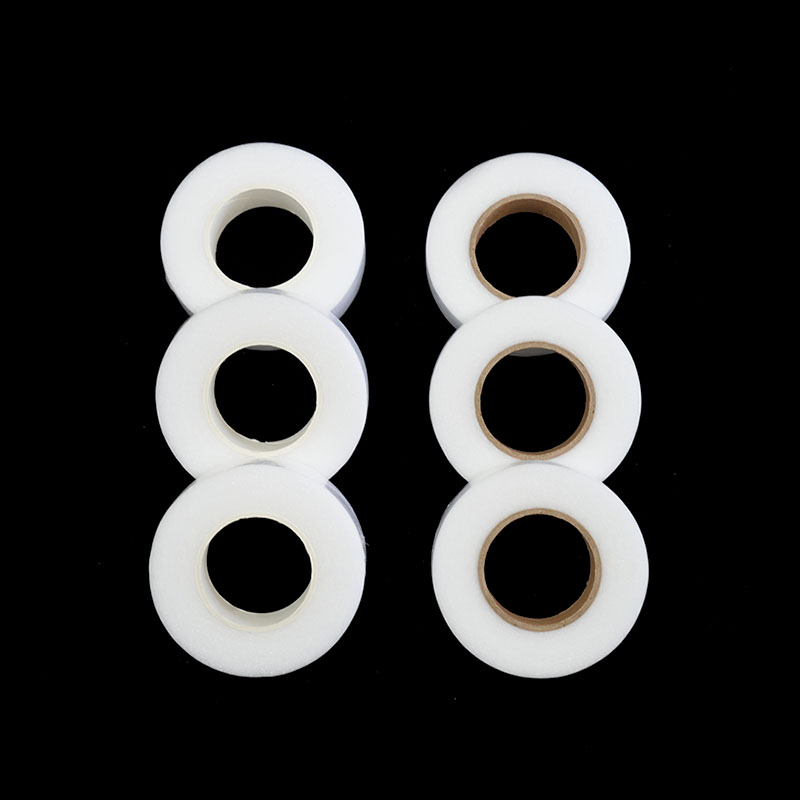
The conventional cutting disc format refers to PA adhesive web supplied as pre-cut circular discs of standardized diameters. This form factor is designed for applications where a defined bonding area is required repeatedly, eliminating the need for manual cutting from rolls and reducing material waste in high-volume production environments.
Nantong Feiang Composite Materials Co., Ltd. specializes in the research and production of hot melt adhesive materials including PA mesh films, with over six years of manufacturing experience and more than 1,000 successfully executed projects across multiple industries.
2. Key Material Properties of PA Hot Melt Adhesive Web
| Property |
Description |
| Base Resin |
Polyamide (PA / Nylon) |
| Physical Form |
Open mesh / web structure |
| Activation Method |
Heat and pressure (no solvent required) |
| Bonding Temperature Range |
Typically 120 to 160 degrees C (varies by grade) |
| Wash Resistance |
High; suitable for garment and textile applications |
| Flexibility After Bonding |
Good; maintains substrate drape in textile use |
| Chemical Resistance |
Moderate to good depending on PA grade and exposure |
3. Types of PA Hot Melt Adhesive Web by Format
PA hot melt adhesive webs are available in several physical formats. The selection of format depends on production method, bonding area geometry, and processing volume:
3.1 Roll Format
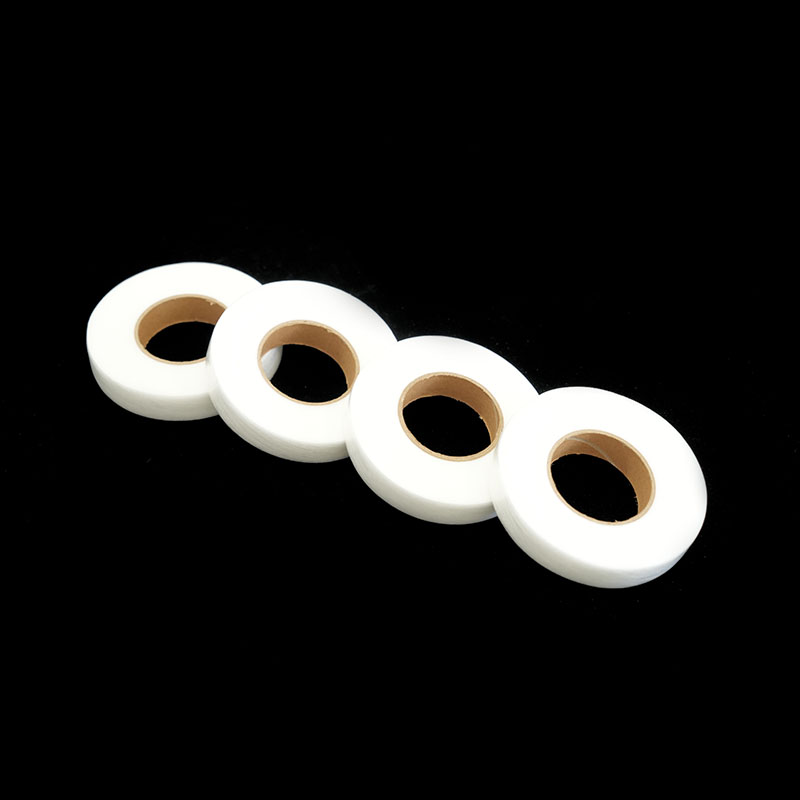
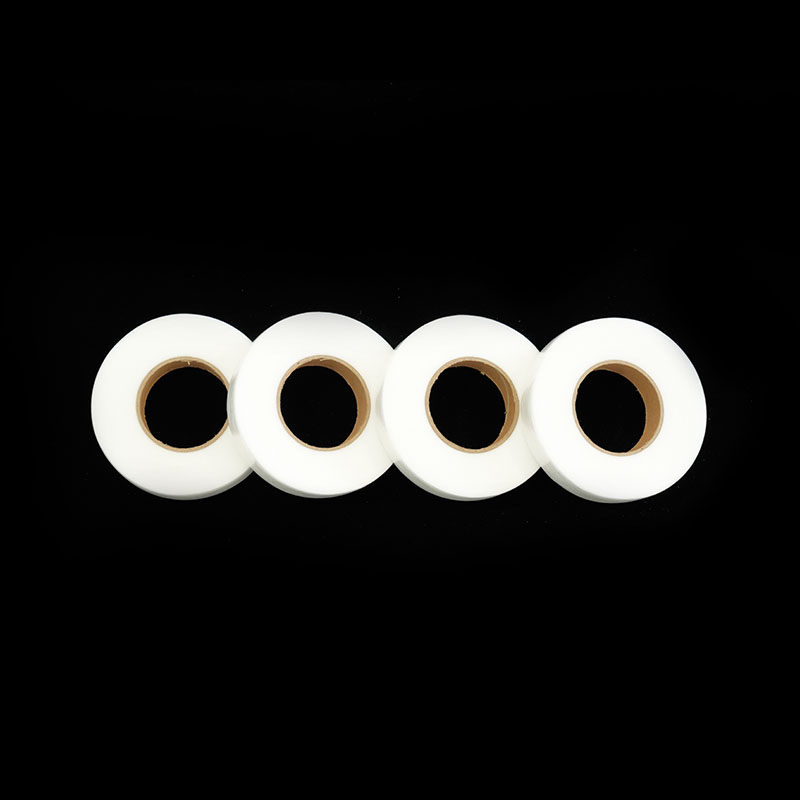
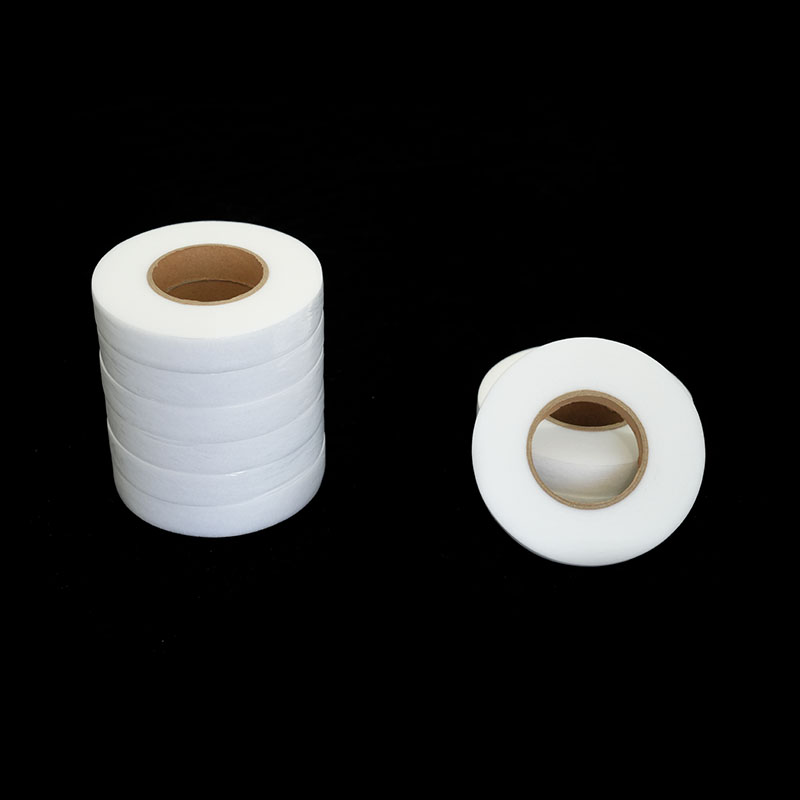
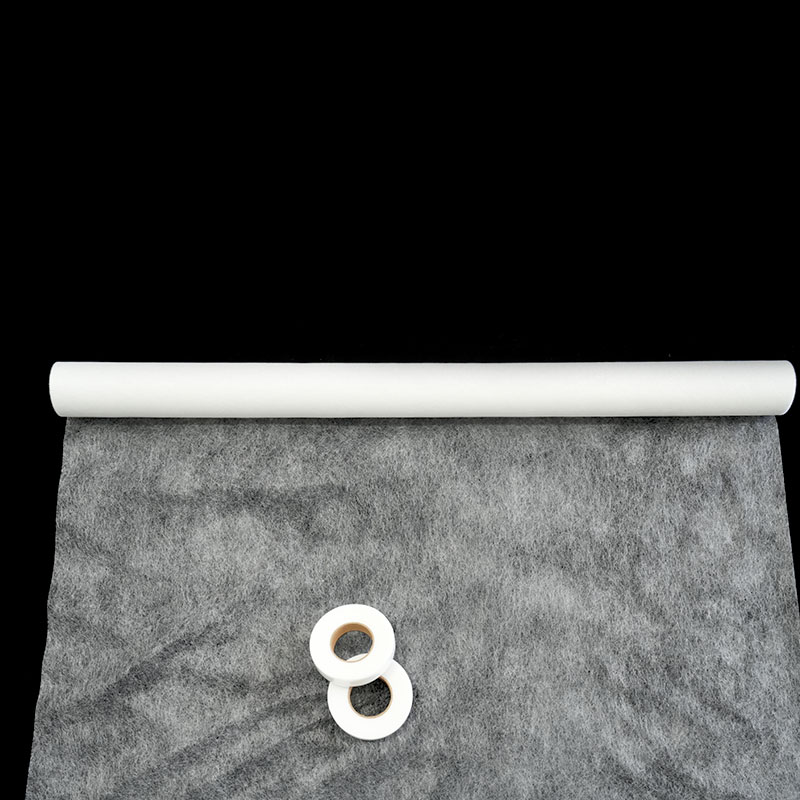
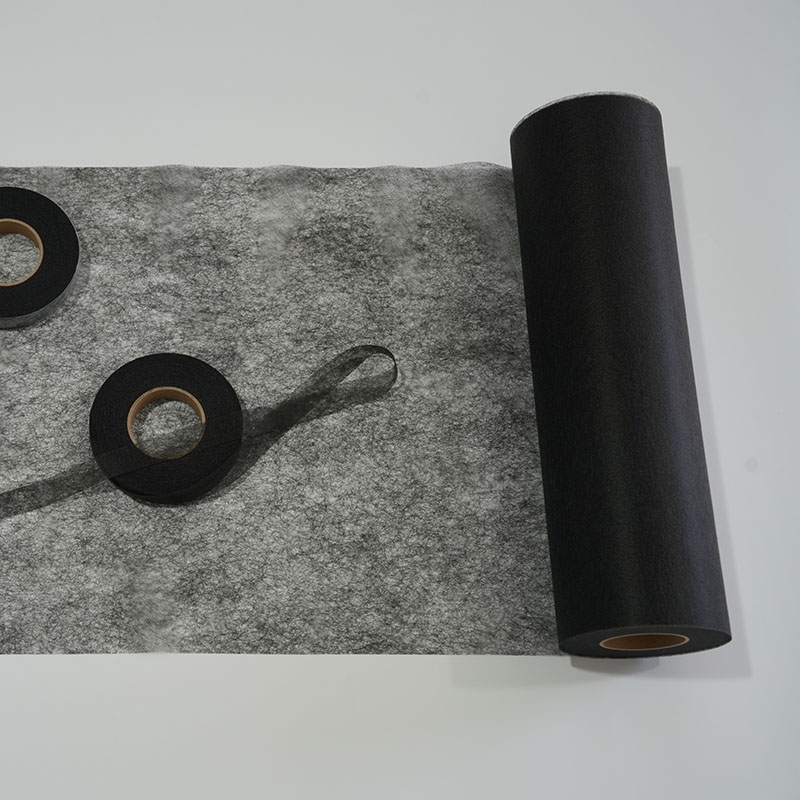
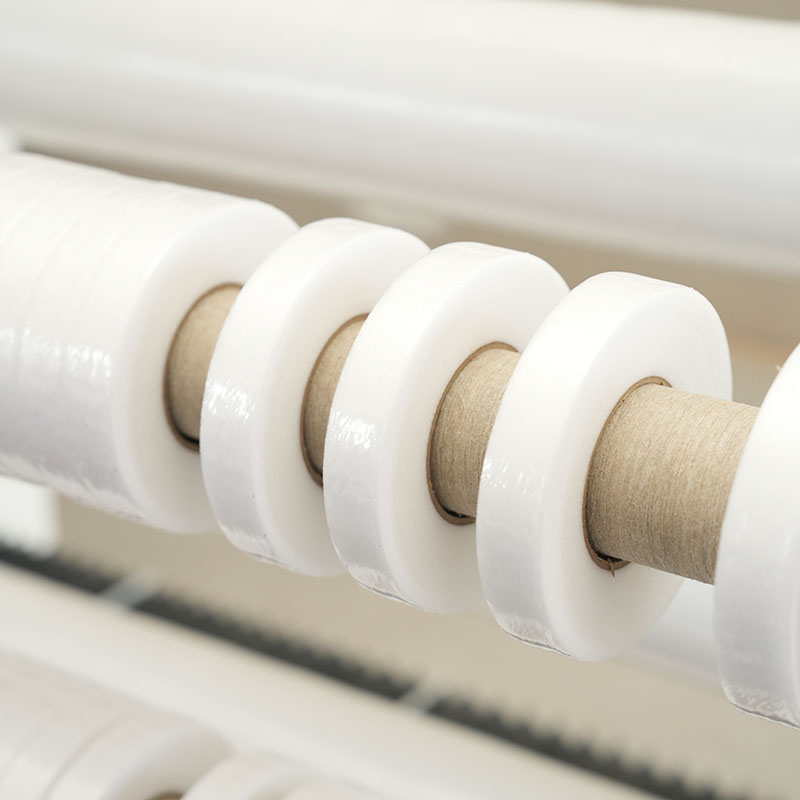
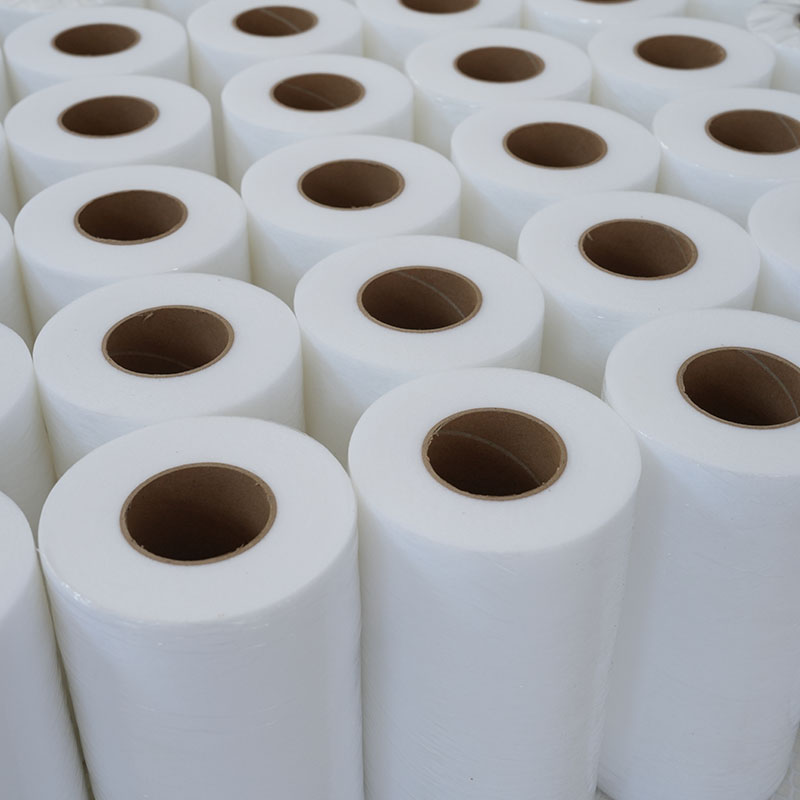
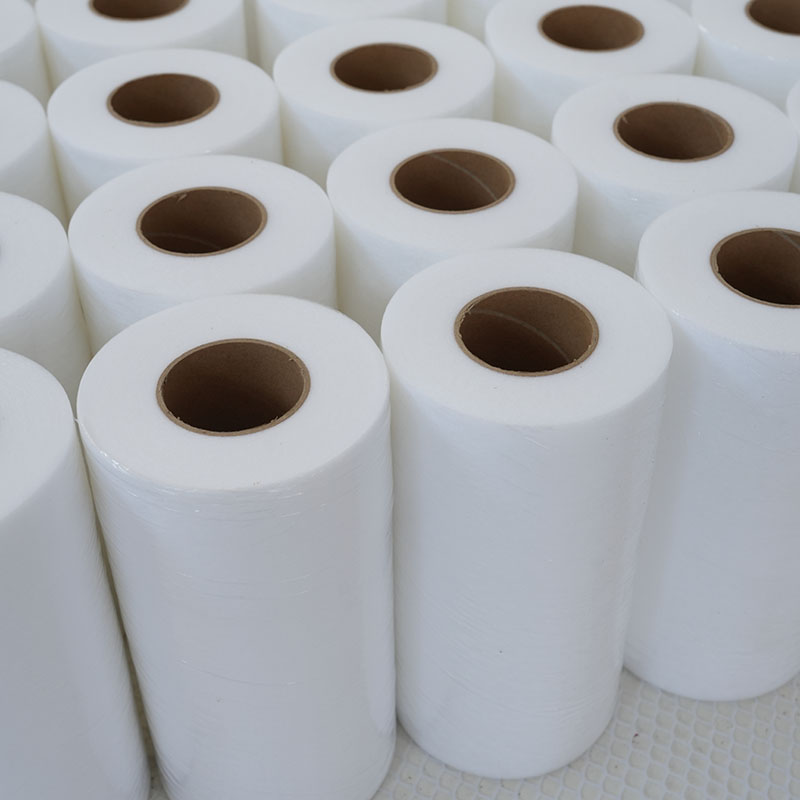
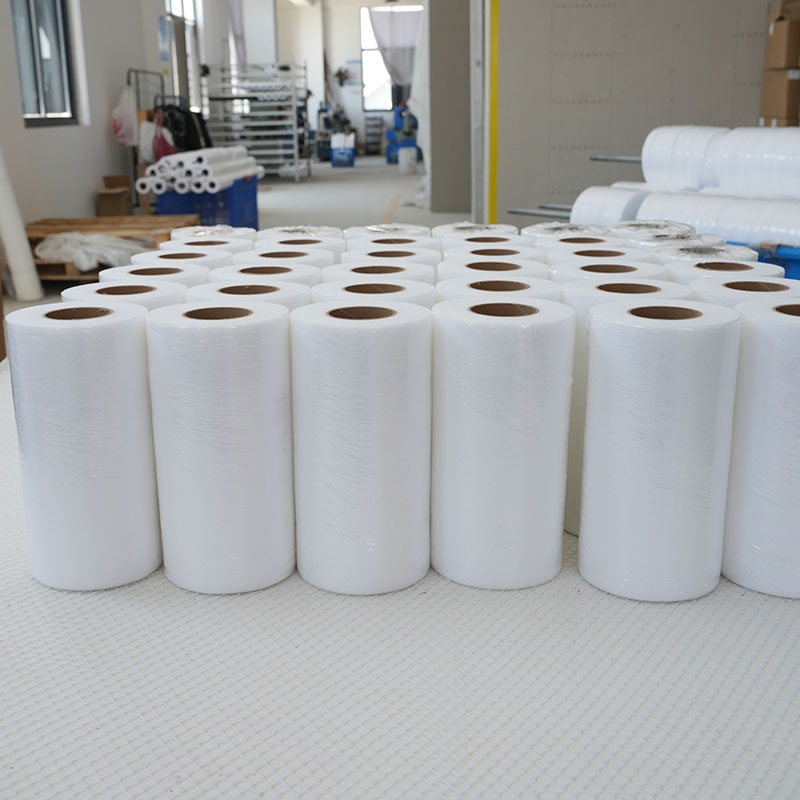
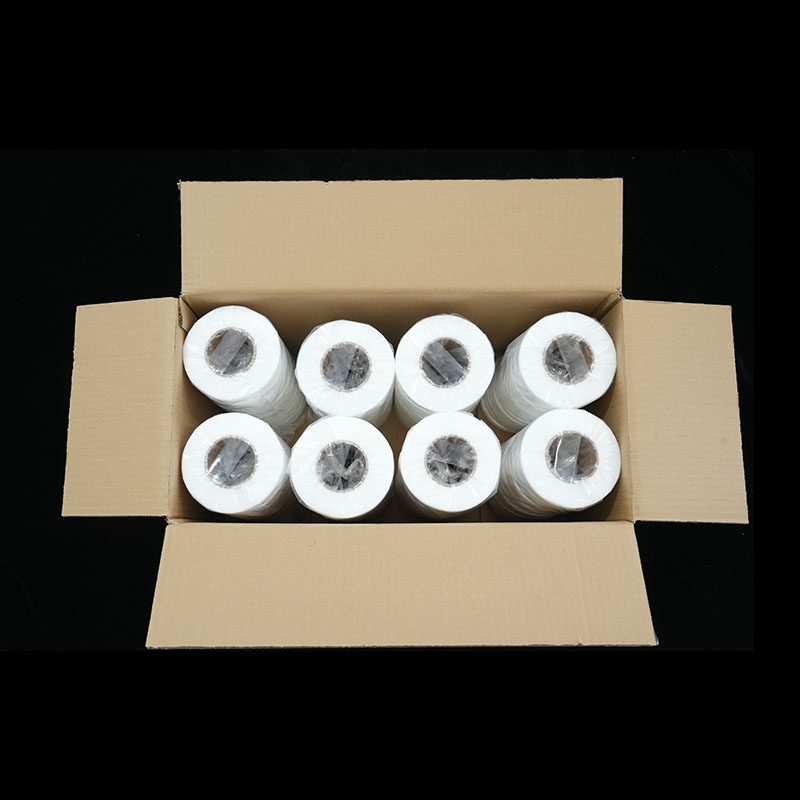
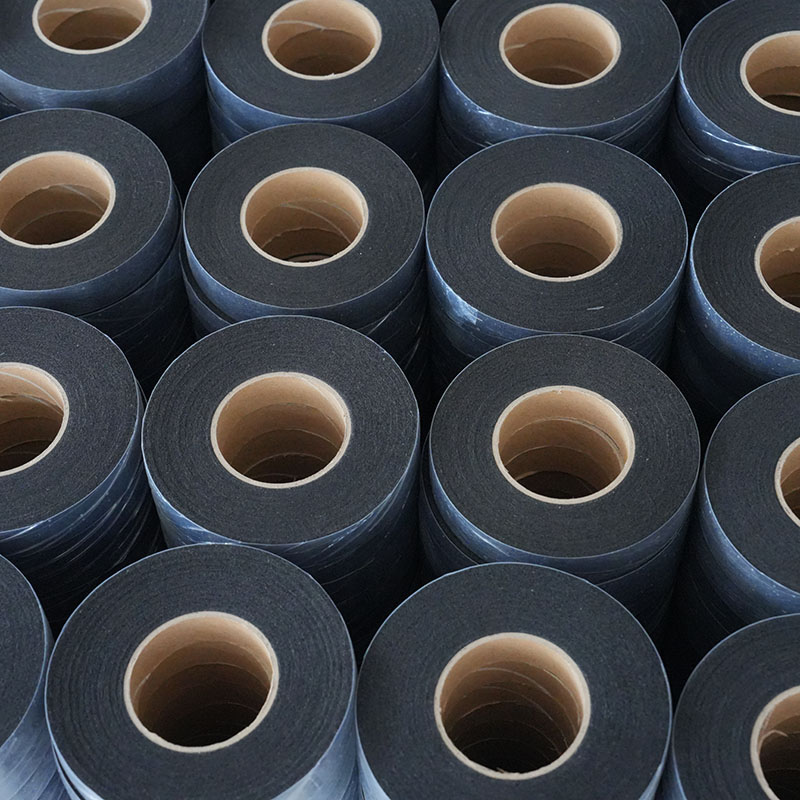
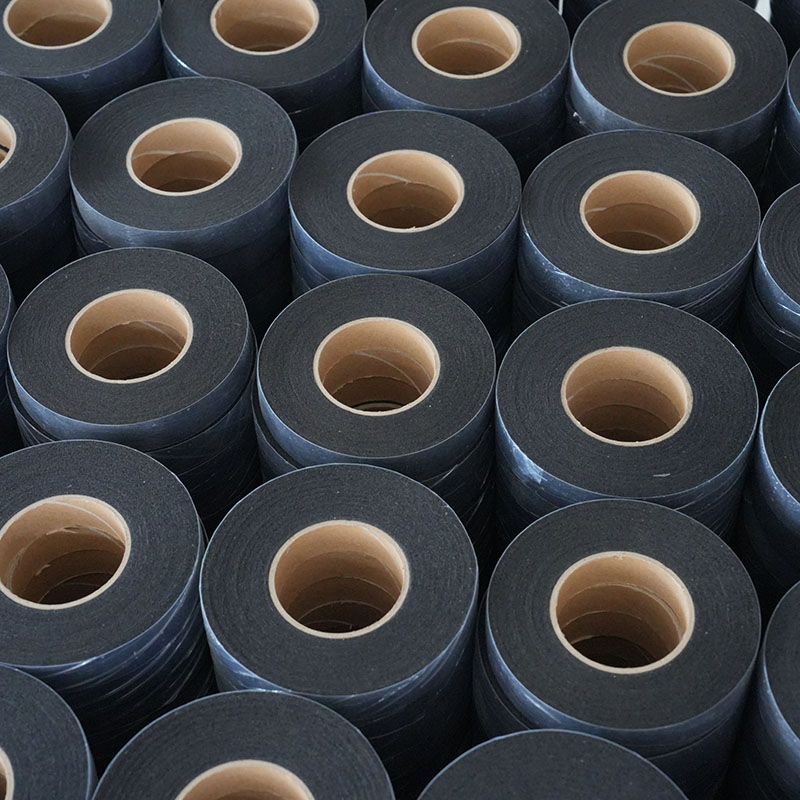
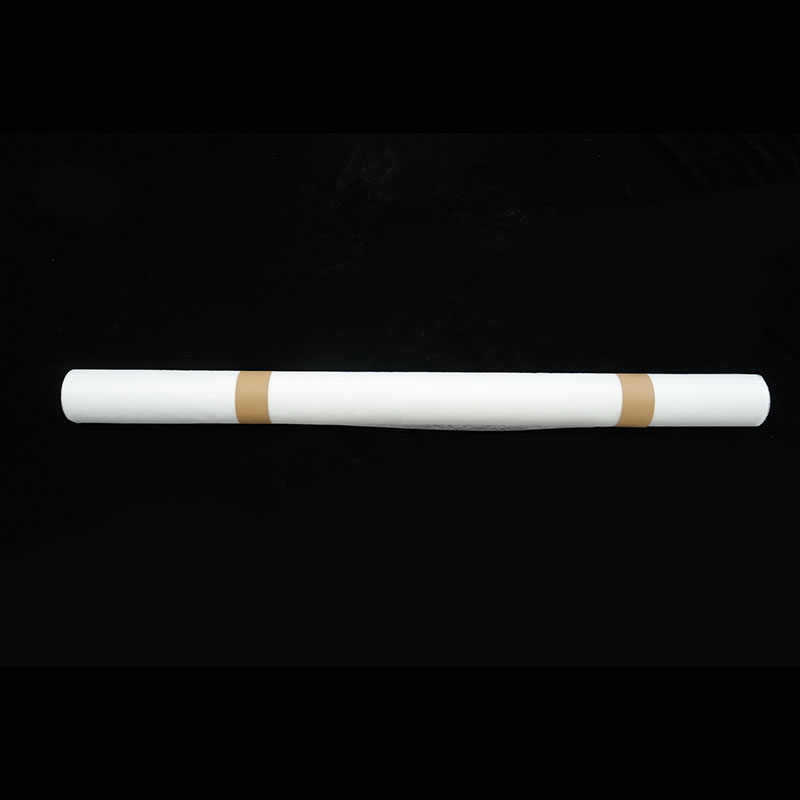
Supplied in continuous rolls of defined width. Operators cut sections to the required length on-site. This format is flexible in terms of bonding area dimensions but requires a cutting step during production, which can introduce variation in piece size.
3.2 Sheet Format
Pre-cut flat sheets of defined dimensions. Suitable for laminating flat substrates of uniform size. Reduces on-site cutting compared to rolls but requires storage of multiple size variants if bonding areas differ across products.
3.3 Conventional Cutting Disc Format
Pre-cut circular discs produced by die-cutting from web rolls. The conventional cutting disc format standardizes the bonding area to a fixed circular shape. This eliminates the on-site cutting step for applications requiring circular bonding zones, and ensures consistent adhesive coverage per piece. Commonly used in footwear, automotive, and accessory bonding where circular patch geometries are repeated at volume.
3.4 Custom Die-Cut Shapes
Die-cut pieces produced to customer-specified non-standard shapes. These serve assembly operations with defined geometric bonding requirements that standard rectangular or circular formats cannot fulfill efficiently.
4. PA Hot Melt Web vs. Other Hot Melt Web Types
Hot melt adhesive webs are produced from multiple resin types. Each has distinct performance characteristics suited to different bonding applications:
| Property |
PA (Polyamide) |
EVA (Ethylene Vinyl Acetate) |
PES (Polyester) |
TPU (Thermoplastic Polyurethane) |
| Wash Resistance |
High |
Low to Medium |
High |
High |
| Activation Temperature |
Medium to High |
Low to Medium |
Medium to High |
Medium |
| Bond Strength |
High |
Medium |
High |
High |
| Flexibility |
Good |
Good |
Medium |
Excellent |
| Typical Application |
Garments, footwear, automotive |
Packaging, crafts, low-load bonding |
Apparel linings, filtration |
Sportswear, medical, footwear |
| Cost Level |
Medium to High |
Low |
Medium |
Medium to High |
5. Application Scenarios
PA hot melt adhesive web in disc format is applicable across industries where a defined circular bonding patch is required repeatedly in production. Representative applications include:
- Clothing and apparel: Bonding interlining, patches, and reinforcement panels to fabric layers. The wash resistance of PA resin is suited to garments that undergo repeated laundering.
- Footwear manufacturing: Adhering insole layers, toe reinforcements, and counter stiffeners. Circular disc formats align with standardized component geometries in footwear assembly.
- Automotive interiors: Laminating fabric or foam layers to panels and trim components. PA resin provides bond durability under temperature cycling in vehicle interior environments.
- Furniture manufacturing: Bonding upholstery layers, foam padding, and decorative fabric to frame components in seats and panels.
- Craft and accessories: Attaching decorative patches, embroidered appliques, or fabric elements in small-batch or custom production.
- Filtration components: Laminating filter media layers where a defined bonding zone is required to maintain media integrity without blocking the active filter area.
6. Processing Guidelines
6.1 Substrate Compatibility
PA hot melt web bonds effectively to a range of substrates including woven fabrics, nonwovens, leather, synthetic leather, foam, and certain rigid surfaces. Substrate porosity, surface texture, and heat tolerance must be assessed prior to selecting the appropriate PA grade and processing parameters.
6.2 Temperature and Pressure Settings
The bonding process requires a heat press or laminating equipment capable of maintaining consistent temperature, pressure, and dwell time across the disc surface. Insufficient temperature results in incomplete resin melt and weak bond strength. Excessive temperature may damage heat-sensitive substrates. Recommended processing parameters vary by PA formulation grade and should be confirmed with the supplier.
6.3 Storage Conditions
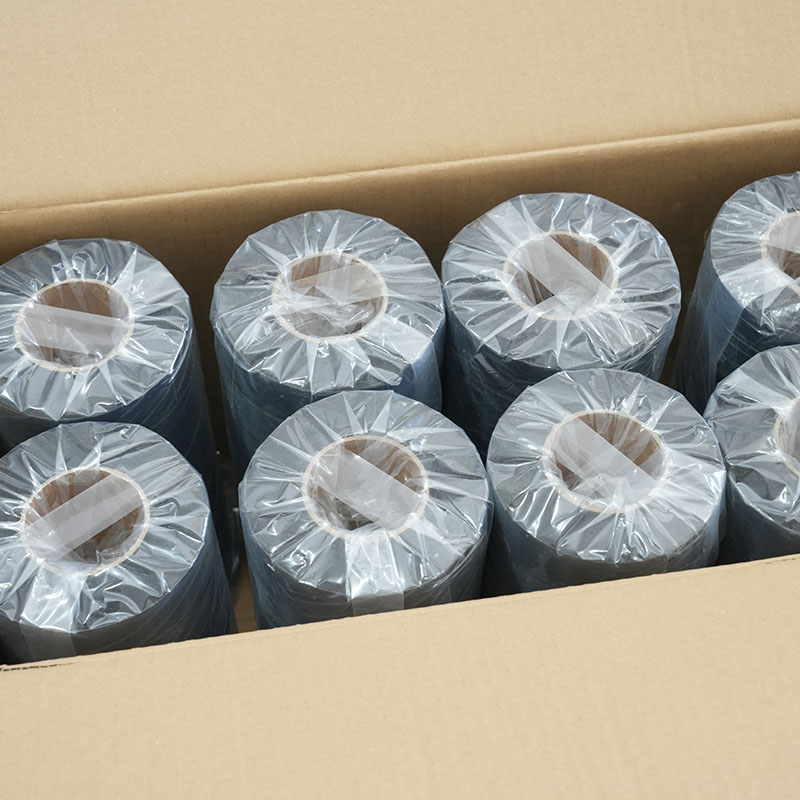
PA hot melt adhesive web should be stored in a cool, dry environment away from direct sunlight and moisture. Exposure to humidity prior to use can affect the melt flow and bonding performance of the material. Original packaging should be resealed after partial use.
7. Frequently Asked Questions (FAQ)
Q: What does the term "conventional cutting disc" refer to in this product name?
A: It refers to the pre-cut circular disc format produced by standard die-cutting from PA hot melt adhesive web rolls. This distinguishes the format from roll or sheet supply forms and indicates the disc geometry is produced using conventional rotary or flatbed cutting equipment.
Q: Can disc diameter and grammage be customized?
A: Yes. Disc diameter and web grammage (weight per square meter) can be specified according to application requirements. Different grammages affect the adhesive layer thickness and coverage density, which in turn influence bond strength and hand feel in textile applications.
Q: How does PA web differ from PA film in adhesive applications?
A: PA web (mesh film) has an open porous structure that allows air and moisture to pass through the bonded assembly, which preserves substrate breathability. PA film is a continuous solid layer that covers the bonding area entirely, providing a sealed interface. Web format is generally preferred in garment and textile applications where breathability and drape are important.
Q: Is PA hot melt adhesive web compatible with dry cleaning processes?
A: Compatibility with dry cleaning solvents depends on the specific PA formulation. Some PA grades are resistant to common dry cleaning chemicals, while others may experience bond weakening. The appropriate grade should be selected and tested based on the end-use laundering requirements of the bonded product.
Q: What industries does Nantong Feiang supply PA hot melt adhesive web to?
A: Nantong Feiang supplies hot melt adhesive materials to industries including clothing and apparel, automotive interiors, footwear, furniture manufacturing, filtration, and craft accessories, among others. The company has established cooperative relationships with customers across international markets.


 English
 中文简体
中文简体 Español
 عربى
عربى