


 English
 中文简体
中文简体 Español
 عربى
عربى
If you are bonding fabric in a production environment, hot melt adhesive for fabric is the fastest way to create a flexible, durable seam without sewing or solvent-based glues. The adhesive is applied as a molten thermoplastic film, web, or powder and forms a strong bond as it cools. The right choice depends on your fabric, heat tolerance, required strength, and whether the part needs to survive washing or dry cleaning.
Content
What Is Hot Melt Adhesive for Fabric?
Hot melt adhesive is a 100% solid thermoplastic material that softens when heated and hardens when cooled. Unlike water-based or solvent-based adhesives, it contains no carrier that must evaporate, so bonding happens almost instantly once the melt cools below its setting point.
For fabric, hot melt adhesive is commonly supplied as a film, a web, or a powder. Each form is activated by heat and produces a bond that is typically stronger than the fabric itself in peel tests. Because there is no water or solvent, there is no drying time, no shrinkage from drying, and less risk of edge curling.
- Fast bonding in seconds or minutes, which supports automated lamination.
- No volatile organic compounds (VOCs) in the final bond line.
- Good resistance to moisture once cooled, depending on polymer choice.
- Ability to bond many synthetic fabrics, nonwovens, and coated textiles.
This gives manufacturers a clear advantage: higher throughput, no drying ovens, and reduced risk of delamination caused by trapped moisture.
Main Forms of Fabric Hot Melt Adhesive
Your choice of format is usually determined by the laminating process and the fabric structure. Films give uniform glue lines and high strength; webs preserve breathability and softness; powders allow controlled dot coating for selective adhesion.
| Form | Bond Appearance | Best For | Process |
|---|---|---|---|
| Film | Continuous and uniform | Flat laminates, high-strength panels | Heat press or roller |
| Web | Soft, breathable, flexible | Interlining, stretchy fabrics | Heat press or continuous lamination |
| Powder | Discrete dots or particles | Selective adhesion, patterned coating | Powder scattering plus heat activation |
Hot Melt Adhesive Film
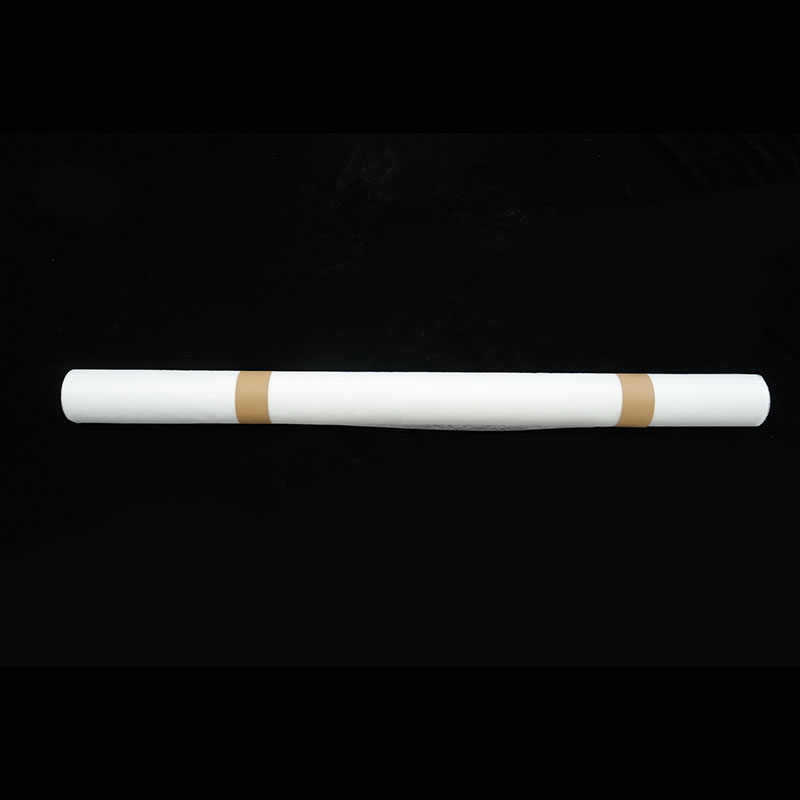
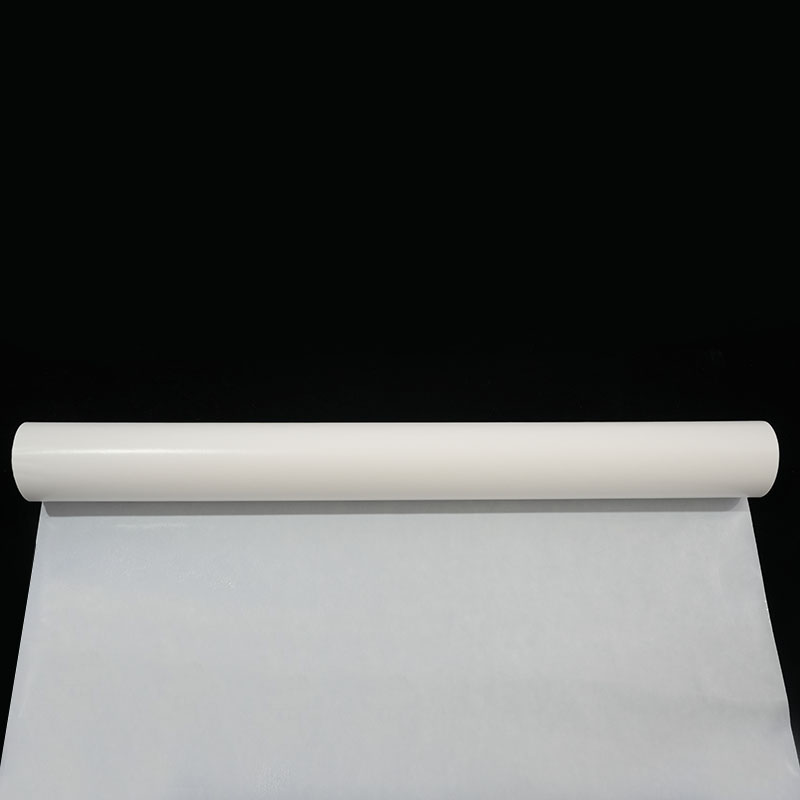
Film is a solid continuous membrane. It provides the most uniform bond line and works well with flat, smooth textiles. A backing paper prevents sticking during heat pressing and makes handling easier. For demanding jobs that need good heat resistance and non-toxic bonding, use a PES hot melt adhesive film with backing paper.
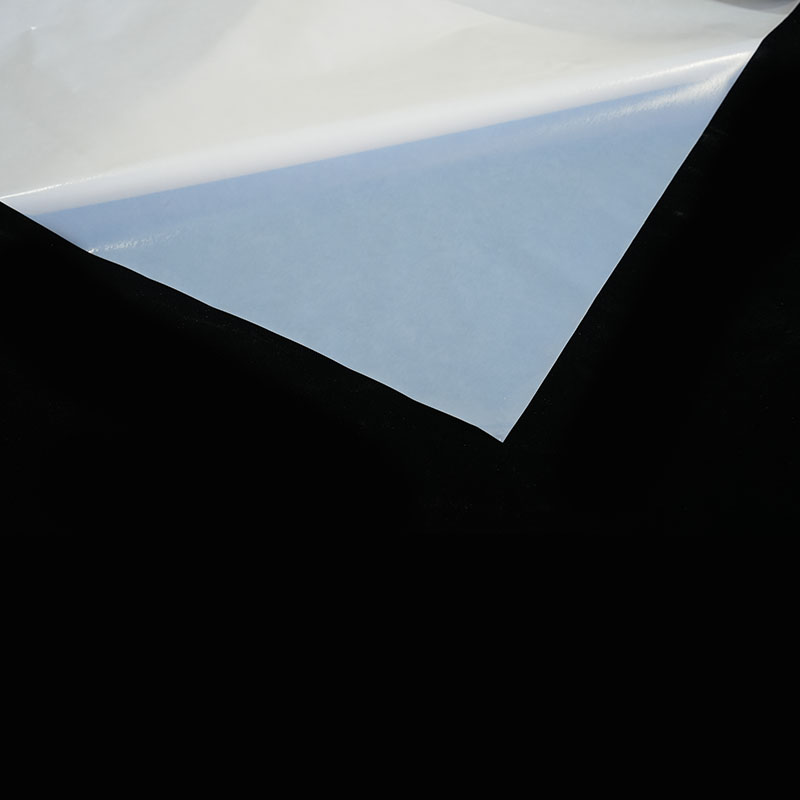 Wholesale PES hot melt adhesive film with backing paper Supplier, FactoryNantong Feiang Composite Materials Co., Ltd. is China PES hot melt adhesive film with backing paper manufacturer and wholesale PES hot me...View Product →
Hot Melt Adhesive Web
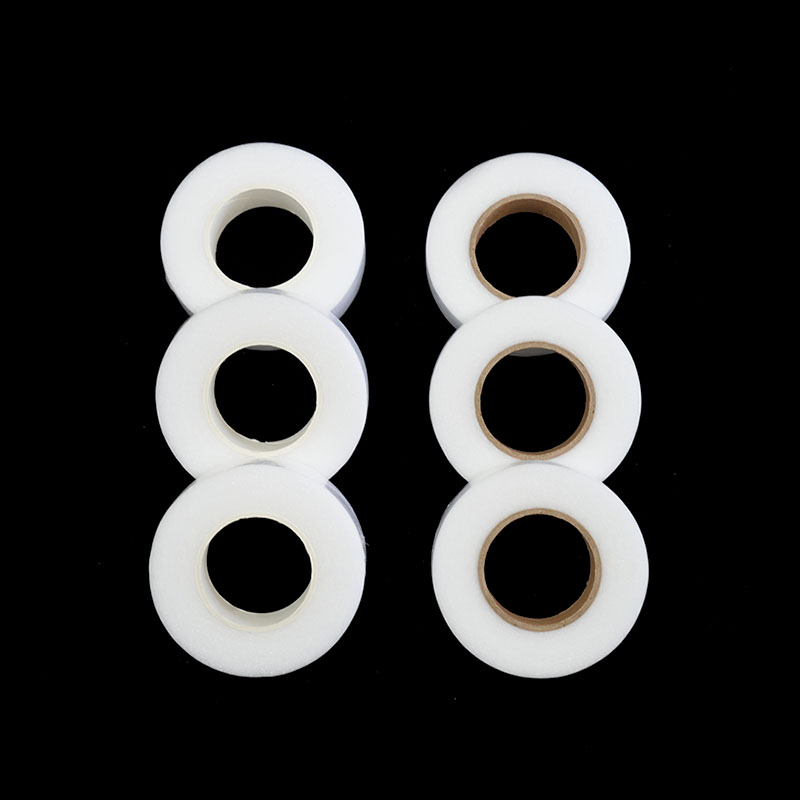
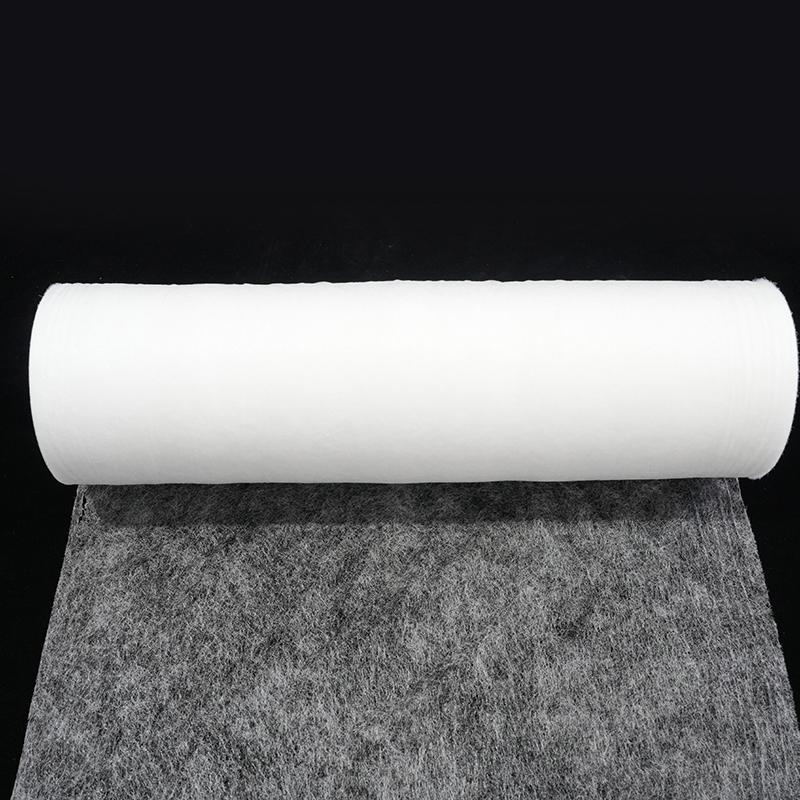
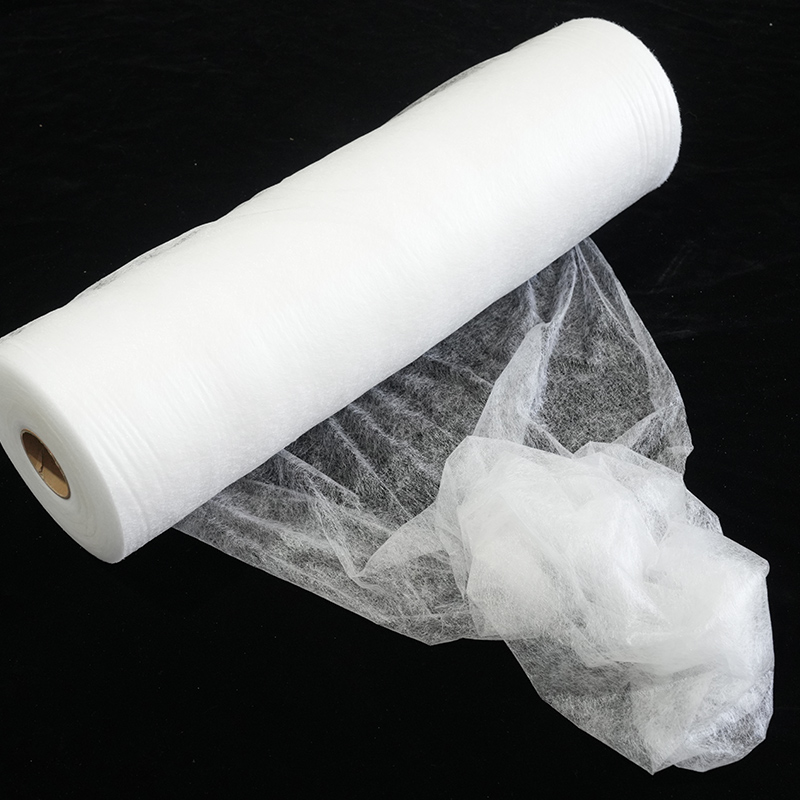
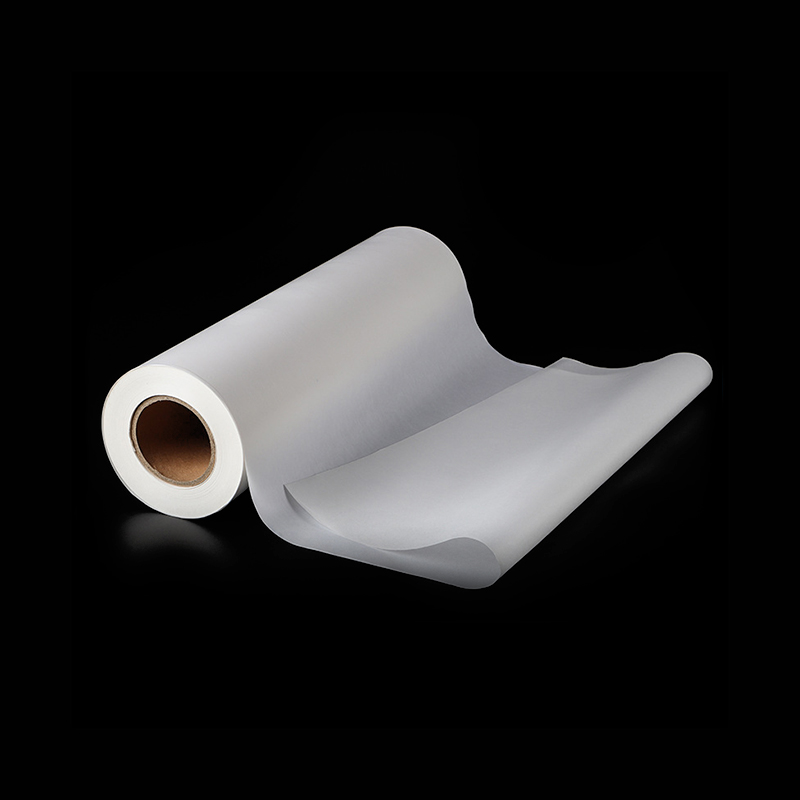
Web is a fibrous mesh that melts between two layers of fabric. Because it is open-structured, it keeps the hand feel flexible and allows airflow. PA webs are especially flexible and durable, making them popular for apparel and leather applications. For continuous production, you can buy a whole roll of PA hot melt adhesive web.
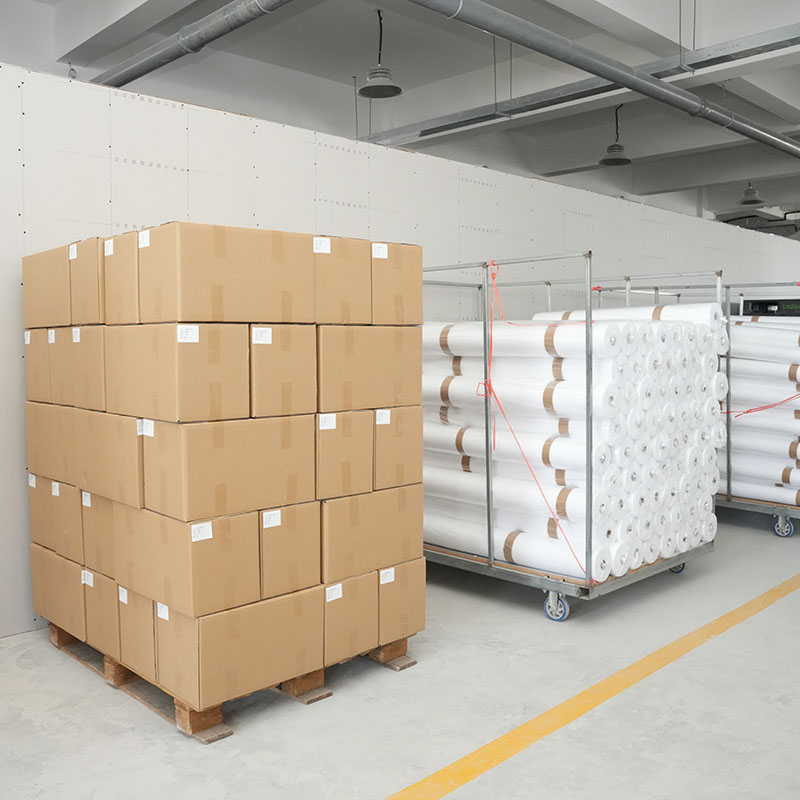 Wholesale Whole roll of PA hot melt adhesive web Supplier, FactoryNantong Feiang Composite Materials Co., Ltd. is China Whole roll of PA hot melt adhesive web manufacturer and wholesale Whole roll of PA ...View Product →
Hot Melt Adhesive Powder
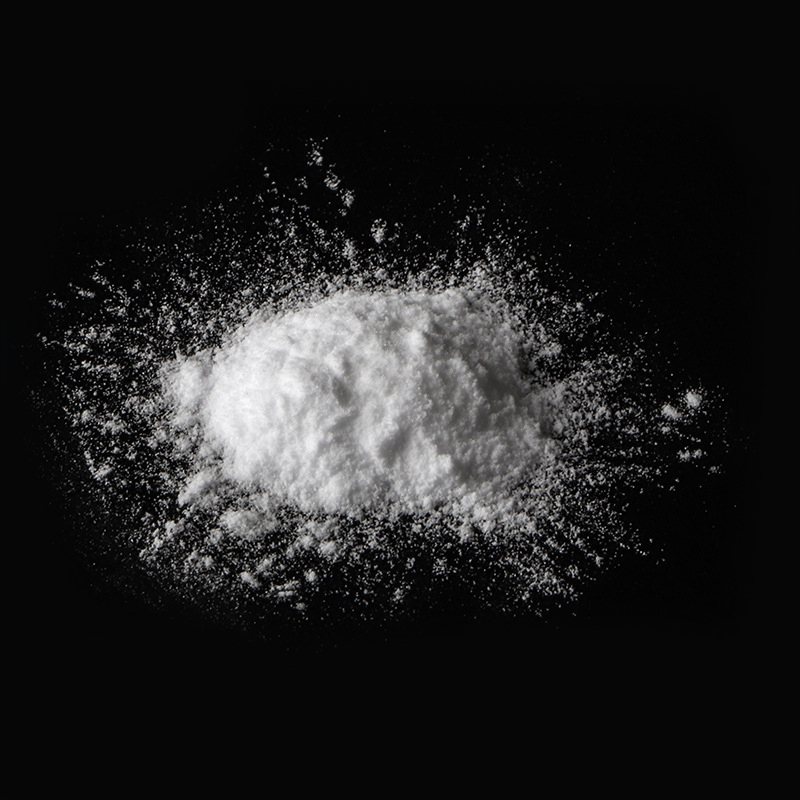
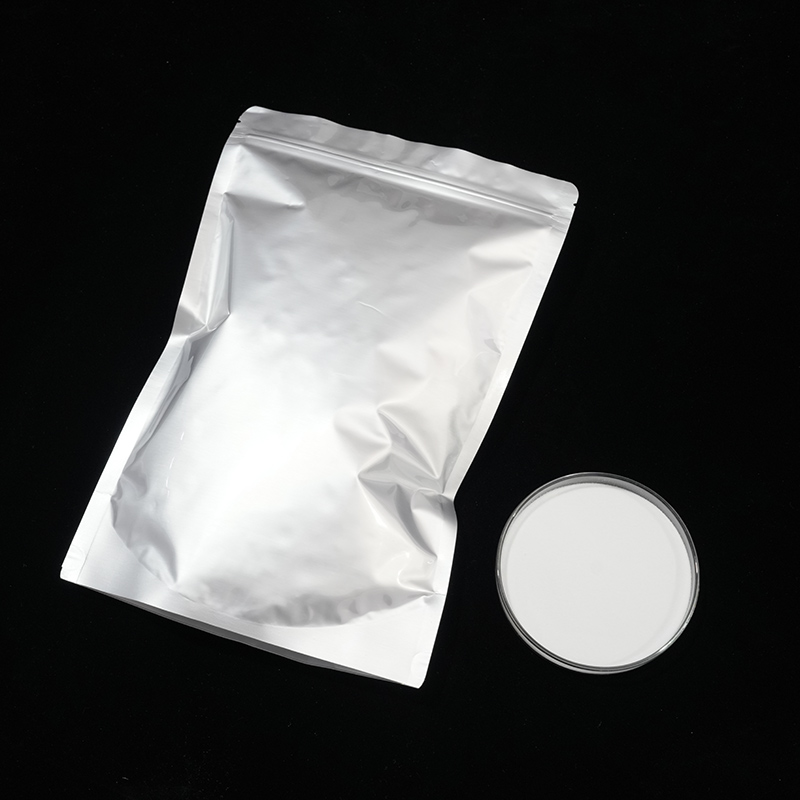
Powder is spread directly onto fabric and then heat activated. It is ideal for patterned or discrete adhesion, such as interlining dots or zipper tapes. A TPU hot melt adhesive powder gives good elasticity for activewear and waterproof garments.
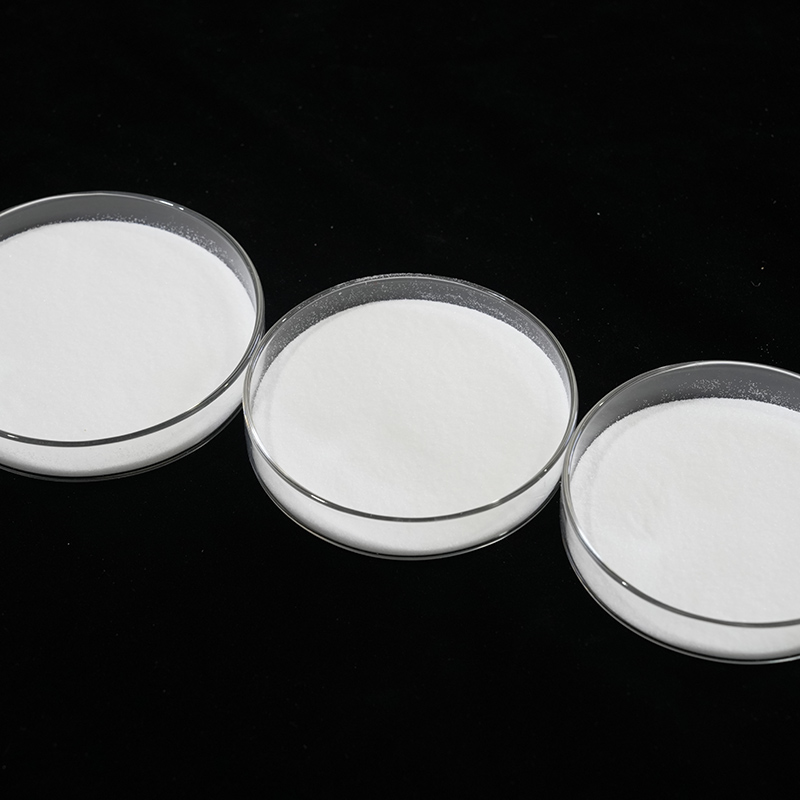 Wholesale TPU Hot melt adhesive powder Supplier, FactoryNantong Feiang Composite Materials Co., Ltd. is China TPU Hot melt adhesive powder manufacturer and wholesale TPU Hot melt adhesive powde...View Product →
Material Families and Their Performance
Beyond the form, the polymer type determines how the adhesive behaves during washing, heat exposure, and flexing. EVA, PA, PES, and TPU are the four most common families for fabric bonding. PES and TPU are frequently chosen for demanding textile work because they combine high strength with either high heat resistance or elasticity.
| Material | Heat Resistance | Flexibility | Wash Resistance | Typical Fabric Use |
|---|---|---|---|---|
| EVA | Low (softens around 70-90°C) | Fair | Low | Low-cost temporary bonding, labels |
| PA | Medium | High | Good dry-cleaning resistance | Interlinings, automotive fabric |
| PES | High | Medium | Very good in hot water | Permanent lamination, heat-resistant textiles |
| TPU | Medium-high | Very high elasticity | Good in warm water | Stretch fabrics, waterproof garments |
Use the material table as an initial filter, not a final specification. Actual performance depends on the additive package, coating weight, and the fabric surface finish. Ask your supplier for a recommendation and verify with a laminated test sample.
How to Choose the Right Hot Melt Adhesive for Fabric
The fastest path to a good bond is to define the production method and end-use conditions before selecting a material. Use the following checklist in order.
- Check fabric heat tolerance. Heat press temperatures typically range from 120°C to 180°C. If the fabric wrinkles, melts, or shrinks below the adhesive activation temperature, you need a low-melt EVA or a specially formulated PA.
- Determine flexibility requirements. Stretch fabrics need TPU or a flexible PA web. A rigid PES film will restrict stretch and cause premature peel.
- Specify washing and cleaning conditions. Frequent hot-water washing favors PES. Dry cleaning, common in tailored garments, favors PA. TPU is a good middle ground for sportswear that must stay flexible after multiple washes.
- Consider production equipment. Film works on flat-bed heat presses. Web suits continuous lamination with heated rollers. Powder works on scattering lines that require precise dot patterns.
- Test bond strength and appearance. Run a trial with the actual substrate and process settings. Factors that affect the bonding strength of hot melt adhesive web include coating weight, temperature, pressure, and dwell time. Use these variables to create a repeatable process window.
Common Fabric Applications
Hot melt adhesives are used wherever fabric must be bonded to itself or to another layer without stitching. Each application has a different performance priority.
- Apparel interlining: Thin PA or PES webs create clean chest, collar, and cuff reinforcements without adding bulk.
- Automotive interiors: Door panels, pillar covers, and headliners rely on heat-stable films and webs to maintain shape at high cabin temperatures.
- Shoe materials: TPU film and powder bond synthetic uppers and linings while keeping the shoe flexible and lightweight.
- Leather goods: PA webs can replace some sewing on linings and pockets, reducing production time and leaving a smoother surface.
- Technical textiles: Filter fabrics and medical textiles use PES and TPU adhesives for high strength and clean-room cleanliness.
For a more complete picture, see how we approach textile fabric bonding in industrial settings.
Practical Tips for a Repeatable Fabric Bond
The best adhesive in the world will fail if heat, pressure, and dwell time are wrong. Start with the adhesive supplier's recommended processing window, then adjust based on fabric thickness and surface coating.
- Pre-dry hydrophilic fabrics before lamination; moisture creates steam bubbles in the bond line.
- Use a release sheet between the heat press platen and the fabric to prevent adhesive transfer.
- Allow bonded parts to cool under pressure until the adhesive has set enough to resist peel.
- For delicate fabrics, test the lowest temperature that still yields a full bond, not the highest temperature the fabric can tolerate.
- Keep the adhesive storage area dry and dust-free. Films and webs with backing paper should be stored flat to avoid wrinkles.
Frequently Asked Questions
Can hot melt adhesive for fabric replace sewing?
Yes, for many edge joining and lamination tasks, it can replace or reduce stitching. The bond is continuous and can be stronger than a thread seam, especially on nonwoven or coated fabrics. For areas that see high shear stress, such as the side seam of a heavy jacket, a hybrid approach of adhesive plus stitching is often more reliable.
How do I activate hot melt adhesive film without burning the fabric?
Use a heat press with accurate temperature control, a thin release layer, and the shortest dwell time that gives a full melt. Check the activation temperature of the specific film; PES films usually require higher temperatures, while EVA films are designed for low-heat fabrics.
Is a hot-melt-bonded fabric washable?
It depends on the polymer. PES films withstand hot-water washing well. PA webs resist dry cleaning. TPU products work for washable stretch garments if the washing temperature stays below the adhesive softening range. Always test a sample with your exact detergent and drying cycle before production.
Selecting the right hot melt adhesive for fabric is not a one-size-fits-all decision. Define the substrate, processing temperature, flexibility, and wash resistance first. Then compare film, web, and powder formats against that specification. A short test with the actual materials will almost always reveal which adhesive family and format is the best fit for your production line.


Contact Us