English
 中文简体
中文简体 Español
 عربى
عربى
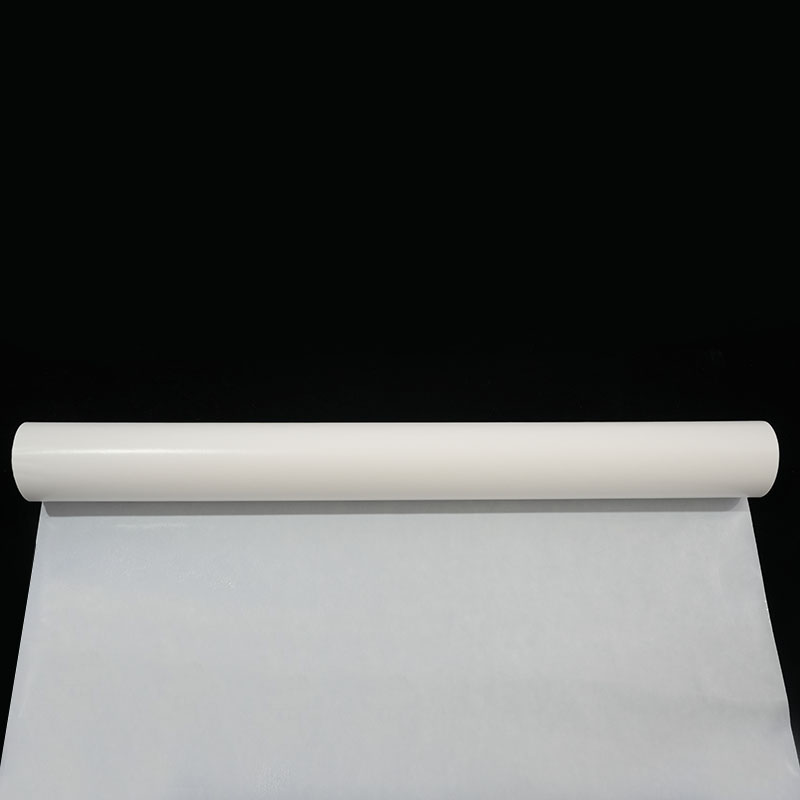
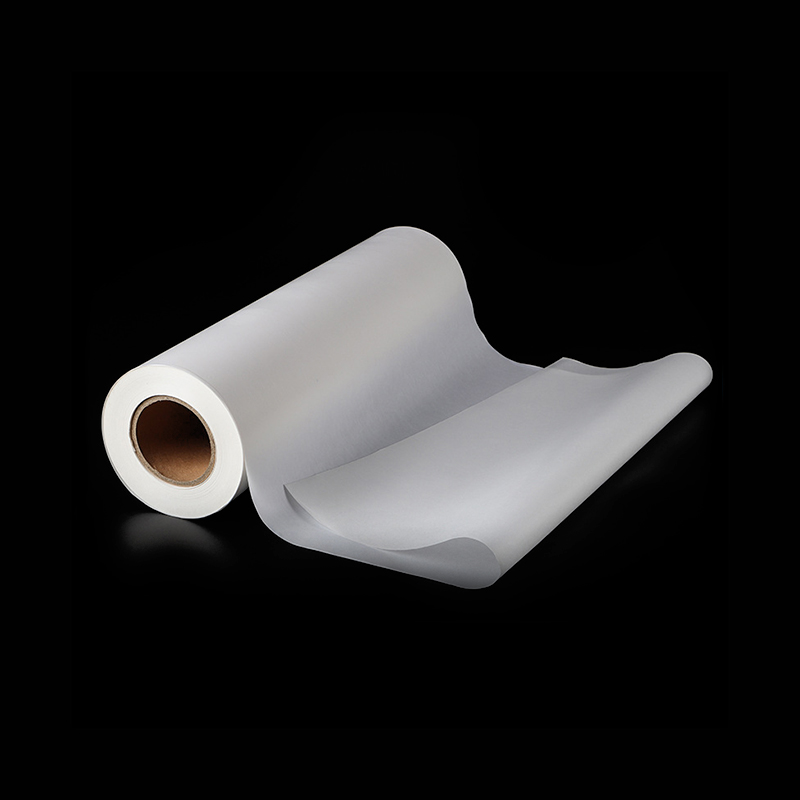
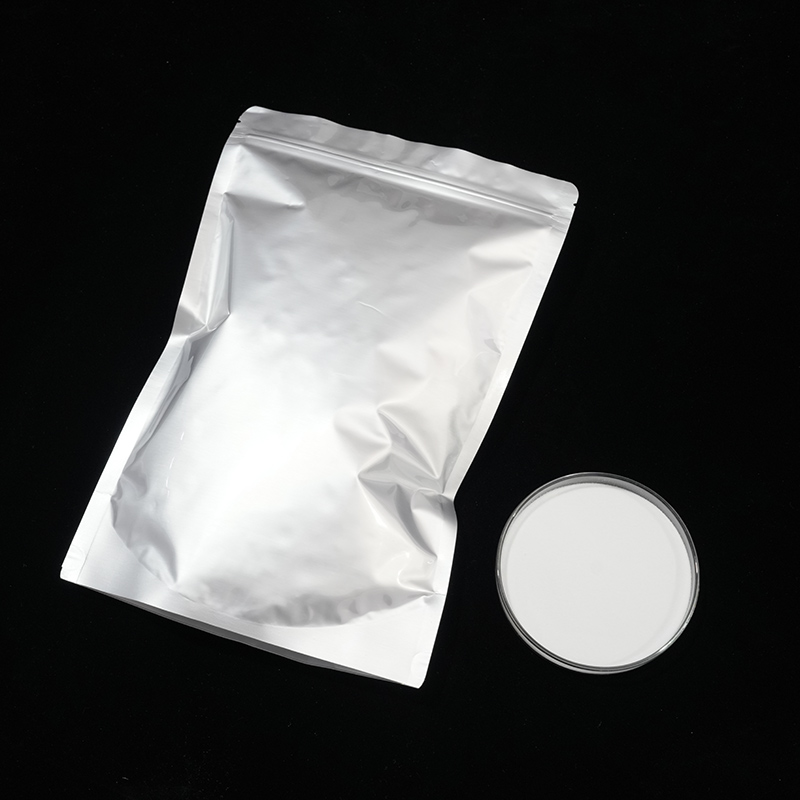
Whole roll (mother roll) PA hot melt adhesive web
Product Introduction: The whole roll (mother roll) TPU hot melt adhesive web, as a thermoplastic polyurethane (TPU) material that integrates high perf...
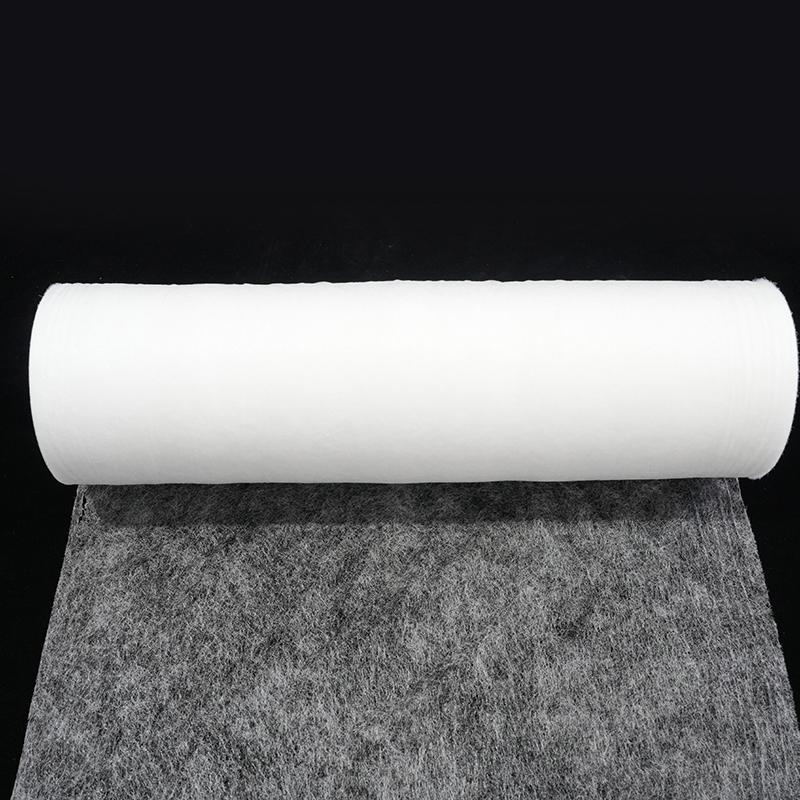
Product Introduction: The whole roll (mother roll) TPU hot melt adhesive web, as a thermoplastic polyurethane (TPU) material that integrates high perf...

For most perfect binding lines, the answer is simple: use an EVA-based hot melt adhesive for the spine, and switch to PUR only when you need extra flexibility for coated papers or heavy book blocks. EVA hot melt adhesi...
READ MOREA shoe plant moved its toe-cap laminator from EVA mesh to a copolyamide web and lost part of its line speed the same afternoon. The bond was stronger, the machine was not. Nothing about the material changed except its ...
READ MOREA bonded jacket shell that passes a 20 °C peel test in the lab can still bubble along the collar after five home washes. In most factories that failure gets blamed on the laminating machine, the operator, or the fabric...
READ MORETPU hot melt adhesive web (also referred to as thermoplastic polyurethane mesh film or TPU adhesive nonwoven web) is a category of thermoplastic bonding material produced by extruding or melt-blown processing of polyurethane resin into an open-mesh or web structure. Unlike solid TPU films, the mesh configuration provides controlled adhesive coverage, breathability, and flexibility, making it suitable for lamination and bonding applications where full-surface adhesion is undesirable or impractical.
At Nantong Feiang Composite Materials Co., Ltd., TPU mesh film is one of the core product lines alongside EVA, PA, and PES variants. The material is manufactured using advanced polymer formulation and precision extrusion processes to deliver consistent basis weight, melt flow characteristics, and mechanical performance across production batches.
Thermoplastic polyurethane is a block copolymer composed of alternating hard segments (typically derived from diisocyanate and chain extender) and soft segments (polyol-based). The ratio and chemical nature of these segments govern the final material properties:
The melt flow index (MFI) and Shore hardness are two primary parameters that define the processability and end-use behavior of the web. Typical Shore A hardness for adhesive web grades ranges from 70A to 95A, depending on the intended substrate and bonding requirement.
The production of TPU adhesive web generally follows one of two primary processes:
Melt-blown process: TPU granules are melted and extruded through a die with numerous fine nozzles. High-velocity hot air streams attenuate the molten polymer into fine fibers, which are collected on a moving belt to form a random web. This method yields lightweight, uniform webs with high surface area and good conformability.
Spunbond or bicomponent process: Used for coarser or structured webs where specific fiber diameter and web geometry are required. Bonding points within the web can be thermally calendered or remain unbonded for greater loft.
Key process parameters including die temperature, air pressure, collector distance, and line speed directly determine the basis weight (g/m²), fiber diameter, pore size distribution, and resulting adhesive coverage ratio of the finished web.
| Parameter | Typical Range | Significance |
| Basis Weight | 5 – 100 g/m² | Determines adhesive amount per unit area |
| Melting Point | 80 – 180 °C | Defines activation temperature for bonding |
| Shore Hardness | 70A – 95A | Affects flexibility and peel strength |
| Peel Strength | ≥ 2 N/cm (grade-dependent) | Measures bond durability |
| Width | Customizable, typically up to 160 cm | Adapted to lamination line requirements |
| Property | TPU Web | EVA Web | PA Web | PES Web |
| Elasticity | Excellent | Moderate | Low | Low–Moderate |
| Washing Resistance | High | Low–Moderate | High | High |
| Activation Temp. | 80 – 160 °C | 70 – 120 °C | 120 – 180 °C | 100 – 160 °C |
| Breathability | Good (mesh structure) | Good (mesh structure) | Good (mesh structure) | Good (mesh structure) |
| Cost Level | Higher | Lower | Moderate–High | Moderate |
Note: Values are indicative ranges. Actual performance depends on specific grade and application conditions.
Apparel and Textile Lamination: TPU adhesive web is widely used for bonding fabric layers in sportswear, functional outerwear, and elastic waistbands. The web structure preserves fabric breathability and stretch recovery, which is critical for performance garments. It is also used in interlining bonding within structured garment panels.
Footwear Manufacturing: In shoe material processing, TPU web provides durable bonding between upper components, reinforcement layers, and insoles. Its flexibility and resistance to repeated mechanical stress make it a reliable choice in footwear assembly. Nantong Feiang's product range supports various shoe material processing requirements across different shoe types.
Automotive Interiors: Interior trim parts, headliners, door panels, and seat components commonly incorporate TPU web for laminating fabric or foam to rigid or semi-rigid substrates. Requirements in this sector include heat resistance, low odor emission, and long-term bond durability under temperature cycling.
Furniture Manufacturing: TPU mesh films are used in upholstery lamination, edge banding adhesion, and fabric-to-substrate bonding. The elastic nature of TPU accommodates curved surfaces without adhesive cracking or delamination.
Technical Textiles and Filtration: Due to its chemical resistance and structural integrity after bonding, TPU web finds application in filtration media assembly and technical textile construction where conventional adhesives may degrade.
Craft Accessories and Thermal Transfer: Decorative lamination and heat-transfer applications utilize low-basis-weight TPU webs that can be activated at moderate temperatures with standard heat press equipment.
Successful bonding with TPU hot melt adhesive web depends on three primary process variables: temperature, pressure, and time. General guidance for flat-bed or roller lamination processes:
Substrate compatibility should be evaluated prior to production-scale lamination, particularly for low-surface-energy substrates such as certain polyolefins or silicone-treated materials.
TPU adhesive web should be stored in sealed packaging in a cool, dry environment, away from direct sunlight and sources of heat. Recommended storage conditions are typically below 30°C and below 65% relative humidity. Prolonged exposure to moisture may cause partial hydrolysis in polyester-based grades, affecting adhesive performance. Rolls should be stored horizontally or on appropriate cores to prevent deformation.
Q: What is the difference between TPU adhesive web and TPU film?
A TPU film is a continuous, solid sheet of polyurethane that provides full-surface adhesion and acts as a barrier layer. A TPU adhesive web is an open-mesh or fibrous structure that provides partial adhesive coverage, retaining air and moisture permeability of the bonded substrate assembly.
Q: Is TPU hot melt adhesive web washable?
Most TPU web grades exhibit good resistance to repeated laundering when bonded correctly. The specific number of wash cycles a bond withstands depends on the grade selected, substrate combination, and bonding process parameters. Testing under end-use washing conditions is recommended before commercial application.
Q: Can TPU web bond dissimilar substrates?
Yes. TPU adhesive web is compatible with a range of substrates including woven and knitted fabrics, nonwovens, foam, leather, and certain rigid panels. Bond strength on low-energy surfaces may require surface pretreatment or selection of a specifically formulated grade.
Q: What basis weight should be selected for a given application?
Lower basis weights (5–20 g/m²) are appropriate where minimal adhesive add-on is required and substrate breathability must be preserved. Higher basis weights (30–100 g/m²) are used when greater bond strength or gap-filling is needed. Selection should consider the substrate porosity, surface texture, and required peel strength.
Q: Does Nantong Feiang offer customized specifications?
Yes. The company works with customers to develop specific formulations, basis weights, and roll dimensions to match their production line requirements and performance specifications, based on documented application requirements.