


 English
 中文简体
中文简体 Español
 عربى
عربى
A bonded jacket shell that passes a 20 °C peel test in the lab can still bubble along the collar after five home washes. In most factories that failure gets blamed on the laminating machine, the operator, or the fabric supplier. It is nearly always a chemistry decision made too early, on the basis of the face fabric alone.
The short answer: choose a hot melt adhesive for textile lamination by working through five inputs in a fixed order — the second substrate, the adhesive form your line can actually run, the bonding window the fabric can survive, the harshest condition the finished laminate will meet, and the data the supplier can prove. When those five line up, a mid-priced grade usually outperforms a premium adhesive applied to the wrong surface.
Those five inputs are:
- Substrate pair — what the fabric is being bonded to, and whether that surface is coated, laminated or treated.
- Adhesive form — film, web, powder or granule, chosen to fit the application method on your line.
- Bonding window — the temperature, pressure and dwell time your fabric can tolerate without damage.
- End-use conditions — wash cycles, dry cleaning, heat aging, humidity and mechanical flexing.
- Verifiable data — melt flow rate, activation window, add-on weight and wash-test results, not verbal assurances.
Content
- What a Hot Melt Adhesive for Textile Lamination Actually Is
- Start With Chemistry: EVA, PA, PES or TPU
- Step 1: Define the Bonding Pair, Not Just the Face Fabric
- Step 2: Match the Adhesive Form to the Lamination Method
- Step 3: Set the Bonding Window Around the Fabric, Not the Adhesive
- Step 4: Test Under End-Use Conditions, Not Just Room Temperature
- Step 5: Ask for Data Before You Ask for Price
- Common Textile Lamination Failures and Their Root Causes
- Frequently Asked Questions
What a Hot Melt Adhesive for Textile Lamination Actually Is
A hot melt adhesive for textile lamination is a 100 percent solid, solvent-free thermoplastic polymer supplied as a film, web, powder or granule, which melts under heat and pressure, wets both surfaces, and re-solidifies on cooling to form the bond. There is no water or solvent to dry off, so the bond forms in seconds rather than hours.
Textiles are a demanding substrate for this class of adhesive because four requirements pull against each other. The bond has to hold through repeated laundering, but the adhesive must stay soft enough that the laminate keeps its drape. It has to survive heat, but elastane, thin knits and PU membranes can be damaged by the temperatures that many adhesives need. It has to bond reliably, but on a 60 g/m² lining even a few grams per square metre of extra adhesive is visible as a stiff patch.
That tension is why the same adhesive rarely fits two different textile jobs, and why selection has to start with chemistry rather than with price or availability.
Start With Chemistry: EVA, PA, PES or TPU
Chemistry, not price, sets the performance ceiling of a textile lamination bond. The four polymer families used most often differ far more in wash resistance, hand feel and activation temperature than they do in cost.
| Chemistry | Activation range | Hand feel | Wash and heat resistance | Typical textile jobs |
|---|---|---|---|---|
| EVA | 70–95 °C | Soft, slightly waxy | Moderate; usually limited to low-temperature washes | Nonwovens, foam to fabric, temporary tacking, low-cost interlinings |
| PA (polyamide) | 110–140 °C | Dry and flexible | Good, including dry-clean cycles | Outerwear shells, coated fabrics, leather goods, footwear |
| PES (copolyester) | 110–150 °C | Crisp to moderately soft | Very good, especially hydrolysis-resistant grades | Shirt interlinings, technical textiles, filtration media, packaging |
| TPU | 100–130 °C | Soft, elastic, recovers well | Good; stays flexible at low temperature | Stretch fabrics, membranes, elastic trims, sportswear |
If the finished product will be laundered often, begin with PES or PA rather than EVA. If the laminate has to stretch and recover with the garment, begin with TPU. EVA earns its place where the bond is light-duty, the process runs cool, and cost per square metre matters more than wash durability.
Step 1: Define the Bonding Pair, Not Just the Face Fabric
The second substrate — foam, membrane, knit, coating or film — decides the chemistry more often than the visible fabric does. A nylon shell bonded to a thin tricot behaves completely differently from the same shell bonded to a 3 mm PU foam, even though the face fabric is identical.
- Nylon or polyester to spandex: the bond must stretch without cracking the adhesive layer, so a soft, elastic grade is required.
- Face fabric to PU or TPU membrane: keep activation temperature low enough to protect the membrane, and check for plasticiser migration.
- Woven shell to foam: expect a thicker bond line and a higher add-on weight to bridge the foam surface.
- Coated or water-repellent fabric to anything: surface energy drops sharply, and the melt may refuse to wet out at all.
- Leather or coated split to lining: dry-clean resistance usually matters more than home wash resistance.
Water-repellent and coated surfaces are the most common source of "no bond" complaints. In practice, a PA grade with better wetting behaviour, applied after a light corona or plasma treatment, solves more of these cases than simply raising the temperature. You can see the wider set of downstream bonding pairs on the textile fabric lamination applications page.
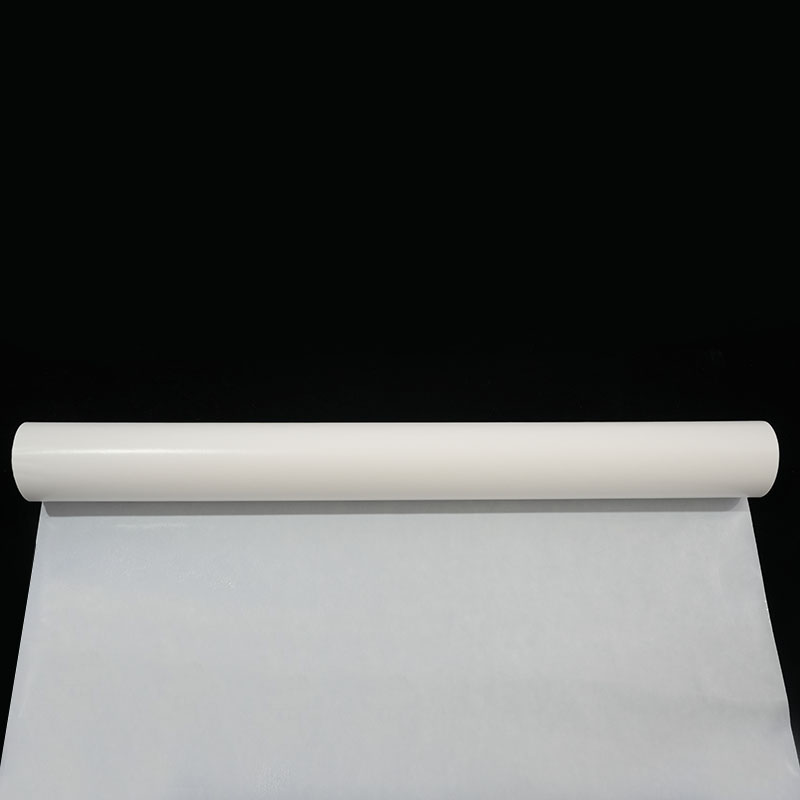
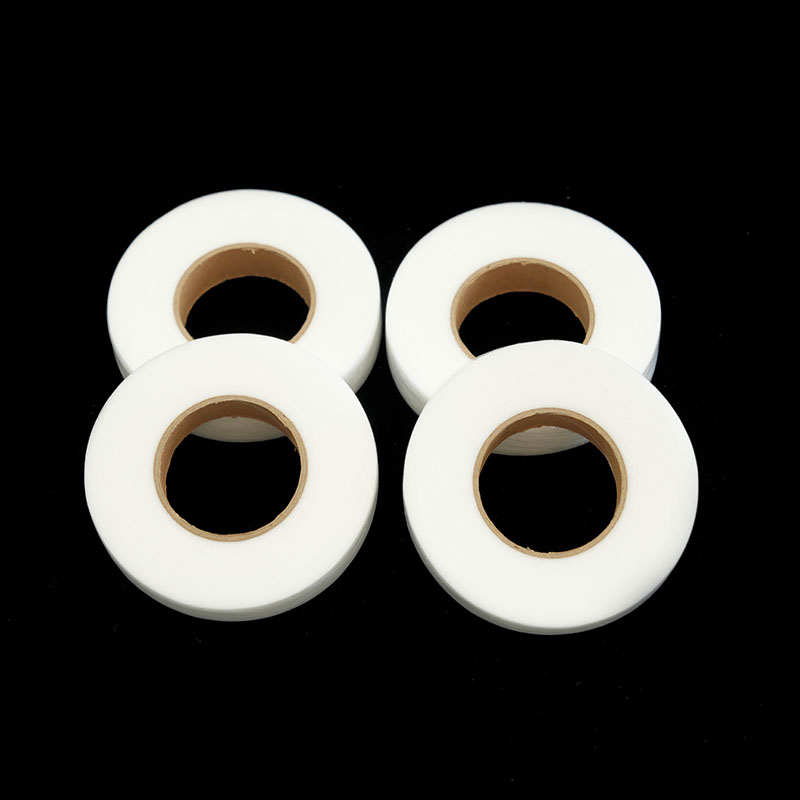 PA Hot Melt Adhesive Web ManufacturersConventional cutting disc PA hot melt adhesive web Product Introduction: Conventional cutting disc PA hot melt adhesive web is a hot melt adhesive material manufacture...View Product →
Step 2: Match the Adhesive Form to the Lamination Method
Pick the form your line can run before you pick the grade, because form determines coverage, breathability and how much process control you need. A film and a powder of the same polymer are not interchangeable in production.
| Form | Typical application method | Add-on weight | Where it wins |
|---|---|---|---|
| Hot melt film, with or without release paper | Flat-bed press, continuous calender, roll laminator | 20–200 g/m² | Full-surface bonding, uniform thickness, simple process control |
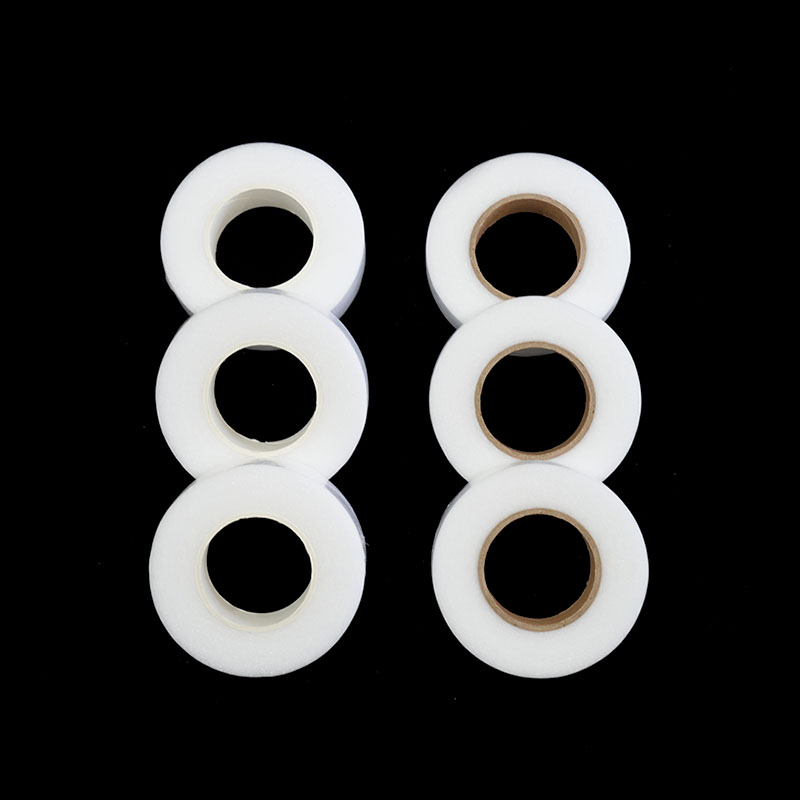
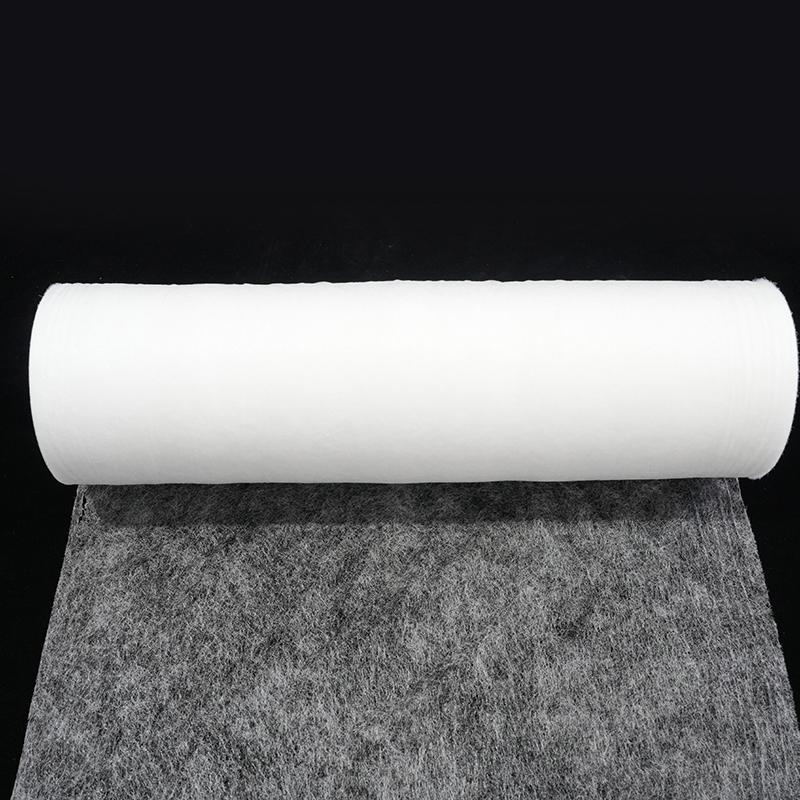
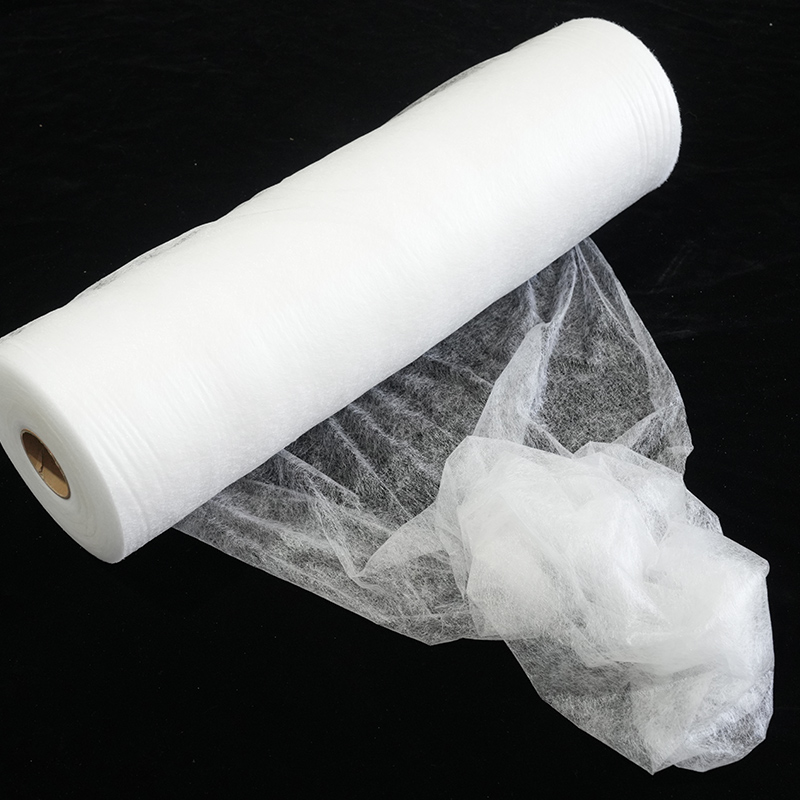
| Hot melt web (mesh) | Calender, hot-air oven, flat-bed press | 8–60 g/m² | Breathable laminates, soft hand feel, low add-on, point bonding |
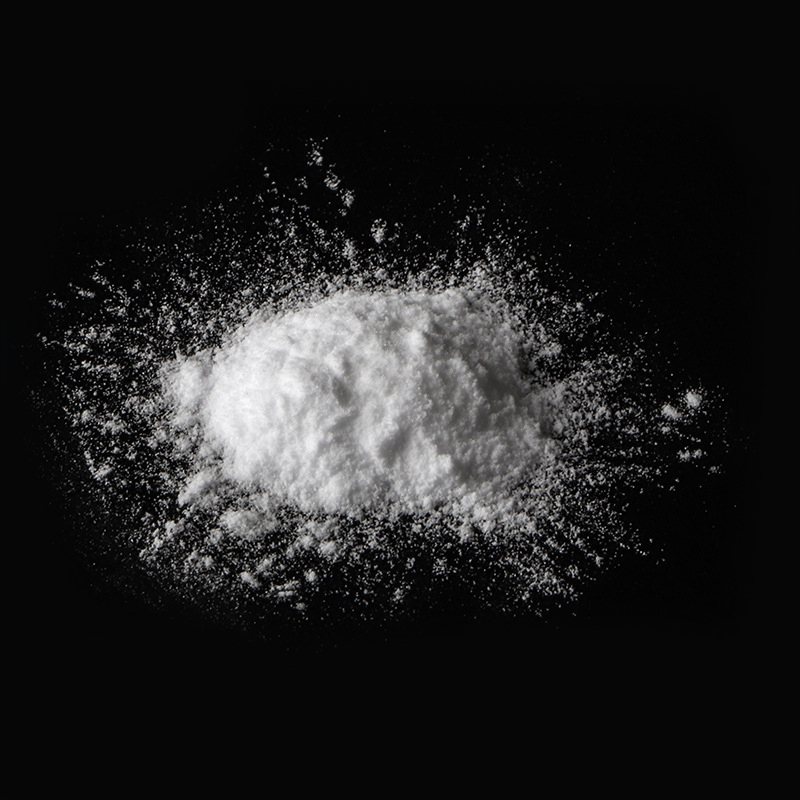
| Hot melt powder | Scatter coating, powder-dot printing | 8–30 g/m² | No visible glue line, high breathability, interlining production |
| Granules and pellets | Extrusion coating, nozzle and dot application | Process-dependent | High line speeds, structured dot patterns |
Scatter-coated powder is the usual answer when the customer cannot see or feel any adhesive line, and when the laminate must still breathe after bonding. A copolyester grade is often the safest starting point for laundered interlinings because it combines low add-on with strong hydrolysis resistance.
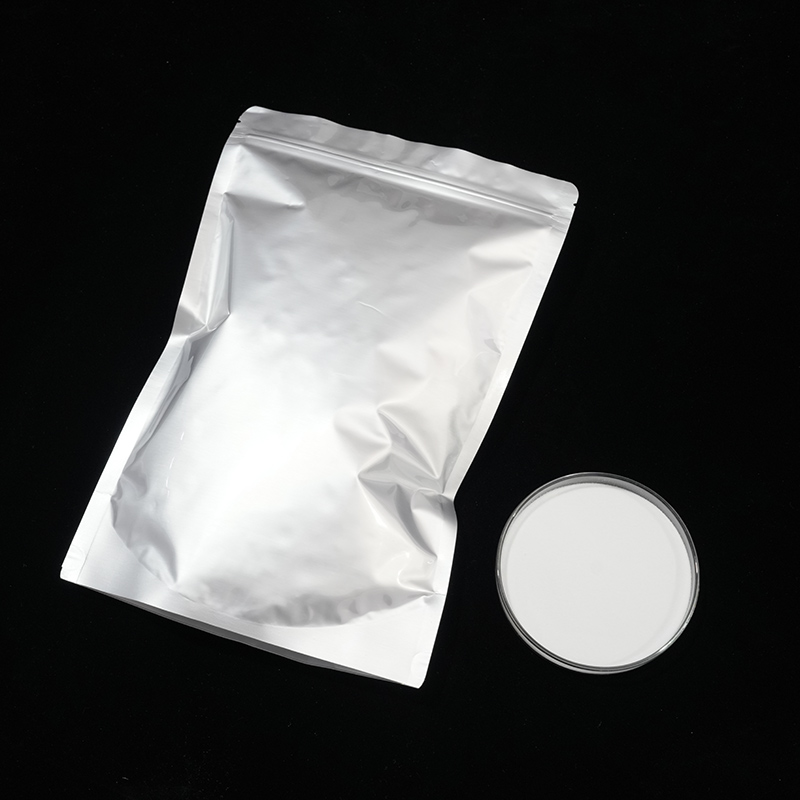
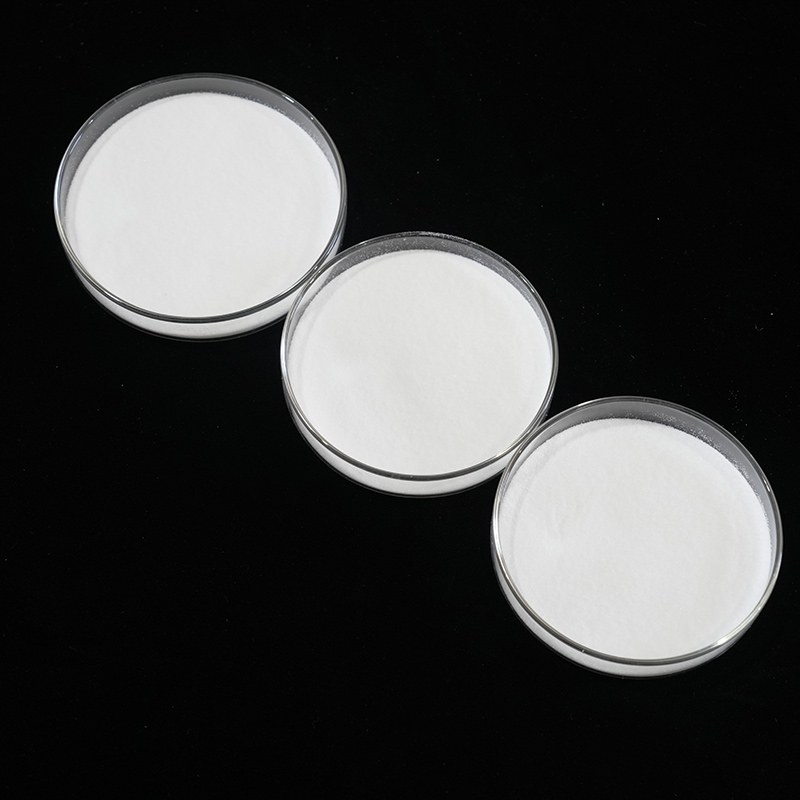 PES Hot melt adhesive powderProduct Introduction: PES hot melt adhesive powder is a new type of polymer environmentally friendly hot melt adhesive produced through polymerization reaction. As a p...View Product →
Step 3: Set the Bonding Window Around the Fabric, Not the Adhesive
The adhesive should reach its activation window with the shortest possible exposure of the fabric to heat. Raise the temperature only until the bond is complete, then stop — extra heat buys nothing and damages elastane, membranes and surface finishes.
- Keep elastane blends and PU membranes below roughly 140 °C wherever the adhesive grade allows it.
- Typical flat-bed settings for web bonding sit at 0.2–0.4 MPa (2–4 bar) with 8–20 seconds of dwell, adjusted for fabric weight.
- Watch roller-face tolerance: a variation of more than ±5 °C across the working width produces one weak edge and one over-bonded edge.
- Increase line speed before increasing temperature when output needs to rise, then re-check peel strength.
Where the fabric is heat-sensitive but the bond still has to stretch, a thin elastic film with release paper gives more control than a heavy web, because the release layer lets you handle and position the adhesive without pre-tacking.
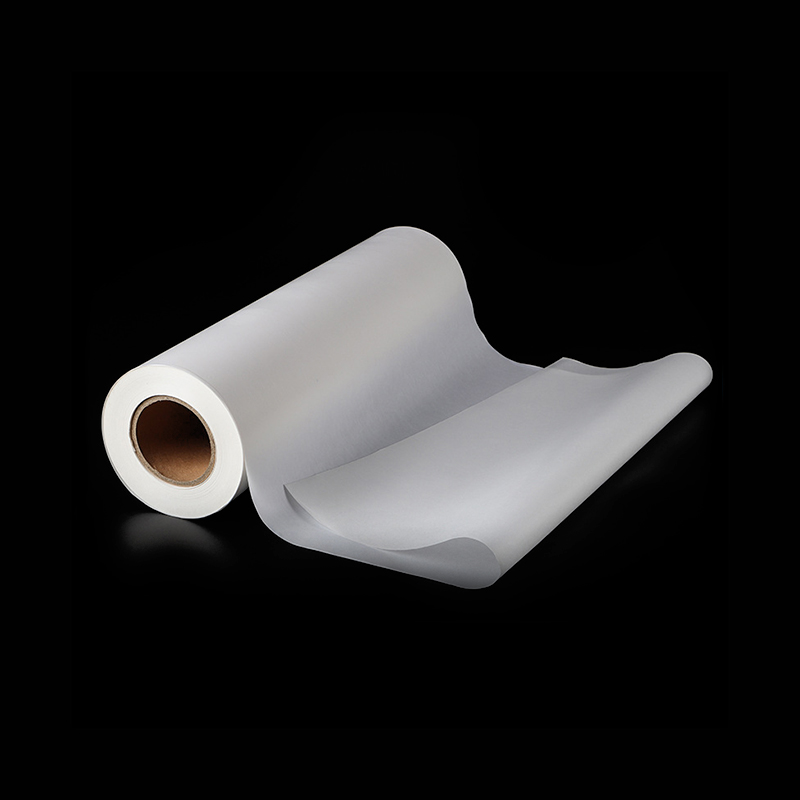
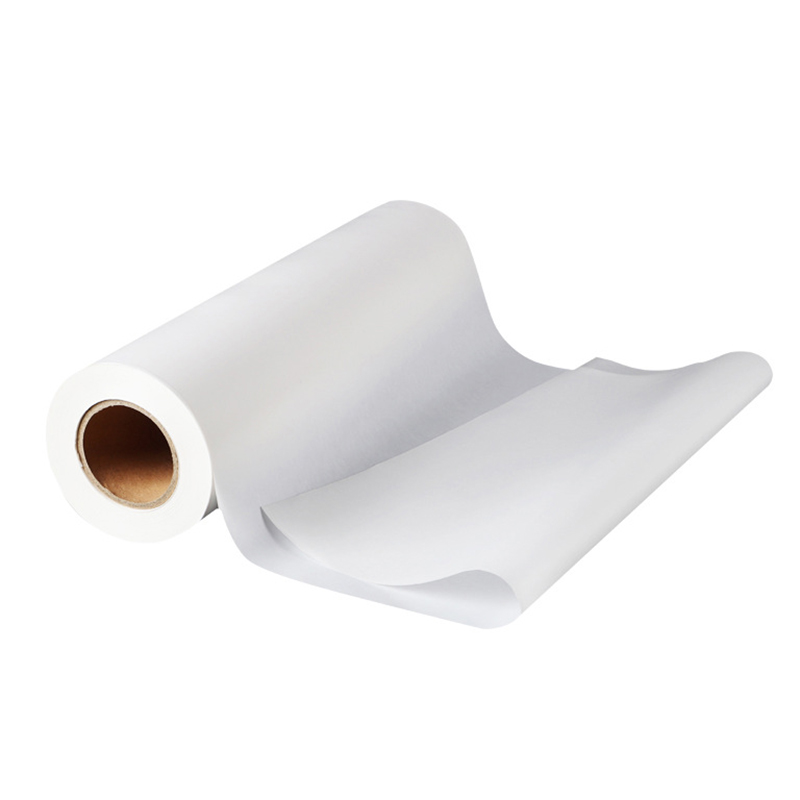 TPU hot melt adhesive film with backing paper elasticityProduct Introduction: This TPU hot melt adhesive film with backing paper elasticity has environmentally friendly adhesive properties, which not only pursue efficient b...View Product →
Step 4: Test Under End-Use Conditions, Not Just Room Temperature
Room-temperature peel data is a screening tool, not evidence. A grade that reaches 8 N/25 mm on the bench and 1 N/25 mm after three washes has failed, and only washing will reveal it.
- T-peel tests (for example ISO 11339 or ASTM D1876) at 23 °C as a baseline.
- Repeat the peel test after five home washes at 40 °C plus tumble drying, which is the realistic worst case for apparel.
- Add a 60 °C industrial wash cycle for workwear, uniforms and rental textiles.
- Run three dry-clean cycles where the garment or accessory will be dry cleaned.
- Add heat aging — commonly 24 hours at 70 °C — for automotive interiors and any component exposed to sunlight.
- Add a humidity or hydrolysis check for tropical shipping and storage.
If results vary between runs on the same settings, the cause is usually process rather than polymer; the factors that affect bonding strength are worth reviewing before you change grade.
Step 5: Ask for Data Before You Ask for Price
A supplier who cannot send a data sheet with melt flow rate, activation window and wash-test results will cost more in trial runs than any price difference on the invoice. Request the following before committing to a bulk order:
- Melt flow rate or viscosity at a stated temperature, so you can predict flow at your line speed.
- Minimum and maximum activation temperature with recommended dwell time.
- Add-on weight range with peel strength measured at each end of that range.
- Peel strength before and after laundering, with the wash cycle described in detail.
- Roll or sheet dimensions, thickness tolerance and release-paper specification.
- Compliance documents for the destination market, plus shelf life and storage conditions.
Common Textile Lamination Failures and Their Root Causes
Most lamination problems fall into five repeatable patterns, and each one points back to a decision made at the selection stage rather than at the machine.
| Failure | Usual root cause | Corrective action |
|---|---|---|
| Delamination after a few washes | Low-wash-resistance chemistry used on a laundered product | Move to a PES or PA grade, then re-test after five washes |
| Stiff, boardy hand feel | Excessive add-on weight, or full-surface film where a web would work | Reduce add-on weight; switch to a web or powder form |
| Adhesive bleed-through to the face | Viscosity too low or roller pressure too high | Select a higher-viscosity grade and lower the pressure |
| No bond on coated or water-repellent fabric | Surface energy too low for the melt to wet out | Add corona or plasma treatment, or choose a grade with better wetting |
| Smoke, odour and unstable bonding | Temperature overshoot in the melt tank, oven or roller | Tighten temperature control and re-check dwell against line speed |
Frequently Asked Questions
What is the best hot melt adhesive for textile lamination?
There is no single best grade. PES and PA are the strongest general choices for laundered or dry-cleaned textiles, while TPU is the best starting point wherever the laminate has to stretch and recover. The right answer is the grade that matches your substrate pair, your bonding window and your end-use conditions.
Can EVA hot melt adhesive be used for textile lamination?
Yes, and it is often the most economical option for nonwovens, foam-to-fabric bonding and temporary tacking. Its limitation is durability: EVA bonds usually suit low-temperature washes and light-duty products rather than frequently laundered garments.
How much adhesive does a textile laminate need?
Enough to form a continuous bond line at the stress points and no more. Webs commonly run at 8–60 g/m² and powders at 8–30 g/m², while full-surface films start around 20 g/m². Increasing add-on weight raises peel strength up to a point, then mainly adds stiffness and cost.
Why does a laminated textile fail after washing?
Three causes dominate: an adhesive chemistry with insufficient wash resistance, water penetrating the bond line through an open edge, and mechanical flexing that fatigues a bond already weakened by heat or detergent. Correct chemistry and a properly closed edge solve most cases.
Can hot melt adhesives bond coated or water-repellent fabrics?
They can, but the surface usually needs help. Water-repellent finishes and coatings lower surface energy so the melt cannot wet out. Corona or plasma treatment, a lower line speed to extend wetting time, or a polyamide grade with better wetting behaviour will normally restore a reliable bond.
Choosing a hot melt adhesive for textile lamination comes down to filtering candidates through five questions in order: what is the second substrate, what form can the line run, what heat can the fabric survive, what conditions will the finished product meet, and what test data can the supplier show. Answer those before price enters the conversation, and the sample stage stops being a guessing game. Send your substrate pair, add-on target and wash requirement to a supplier who will confirm them against measured values — that single step prevents most of the failures described above.



Contact Us