English
 中文简体
中文简体 Español
 عربى
عربى
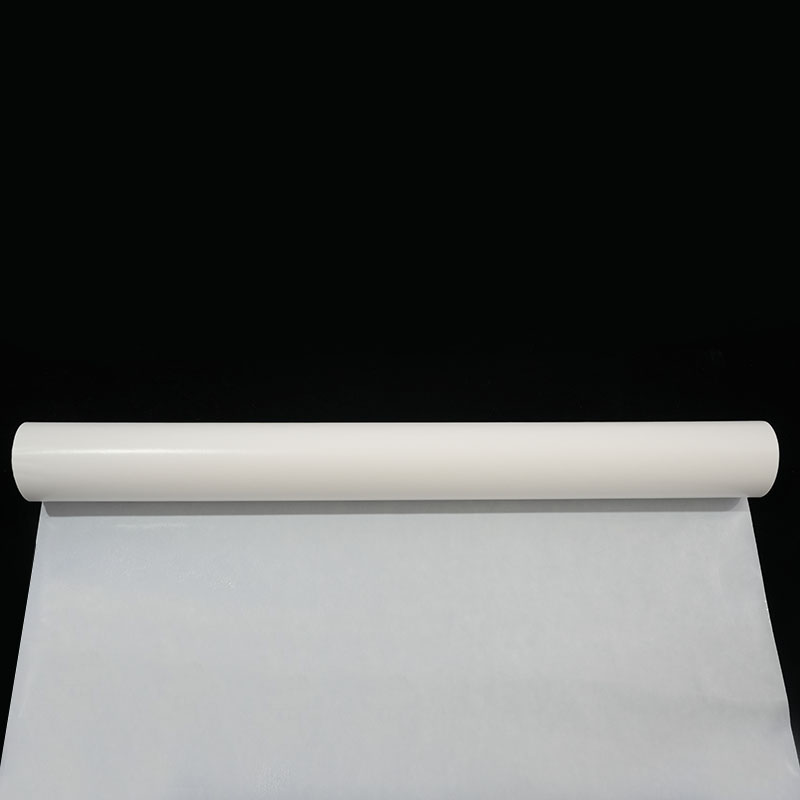
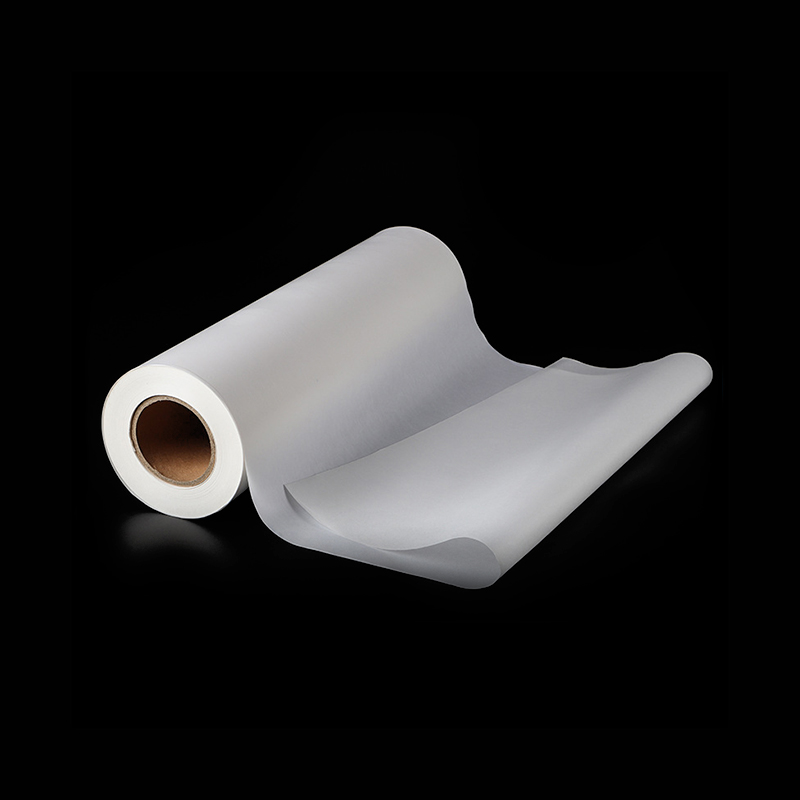
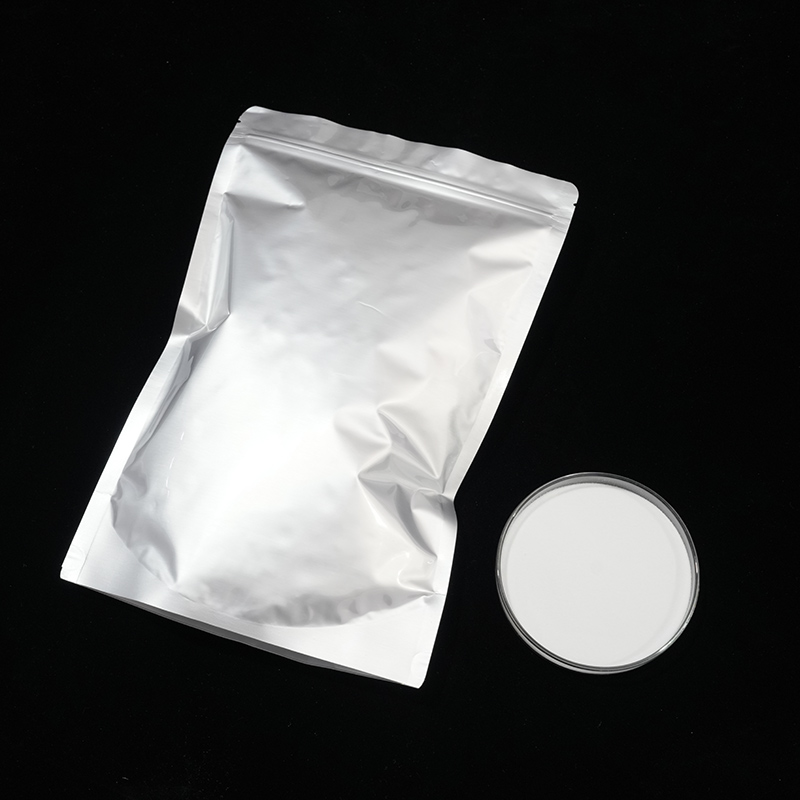
Conventional cutting disc PA hot melt adhesive web
Product Introduction: Conventional cutting disc PA hot melt adhesive web is a hot melt adhesive material manufactured using advanced technology, mainl...
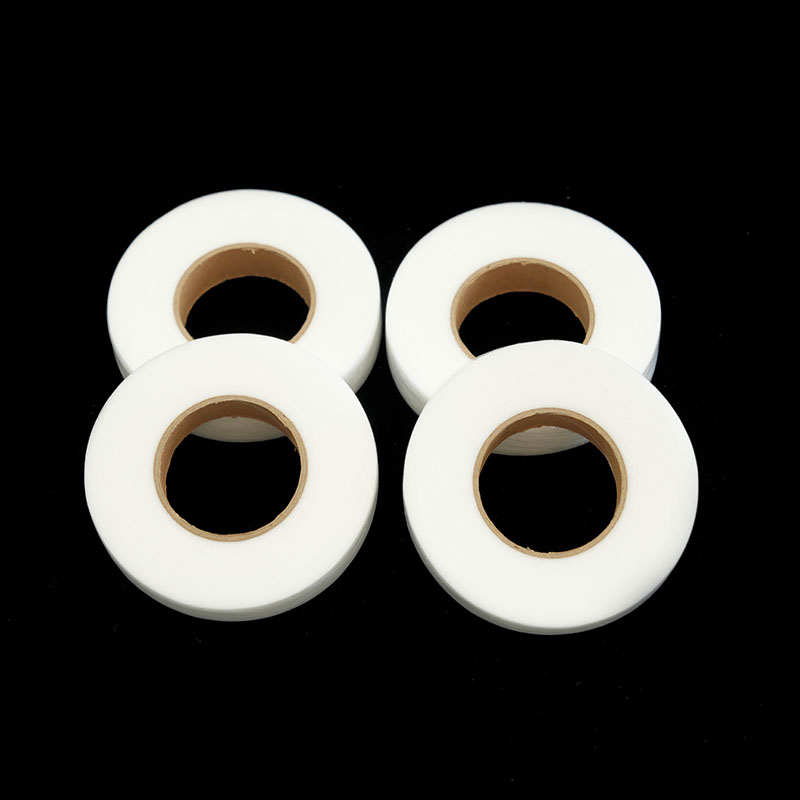
Product Introduction: Conventional cutting disc PA hot melt adhesive web is a hot melt adhesive material manufactured using advanced technology, mainl...
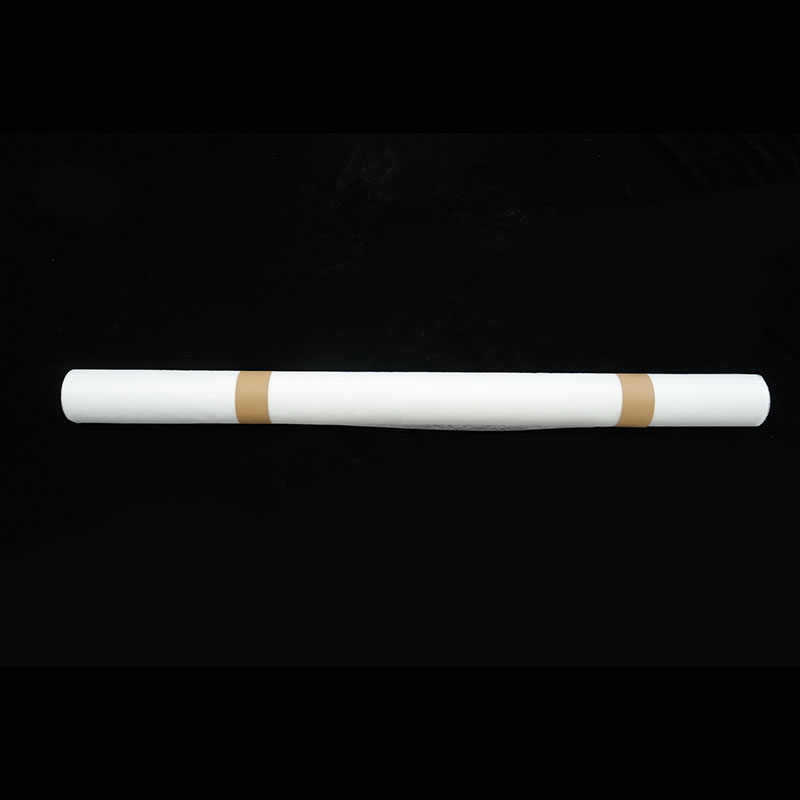
Product Introduction: The whole roll of PA hot melt adhesive web is a special adhesive processed from high-quality thermoplastic polyamide (PA) materi...
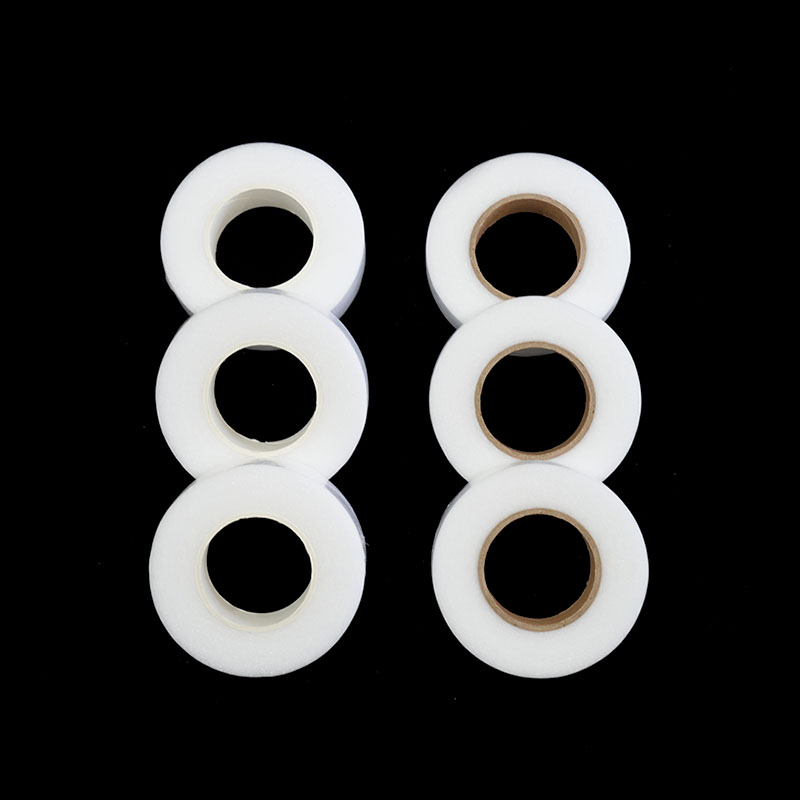
Product Introduction: Small roll cutting disc PA hot melt adhesive web is a high-performance and environmentally friendly hot bonding material designe...

For most perfect binding lines, the answer is simple: use an EVA-based hot melt adhesive for the spine, and switch to PUR only when you need extra flexibility for coated papers or heavy book blocks. EVA hot melt adhesi...
READ MOREA shoe plant moved its toe-cap laminator from EVA mesh to a copolyamide web and lost part of its line speed the same afternoon. The bond was stronger, the machine was not. Nothing about the material changed except its ...
READ MOREA bonded jacket shell that passes a 20 °C peel test in the lab can still bubble along the collar after five home washes. In most factories that failure gets blamed on the laminating machine, the operator, or the fabric...
READ MOREPA hot melt adhesive web (also referred to as polyamide hot melt adhesive mesh film) is a thermoplastic bonding material manufactured by extruding and drawing polyamide resin into a fine, open-mesh structure. When subjected to heat and pressure, the mesh softens, flows into substrate surfaces, and forms a durable bond upon cooling—without the use of solvents or water.
As a materials manufacturer engaged in the production of hot melt adhesive films, mesh films, rubber particles, and rubber powder across multiple polymer systems—including PA, EVA, PES, and TPU—Nantong Feiang Composite Materials Co., Ltd. supplies PA hot melt adhesive web to industries where precise, clean, and high-performance bonding is required.
The functional properties of PA hot melt adhesive web are derived from the polyamide backbone and the open-mesh geometry of the product. Key characteristics include:
| Property | Description |
| Activation temperature | Typically 110–160 °C depending on formulation; exact range varies by grade |
| Bond strength | High peel and shear strength; suitable for demanding structural lamination |
| Chemical resistance | Good resistance to oils, fuels, and common industrial chemicals |
| Moisture resistance | Maintains bond integrity under humid conditions; suitable for washable applications |
| Flexibility | Retains flexibility after bonding; does not create a rigid bond line |
| Open mesh structure | Allows partial breathability; the mesh voids reduce glue area while maintaining bond |
The mesh format is distinguished from solid film by its lower adhesive add-on weight, which contributes to breathability, reduced stiffness, and material savings in weight-sensitive applications.
PA hot melt adhesive web is available in a range of grades and structural configurations. Differentiation typically occurs across the following parameters:
| Classification Axis | Variants |
| Melting point range | Low-melt (≈110–120 °C), medium-melt (≈130–145 °C), high-melt (≈150–160 °C) |
| Grammage (gsm) | Lightweight (8–15 g/m²), standard (16–30 g/m²), heavy (31–50 g/m²) |
| Mesh pattern | Diamond, hexagonal, square; opening size influences adhesive distribution |
| Width | Supplied in standard or custom roll widths to suit converting operations |
Grade selection is determined by the thermal tolerance of the substrates, required washability standards, and bonding strength targets of each application.
PA hot melt adhesive web is used across multiple industries where solvent-free, heat-activated lamination is required:
Apparel and Textile Lamination
The largest end-use segment. PA web is applied in interlining bonding, shoulder pad attachment, collar reinforcement, and composite fabric lamination. Its wash resistance—often meeting ISO 6330 or equivalent standards at multiple wash cycles—makes it appropriate for garments that undergo repeated laundering.
Footwear Manufacturing
Used for shoe upper lamination, lining attachment, and toe cap bonding. The oil and chemical resistance of PA chemistry is an advantage in footwear that may encounter solvents or polishes.
Automotive Interiors
Applied in the bonding of headliners, door panel fabrics, seat covers, and trunk liners. Automotive-grade PA web must perform across a wide temperature range and resist the elevated heat conditions inside vehicle cabins.
Furniture and Home Textiles
PA web is used for upholstery fabric bonding and decorative panel lamination in furniture production. For home textiles such as curtains and quilt covers, it provides a clean bond without visible adhesive bleed.
Craft Accessories and Technical Textiles
Applied in embroidery backing, thermal transfer substrates, and filtration composite construction where controlled adhesive deposition is necessary.
Different polymer bases offer distinct performance profiles. Nantong Feiang produces mesh films across PA, EVA, PES, and TPU systems; the following comparison reflects general industry characteristics:
| Polymer | Wash Resistance | Chemical Resistance | Typical Activation Temp. | Primary Use Cases |
| PA | Excellent | Good | 110–160 °C | Apparel, footwear, automotive |
| EVA | Moderate | Limited | 70–110 °C | Solar encapsulation, packaging |
| PES | Good | Moderate | 120–150 °C | Interlining, sportswear |
| TPU | Excellent | Good | 100–140 °C | Sportswear, medical, waterproof |
PA is generally selected when wash durability and chemical resistance take priority. EVA is preferred for low-cost or low-temperature applications. PES occupies a mid-range position. TPU is chosen when both flexibility and wash performance are critical.
Correct processing conditions are necessary to achieve consistent bond quality with PA hot melt adhesive web:
| Parameter | Guidance |
| Temperature | Set press temperature according to grade specification; avoid overheating, which can degrade adhesive and substrate |
| Pressure | Sufficient nip or platen pressure ensures full contact between mesh and substrate; inadequate pressure results in incomplete bonding |
| Dwell time | Longer dwell at lower temperature can substitute for shorter dwell at higher temperature, within limits |
| Cooling | Allow bond to cool under slight pressure or flat surface to prevent delamination before full crystallization |
| Storage | Store rolls in cool, dry conditions away from direct sunlight; avoid compression that deforms the mesh structure |
Specific processing parameters vary by grade. End-users should refer to the technical data sheet provided with each product lot and conduct trial runs when switching between grades or substrates.
Standard quality metrics for PA hot melt adhesive web include peel strength (N/cm), shear strength, wash fastness (number of cycles at specified temperature), and dry cleaning resistance. Grammage uniformity across the roll width and mesh opening consistency are measured as production quality indicators. For automotive and technical applications, additional tests such as heat aging, UV resistance, and volatile organic compound (VOC) content may apply depending on end-customer requirements.
Nantong Feiang applies advanced product formulas and production processes combined with quality management systems to maintain consistency in its mesh film product range, including PA grades.
Q: What is the difference between PA hot melt adhesive web and PA hot melt adhesive film?
A: The web (mesh film) has an open-lattice structure with voids between adhesive strands, providing partial breathability and lower add-on weight. The solid film covers the entire surface area. Web is typically used where breathability or hand-feel is a priority; film is used where full coverage bonding is required.
Q: Can PA hot melt adhesive web be used with heat-sensitive substrates?
A: Low-melt PA grades (activation ≈110–120 °C) can be used with moderately heat-sensitive fabrics. For highly heat-sensitive substrates, EVA or low-melt PES may be more appropriate. Substrate thermal tolerance should always be confirmed before grade selection.
Q: How many wash cycles can PA hot melt adhesive web withstand?
A: This depends on the specific grade, wash temperature, and substrate. General-purpose PA web typically passes 20–50 wash cycles at 40–60 °C under standard test conditions. Exact performance data is available on the product technical data sheet.
Q: Is PA hot melt adhesive web available in custom widths and roll lengths?
A: Yes. Nantong Feiang supplies hot melt adhesive mesh films in specifications tailored to customer converting requirements. Inquiries regarding custom dimensions should be directed to the sales team with details of the intended application and required volume.
Q: What is the shelf life of PA hot melt adhesive web?
A: Under proper storage conditions (cool, dry, away from UV and sustained pressure), PA hot melt adhesive web typically has a shelf life of 12–24 months from the production date. Storage and handling instructions on product packaging should be followed.