


 English
 中文简体
中文简体 Español
 عربى
عربى
Hot melt adhesive for edge banding is a thermoplastic polymer — usually EVA, PUR, or polyolefin — that is melted, coated onto the back of an edge banding strip or the panel edge, and forms a strong joint by cooling within seconds. The chemistry you choose does more to determine whether a cabinet edge survives heat, humidity, and daily impact than any other variable in the edge banding process.
This guide explains what these adhesives are, how EVA, PUR, and polyolefin compare, how to select the right form for your production line, and how to fix the adhesion failures that occur most often in practice.
Content
- What Is Hot Melt Adhesive for Edge Banding?
- EVA vs PUR vs Polyolefin: Which Chemistry Should You Choose?
- How to Choose the Right Hot Melt Adhesive for Your Edge Banding Line
- Adhesive Forms: Granules, Film, or Web
- Common Edge Banding Adhesion Problems and How to Fix Them
- FAQ: Hot Melt Adhesive for Edge Banding
What Is Hot Melt Adhesive for Edge Banding?
Edge banding bonds a narrow strip of PVC, ABS, melamine, veneer, or solid wood to the exposed cut edge of particleboard, MDF, or plywood. The hot melt adhesive is the thin layer between that strip and the substrate. Unlike solvent-based or water-based glues, hot melt adhesives contain no carrier liquid and set purely by cooling, which is why they can cure in seconds on a high-speed line without clamping.
Four properties matter most when evaluating an edge banding adhesive:
- Open time — the window in which the adhesive stays tacky enough to accept the strip.
- Setting speed — how quickly the bond reaches handling strength.
- Melt viscosity — controls how well the adhesive wets the strip back and the panel edge.
- Heat and creep resistance — determines whether the joint softens or slides in warm conditions.
An adhesive with a very short open time can starve the bond on a manually fed machine, while a slow-setting grade will smear and lift on an automatic line running at high feed rates. That is why the right choice is always a balance between the product chemistry and the equipment on your floor.
EVA vs PUR vs Polyolefin: Which Chemistry Should You Choose?
For most interior furniture, EVA is the sensible default. For kitchens, bathrooms, commercial joinery, and any panel exposed to heat or moisture, PUR is the safer investment. Polyolefin sits between the two, offering a cleaner bond to difficult strips such as polypropylene with moderately better resistance than standard EVA.
EVA hot melt adhesives
EVA (ethylene-vinyl acetate) is the most widely used edge banding adhesive because it is inexpensive, forgiving, and bonds well to PVC and melamine strips. Its main weakness is heat resistance: joints soften at roughly 60–70°C, so a dark worktop in direct sunlight or a cabinet above an oven can fail over time.
PUR hot melt adhesives
PUR (polyurethane reactive) adhesives cure in two stages: they cool like a hot melt, then react with moisture in the air to form a cross-linked bond. The result is excellent heat resistance above 100°C, strong moisture resistance, and low creep under sustained load. The trade-offs are a higher price and stricter handling — the glue pot must be sealed against humidity, and the machine needs regular cleaning to prevent cured residue.
Polyolefin hot melt adhesives
Polyolefin (PO) adhesives use low-molecular-weight polyethylene or polypropylene. They bridge the gap between EVA and PUR: better heat and chemical resistance than EVA, no moisture-curing mechanism to manage, and good adhesion to PP strips that standard EVA cannot wet without a primer.
| Property | EVA | PUR | Polyolefin |
|---|---|---|---|
| Typical glue-pot temperature | 180–220°C | 120–160°C | 160–190°C |
| Open time | Medium | Short to medium | Medium |
| Heat resistance | ~60–70°C | Above 100°C after curing | ~70–90°C |
| Moisture resistance | Moderate | Excellent | Good |
| Adhesion to PP strips | Poor without primer | Good | Excellent |
| Relative cost | Low | High | Medium |
| Best application | Interior furniture and cabinetry | Kitchens, bathrooms, wet areas | PP strips and mid-range performance |
How to Choose the Right Hot Melt Adhesive for Your Edge Banding Line
Start with the environment the finished panel will live in, then match the adhesive to the strip material and the production speed. Skip any of these checks and you will spend more time reworking peeling edges than you saved on the adhesive itself.
Match the chemistry to the end-use environment
- Interior furniture in dry, air-conditioned spaces: EVA is sufficient.
- Kitchens, bathrooms, commercial furniture, or panels near windows: PUR.
- High-humidity workshops or warehouses: choose PUR or a moisture-resistant polyolefin grade.
- For parts used in automotive interior assembly, the adhesive must withstand elevated in-cabin temperatures, so verify the heat resistance rating before purchase.
Match the adhesive to the strip and substrate
PVC, ABS, melamine, veneer, and wood all accept EVA well. PP strips need a polyolefin adhesive or a correctly primed surface. Veneer and thin wood strips burn easily on a hot glue roller, so a low-temperature EVA or a film/web form reduces charring and discoloration on light-colored edging.
Match setting speed to production speed
A small workshop doing manual or semi-automatic edge banding needs a longer open time so the operator can position the strip accurately. A through-feed edge bander running at 12–20 m/min needs a fast-setting grade to avoid smearing. As a rule: the faster the line, the shorter the open time and the higher the initial tack required.
Adhesive Forms: Granules, Film, or Web
Always settle the adhesive form before choosing a supplier. Automatic edge banders typically rely on granules, while film and web forms suit pre-coated strips, short runs, and curved profiles where a glue pot is impractical.
Granules for automatic edge banders
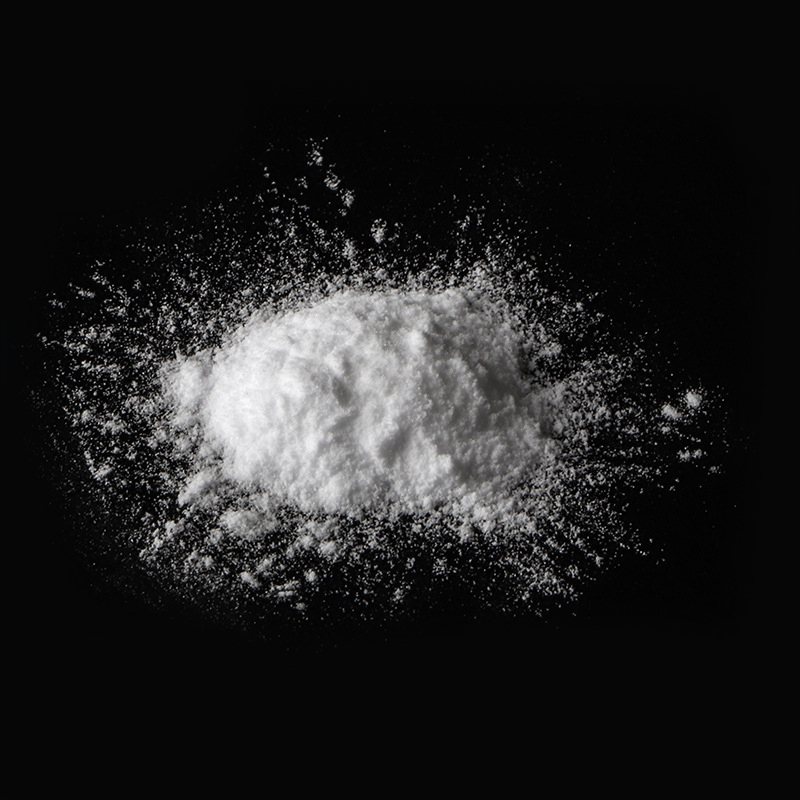
Granules are melted in the machine glue pot and applied by a roller, giving the best control over glue-line thickness and the most convenient handling for high-volume work. They remain the standard form for continuous edge banding lines.
Hot melt film for controlled glue lines
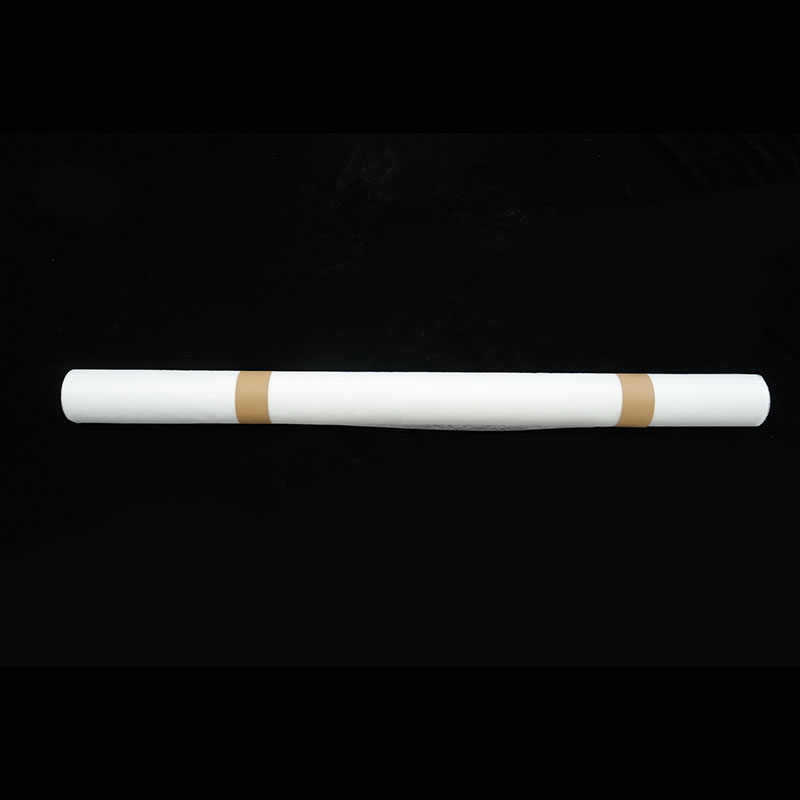
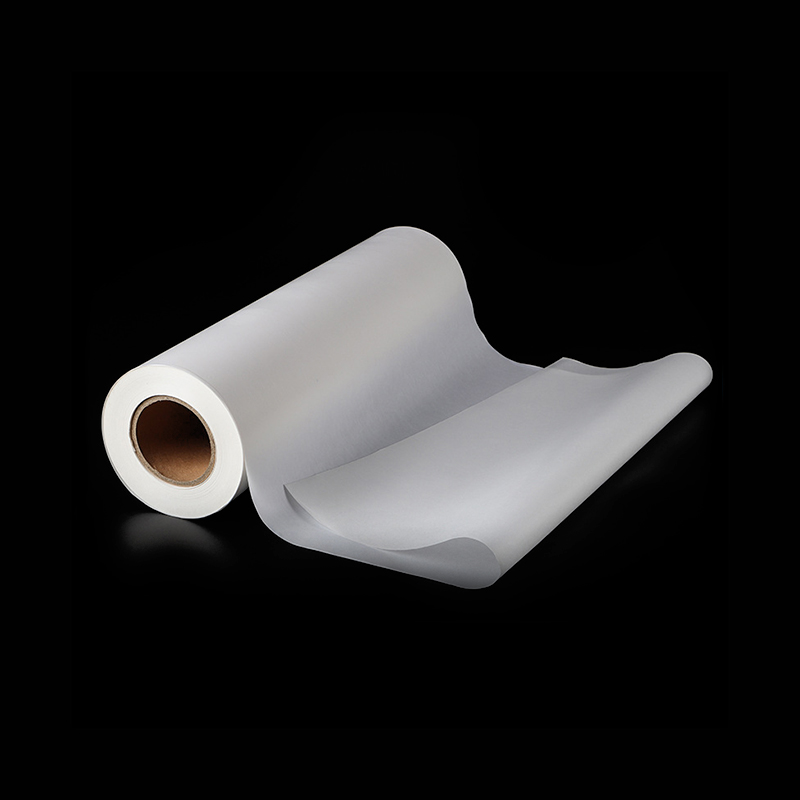
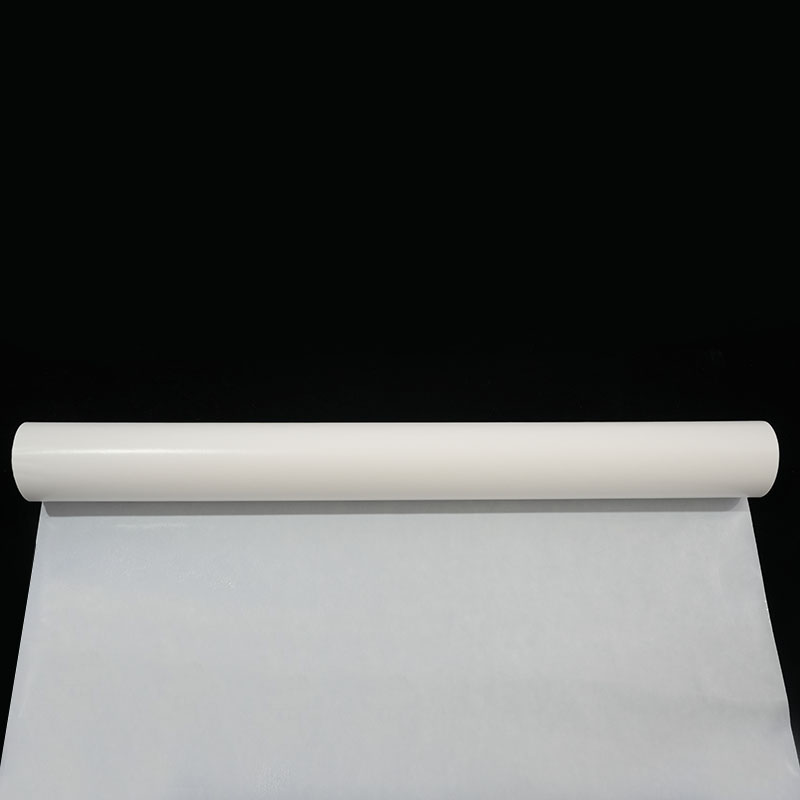
Film adhesives are supplied as solid sheets, often with a backing paper, and are laminated onto the strip or substrate under heat and pressure. For premium edge banding and precise corners, a PES hot melt adhesive film with backing paper creates a uniform glue line with no squeeze-out and no glue pot to clean. When the profile has tight radii, an elastic TPU hot melt adhesive film with backing paper stretches with the strip instead of cracking.
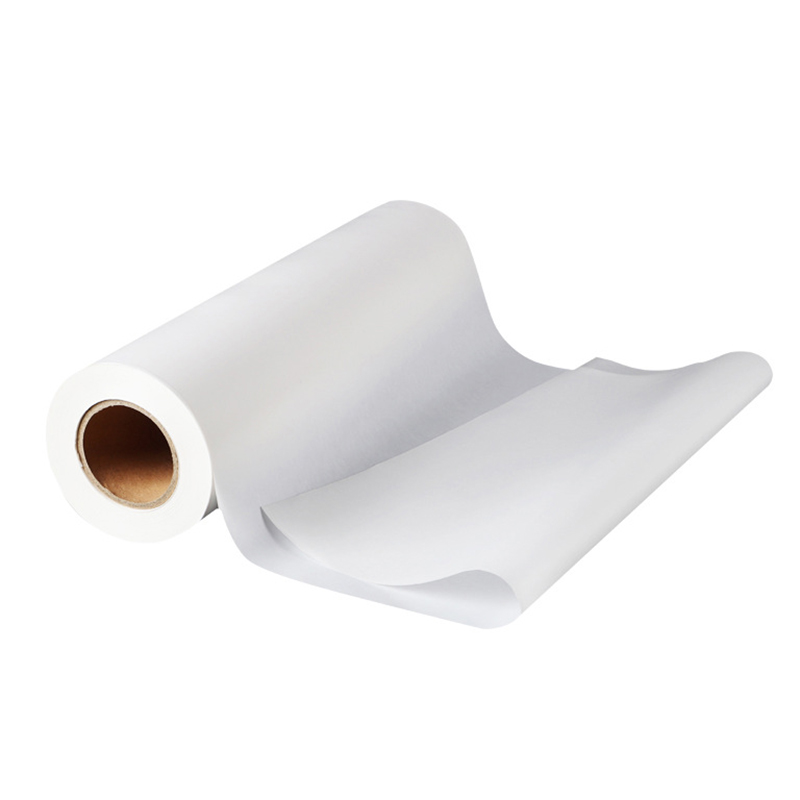 Wholesale TPU hot melt adhesive film with backing paper elasticity Supplier, FacNantong Feiang Composite Materials Co., Ltd. is China TPU hot melt adhesive film with backing paper elasticity manufacturer and wholesale...View Product →
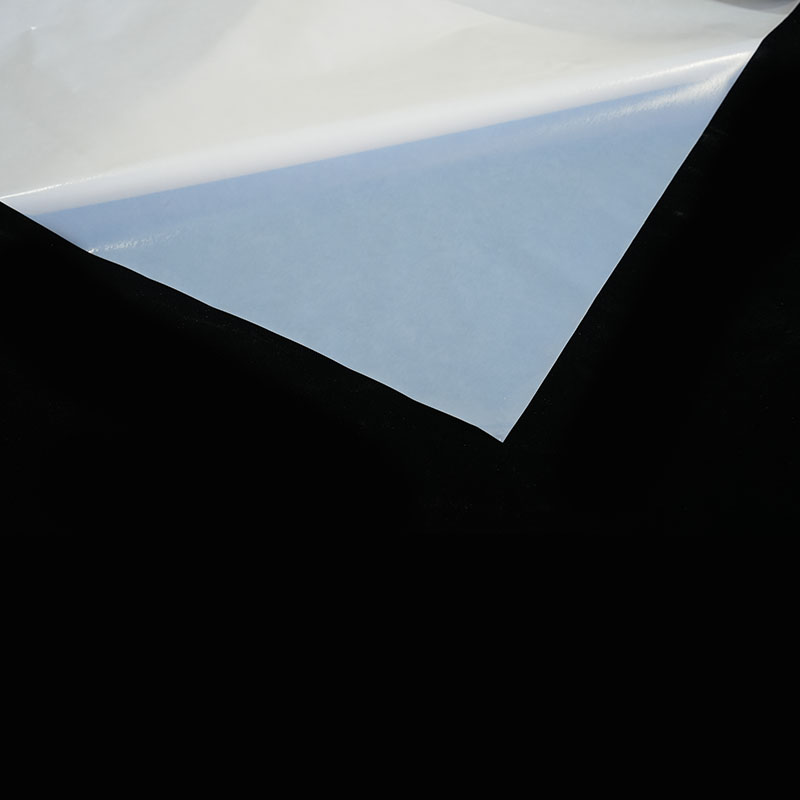 Wholesale PES hot melt adhesive film with backing paper Supplier, FactoryNantong Feiang Composite Materials Co., Ltd. is China PES hot melt adhesive film with backing paper manufacturer and wholesale PES hot me...View Product →
Hot melt web for uniform adhesive layers
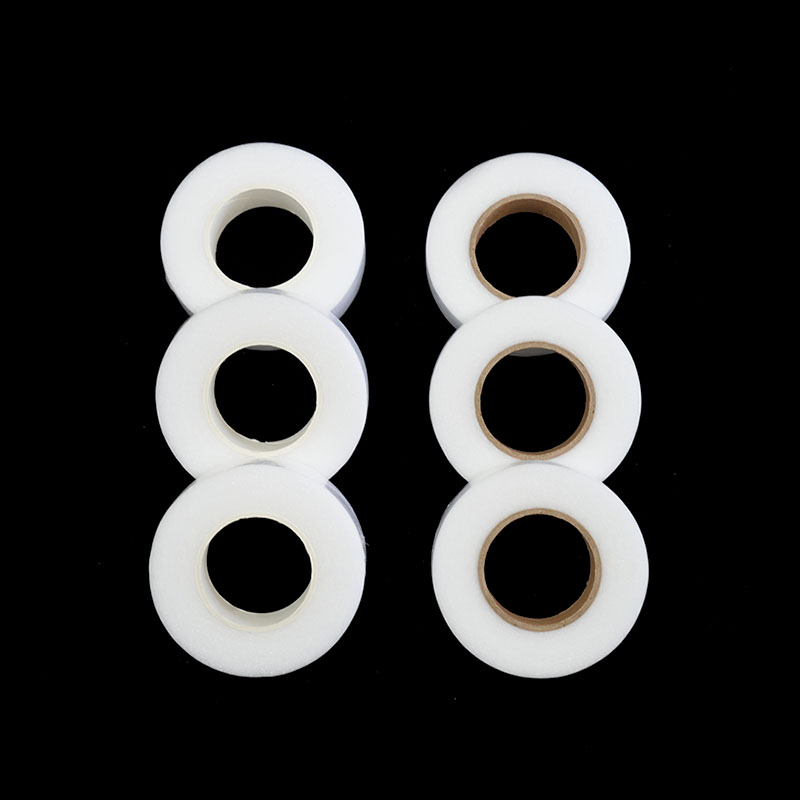
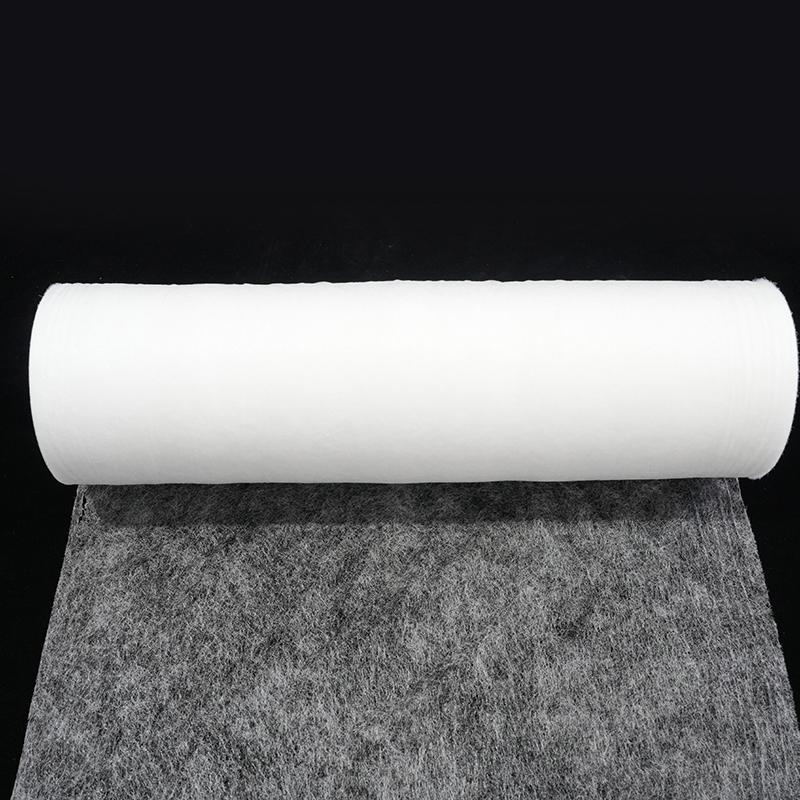
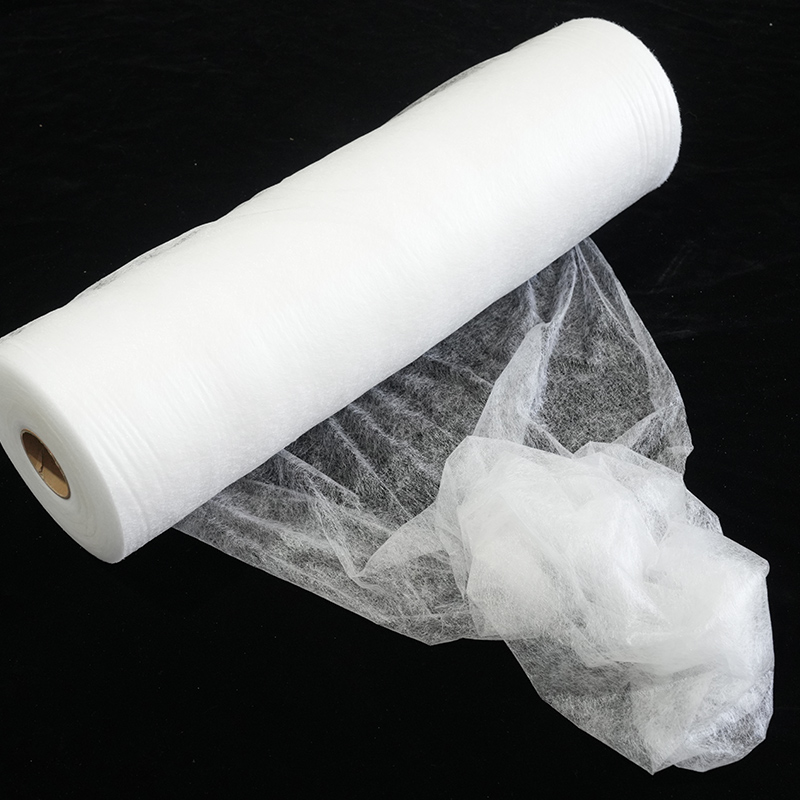
Webs are non-woven adhesive mats that melt and bond under heat and pressure. In edge-related operations such as applying veneer strip or leather wrapping onto panels, a low-melting EVA low-temperature hot melt adhesive web can be placed between the strip and substrate and pressed in a short cycle. Web thickness directly affects bond strength, and how web thickness influences bonding performance is one of the most frequently misunderstood setup variables in this process.
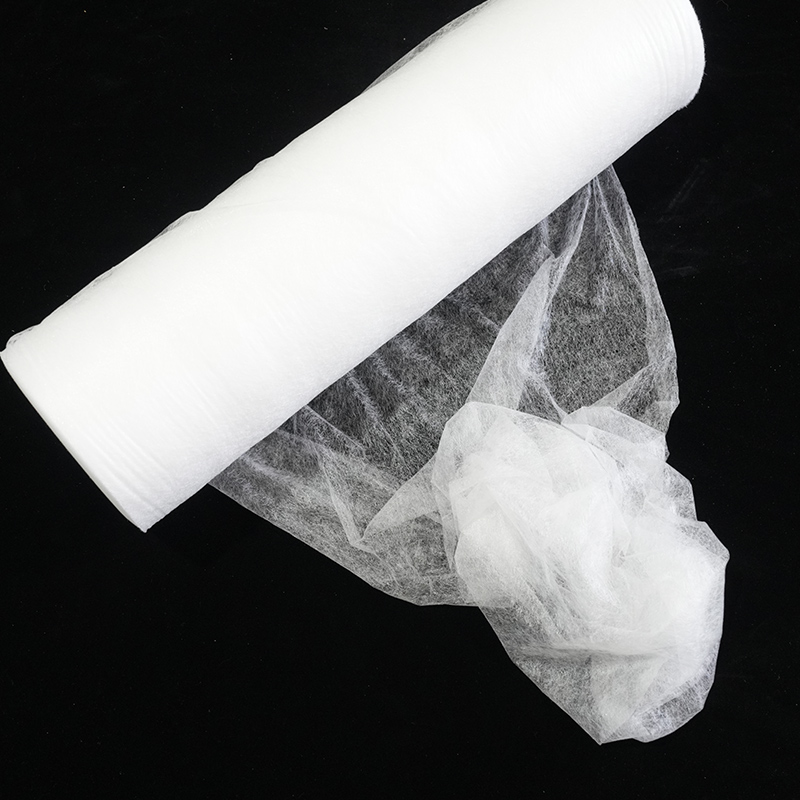 Wholesale Whole roll (mother roll) EVA low-temperature hot melt adhesive web SupNantong Feiang Composite Materials Co., Ltd. is China Whole roll (mother roll) EVA low-temperature hot melt adhesive web manufacturer and...View Product →
Common Edge Banding Adhesion Problems and How to Fix Them
Nearly every edge banding failure traces back to four causes: the wrong adhesive for the environment, a glue temperature that is too low, a dirty or contaminated strip surface, or a glue line that is too thin. Diagnose the symptom, not just the bond line, before changing products.
| Symptom | Likely cause | Corrective action |
|---|---|---|
| Peeling or delamination | Low glue temperature, wrong chemistry, or oily strip surface | Raise pot temperature, switch to PUR for wet areas, clean the strip back before bonding |
| Smearing or adhesive bulging | Excessive glue quantity or overly high viscosity | Reduce roller gap, lower pot temperature slightly, or increase feed speed |
| Chipping or splintering of the edge | Brittle adhesive applied too cold to the strip | Lower the temperature only slightly, shorten open time, or use a more flexible film/web bond line |
| Inconsistent bonding along the panel | Feed speed not matched to the adhesive open time | Increase temperature or reduce feed speed so the adhesive stays tacky when it meets the strip |
| Burning or browning of the glue | Adhesive held at elevated temperature too long | Clean the glue pot regularly and verify thermometer calibration |
If failures continue after correcting all of these variables, inspect the strip back for mold-release agents or silicone. These contaminants require a primer, a stronger chemistry, or a change to a polyolefin adhesive that can wet the surface more aggressively.
FAQ: Hot Melt Adhesive for Edge Banding
What temperature is hot melt adhesive for edge banding applied at?
EVA grades are normally applied at 180–220°C in the glue pot. PUR grades run lower, around 120–160°C, and polyolefin grades usually sit between 160–190°C. Always follow the supplier's data sheet — running 10°C above the recommended range degrades the polymer quickly.
Which is better: EVA or PUR for edge banding?
For dry interiors and budget-conscious production, EVA is better. For kitchens, bathrooms, exterior-adjacent panels, and heat-generating appliances, PUR is the better option. The cost difference is justified by the operating environment, not by preference.
Can hot melt adhesive film be used for edge banding?
Yes. Film is laid on the strip or panel edge and pressed with heat. It is especially useful for curved profiles, short runs, and re-lamination, because it maintains a constant glue line without requiring a glue pot. Film forms also eliminate glue waste during setup and changeover.
Why does edge banding peel off weeks after production?
Usually because the environment is hotter or more humid than the adhesive was specified for, or because the strip surface was not clean at bonding time. Check the strip back, the panel edge, and the recorded glue-pot temperature before replacing the adhesive — one bad parameter can produce the same symptom as the wrong product.
How long can edge banding adhesive be stored?
EVA and polyolefin granules typically store for 12–24 months in a cool, dry area. PUR must be stored airtight and used within the expiry window printed on the pack, because ambient moisture gradually cures the product inside the container. Film and web forms should be kept flat and dry to preserve their dimensional stability.


Contact Us