


 English
 中文简体
中文简体 Español
 عربى
عربى
Conventional cutting disc PA hot melt adhesive web
Cat:PA Hot Melt Adhesive Web
Product Introduction: Conventional cutting disc PA hot melt adhesive web is a hot melt adhesive material manufactured using advanced technology, mainl...
See DetailsContent
Polyurethane hot melt adhesive, usually abbreviated as PUR, is a reactive hot melt that turns from a solid formulation into a flowable liquid when heated. It is applied in a molten state, forms an initial bond while cooling, and then continues to strengthen through a moisture-curing reaction. Because PUR formulas are 100% solid and solvent-free, they fit processes in which VOC limits or solvent recovery are a concern. That combination of environmental compliance and structural performance is the main reason production engineers investigate the material.
The chemistry behind PUR is not complicated, but it does change production planning. Isocyanate (NCO) end groups on the polymer chain react with water molecules from ambient humidity or from the surface of a slightly moist substrate. The reaction cross-links the polymer into a dense network. Once cross-linked, the adhesive behaves as a thermoset: it will not melt again when heated. This is what gives PUR its resistance to heat, humidity, creep, and many chemicals.
In practical terms, a PUR bond develops in two stages. The first stage, often called green strength, arrives as the adhesive cools and provides initial positioning strength. The second stage is the chemical cure, and it can take from several hours to several days depending on formula, adhesive thickness, and air humidity. The bond line grows tougher and more solvent resistant during this period, long after the part has left the press. Production engineers should plan for that behavior rather than expecting the bond to reach its final properties while still on the line.
No adhesive family is universally better, and PUR is no exception. The right system depends on substrate type, end-service conditions, and line speed. The main comparison points are curing mechanism, heat resistance, bond strength, flexibility, and chemical resistance. The table below summarizes the practical differences between PUR, EVA, PA, PES, and TPU hot melt systems.
| Adhesive Family | Curing Mechanism | Heat Resistance | Strength and Durability | Flexibility | Typical Use Focus |
|---|---|---|---|---|---|
| PUR | Moisture-cure after cooling | High; once cured, performs above the melting range | High structural strength, excellent creep resistance | Varies by formulation; less elastic than TPU | Structural bonding in demanding environments |
| EVA | Thermoplastic set on cooling | Moderate; softens near its melting range | Moderate strength, limited creep resistance | Good, often tackified | Packaging, bookbinding, general assembly |
| PA | Thermoplastic set on cooling | High | Strong on many plastics and fabrics | Limited | Film lamination, automotive interior parts |
| PES | Thermoplastic set on cooling | High | Strong, especially on metals and polyester | Limited | Lamination, textile bonding, filtration media |
| TPU | Thermoplastic set on cooling | Moderate | Strong and highly flexible | Excellent elasticity | Textiles, footwear, flexible composites |
The clearest contrast is PUR versus EVA. EVA hot melts are economical and set on cooling, which makes them the default for many packaging and bookbinding lines. But because they remain thermoplastic, they soften at elevated temperatures and degrade under solvent or moisture. PUR forms a thermoset network, so it holds up longer under heat, humidity, and steady mechanical load. The trade-off is higher material cost and more demanding application conditions.
PA and PES hot melts are strong thermoplastic systems frequently used in film lamination. They provide high initial strength and good adhesion to synthetic fabrics, metals, and polyester films. Yet because PA and PES do not cross-link, they are limited in long-term exposure above their softening point. PUR's chemical network extends the service window, especially in automotive, appliance, and outdoor applications.
TPU hot melt stands out for elasticity. It forms durable, stretchable bonds that follow substrate movement, which is why textile lamination, footwear, and flexible packaging rely on it. PUR, by comparison, offers higher structural strength and better creep resistance once fully cured, but it can be less stretchable depending on formulation. If the bond line must flex repeatedly, a TPU film or web might be the better answer. If the priority is permanent structural joining, PUR is usually the more suitable choice. The point is not to declare one chemistry superior; it is to match the adhesive to the stress profile of the final product.
Four parameters matter more than any others when evaluating PUR on a production line: open time, full cure time, operating temperature range, and final bond strength. Data sheets list these values, but they should be read against your specific substrates and plant environment.
One practical caution: the moisture-curing step depends on water reaching the adhesive inside the bond line. A very thick adhesive layer can cure more slowly and may require a humidification chamber. Porous substrates such as wood and fabric often deliver moisture into the bond, while sealed metal and plastic surfaces rely solely on ambient humidity. This is not a reason to avoid PUR, but it should influence how you design the application process.
PUR's combination of heat resistance, moisture resistance, and rapid initial strength has made it a preferred adhesive in several industrial segments. The same chemistry appears in different forms depending on how the production line is laid out.
Edge banding, profile wrapping, and flat lamination dominate the furniture industry. PUR creates a nearly invisible bond line, does not ghost through thin veneers, and holds up in humid kitchens and bathrooms where many thermoplastic adhesives fail. For production lines, the key benefit is positioning strength: panels can move immediately into the next machining step without waiting for a separate cure cycle.
Roof liners, door panels, seat covers, and trunk trim all involve bonding foam, fabric, leather substitutes, and plastic films. Vibration fatigue and temperature swings in a parked car expose adhesive bonds to aggressive conditions. PUR's thermoset network handles those loads better than non-reactive systems. For a more detailed look at material choices in this segment, see automotive interior bonding applications.
High-speed packaging and bookbinding lines need fast green strength. PUR works on laminated films, coated cartons, and foil, where water-based adhesives struggle. The moisture-curing step can be a disadvantage in very dry climates, but modern machinery controls humidity and cycle time more tightly than in the past. Companies already using web forms will find useful context in our specialty packaging and bookbinding page.
Textile-to-fabric and fabric-to-foam lamination benefits from PUR's adhesion to porous and non-porous substrates. Shoe upper bonding, leather replacement, and safety apparel all rely on the same chemistry. In technical textiles, PUR is also used in filter media webs and transfer printing processes. Solar panel backsheet bonding and commercial tape manufacturing, while more specialized, follow the same principles of heat activation and controlled moisture cure.
Once the chemistry is chosen, the physical form of the adhesive determines whether the process can be automated, how much adhesive is applied, and whether the bond line stays uniform. This is true for PUR and for other hot melt families, including the EVA, PA, PES, and TPU systems that Nantong Feiang currently supplies.
Film is a continuous sheet of adhesive, usually supplied on backing paper for easy handling. It is ideal for large flat surfaces, where a uniform thickness is more important than open-time adjustment. The backing paper keeps the adhesive clean until the laminating nip; heat activates the film, and then the substrate is pressed. For large-area lamination, hot melt adhesive film options such as PES and TPU films show how consistent coat weight simplifies process control.
Web is a porous, mesh-like adhesive layer. It lets air and moisture pass through, which makes it useful for breathable textiles, insulation liners, and filter media. The web can be thermally bonded with low pressure without covering the full surface, preserving fabric hand and drape. When breathability is part of the product specification, hot melt adhesive web varieties in EVA, PA, and TPU are a natural reference point.
Powder is used in scatter-coating and powder-point processes. It adapts to irregular surfaces and enables localized adhesion on textured substrates. Particle size can be matched to the substrate, from fine powders for lightweight textiles to coarser grades for stiff interlinings. If a production line already has a scattering unit, hot melt adhesive powder forms may offer a faster route than changing to film or web.
To keep the picture accurate, Nantong Feiang does not currently manufacture PUR. The company's hot melt product line covers EVA, PA, PES, and TPU systems in film, web, and powder forms. The selection logic described here still applies because the physical form matters before the chemistry is chosen. Once you know whether you need a film, a web, or powder, you can evaluate PUR grades and thermoplastic grades on the same basis.
PUR adhesives demand more disciplined handling than conventional hot melts. The most common failures in production, such as foaming, weak bonds, and blocked nozzles, usually trace back to one of four root causes.
Equipment cleaning also requires care. Because cured PUR cannot be re-melted, never leave adhesive in the application head for long shutdowns. Follow the melting unit manufacturer's cleaning procedure and flush with an appropriate hot melt cleaner while the adhesive is still within its open-time window. Partially used opened containers should be sealed immediately; some grades may even require nitrogen padding to prevent premature surface cure.
Polyurethane hot melt adhesive is not a universal fix, but it is one of the most useful high-performance adhesive families available. It combines solvent-free processing, fast initial positioning strength, and durable thermoset bonds that survive heat, humidity, and mechanical load. The practical challenge is selecting the right form and matching it to the substrate, line speed, environmental conditions, and end-use requirements.
The selection framework should always start with the physical form: film for large flat panels, web for breathable and flexible composites, and powder for scatter-coating or irregular surfaces. After that, match the material family to the environmental and mechanical demands of the final product. For buyers currently evaluating EVA, PA, PES, or TPU systems, a review of our hot melt adhesive product lines will make the form decision much easier to translate into concrete production parameters.
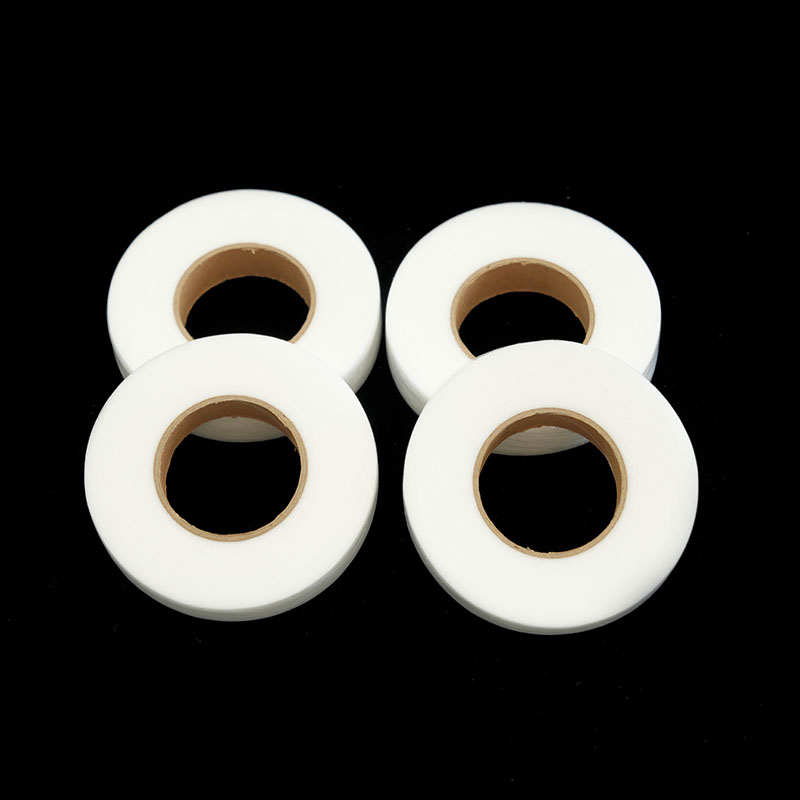
Product Introduction: Conventional cutting disc PA hot melt adhesive web is a hot melt adhesive material manufactured using advanced technology, mainl...
See Details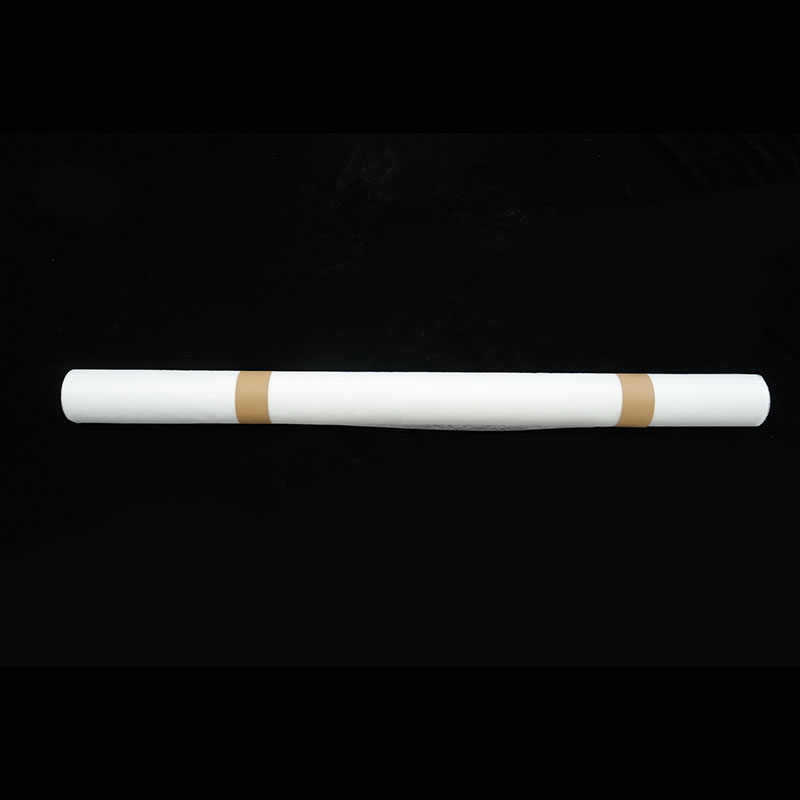
Product Introduction: The whole roll of PA hot melt adhesive web is a special adhesive processed from high-quality thermoplastic polyamide (PA) materi...
See Details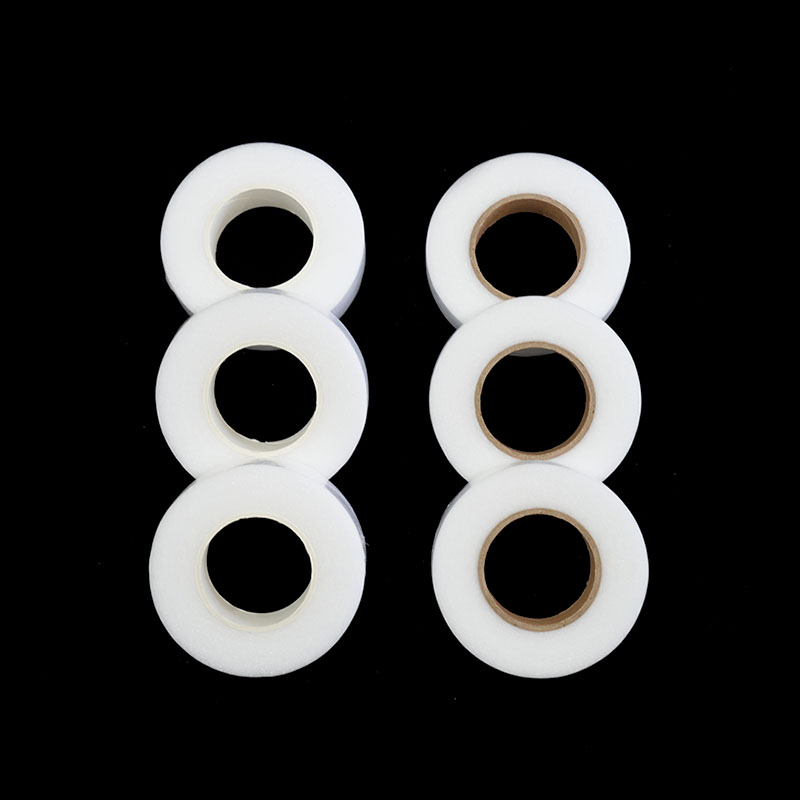
Product Introduction: Small roll cutting disc PA hot melt adhesive web is a high-performance and environmentally friendly hot bonding material designe...
See Details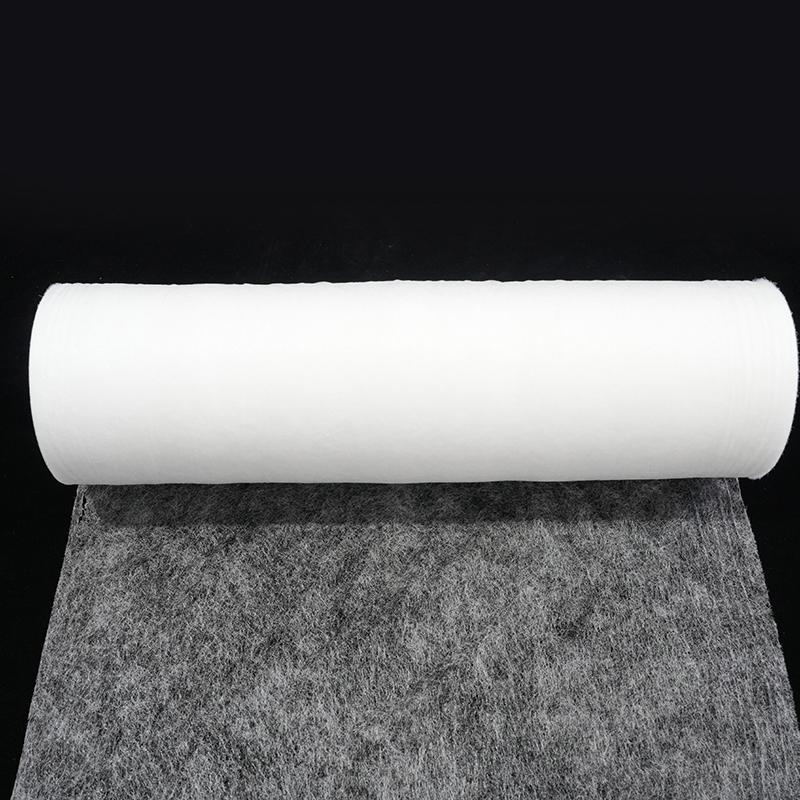
Product Introduction: The whole roll (mother roll) TPU hot melt adhesive web, as a thermoplastic polyurethane (TPU) material that integrates high perf...
See Details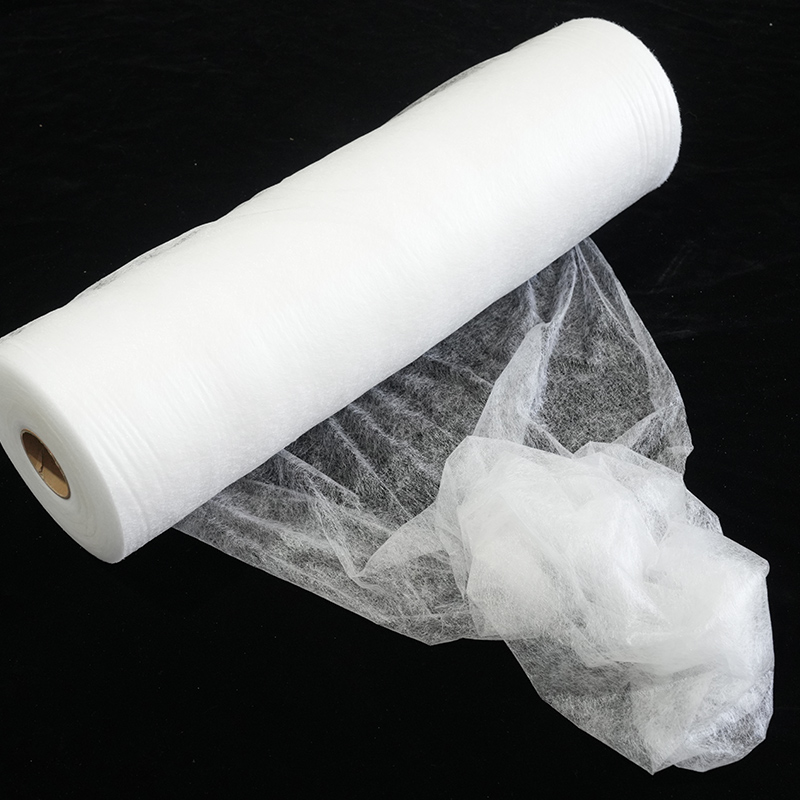
Product Introduction: This high-performance, multi-purpose full roll (mother roll) EVA low-temperature hot melt adhesive web is designed to meet the h...
See Details
Product Introduction:PES hot melt adhesive powder is a new type of polymer environmentally friendly hot melt adhesive produced through polymerization ...
See Details
Product Introduction:TPU hot melt adhesive powder, also known as thermoplastic polyurethane hot melt adhesive powder, is a high-performance thermoplas...
See Details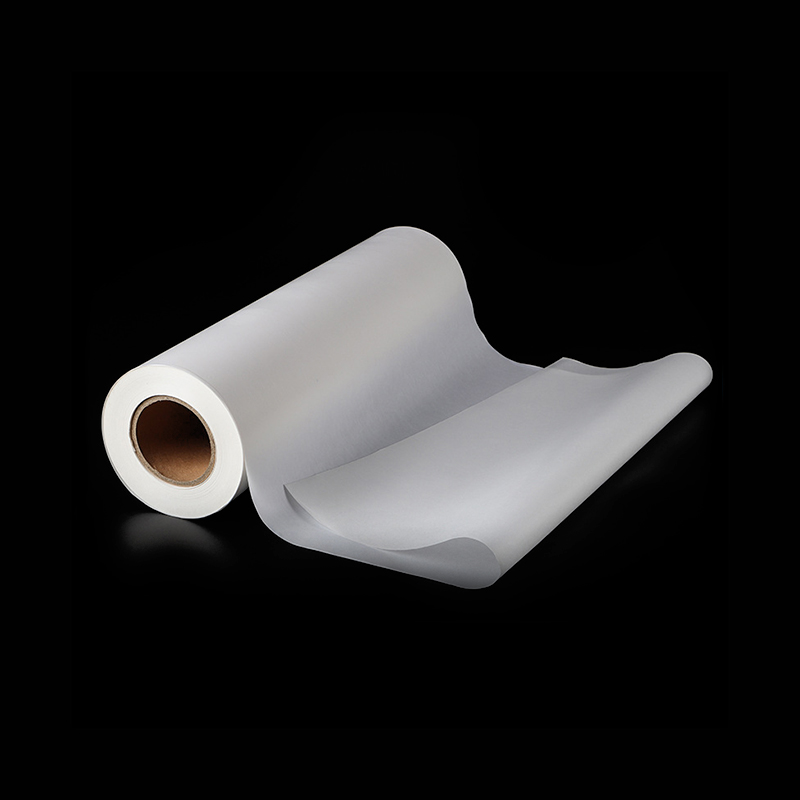
Product Introduction:This TPU hot melt adhesive film with backing paper elasticity has environmentally friendly adhesive properties, which not only pu...
See Details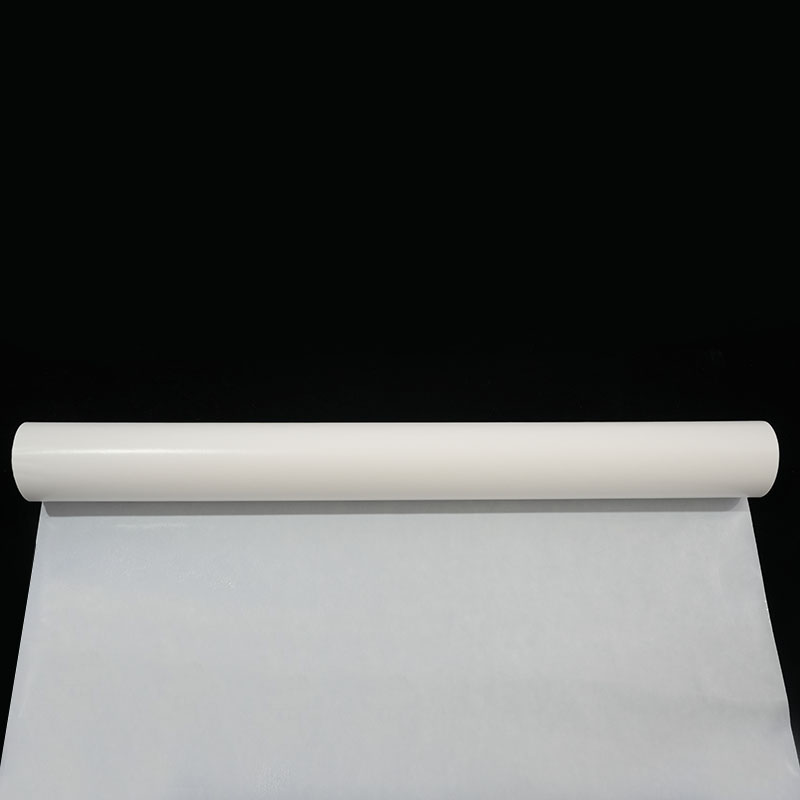
Product Introduction:PES hot melt adhesive film with backing paper is an environmentally friendly adhesive. Through advanced scraping, coating, or blo...
See Details

Contact Us