1. Product Overview
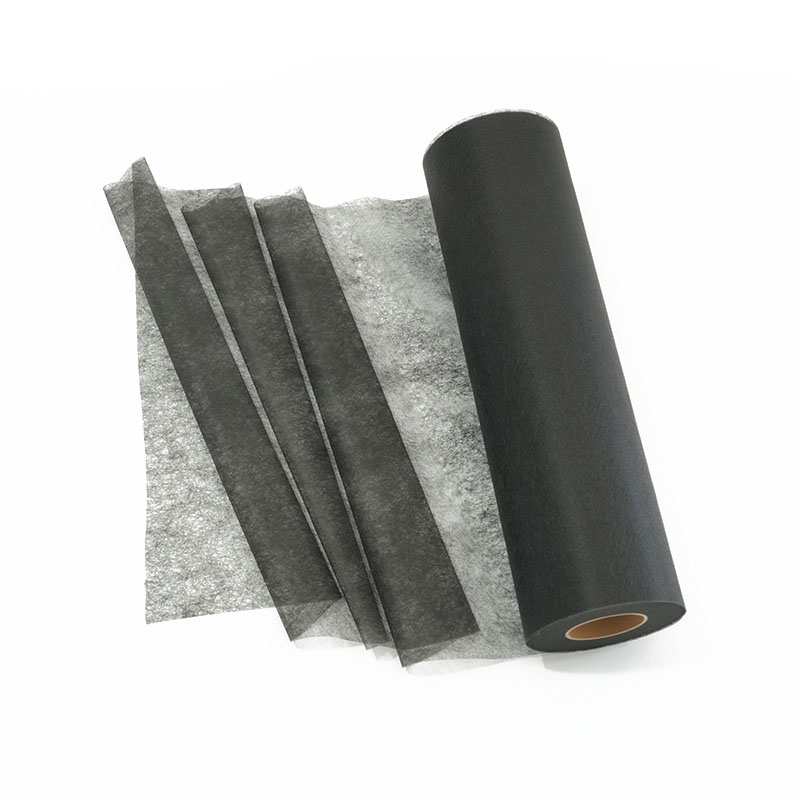
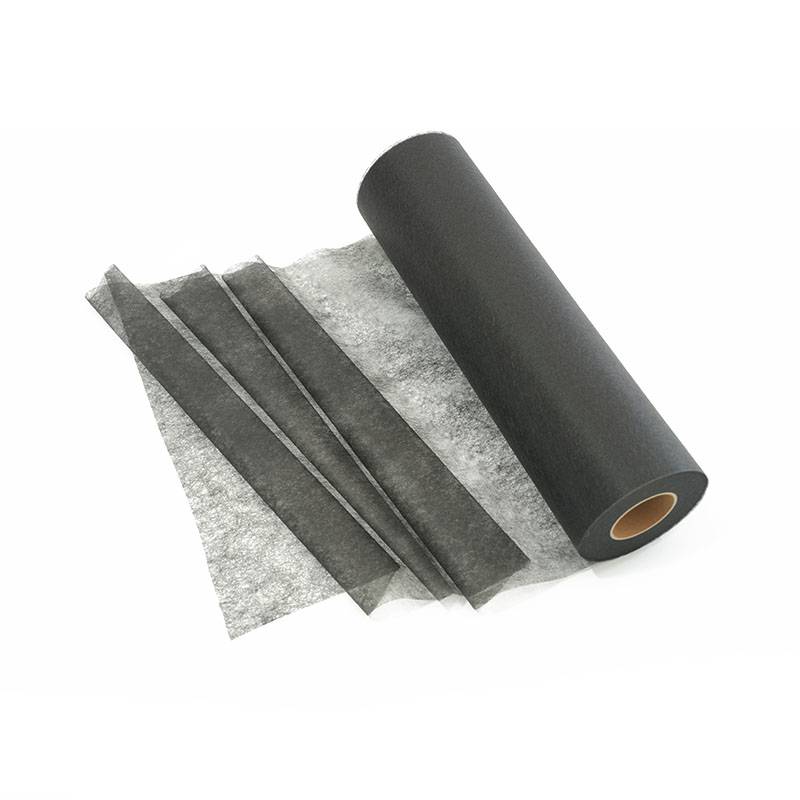
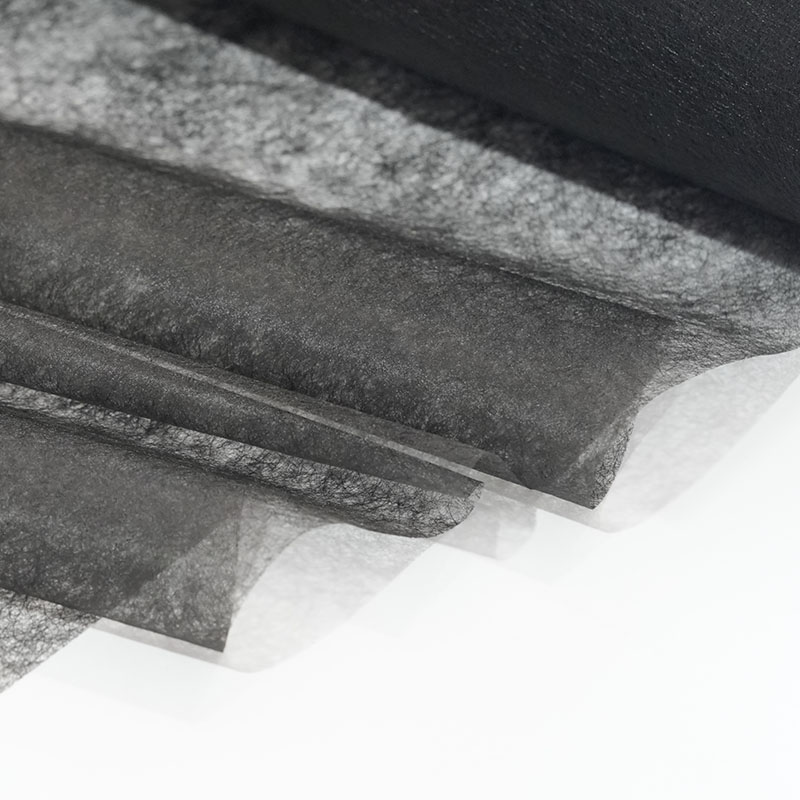
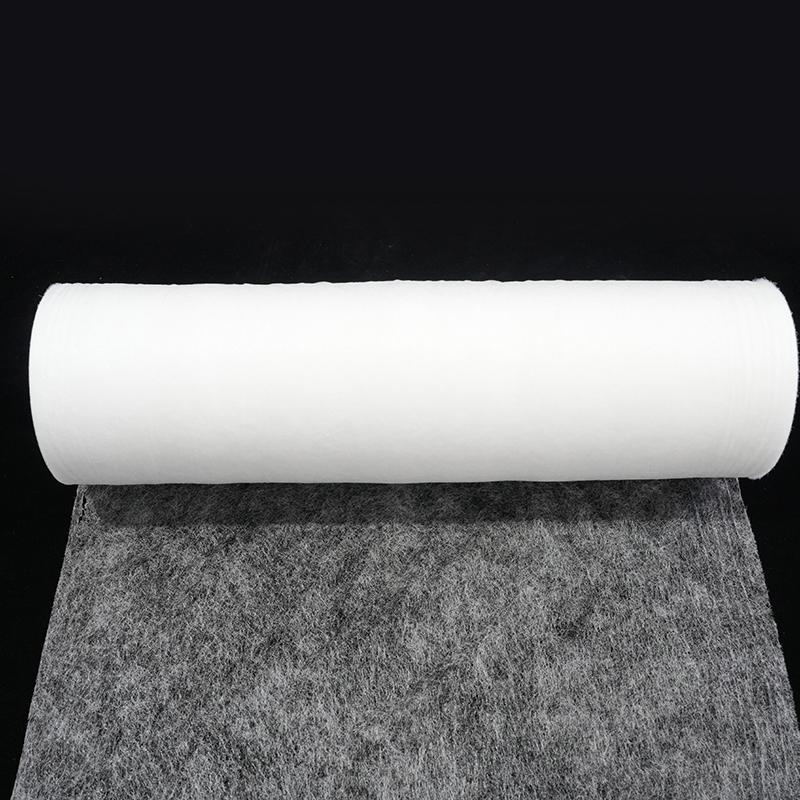
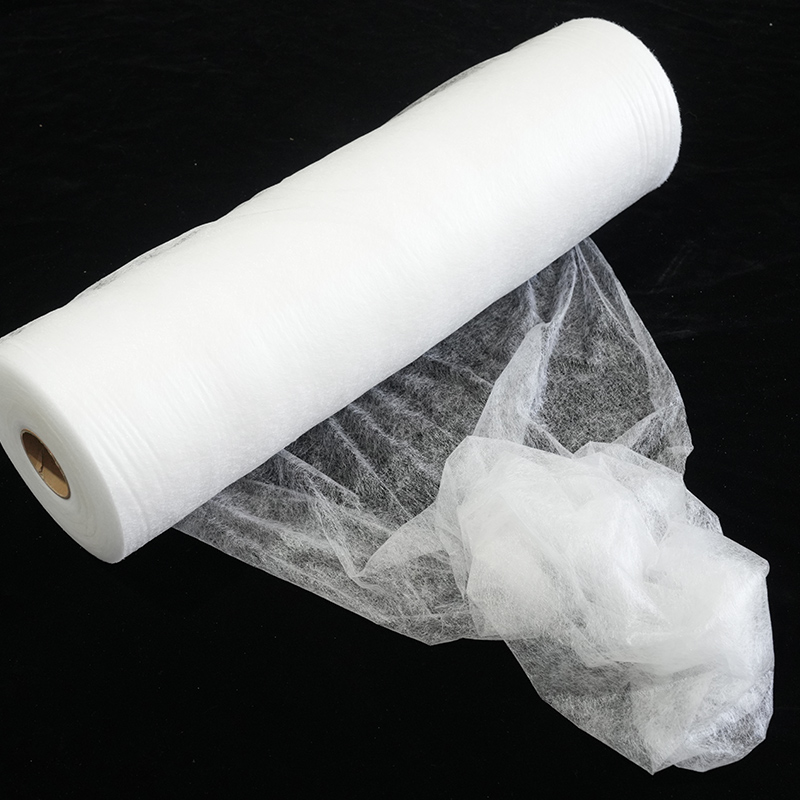
PA hot melt adhesive web is a thermoplastic bonding material produced from polyamide (PA) resin and formed into a continuous open-mesh structure. When activated by heat and pressure, the web melts and bonds two substrate layers, creating a durable adhesive joint without solvents or liquid adhesives.
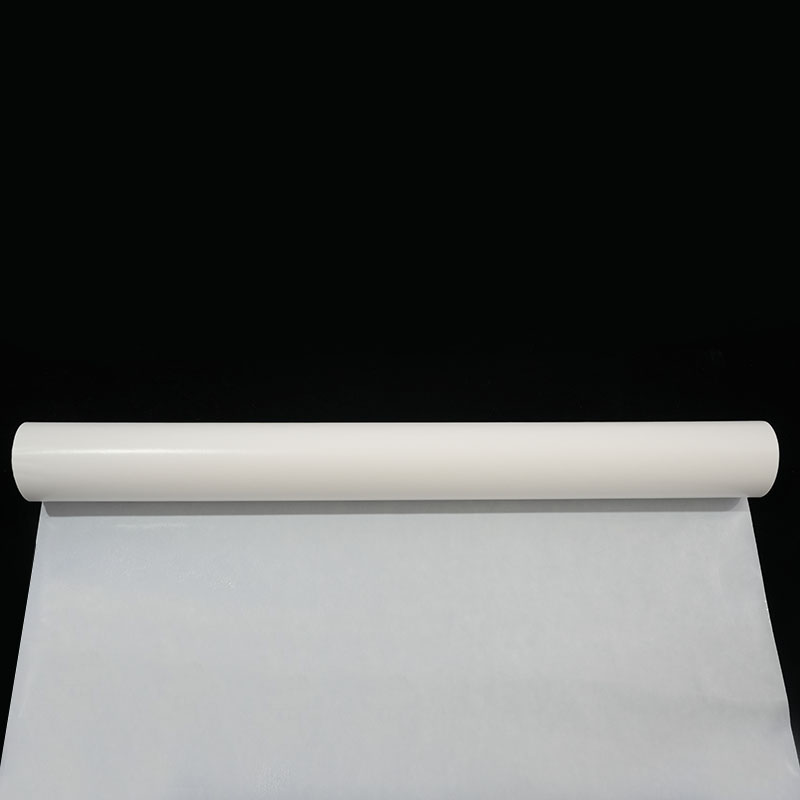
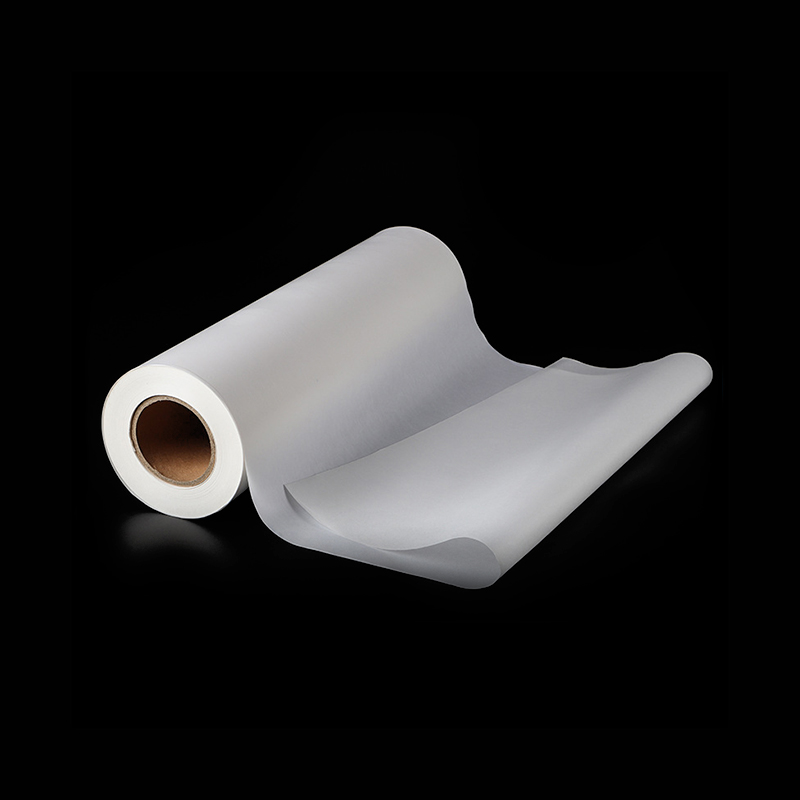
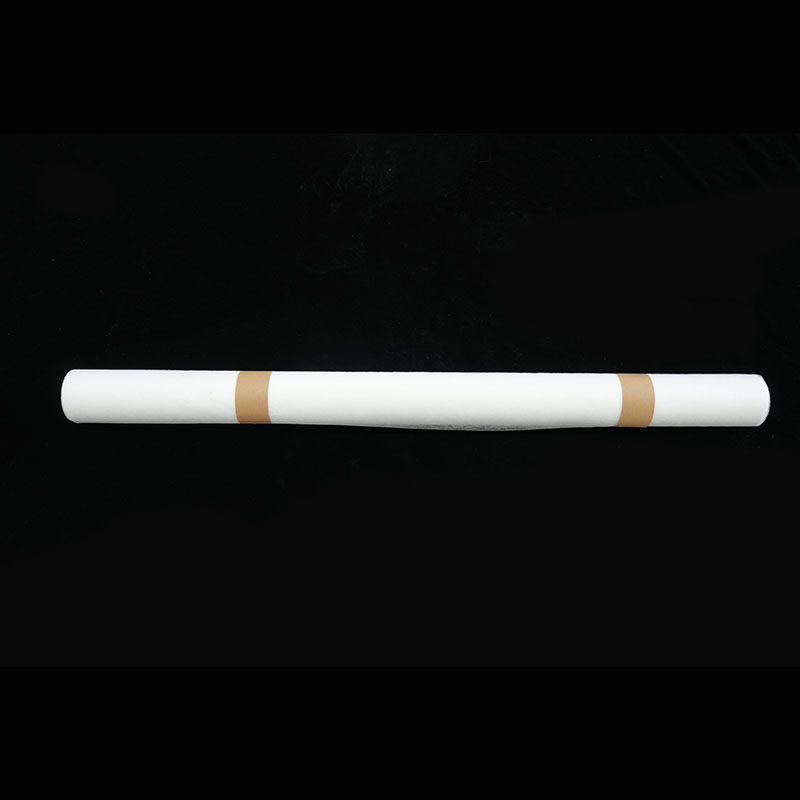
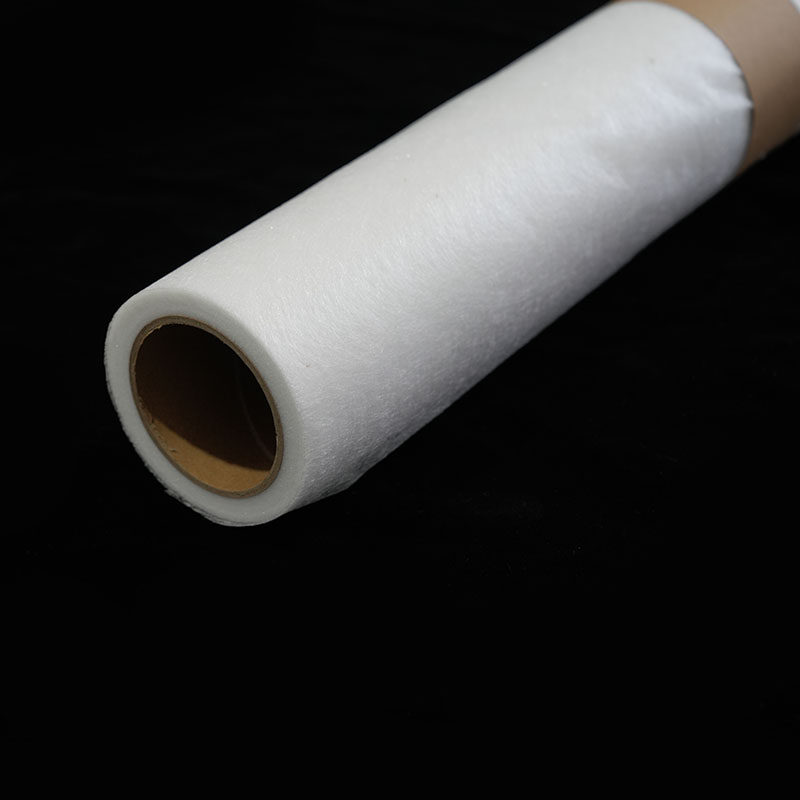
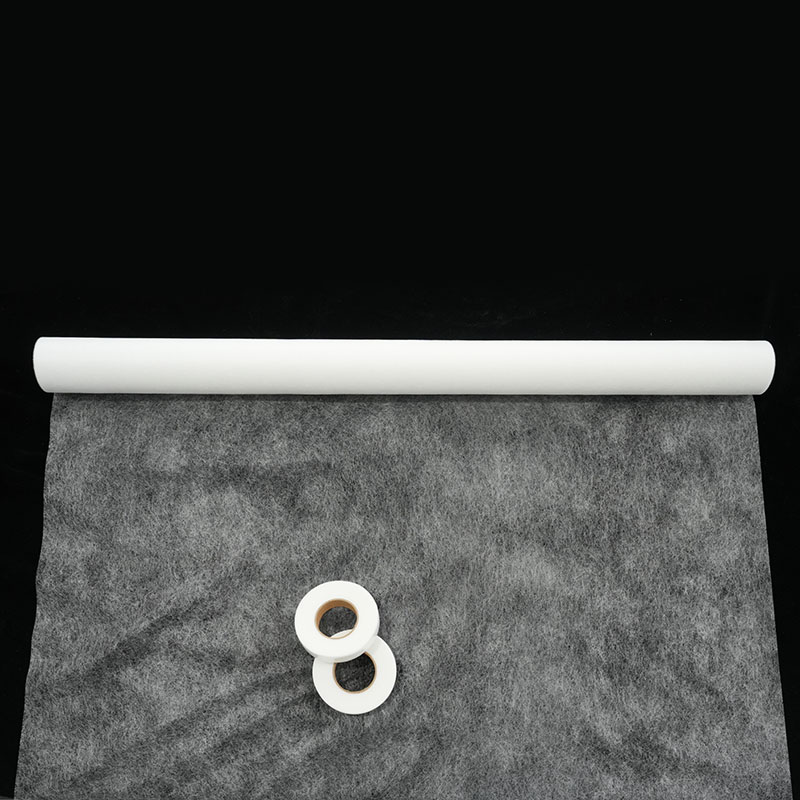
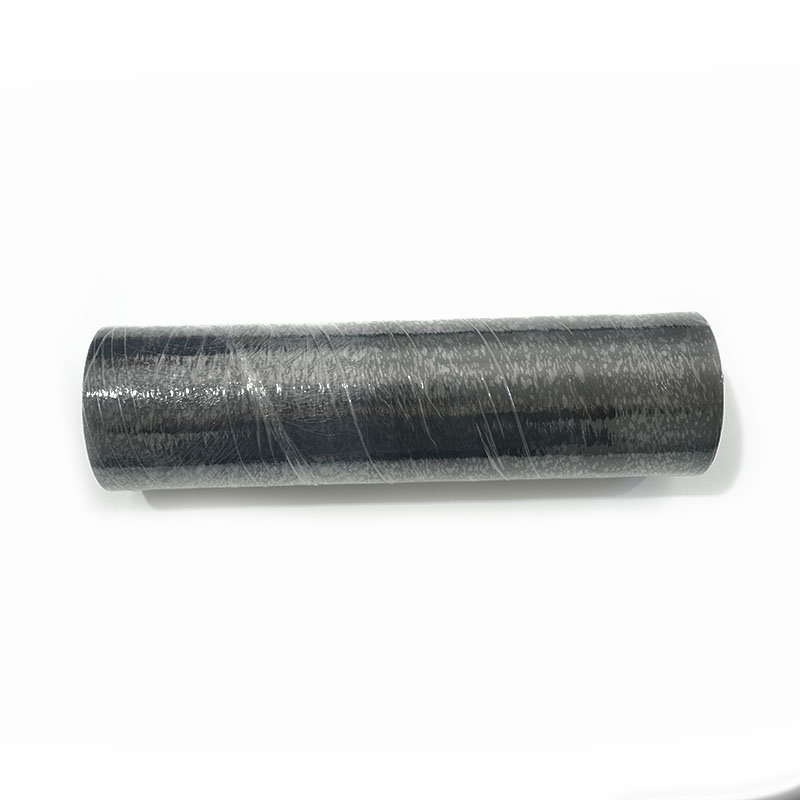
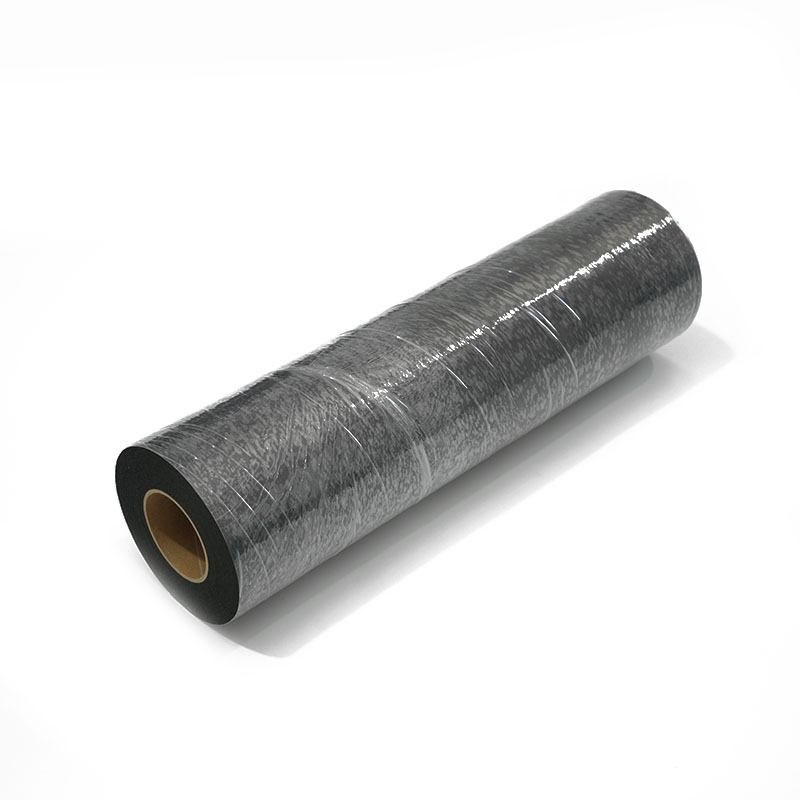
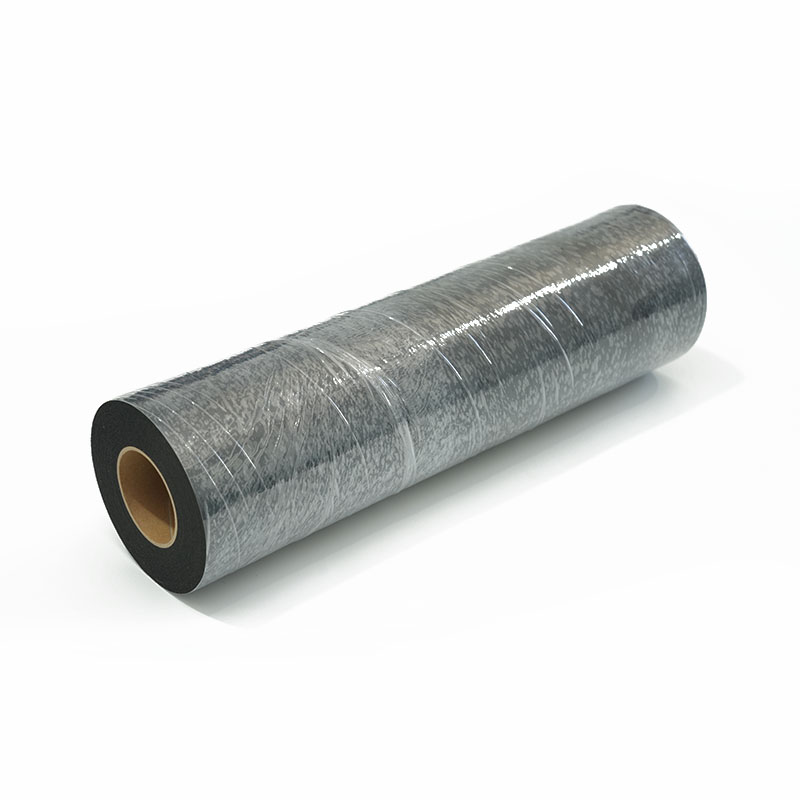
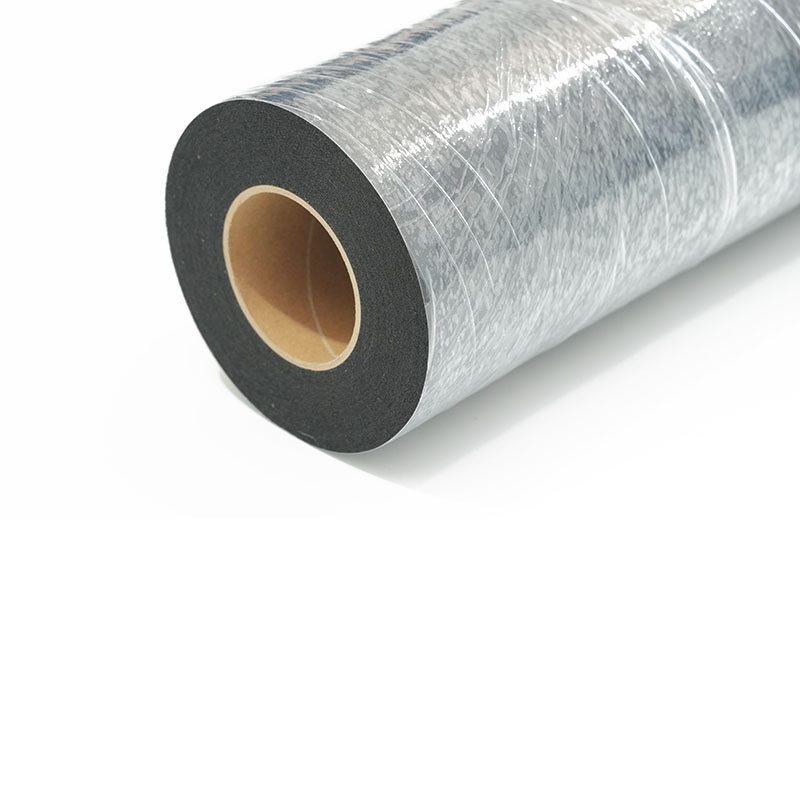
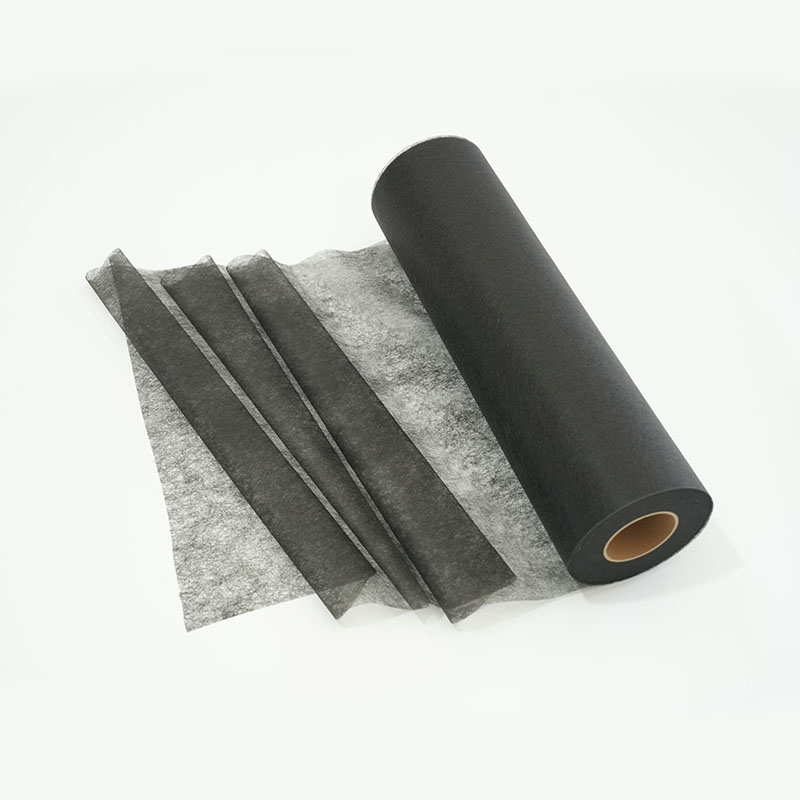
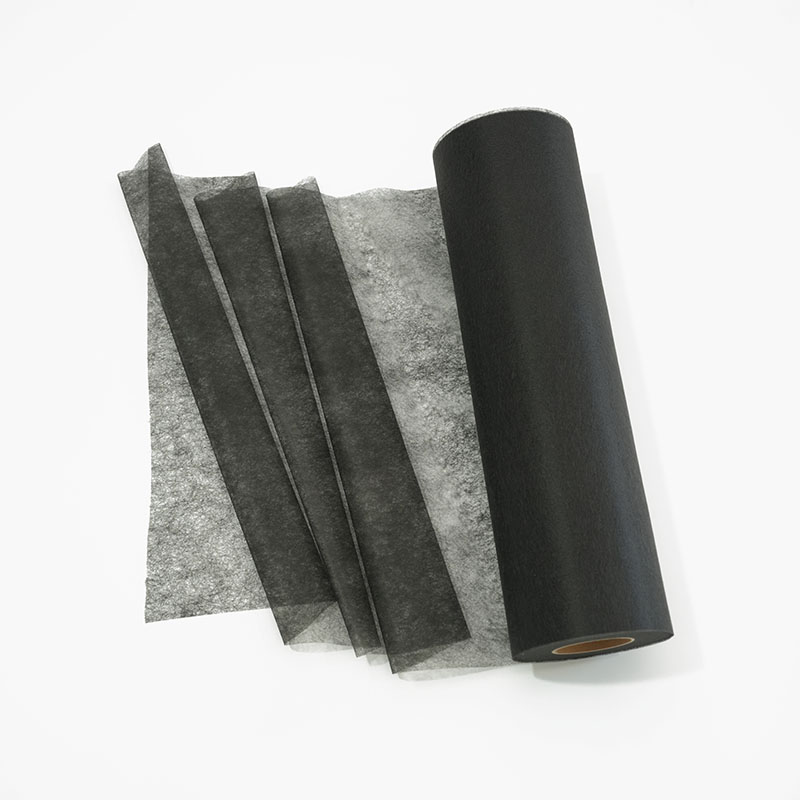
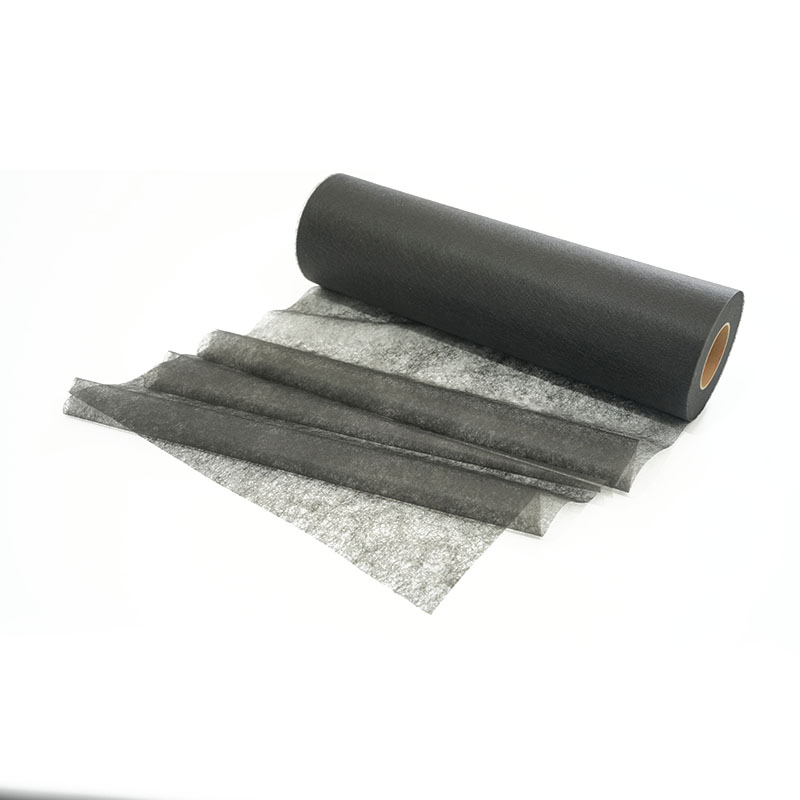
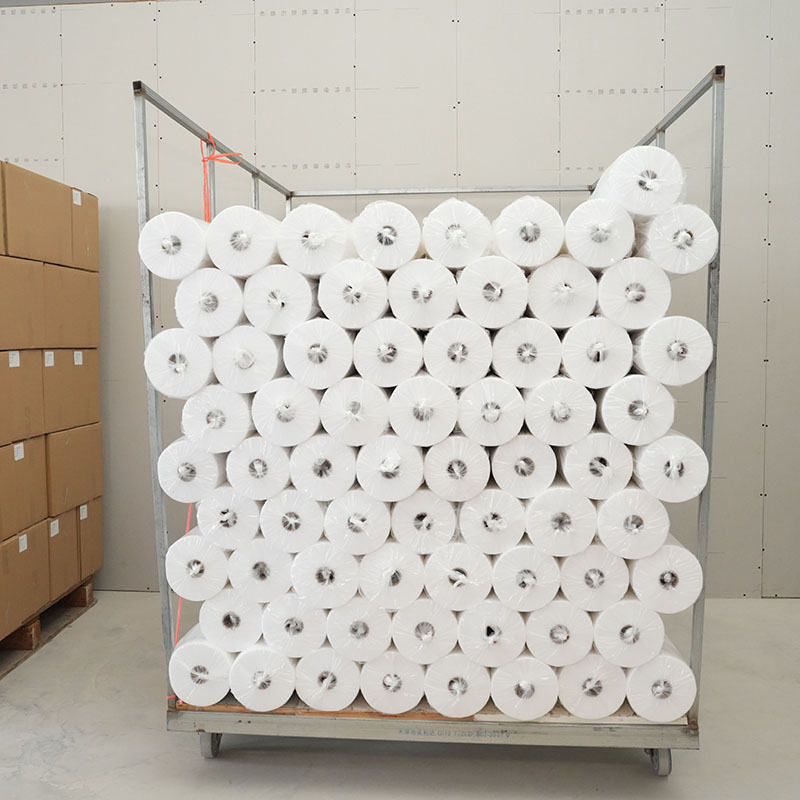
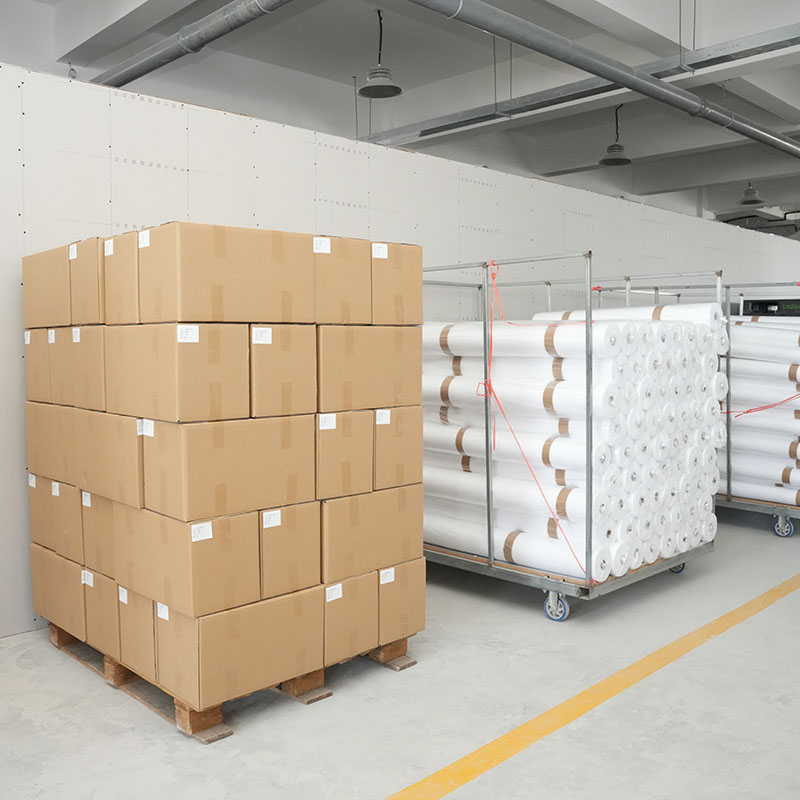
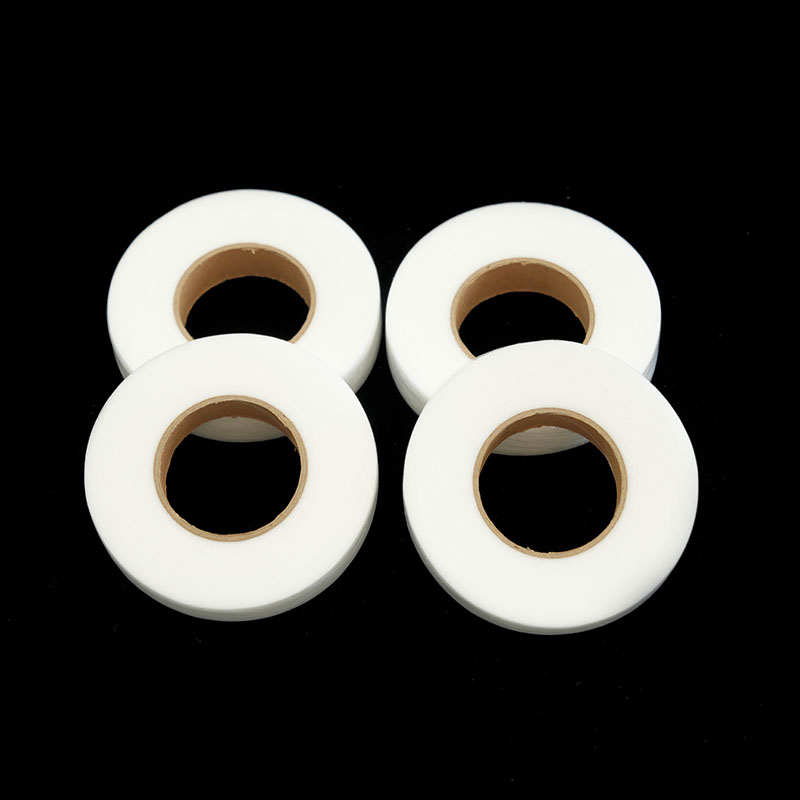
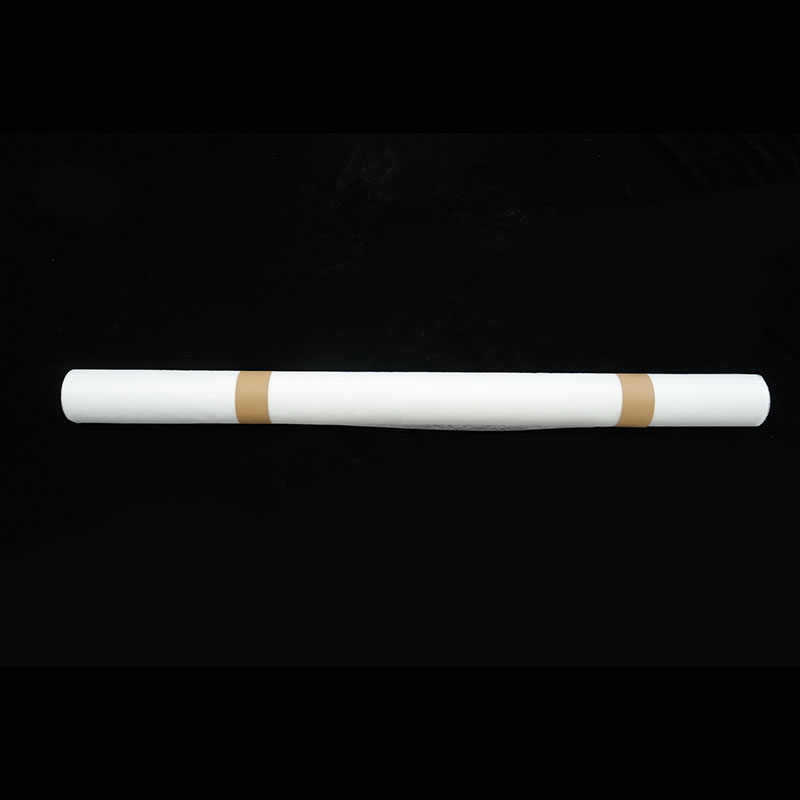
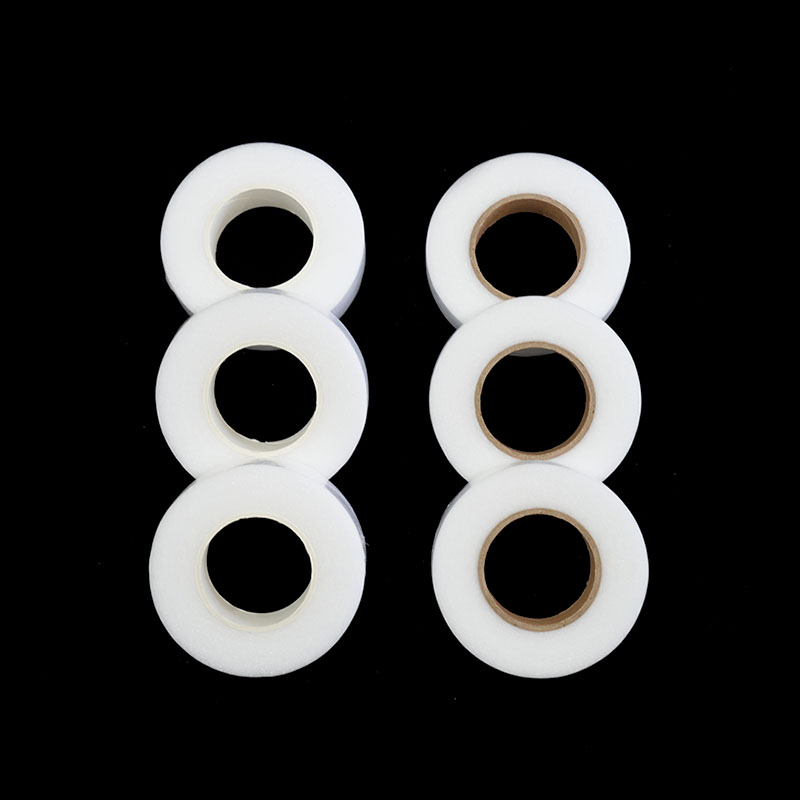
The whole roll format supplies PA adhesive web as a continuous wound roll of defined width and length. This format is suited to production environments where large continuous bonding areas are required, or where operators cut pieces to varying dimensions on-site. Roll supply provides flexibility in piece size and minimizes packaging overhead per unit area of adhesive material.
Nantong Feiang Composite Materials Co., Ltd. produces PA hot melt adhesive web as part of a broader portfolio of hot melt bonding materials, with over six years of manufacturing experience and more than 1,000 projects completed across multiple industrial sectors.
2. Key Material Properties
| Property |
Description |
| Base Resin |
Polyamide (PA / Nylon) |
| Physical Form |
Open mesh web, supplied in continuous roll |
| Activation Method |
Heat and pressure (solvent-free) |
| Bonding Temperature |
Typically 120 to 160 degrees C (varies by grade) |
| Wash Resistance |
High; suitable for repeated laundering |
| Post-Bond Flexibility |
Good; preserves substrate drape in textile use |
| Breathability |
Maintained via open mesh structure |
| Available Grammage Range |
Variable by grade; confirmed on order specification |
3. Roll Format Variants and Specifications
Whole roll supply of PA hot melt adhesive web is defined by a combination of parameters that determine its suitability for specific production processes:
3.1 Roll Width
Roll width determines the maximum usable bonding span in a single pass without lateral joining. Common widths range from narrow strips (50 to 150 mm) for seam bonding applications to wider rolls (1,000 mm and above) for full-surface lamination. Width is selected based on the bonding geometry of the end product.
3.2 Roll Length and Core Diameter
Roll length defines the total usable material per roll and directly affects the number of production cycles between roll changes. Core diameter must be compatible with the unwinding equipment used in the production line. Standard and custom core sizes are available depending on order specification.
3.3 Grammage (GSM)
Grammage (grams per square meter) controls the amount of adhesive deposited per unit area. Lower grammage produces a lighter adhesive layer suitable for lightweight textile bonding where hand feel is critical. Higher grammage is used where bond strength requirements are greater or where substrate surfaces are coarser. Grammage selection is one of the primary variables in PA web specification.
3.4 Mesh Openness
The mesh openness of the web structure affects adhesive coverage density and substrate breathability after bonding. A finer mesh provides more uniform adhesive distribution; a more open mesh reduces adhesive contact area and preserves greater breathability, which is relevant in performance apparel and filtration applications.
4. Roll Format vs. Other Supply Formats
| Attribute |
Whole Roll |
Pre-Cut Sheet |
Cutting Disc |
Custom Die-Cut |
| Dimensional Flexibility |
High |
Medium |
Low (fixed circle) |
Low (fixed shape) |
| On-Site Cutting Required |
Yes |
No |
No |
No |
| Material Waste |
Variable (operator-dependent) |
Low |
Low |
Low |
| Suitability for Continuous Lamination |
High |
Low |
Low |
Low |
| Inventory Simplicity |
High (one SKU, variable cut) |
Medium (size variants) |
Medium |
Low (shape-specific) |
| Best Fit Production Type |
Continuous or variable-dimension bonding |
Fixed-size batch bonding |
Circular patch bonding |
Defined-geometry components |
5. Application Scenarios
Whole roll PA hot melt adhesive web is applied across industries where continuous or high-volume bonding operations are carried out. Key sectors include:
- Clothing and apparel linings: Continuous roll feeding into automated pressing lines for bonding interlining to outer fabric across full garment panel widths. Roll format enables uninterrupted production throughput.
- Footwear component lamination: Bonding upper layers, insole assemblies, and reinforcement materials where variable cutting from roll is required to match pattern shapes.
- Automotive interior trim: Laminating decorative fabric or nonwoven layers to formed panel substrates. Roll supply supports high-volume flat lamination prior to thermoforming.
- Furniture upholstery: Bonding foam, fabric, and backing layers in seat and panel assemblies. Wide rolls are cut to panel dimensions at the production stage.
- Filtration media lamination: Combining filter layers across defined widths in continuous lamination processes. The open web structure preserves filtration airflow paths after bonding.
- Thermal transfer and craft: Providing a repositionable or permanent bonding interface for applied decorative elements across textile surfaces.
6. Processing and Handling
6.1 Equipment Compatibility
Whole rolls are compatible with continuous belt laminators, flatbed heat presses, and calendar bonding systems. The roll must be mounted on an unwind stand with a core holder matching the roll core diameter. Tension control during unwinding affects adhesive web uniformity across the bonding width.
6.2 Cutting Practices
On-site cutting from roll should be performed with sharp blades or rotary cutters to prevent fraying of the mesh edge. Inaccurate or ragged cuts may result in adhesive overhang beyond the substrate edge, which can contaminate press platens or cause bonding irregularities at seam edges.
6.3 Storage Requirements
Rolls should be stored horizontally or vertically on the core in a cool, dry environment, away from direct sunlight, heat sources, and humidity. Rolls should remain in original packaging until use. PA resin can absorb moisture over time, which may affect melt viscosity and bond performance if the material is stored improperly prior to processing.
7. Frequently Asked Questions (FAQ)
Q: What roll widths and lengths are available?
A: Roll dimensions including width, length, and core size are confirmed at the order stage. Nantong Feiang supplies PA hot melt adhesive web in specifications matched to customer production requirements. Standard and custom roll dimensions are both available depending on volume and application.
Q: How is the correct grammage selected for a given application?
A: Grammage selection depends on the substrate type, required bond strength, acceptable hand feel, and end-use conditions such as wash cycles or temperature exposure. Lower grammage is typically used for lightweight fabrics; higher grammage for heavier or more demanding bonding requirements. Grammage selection should be validated by bonding trials prior to full production.
Q: Can PA hot melt adhesive web in roll format be used with automated feeding systems?
A: Yes. Whole rolls are designed for integration with automated unwind and laminating equipment. Roll tension, speed, and alignment must be set according to the equipment specifications and the web grammage to avoid distortion of the mesh during feeding.
Q: What is the shelf life of PA hot melt adhesive web in roll format?
A: Shelf life depends on storage conditions and the specific PA formulation. Under recommended storage conditions (cool, dry, sealed packaging), PA hot melt adhesive web maintains its bonding performance for the duration specified by the product grade. Users should confirm shelf life parameters with Nantong Feiang at the time of order.
Q: Does the open mesh structure affect bond uniformity compared to a solid film?
A: The open mesh structure distributes adhesive in a patterned rather than continuous layer. This results in bonding through discrete contact points rather than full-surface coverage. For most textile and composite bonding applications, this provides sufficient bond strength while maintaining substrate breathability. Applications requiring a fully sealed interface should consider PA film rather than PA web.


 English
 中文简体
中文简体 Español
 عربى
عربى