


 English
 中文简体
中文简体 Español
 عربى
عربى
For most perfect binding lines, the answer is simple: use an EVA-based hot melt adhesive for the spine, and switch to PUR only when you need extra flexibility for coated papers or heavy book blocks. EVA hot melt adhesive is a solvent-free thermoplastic polymer that melts in a heated reservoir, is applied to the book spine, and cools within seconds to form a strong, flexible bond. If you are choosing a bookbinding adhesive today, focus on three variables first: the paper type, the binding line speed, and the required open time. Everything else—viscosity, softening point, and thermal stability—follows from those three.
Content
- What Is Hot Melt Adhesive for Bookbinding?
- Why EVA Hot Melt Adhesive Still Leads in Perfect Binding
- EVA vs PUR vs PVA: Comparison for Bookbinding
- Key Specifications to Check Before Buying
- How to Match Adhesive to Binding Line Speed and Paper Type
- Common Bookbinding Defects and Adhesive Fixes
- Frequently Asked Questions
What Is Hot Melt Adhesive for Bookbinding?
Hot melt adhesive for bookbinding is a 100% solid thermoplastic adhesive that is applied molten and sets by cooling, not by drying or chemical curing. In bookbinding, this adhesive is used mainly for perfect binding, where the trimmed book block is clamped and the spine is coated with a molten polymer that penetrates the paper edges and locks the signatures together. The most common chemistry is EVA (ethylene-vinyl acetate), followed by PUR (polyurethane reactive) for premium or difficult substrates. PVA (polyvinyl acetate) is a water-based emulsion used in some craft and short-run binding, but it is not a hot melt and behaves very differently on a production line.
A hot melt adhesive for bookbinding must do more than stick pages together. It must remain flexible after cooling, resist cold cracking, tolerate repeated opening and closing, and hold up under temperature changes during shipping and storage. That is why the same adhesive that works for a thin paperback may fail on a thick catalog or a glossy art book.
Why EVA Hot Melt Adhesive Still Leads in Perfect Binding
EVA hot melt adhesive dominates perfect binding because it offers the best balance of cost, speed, and flexibility for standard uncoated and lightly coated papers. EVA melts quickly, applies at relatively low temperatures, and sets in milliseconds, which keeps high-speed binding lines productive. It also accepts a wide range of tackifiers and waxes, so formulators can adjust open time, viscosity, and adhesion without changing the base polymer.
For books printed on offset or groundwood paper, EVA usually provides more than enough bond strength. The main limitation appears when the spine is made from heavily coated, glossy, or synthetic paper. Those surfaces can be hard to penetrate, and EVA may not wet them well enough to form a reliable mechanical lock. In those cases, PUR is the safer choice because it cures with moisture and forms a stronger chemical bond.
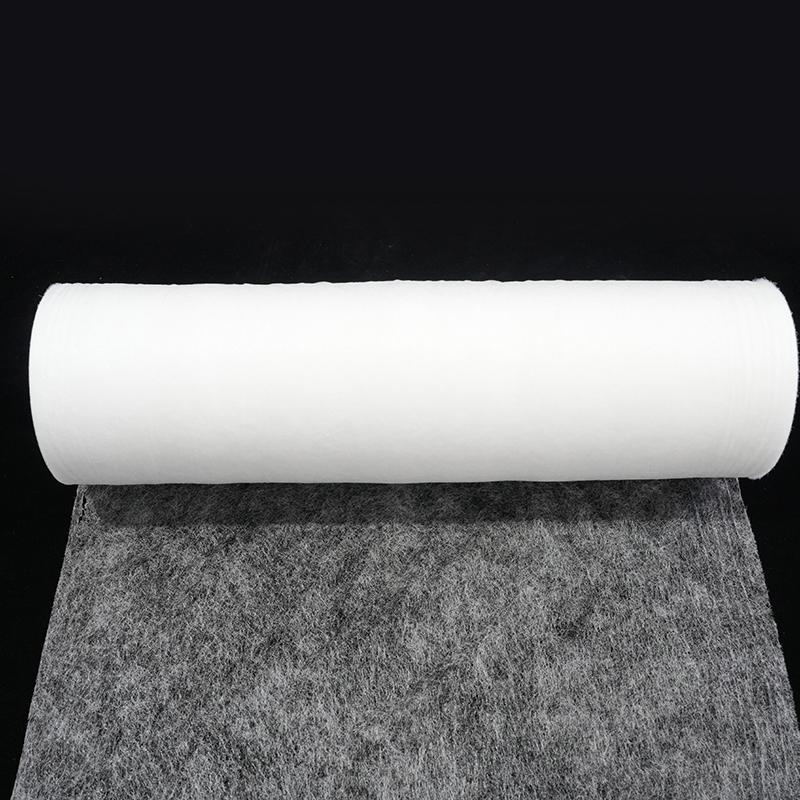
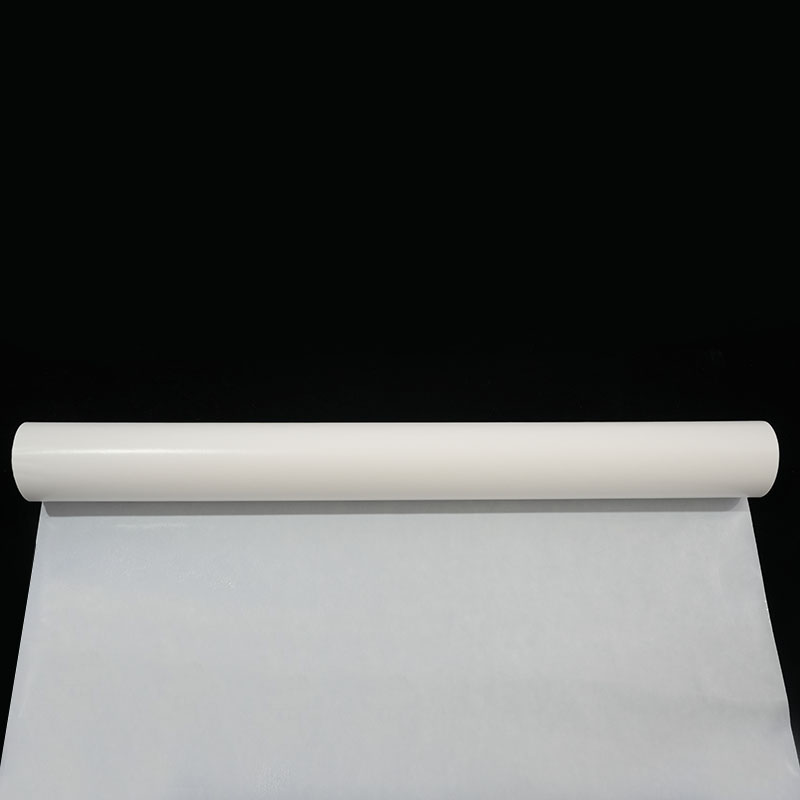
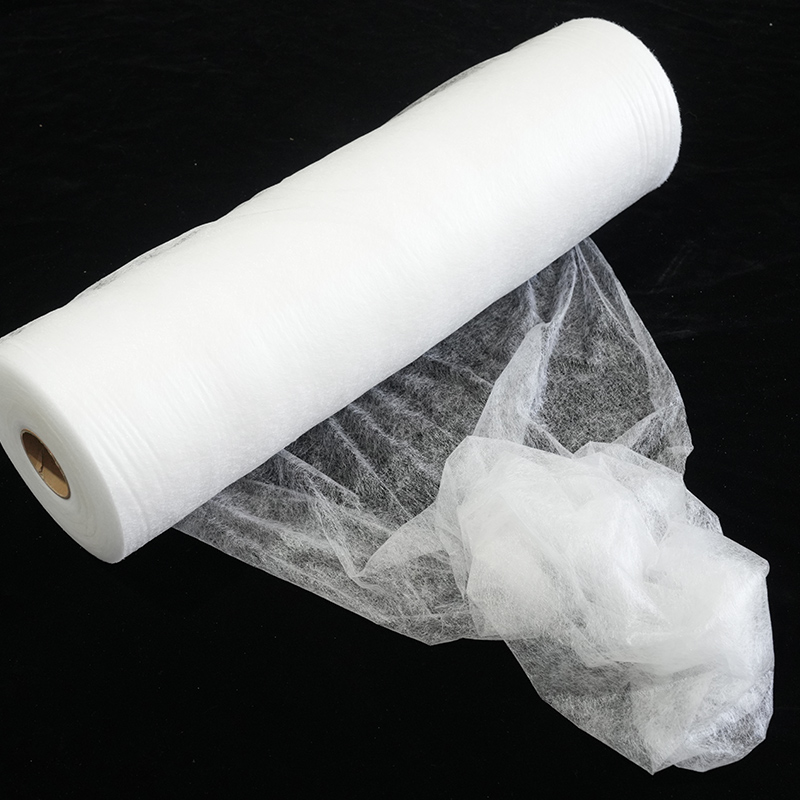 EVA Low Temperature Hot Melt Adhesive WebOpen-mesh EVA web with 70–110°C activation for heat-sensitive substrates, useful for book spine lining and reinforcement where standard spine gluing may warp text blocks.View Product →
Temperature-sensitive book blocks also benefit from a low-temperature EVA option. When the paper or cover stock cannot tolerate standard spine glue temperatures, a low-temperature EVA hot melt adhesive web can bond spine lining and reinforcement without warping the text block or blistering the cover.
EVA vs PUR vs PVA: Comparison for Bookbinding
EVA is the workhorse for high-volume perfect binding, PUR is the performance choice for coated papers and heavy books, and PVA is a slower, water-based option for craft or small-batch work. The table below summarizes the practical differences that matter on a binding line.
| Property | EVA Hot Melt | PUR Hot Melt | PVA Emulsion |
|---|---|---|---|
| Application method | Hot melt tank or nozzle | Hot melt with moisture curing | Cold glue roller or brush |
| Set speed | Seconds | Seconds to minutes, then cures over hours | Minutes to hours |
| Bond flexibility | Good for standard papers | Excellent, even at low temperatures | Flexible but slower |
| Best paper type | Uncoated, offset, groundwood | Coated, glossy, synthetic, heavy blocks | Craft, short-run, archival |
| Heat resistance | Moderate | High after full cure | Low |
| Production speed | Very high | High | Low |
| Relative cost | Low | High | Medium |
If your line runs at 6,000 to 12,000 books per hour and the paper is standard, EVA is almost always the right call. If the book block is thicker than 25 mm, uses coated stock, or must lie flat after repeated opening, PUR justifies its higher cost. PVA is best reserved for restoration, hand binding, or very small runs where speed is not critical.
Key Specifications to Check Before Buying
Before you approve a hot melt adhesive for bookbinding, check five specifications: viscosity, softening point, open time, adhesion to the chosen paper, and thermal stability. Viscosity determines how well the adhesive penetrates the spine and how it behaves in the applicator. Softening point controls the minimum application temperature and the upper service temperature. Open time is the window between application and clamping—too short and the bond fails, too long and the line slows down. Adhesion must be tested on the actual book block, not just on a lab substrate. Thermal stability ensures the adhesive does not char or gel in the tank during a long shift.
- Viscosity: typically 1,000–4,000 mPa·s at application temperature for perfect binding.
- Softening point: often 80–105 °C for EVA; higher for PUR and for hot climates.
- Open time: usually 3–10 seconds for high-speed lines, longer for manual or slower equipment.
- Adhesion: test with a page-pull or spine-pull test after 24 hours of conditioning.
- Thermal stability: check for charring after 48–72 hours at application temperature.
Ask your supplier for a technical data sheet and a sample for trial. A small change in wax or tackifier can shift open time by several seconds, which is enough to cause weak spines or adhesive squeeze-out on the cover.
How to Match Adhesive to Binding Line Speed and Paper Type
Match the adhesive to the slowest common denominator: the paper. Coated papers need an adhesive with higher polarity and better wetting, which usually means PUR or a specially formulated EVA. High-speed lines need a shorter open time and a lower viscosity so the adhesive can be applied thin and fast. Slow lines can use a longer open time and a higher viscosity without losing productivity.
For books with foil stamping or specialty covers, adhesive selection must also consider printing and hot stamping applications, because heat and pressure during stamping can re-soften a low-softening-point adhesive and cause the spine to shift. In those cases, choose an adhesive with a higher softening point or reduce the stamping temperature.
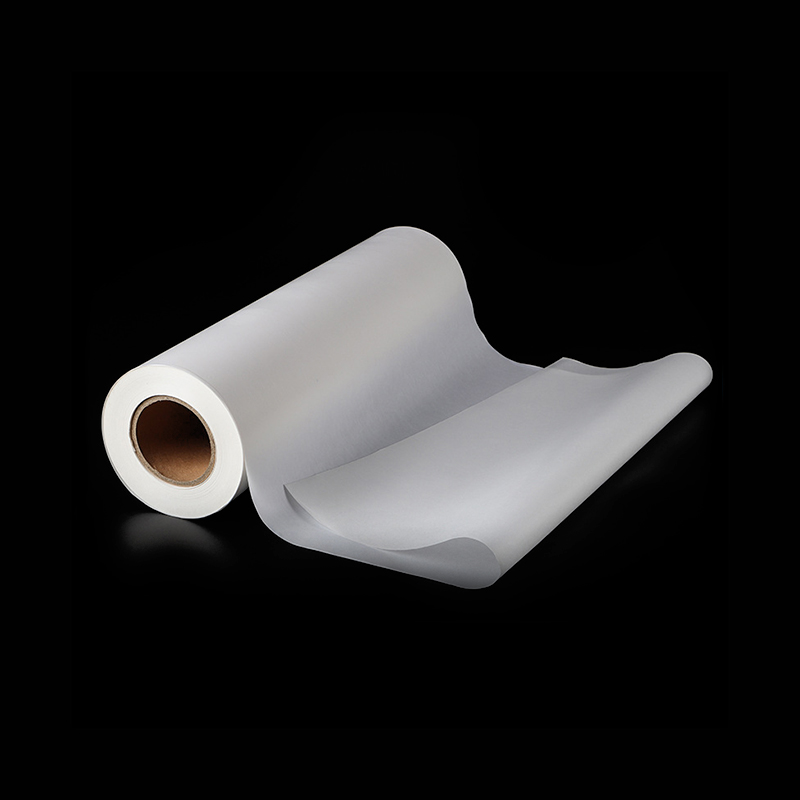
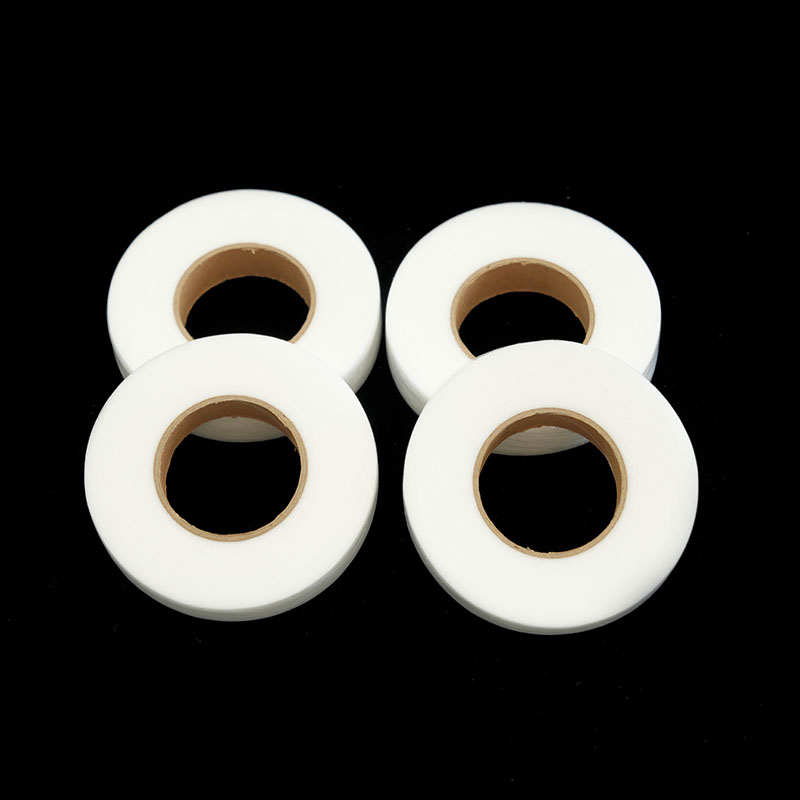 Custom PA Hot Melt Adhesive WebPolyamide open-mesh web with 110–160°C activation, high peel and shear strength, suited to hardcover spine reinforcement and higher-softening-point applications.View Product →
For hardcover books, the spine lining and crash material often need a separate bonding step. A PA hot melt adhesive web delivers high flexibility and durability, making it suitable for reinforcing the spine of case-bound books without adding excessive stiffness. Unlike liquid adhesives, a web can be pre-positioned and activated with heat, which reduces overspray and keeps the binding area clean.
Common Bookbinding Defects and Adhesive Fixes
Most bookbinding defects trace back to adhesive selection, application temperature, or clamping pressure—not to the binder itself. Weak spine, cold cracking, and page pull-out are the three most common complaints, and each has a specific adhesive-related fix.
- Weak spine bond: increase application temperature slightly, check open time, and verify that the adhesive is penetrating the paper edges rather than sitting on top.
- Cold cracking: switch to a more flexible EVA or PUR, especially for books stored or shipped in cold climates.
- Page pull-out: test adhesion on the actual paper; coated stocks may need a primer or a PUR adhesive.
- Adhesive squeeze-out: reduce coating weight, raise viscosity, or adjust clamping pressure.
- Spine shift during trimming: increase softening point or reduce the temperature of downstream processes such as foil stamping.
Keep a log of adhesive batch, tank temperature, line speed, and paper supplier. When a defect appears, the log usually reveals whether the adhesive or the process has drifted.
Frequently Asked Questions
Is hot melt adhesive strong enough for perfect binding?
Yes. EVA hot melt adhesive is strong enough for most perfect-bound books when it is matched to the paper and applied at the correct temperature. For heavy or coated book blocks, PUR provides a stronger and more flexible bond.
Can I use the same hot melt adhesive for paperback and hardcover books?
Not always. Paperback books usually use EVA for the spine. Hardcover books may need a more flexible adhesive for the spine lining and crash, and the case itself is often glued with a different formulation. Check the adhesive’s flexibility and heat resistance before switching.
How do I test a new hot melt adhesive before production?
Run a trial with at least 50 book blocks. Condition them for 24 hours, then perform a page-pull test and a spine-pull test. Also check the book in a cold chamber and at elevated temperature if the book will be shipped internationally.
What causes a hot melt adhesive to lose bond strength over time?
Oxidation, moisture, and repeated temperature cycling. An adhesive with poor thermal stability can char in the tank, which reduces adhesion. Store adhesive in a dry area and avoid holding it at application temperature for more than 72 hours.
Choosing the right hot melt adhesive for bookbinding comes down to matching the chemistry to the paper, the binding line, and the book’s service life. EVA remains the most practical choice for standard perfect binding, while PUR earns its cost on coated papers and heavy blocks. Test on the actual book block, control the open time and application temperature, and keep a process log. That approach prevents most spine defects before they reach the reader.


Contact Us