


 English
 中文简体
中文简体 Español
 عربى
عربى
Hot melt adhesives are thermoplastic bonding materials that are applied in a molten state and set simply by cooling. Their primary applications are packaging, automotive interiors, textiles and footwear, furniture, filtration, electronics, leather goods, printing, and solar energy - any production line that needs fast, solvent-free bonds without drying ovens or solvent extraction systems.
This guide answers three practical questions first: where hot melt adhesives work best, which form and polymer to specify, and what process variables decide whether a bond passes or fails in service.
Content
- What Are Hot Melt Adhesives and Why Do Industries Choose Them?
- Hot Melt Adhesive Applications at a Glance
- Application Breakdown by Industry
- Choosing the Right Form: Film, Web, or Powder
- Selecting the Right Polymer: EVA, PA, PES, or TPU
- Process Variables That Determine Bond Quality
- Frequently Asked Questions
What Are Hot Melt Adhesives and Why Do Industries Choose Them?
Industries choose hot melt adhesives because they set in seconds, contain no water or solvent, and store well at room temperature. That combination lets production lines run faster, eliminates drying tunnels, cuts energy use, and reduces VOC emissions, which is why hot melts dominate case sealing, lamination, and assembly operations.
The principle is simple: a thermoplastic polymer is heated until it flows, applied to the substrate, and then pressed. As the adhesive cools below its softening point, it gains cohesive strength. Since no chemical cross-linking is required, the bond remains reversible under heat - an advantage for reprocessing but a limit for high-temperature service.
- Bond strength develops in seconds rather than hours
- No solvent recovery, ventilation, or drying equipment is needed
- Long shelf life under ordinary warehouse conditions
- Clean application with minimal waste and easy automation
Hot Melt Adhesive Applications at a Glance
The table below summarizes the main industries, the bonding tasks performed, and the hot melt forms typically used in each application area.
| Industry | Typical bonding tasks | Commonly used forms |
|---|---|---|
| Packaging | Case sealing, carton closing, tray forming | EVA hot melts applied through nozzles or wheels |
| Automotive interiors | Headliners, door panels, trunk trim lamination | PA and TPU films and webs |
| Textiles and apparel | Garment interlining, fabric lamination | PES powder, PA web |
| Footwear | Upper-to-lining bonding, insole assembly | TPU film, PA web |
| Furniture and woodworking | Edge banding, veneer lamination, profile wrapping | EVA and PA films |
| Filtration | Pleat stabilization, media lamination | PES powder, thin webs |
| Electronics and phone cases | Fabric-to-plastic lamination, decorative layer bonding | TPU films, thin webs |
| Solar energy | Photovoltaic module encapsulation | Cross-linking EVA film |
| Leather goods | Lining bonding, edge folding, seam sealing | PA web, TPU film |
| Printing and hot stamping | Foil stamping, hologram transfer | Hot melt powders and films |
Application Breakdown by Industry
The following sections explain what each industry requires and what specification logic leads to a reliable bond.
Packaging and Carton Sealing
Packaging is the largest hot melt application because carton closing and tray forming demand an adhesive that sets before the next carton reaches the compression station. EVA-based hot melts are the standard choice here because they provide strong bonds to coated and recycled board at fast line speeds, and they tolerate the temperature swings of warehouses and transport.
Automotive Interiors
Automotive interior assembly uses hot melt films and webs to bond headliners, door panels, and trunk trim because they join lightweight nonwovens, foams, and fabrics without solvent fumes. PA and TPU grades are preferred where summer heat, humidity, and long-term aging matter; these materials are widely used in automotive interior applications that must meet strict emission and weight targets.
Textiles, Footwear, and Garment Interlining
For textile lamination and shoe assembly, the priority is a bond that survives washing, flexing, and dry cleaning. PES powder is commonly applied as a dot coating on garment interlining because the pattern keeps the fabric breathable, while PA webs are used for stretchy and lightweight laminates where a continuous but flexible adhesive layer is required.
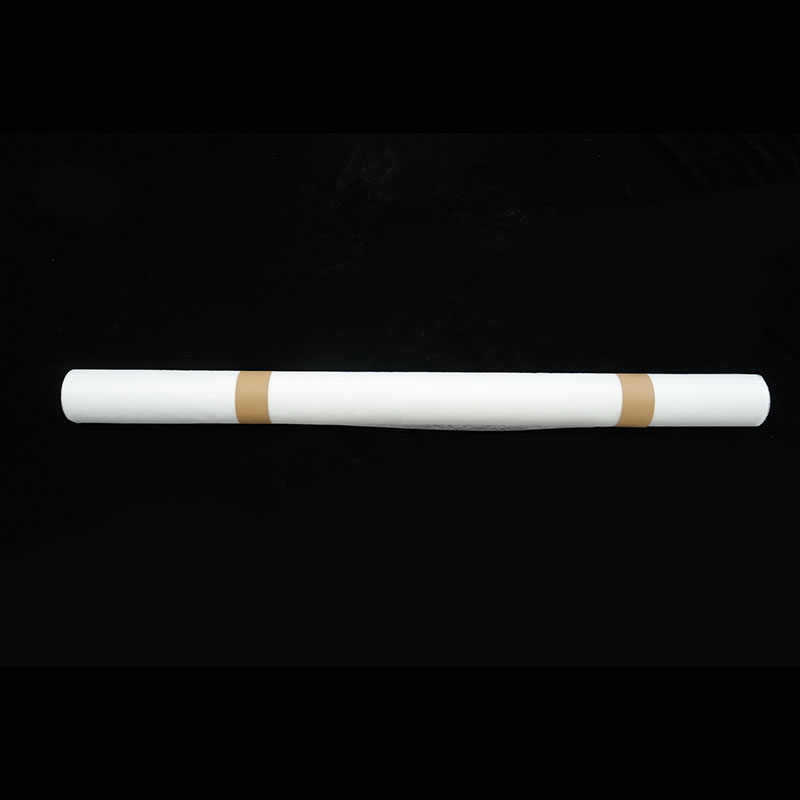
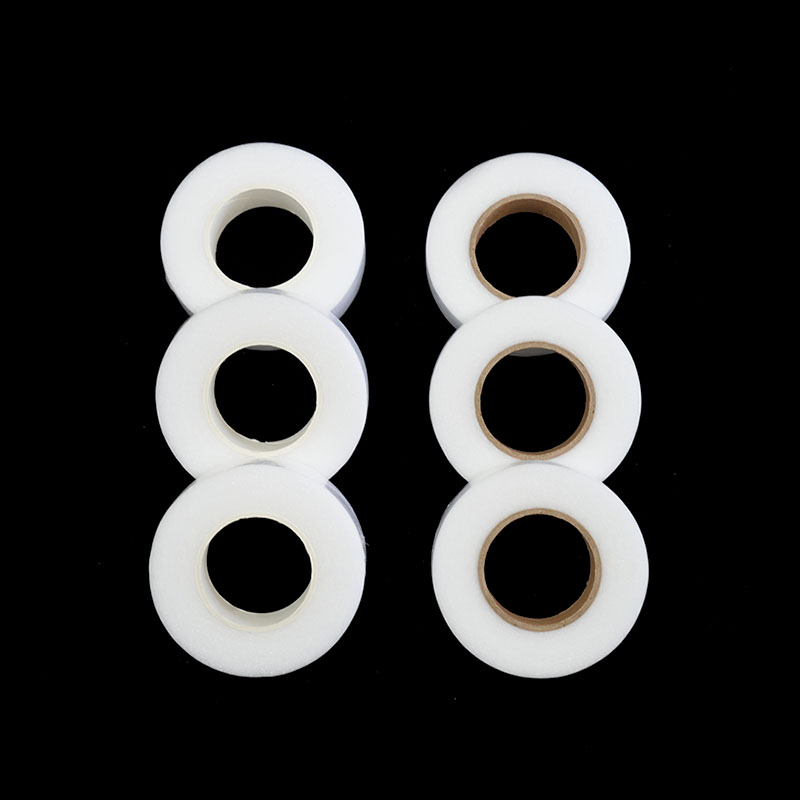
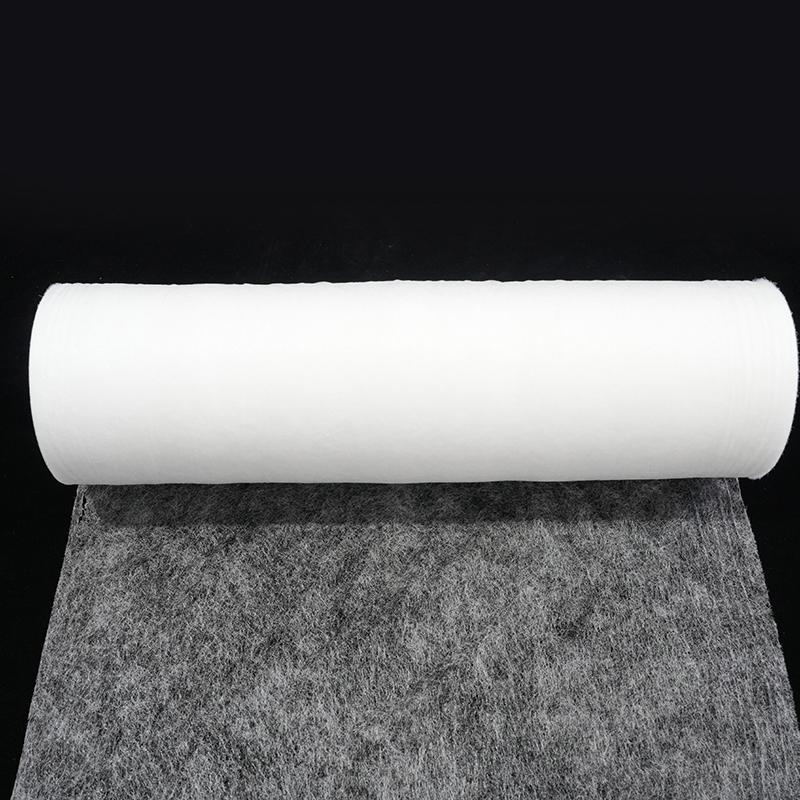
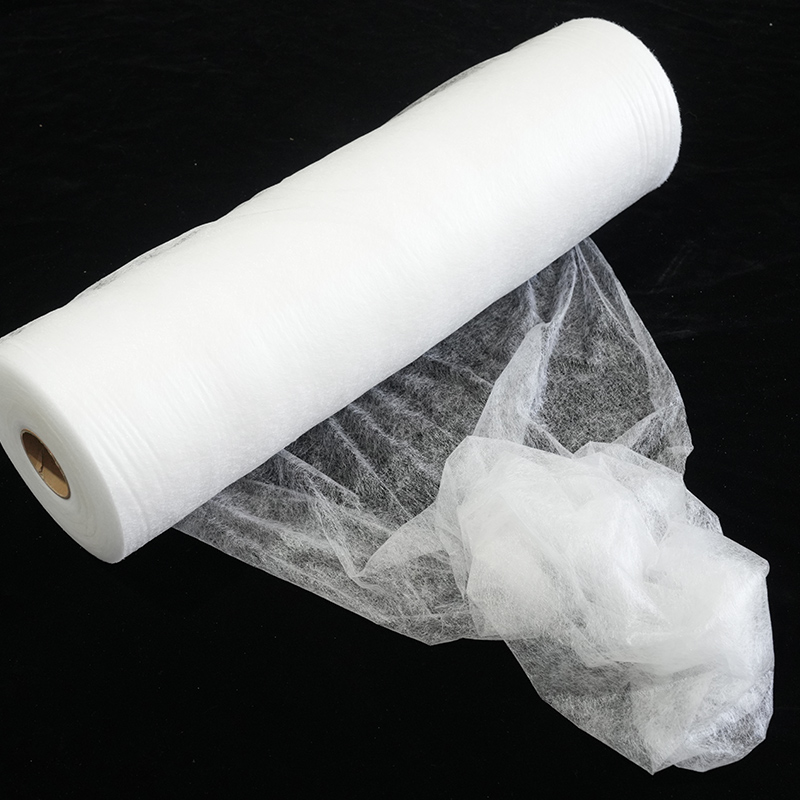
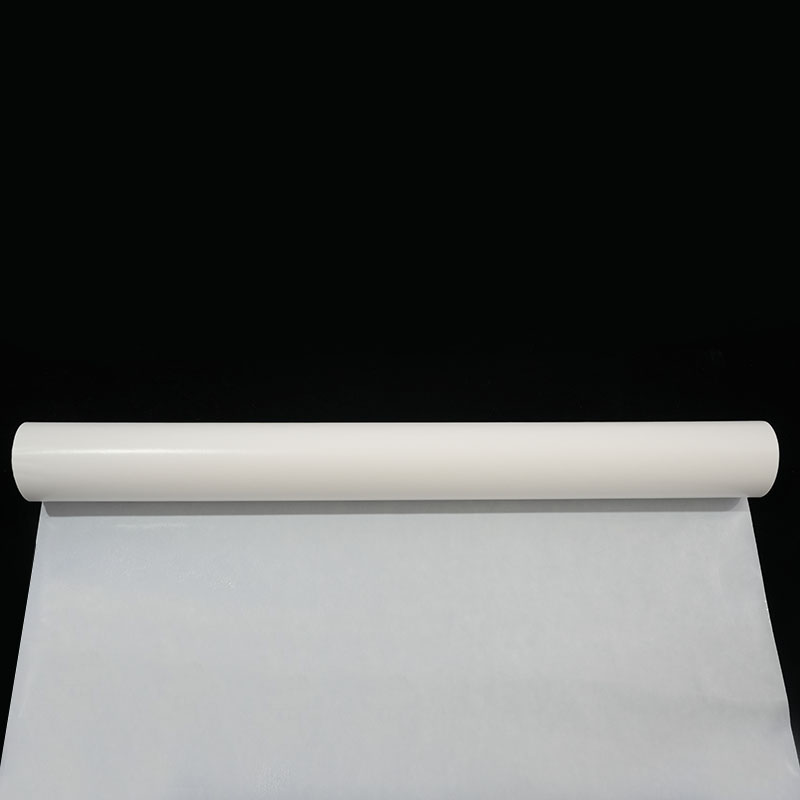
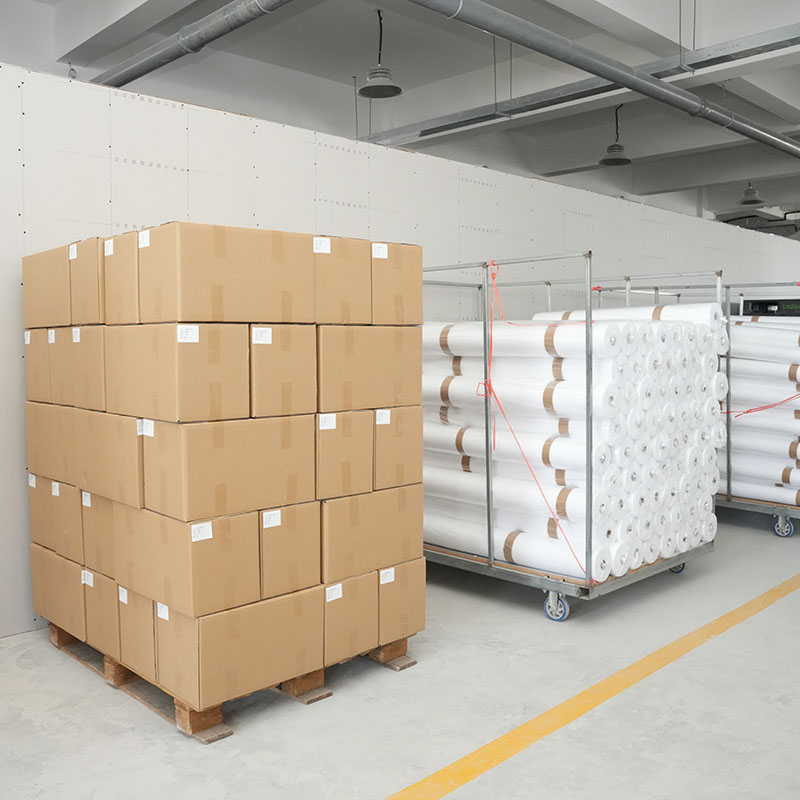 PA Hot Melt Adhesive Web on a Full Roll for Continuous LaminationThis full-roll polyamide adhesive web offers a breathable, flexible bond for garment interlining and stretchable laminates, with dry-cleaning resistance and a melting point around 120–132°C.View Product →
TPU films appear in shoe uppers and athletic apparel where elasticity and abrasion resistance are non-negotiable, and the same web can bond knitted and woven layers without stiffness.
Furniture and Woodworking
Edge banding, veneer lamination, and profile wrapping were among the first hot melt uses in woodworking because fast setting removes the need for clamps and presses. EVA hot melts work well on interior furniture, while PA formulations withstand the heat and moisture found in kitchens and bathrooms.
Leather Goods and Accessories
Leather goods manufacturers use hot melt webs to bond linings, fold edges, and close seams where sewing is slow, visible, or prone to seam slippage. For bags, belts, and footwear uppers, PA webs provide a strong, wash-resistant bond, and the question of replacing traditional sewing in leather goods production usually comes down to part geometry and the elastic recovery of the final product.
Electronics and Mobile Phone Cases
In electronics and phone case assembly, thin TPU films and webs bond fabric, faux leather, and plastic panels with precise control and no adhesive bleed. The thin, uniform layer also contributes to dimensional stability and consistent feel, which is why TPU film with a backing paper is used where the adhesive must be handled, positioned, and pressed without stretching.
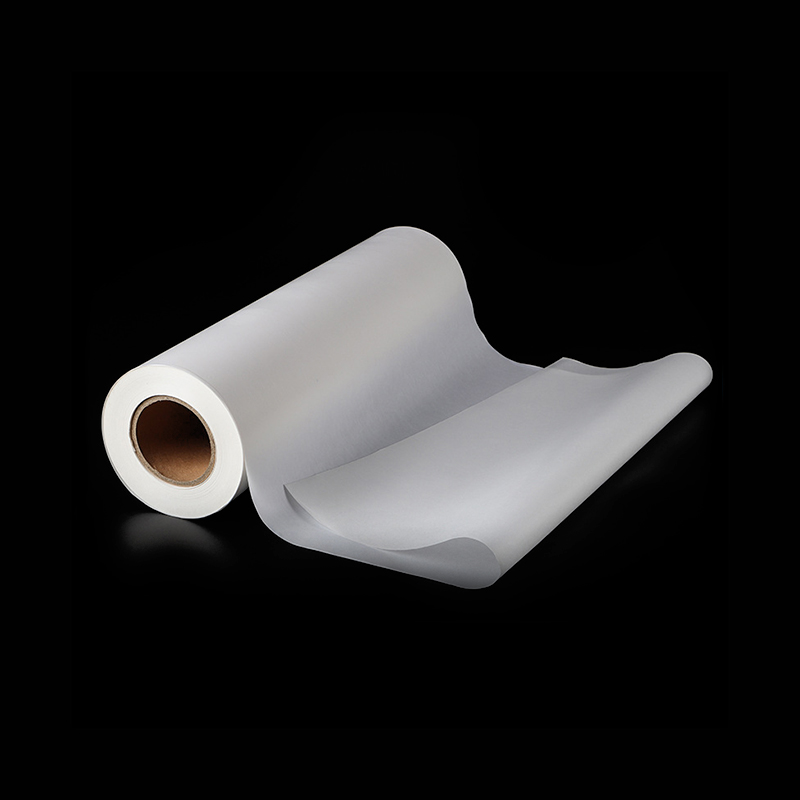
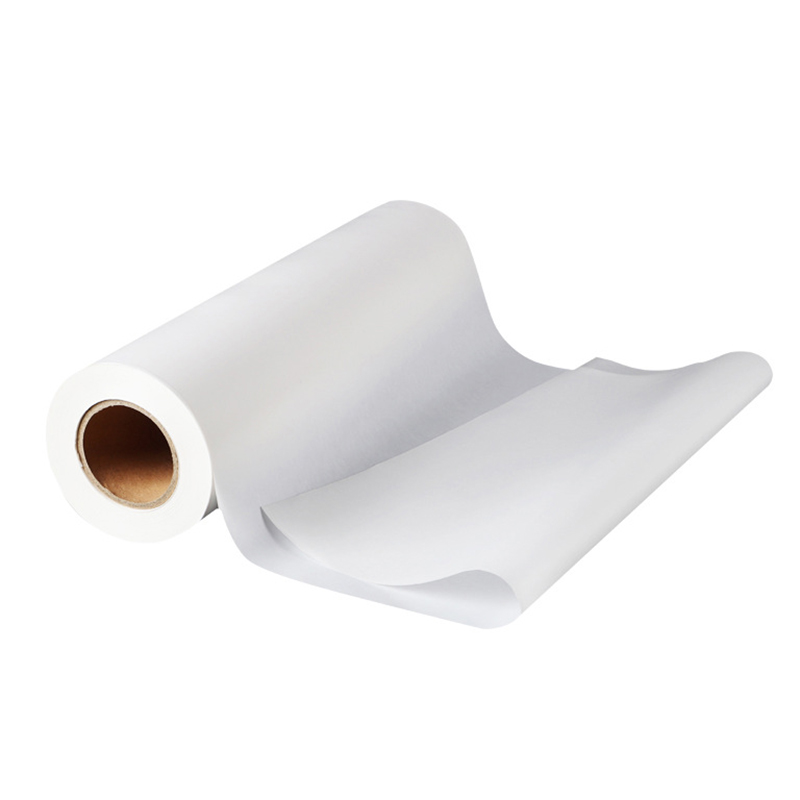 Elastic TPU Hot Melt Adhesive Film with Release PaperThis transparent film adhesive features elastic bonding and washability, ideal for electronics or phone case assembly where precise, bleed-free adhesion on fabric or faux leather is required.View Product →
Filtration
Filtration manufacturers use hot melt powder and web to stabilize pleats and laminate media while preserving airflow and porosity. PES powder is common in these applications because it resists heat, hydrolysis, and many chemicals found in industrial filters, and it can be applied in dots that do not block the filter surface.
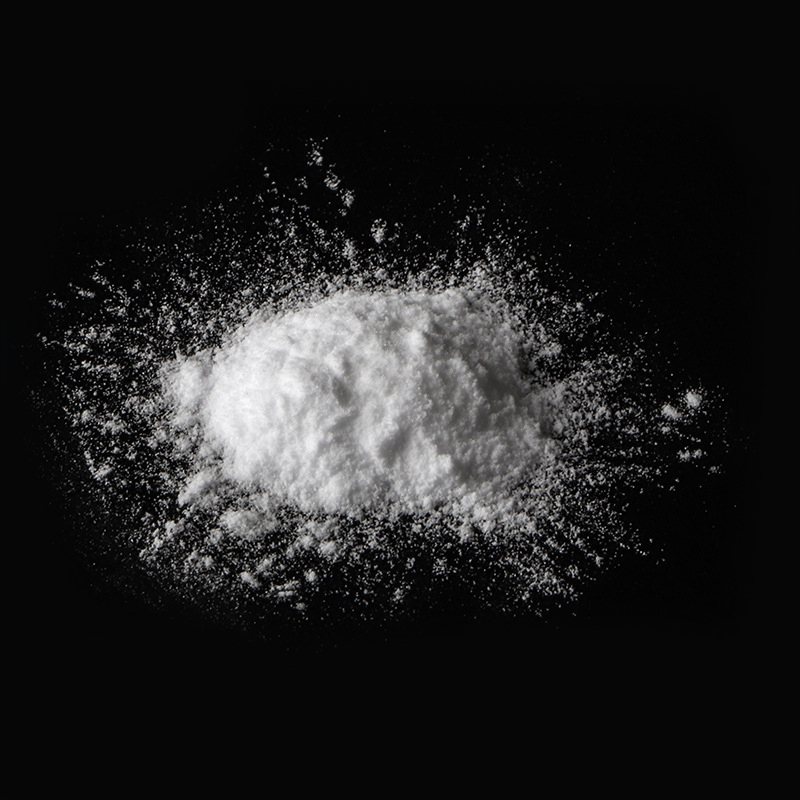
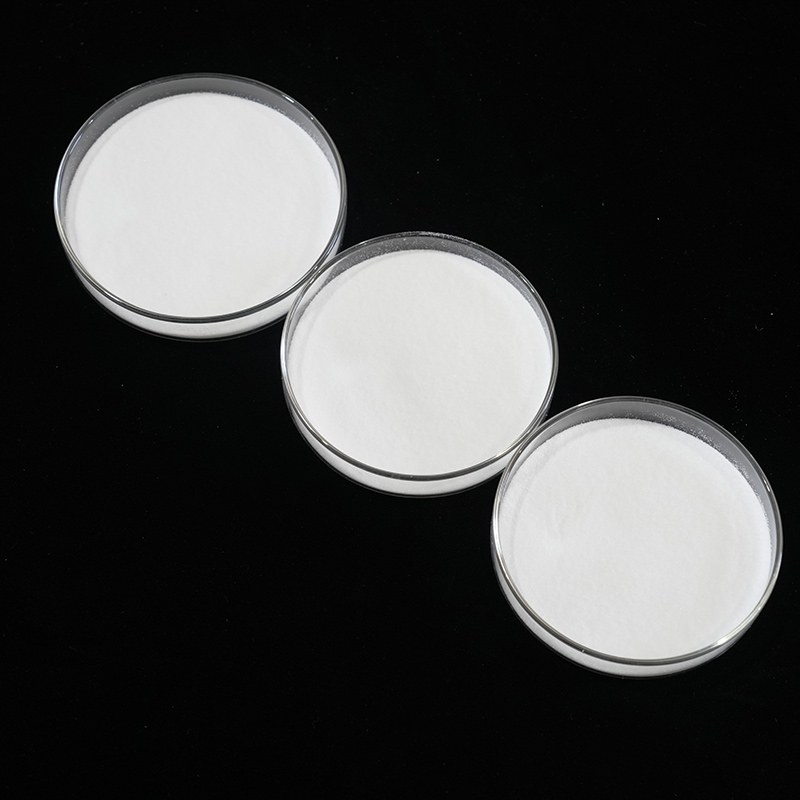 PES Hot Melt Adhesive Powder for Filtration and Textile BondingThis white polymer powder resists heat, hydrolysis, and chemicals, making it a reliable choice for stabilizing filter pleats or coating surfaces while maintaining airflow and porosity.View Product →
Solar Energy and Photovoltaic Encapsulation
Photovoltaic module encapsulation relies on specially formulated EVA films that melt, cross-link, and bond the glass, cell, and backsheet layers into a single laminate rated for decades of outdoor service. These films are a separate product class from packaging EVA because transmission, gel content, and UV stability must be controlled precisely.
Choosing the Right Form: Film, Web, or Powder
The form of a hot melt adhesive determines how evenly it can be laid down and how much adhesive is applied per square meter, so this is usually the first specification decision.
| Form | How it is applied | Best suited for | Typical coverage |
|---|---|---|---|
| Film | Continuous layer, heat and pressure activated | Flat, large-area bonding with uniform thickness | 20 to 200 micrometres |
| Web | Open-mesh layer, heat and pressure activated | Flexible, breathable, and stretchable assemblies | 10 to 100 g/m² |
| Powder | Scattered, printed, or dot-coated, then activated | Irregular surfaces and porous substrates | 10 to 60 g/m² |
Continuous films give the most uniform bond line and are ideal for flat lamination where edge appearance matters. Webs add openness and flexibility, making them the default for textiles, automotive trim, and leather. Powders allow adhesive to be placed selectively, which is why interlining and filtration use dot patterns rather than full coverage.
Selecting the Right Polymer: EVA, PA, PES, or TPU
Polymer choice decides how much heat, moisture, and chemical exposure the finished bond can tolerate, and it should be made before the form is finalized.
| Polymer | Key characteristics | Typical applications | Heat and wash resistance |
|---|---|---|---|
| EVA | Low cost, easy processing, good adhesion to paper and wood | Packaging, woodworking, temporary bonds | Low to medium |
| PA | High strength, flexible, wash-resistant | Textiles, automotive, leather goods | Medium to high |
| PES | High heat and chemical resistance, bonds polyester | Garment interlining, filtration, metal lamination | High |
| TPU | Elastic, abrasion-resistant, oil-resistant | Footwear, electronics, stretchable laminates | Medium to high |
These figures are general guidance, not specifications: within each polymer family, grades are formulated for different softening ranges, melt flow rates, and adhesion profiles. The practical step is to define the substrate pair, the service temperature, and the flexibility requirement, and then verify those against the manufacturer's datasheet before committing to a material.
Process Variables That Determine Bond Quality
Regardless of chemistry and form, bond quality is controlled by temperature, open time, pressure, and surface condition. Ignoring any of these four variables causes most field failures in hot melt lamination.
- Application temperature: higher temperatures improve wetting but can degrade heat-sensitive substrates and extend cooling time on the line.
- Open time: the window between adhesive application and substrate mating must match line speed; a web with a long open time is easier to position, while a short open time allows faster downstream handling.
- Nip pressure and dwell time: sufficient pressure consolidates the adhesive into the substrate surface and removes trapped air.
- Surface energy and cleanliness: low-energy surfaces such as PE, PP, and silicone require corona or plasma treatment before bonding.
- Storage humidity: PA and PES webs absorb moisture, which can create bubbles and inconsistent flow; keep rolls sealed until use.
Frequently Asked Questions
Can hot melt adhesives bond plastics such as PE and PP?
Yes, but only if the surface is treated first. PE and PP have low surface energy and need corona, plasma, or flame treatment so the molten adhesive can wet the substrate; untreated surfaces will delaminate even if the initial peel strength seems acceptable.
What working temperature does a hot melt adhesive need?
Typical application temperatures are 130 to 170°C for EVA, 150 to 190°C for PA, 160 to 200°C for PES, and 140 to 190°C for TPU, although exact values depend on the grade and the equipment. The relevant number is the melt viscosity at the nozzle, not the softening point printed on the datasheet.
Are hot melt bonds waterproof?
Hot melt bonds are water-resistant to different degrees depending on the polymer. PA and TPU give good results in washing and humid environments, PES resists hydrolysis well, and standard EVA is only suitable for dry indoor conditions.
How long can a hot melt adhesive be stored?
Most hot melt films, webs, and powders have a shelf life of 12 to 24 months when stored in a cool, dry place away from direct sunlight and heat sources. Moisture absorption, especially in PA and PES products, is the main cause of performance loss during storage.
The right hot melt adhesive for a given application is defined by three inputs: the substrates being joined, the service temperature and humidity, and the flexibility or rigidity the finished part requires. Start with those numbers, compare film, web, and powder options, and verify the chosen grade with a production-scale trial before committing to a full run.


Contact Us