


 English
 中文简体
中文简体 Español
 عربى
عربى
Conventional cutting disc PA hot melt adhesive web
Cat:PA Hot Melt Adhesive Web
Product Introduction: Conventional cutting disc PA hot melt adhesive web is a hot melt adhesive material manufactured using advanced technology, mainl...
See DetailsHot melt glue for plastic bonds by melting into a liquid that flows across the surface, mechanically locks into microscopic surface texture, and then cools into a solid film within seconds. The strength of that bond depends almost entirely on matching the right hot melt formula to the type of plastic being joined. Low surface energy plastics such as polyethylene and polypropylene need a specialized polyolefin-based hot melt glue, while higher surface energy plastics like ABS, PVC, and polystyrene bond well with standard EVA hot melt glue. This guide explains exactly how the bonding process works, which formula to pick, and how to apply it correctly.
Content
Hot melt glue is popular for plastic bonding because it sets in seconds, requires no mixing or curing time, and produces a flexible, durable bond without clamps or fixtures. This combination of speed and simplicity is why it dominates high-volume manufacturing lines.
According to IMARC Group, the global hot melt adhesive market reached USD 8.3 billion in 2024 and is projected to reach USD 12.0 billion by 2033, growing at a compound annual rate of 4.2 percent, driven largely by demand from the packaging, nonwoven hygiene, and automotive industries. Separate research from Global Growth Insights found that plastic packaging applications account for about 21 percent of the hot melt packaging adhesives market, with usage in that segment rising 27 percent in 2024 alone.
Whether a plastic bonds easily with hot melt glue depends on its surface energy. Plastics with low surface energy, such as polyethylene and polypropylene, are the hardest to bond, while medium and high surface energy plastics such as ABS, PVC, polycarbonate, and nylon accept hot melt glue readily.
Surface energy, measured in dynes per centimeter, describes how strongly the molecules at a plastic's surface attract a liquid such as melted glue. When surface energy is too low, the molten adhesive cannot "wet out", or spread evenly across the surface, so it beads up instead of forming intimate contact, leading to weak or inconsistent bonds. Adhesion science classifies any substrate below 36 dynes per centimeter as low surface energy and difficult to bond, a category that includes the two most common commodity plastics: polyethylene and polypropylene.
| Plastic Type | Approx. Surface Energy (dynes/cm) | Bonding Difficulty | Recommended Hot Melt Type |
| Polypropylene (PP) | 29 to 31 | Low energy, hard to bond | Polyolefin hot melt |
| Polyethylene (PE) | 31 to 33 | Low energy, hard to bond | Polyolefin hot melt |
| Polystyrene (PS) | about 36 | Moderate | EVA hot melt |
| PVC | about 39 | Bonds well | EVA or polyamide hot melt |
| ABS | about 42 | Bonds well | EVA hot melt |
| Polycarbonate (PC) | about 42 | Bonds well | EVA hot melt |
| Nylon (PA) | about 46 | Bonds easily | EVA or polyamide hot melt |
| PET (Polyester) | 43 to 46 | Bonds easily | EVA hot melt |
Table 1: Surface energy values are approximate and compiled from common adhesion industry reference charts. Actual results vary by resin grade, additives, and surface treatment.
Hot melt glue bonds to plastic mainly through mechanical adhesion and surface wetting rather than a chemical reaction, except for reactive polyurethane hot melt, known as PUR, which forms an actual chemical crosslink as it cures.
When the glue gun heats the adhesive to its application temperature, typically between 250 and 380 degrees Fahrenheit depending on the formula, the polymer becomes a flowable liquid. As it is applied, the molten adhesive flows into the microscopic peaks, valleys, and pores on the plastic surface. Within seconds, the adhesive cools below its set point and re-solidifies, locking into that surface texture the way a key locks into a groove. This is why surface roughness and cleanliness matter as much as adhesive chemistry.
At the molecular level, a strong hot melt bond depends on the adhesive's polymer chains achieving close enough contact with the plastic's surface to generate weak intermolecular attraction forces. This close contact only happens when the surface energy of the plastic is higher than the surface tension of the molten glue, allowing the liquid adhesive to spread fully instead of beading up.
Most hot melt glue failures on plastic happen because the glue formula was mismatched to the plastic's surface energy, the bonding surface was contaminated, or the glue was applied below its optimal melt temperature.
The four main types of hot melt glue for plastic bonding are EVA, polyolefin, polyamide, and reactive polyurethane. They differ mainly in heat resistance, bond strength, and which plastics they wet out effectively.
| Hot Melt Type | Typical Application Temp | Best For Plastics | Bond Strength | Heat Resistance |
| EVA | 250 to 350°F | ABS, PVC, PS, PC, PET | Moderate | Up to about 150°F |
| Polyolefin | 250 to 300°F | PE, PP, TPO | Moderate to High | Moderate |
| Polyamide | 350 to 400°F | Nylon, ABS, plastic-metal joints | High | Up to about 250°F |
| Reactive PUR | 230 to 280°F | Nearly all plastics, including PE/PP with primer | Very High, chemical bond | Up to about 300°F |
Table 2: Application temperatures and performance figures are general industry ranges. Always verify against the specific manufacturer's technical data sheet.
According to Market Research Future, ethylene vinyl acetate continues to dominate the overall hot melt adhesive market by resin type, while industry reports note growing momentum for polyolefin and reactive PUR formulas in demanding plastic-bonding applications.
Getting a strong hot melt bond on plastic comes down to three controllable factors: clean and slightly roughened surface preparation, the correct application temperature for the chosen glue type, and applying enough adhesive while the plastic parts are pressed together before the glue sets.
The correct temperature depends on the hot melt glue type, but most plastic-bonding hot melts perform best between 250 and 380 degrees Fahrenheit. Running the gun too cool is the single most common cause of weak bonds, since the adhesive will not fully wet the plastic surface before it sets.
Yes, pretreating low surface energy plastics such as polyethylene and polypropylene with flame, corona, or plasma treatment, or with a compatible primer, raises their surface energy above the 36 dynes per centimeter threshold and significantly improves hot melt glue adhesion.
Hot melt glue is the better choice for fast, high-volume plastic bonding where moderate strength and flexibility are enough, while epoxy, solvent cement, or UV-cure adhesives are better suited to applications that demand maximum structural strength, chemical resistance, or a fully transparent bond line.
| Adhesive Type | Set Time | Bond Strength | Works on PE/PP | Equipment Needed |
| Hot Melt Glue | 5 to 30 seconds | Moderate to High | Yes, with polyolefin or PUR grades | Glue gun or applicator |
| Epoxy (Two-Part) | 5 minutes to 24 hours | Very High | Limited without treatment | Mixing nozzle or dispenser |
| Solvent Cement | 1 to 10 minutes | High | No, PVC/ABS/acrylic only | Brush or applicator |
| UV-Cure Adhesive | Seconds under UV light | High | Limited | UV lamp or curing unit |
| Double-Sided Tape | Instant | Low to Moderate | Yes, with LSE-rated tape | None |
Table 3: Performance figures represent general ranges across commonly available adhesive categories and will vary by specific product formulation.
Hot melt glue outperforms epoxy and solvent cement on speed and ease of automation, since it requires no mixing, ventilation, or extended cure time. This is why packaging and product assembly lines that need to bond thousands of plastic parts per hour rely on hot melt systems. However, epoxy and reactive PUR hot melt remain the stronger choice when a joint must resist sustained heat above 250 degrees Fahrenheit, heavy mechanical load, or exposure to solvents.
Packaging, e-commerce logistics, automotive assembly, electronics, and nonwoven hygiene manufacturing are the industries that rely most heavily on hot melt glue for bonding plastic components.
The most common hot melt glue problems on plastic, weak bonds, brittle joints, and visible stringing, almost always trace back to the wrong glue type, the wrong temperature, or an unprepared surface.
No, hot melt glue does not bond equally well to all plastics. It adheres easily to medium and high surface energy plastics like ABS, PVC, and polycarbonate, but low surface energy plastics such as polyethylene and polypropylene need a specialized polyolefin or PUR hot melt, or surface pretreatment, to form a reliable bond.
Yes, hot melt glue works well on PVC because its surface energy of around 39 dynes per centimeter falls comfortably within the medium surface energy range that standard EVA hot melt glue can wet out and bond effectively.
A standard EVA hot melt bond is generally weaker than screws, rivets, or plastic welding for high-load structural joints, but reactive PUR hot melt can approach or match the strength of mechanical fasteners while also sealing the joint against moisture and vibration.
Yes, hot melt glue can usually be removed from plastic by gently reheating it with a hair dryer or heat gun until it softens, then peeling it away, since reheating restores its original flowable state without chemically altering most plastic surfaces.
Most hot melt glue forms a water-resistant bond on plastic immediately after cooling, and EVA and polyolefin formulas in particular maintain that resistance well, though prolonged submersion or extreme temperature cycling can gradually weaken the bond over time.
Choosing the right hot melt glue for plastic starts with identifying the plastic's surface energy, matching that plastic to a compatible hot melt chemistry such as EVA, polyolefin, polyamide, or PUR, and applying the adhesive at the correct temperature onto a clean, properly prepared surface. When these three factors line up, hot melt glue delivers one of the fastest, most cost-effective, and most reliable ways to bond plastic across packaging, automotive, electronics, and consumer goods manufacturing.
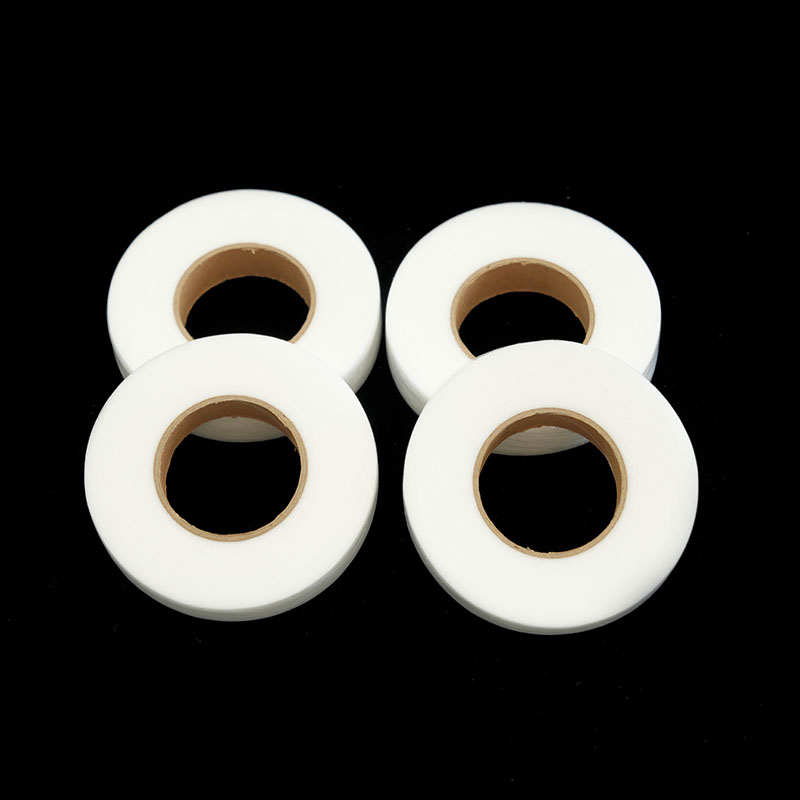
Product Introduction: Conventional cutting disc PA hot melt adhesive web is a hot melt adhesive material manufactured using advanced technology, mainl...
See Details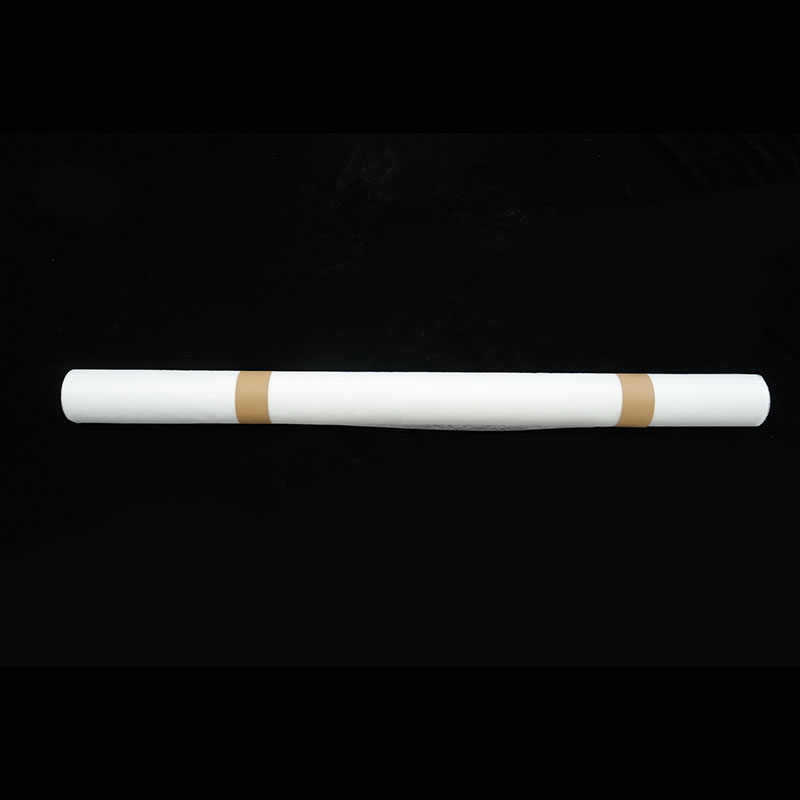
Product Introduction: The whole roll of PA hot melt adhesive web is a special adhesive processed from high-quality thermoplastic polyamide (PA) materi...
See Details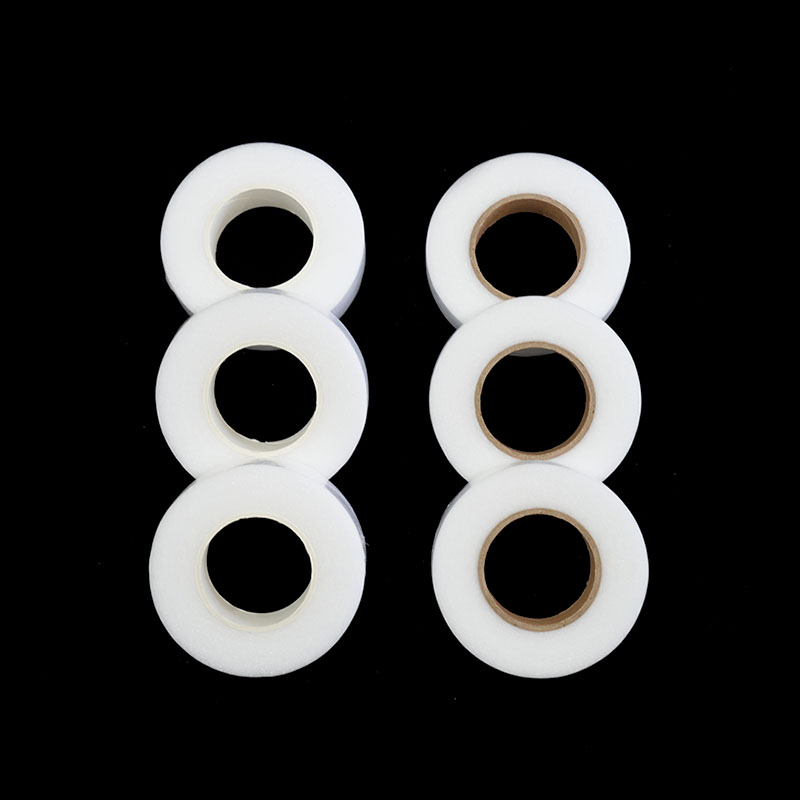
Product Introduction: Small roll cutting disc PA hot melt adhesive web is a high-performance and environmentally friendly hot bonding material designe...
See Details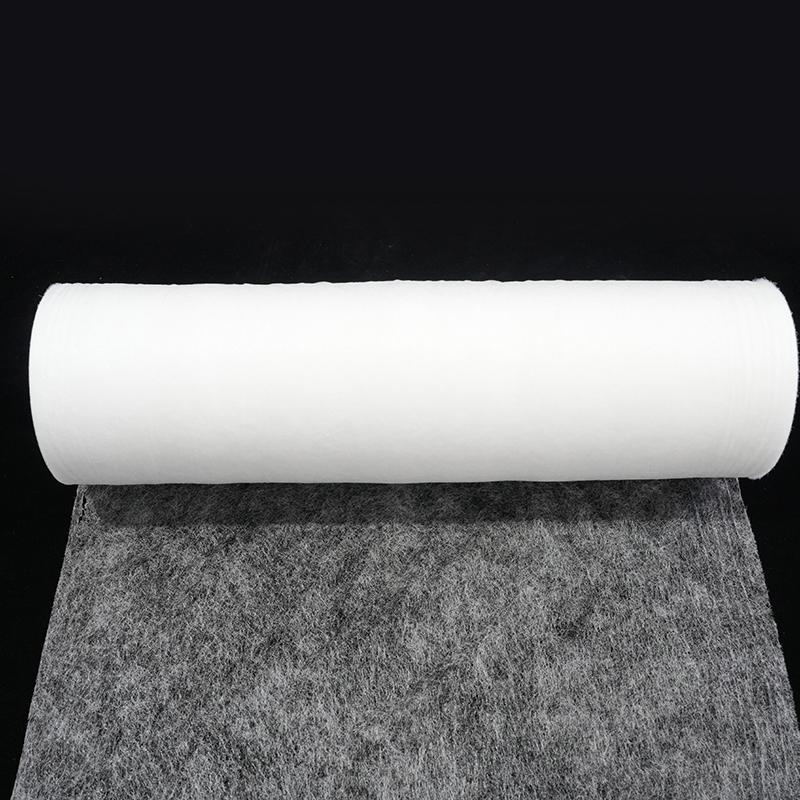
Product Introduction: The whole roll (mother roll) TPU hot melt adhesive web, as a thermoplastic polyurethane (TPU) material that integrates high perf...
See Details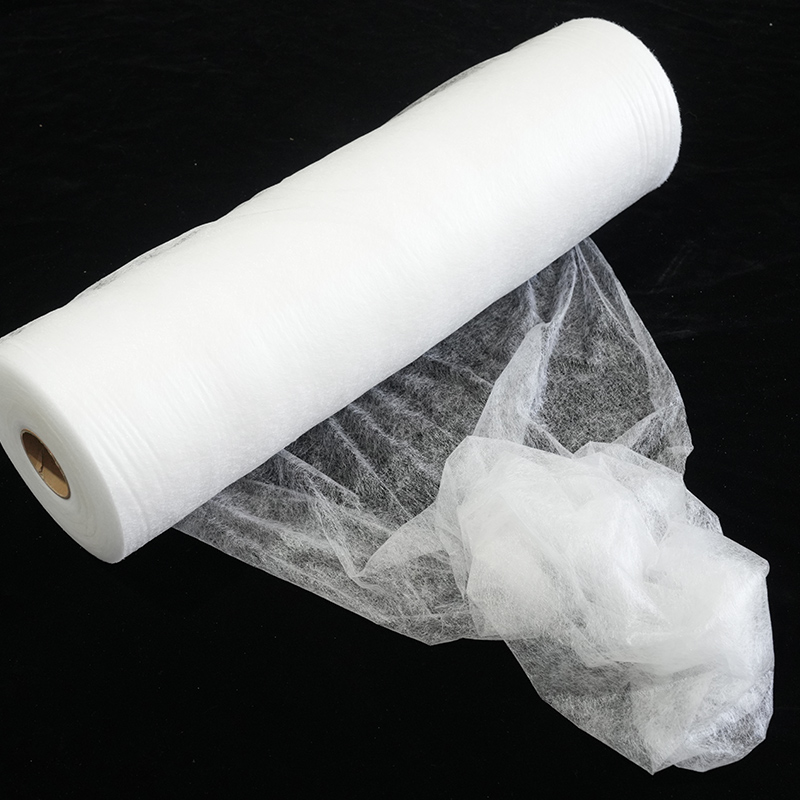
Product Introduction: This high-performance, multi-purpose full roll (mother roll) EVA low-temperature hot melt adhesive web is designed to meet the h...
See Details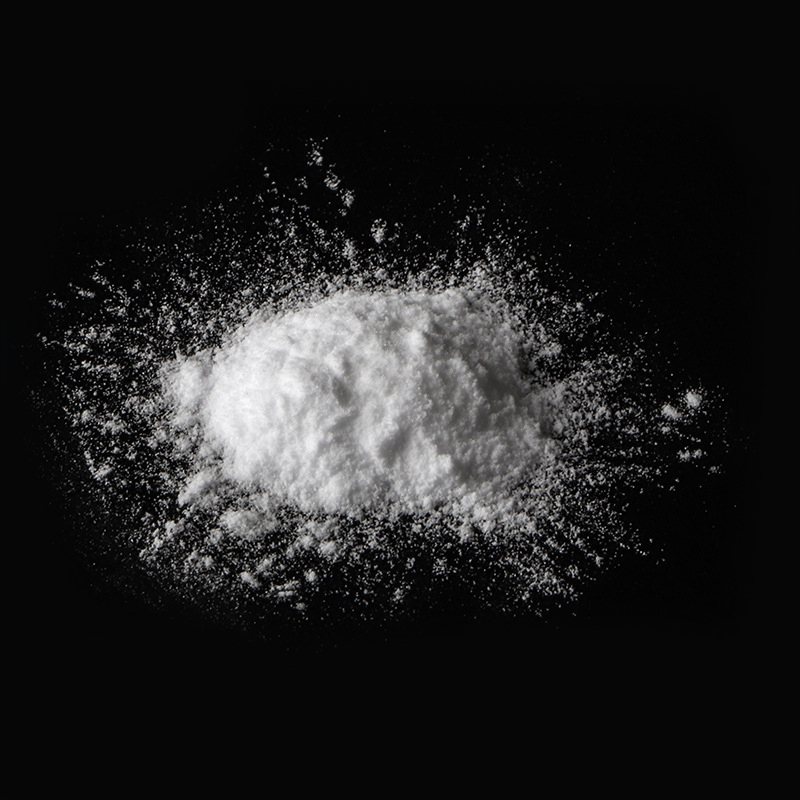
Product Introduction:PES hot melt adhesive powder is a new type of polymer environmentally friendly hot melt adhesive produced through polymerization ...
See Details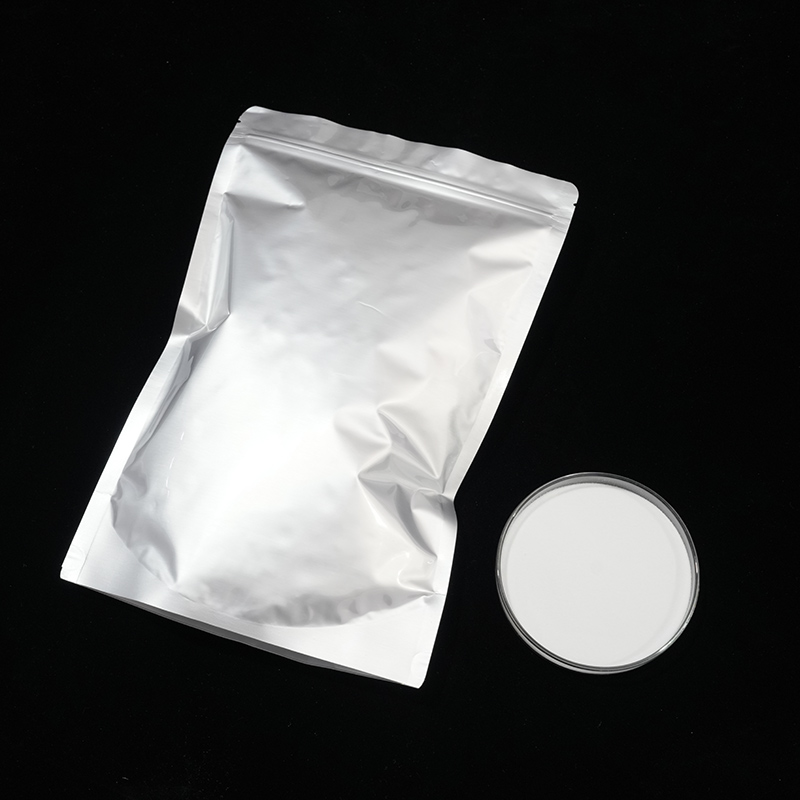
Product Introduction:TPU hot melt adhesive powder, also known as thermoplastic polyurethane hot melt adhesive powder, is a high-performance thermoplas...
See Details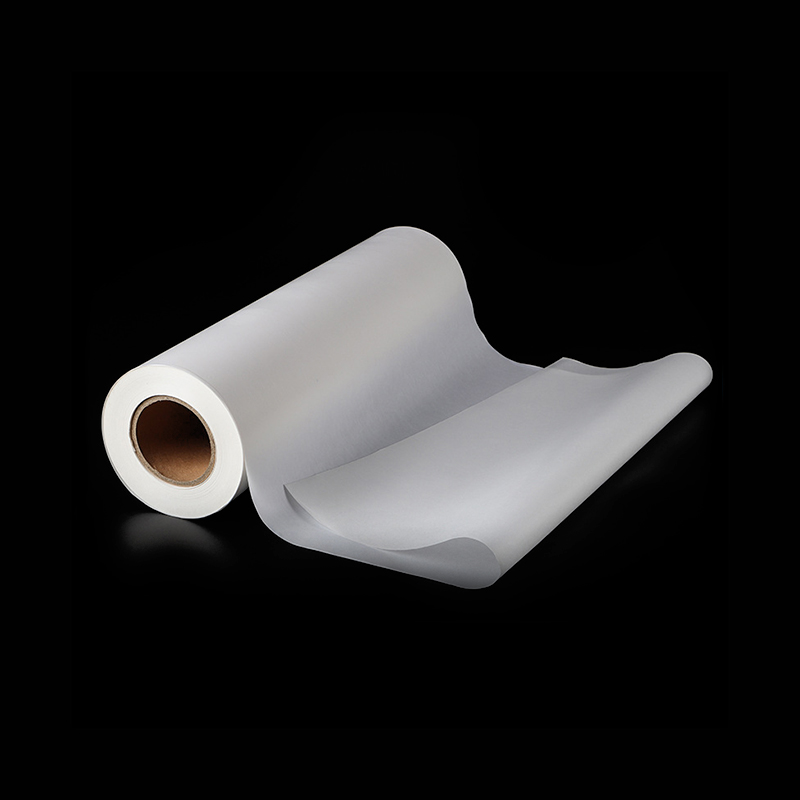
Product Introduction:This TPU hot melt adhesive film with backing paper elasticity has environmentally friendly adhesive properties, which not only pu...
See Details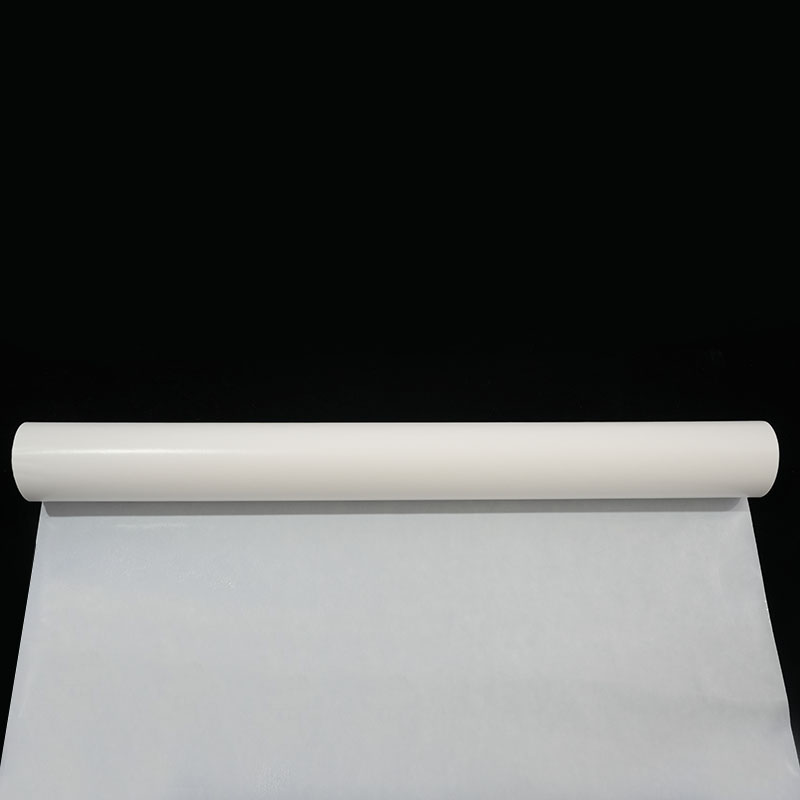
Product Introduction:PES hot melt adhesive film with backing paper is an environmentally friendly adhesive. Through advanced scraping, coating, or blo...
See Details

Contact Us