


 English
 中文简体
中文简体 Español
 عربى
عربى
Conventional cutting disc PA hot melt adhesive web
Cat:PA Hot Melt Adhesive Web
Product Introduction: Conventional cutting disc PA hot melt adhesive web is a hot melt adhesive material manufactured using advanced technology, mainl...
See DetailsThe melting point is one of the most critical technical parameters of Hot Melt Adhesive Powder. It directly influences processing temperature, bonding performance, production efficiency, and the final quality of bonded products. In industries such as textile lamination, automotive interiors, electronics assembly, footwear manufacturing, packaging, and woodworking, understanding how the melting point is determined is essential for selecting the right adhesive powder and optimizing manufacturing processes.
Different adhesive formulations exhibit different melting behaviors, and accurately determining the melting point helps manufacturers balance adhesion strength, flexibility, heat resistance, and energy consumption. Below is a comprehensive, industry-focused explanation of how the melting point of Hot Melt Adhesive Powder is determined, tested, compared, and applied in real-world production.
Content
The melting point of Hot Melt Adhesive Powder refers to the temperature range at which the solid powder transitions into a molten, flowable state capable of wetting and bonding substrates. Unlike crystalline materials with a sharp melting point, hot melt adhesives often have a melting range rather than a single temperature value.
As a result, manufacturers usually specify:
Several standardized laboratory methods are used to determine the melting point or melting behavior of Hot Melt Adhesive Powder. Each method serves different purposes depending on the application and required accuracy.
Differential Scanning Calorimetry (DSC) is the most widely accepted and precise method for determining the melting point of Hot Melt Adhesive Powder. It measures how much heat is required to increase the temperature of a sample compared to a reference.
DSC is especially valuable for quality control, formulation development, and comparing different grades of Hot Melt Adhesive Powder.
The Ring and Ball method is commonly used to determine the softening point of thermoplastic adhesives. While it does not provide as much detail as DSC, it is simple and widely used for routine testing.
Advantages:
Limitations:
Hot stage microscopy combines controlled heating with optical observation. It allows technicians to visually monitor how Hot Melt Adhesive Powder particles soften, fuse, and flow.
This method is particularly useful for R&D and troubleshooting processing issues such as uneven melting or poor flow on substrates.
The capillary method, commonly used for small-molecule compounds, can also be applied to some adhesive powders. The powder is packed into a capillary tube and heated while observing physical changes.
Although less common for industrial adhesives, it can provide a rough melting range for certain Hot Melt Adhesive Powder formulations.
| Method | Accuracy | Data Detail | Typical Use |
|---|---|---|---|
| DSC | High | Melting range, peak, enthalpy | R&D, quality control |
| Ring and Ball | Medium | Softening temperature | Production testing |
| Hot Stage Microscopy | Medium | Visual melting behavior | Process optimization |
| Capillary Method | Low to Medium | Approximate melting range | Basic reference |
Higher molecular weight polymers typically exhibit higher melting points and greater heat resistance, while lower molecular weight materials melt more easily.
Knowing the correct melting point ensures that Hot Melt Adhesive Powder melts completely without overheating, reducing energy consumption and preventing degradation.
Incorrect melting temperature can lead to insufficient wetting, weak adhesion, or excessive flow, all of which compromise product quality.
Matching the adhesive melting point to laminators, hot presses, or coating machines helps prevent equipment fouling and downtime.
No. The melting point indicates when Hot Melt Adhesive Powder becomes molten, while the processing temperature is usually set slightly higher to ensure proper flow and bonding.
Yes. Manufacturers can adjust polymer composition, molecular weight, and additives to tailor the melting behavior.
Each method measures a different aspect of melting behavior, such as softening, onset melting, or peak melting temperature.
DSC is generally considered the most reliable and informative method for determining the melting characteristics of Hot Melt Adhesive Powder.
Not necessarily. Adhesion depends on compatibility with substrates, wetting behavior, and application conditions, not just melting point.
With increasing demand for energy-efficient production and environmentally friendly materials, manufacturers are developing low-melting Hot Melt Adhesive Powder formulations that maintain high bonding strength while reducing processing temperatures. Advanced DSC analysis and real-time thermal monitoring are becoming standard tools in adhesive development.
Determining the melting point of Hot Melt Adhesive Powder is a critical step in ensuring optimal performance across diverse industrial applications. By using appropriate testing methods such as DSC, Ring and Ball, and hot stage microscopy, manufacturers can select, process, and apply adhesive powders more effectively. Accurate melting point data supports better product quality, improved efficiency, and long-term reliability in modern manufacturing environments.
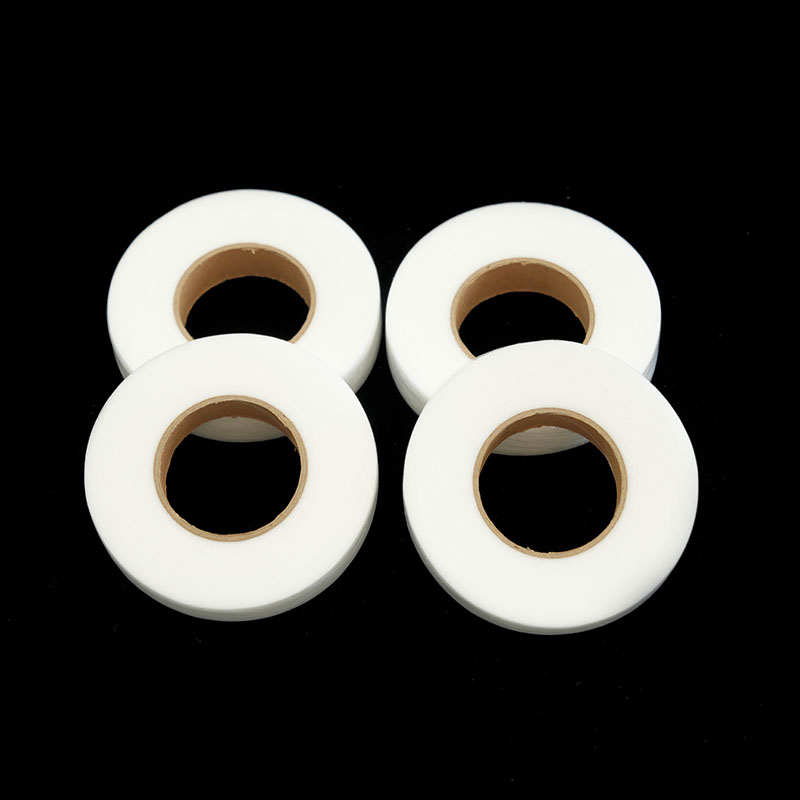
Product Introduction: Conventional cutting disc PA hot melt adhesive web is a hot melt adhesive material manufactured using advanced technology, mainl...
See Details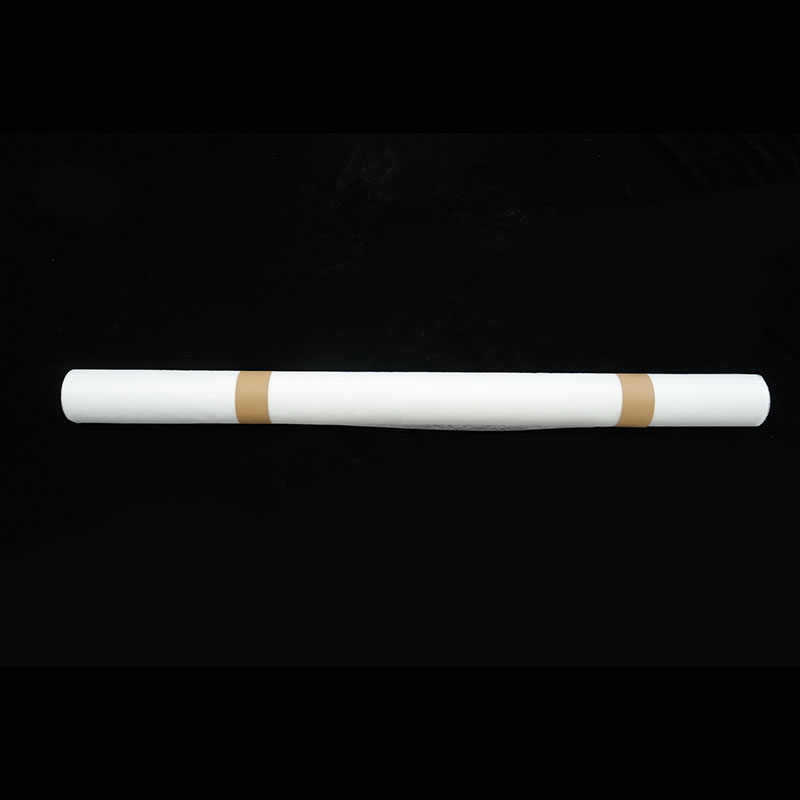
Product Introduction: The whole roll of PA hot melt adhesive web is a special adhesive processed from high-quality thermoplastic polyamide (PA) materi...
See Details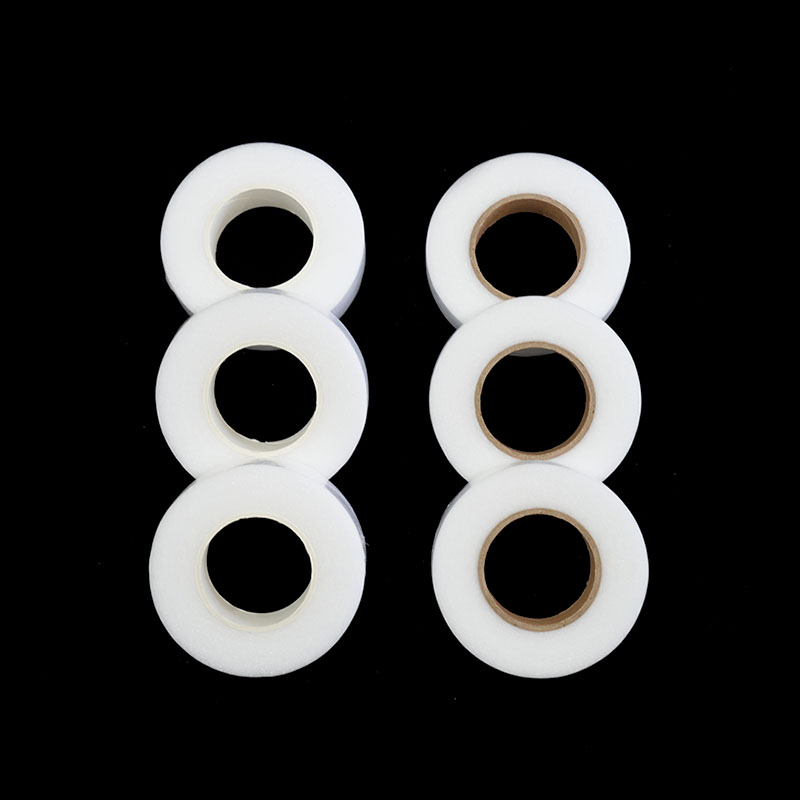
Product Introduction: Small roll cutting disc PA hot melt adhesive web is a high-performance and environmentally friendly hot bonding material designe...
See Details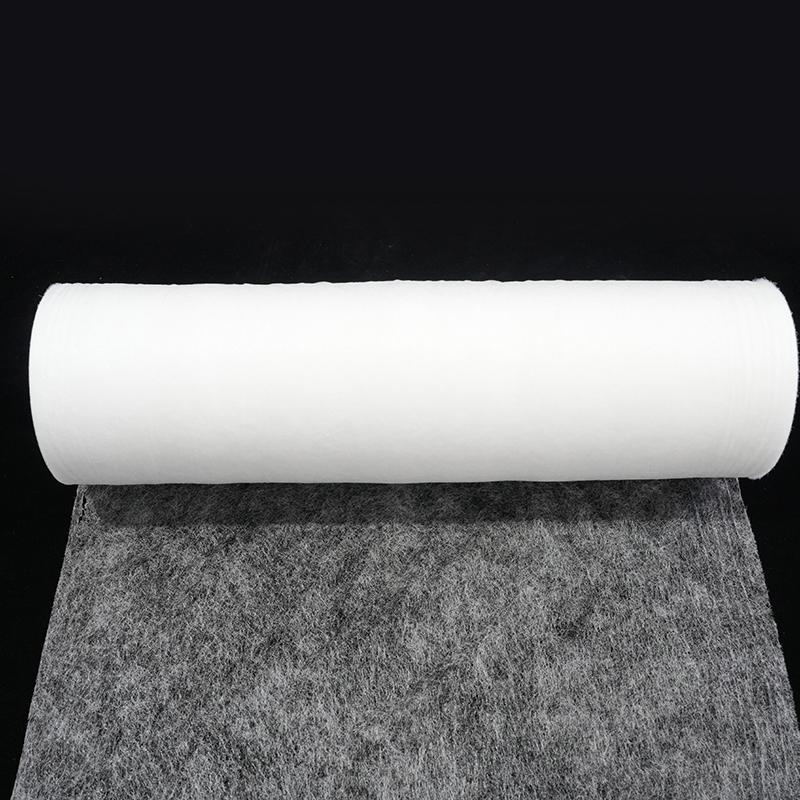
Product Introduction: The whole roll (mother roll) TPU hot melt adhesive web, as a thermoplastic polyurethane (TPU) material that integrates high perf...
See Details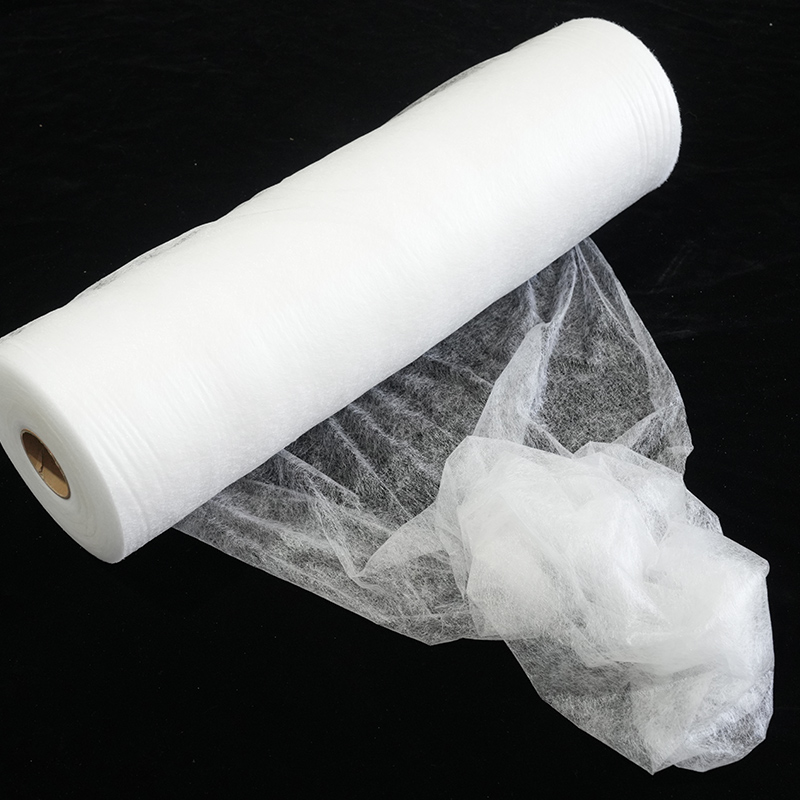
Product Introduction: This high-performance, multi-purpose full roll (mother roll) EVA low-temperature hot melt adhesive web is designed to meet the h...
See Details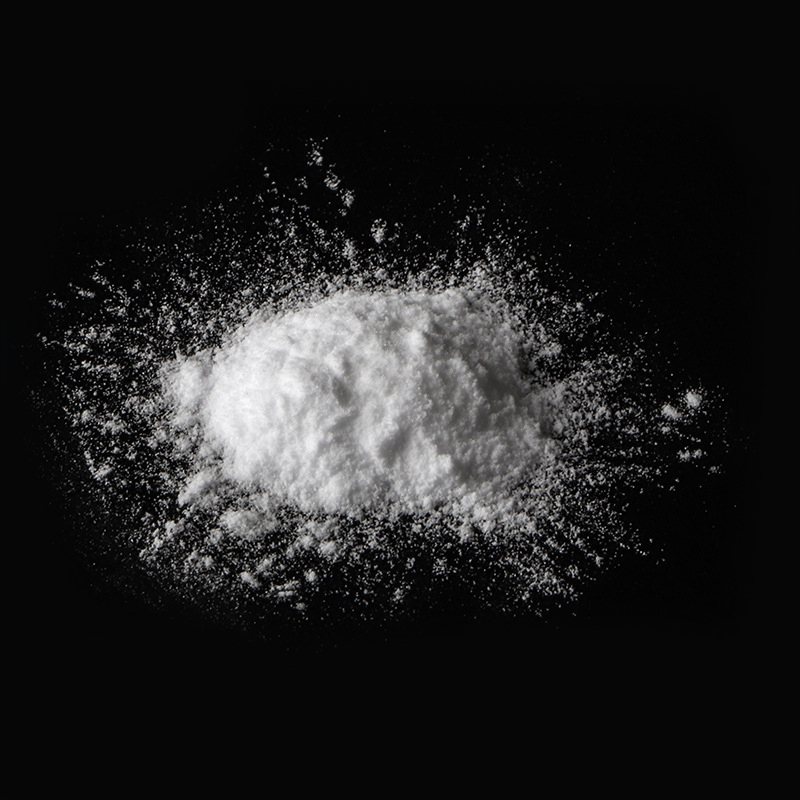
Product Introduction:PES hot melt adhesive powder is a new type of polymer environmentally friendly hot melt adhesive produced through polymerization ...
See Details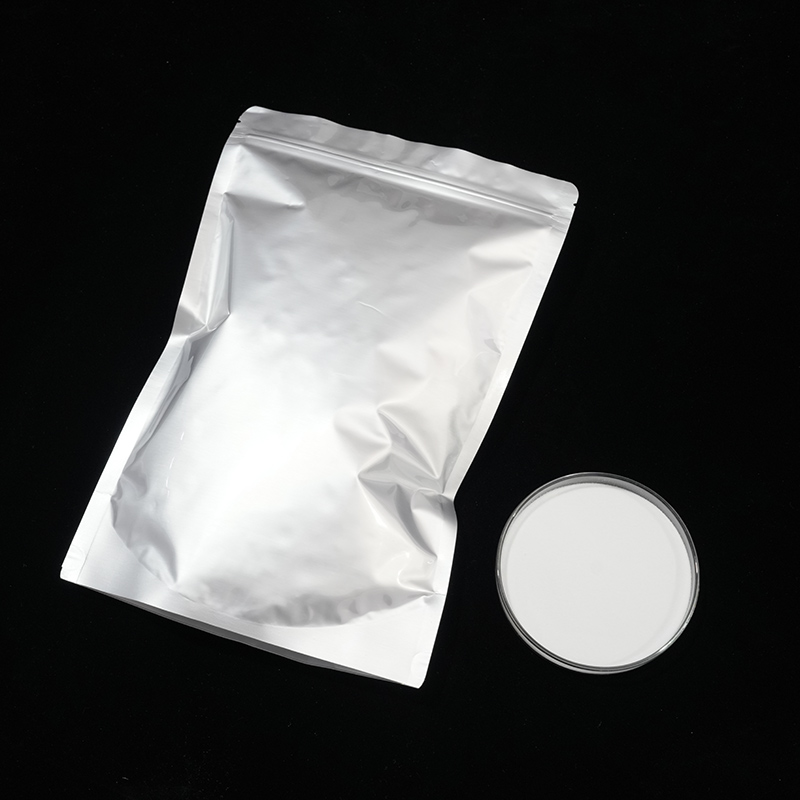
Product Introduction:TPU hot melt adhesive powder, also known as thermoplastic polyurethane hot melt adhesive powder, is a high-performance thermoplas...
See Details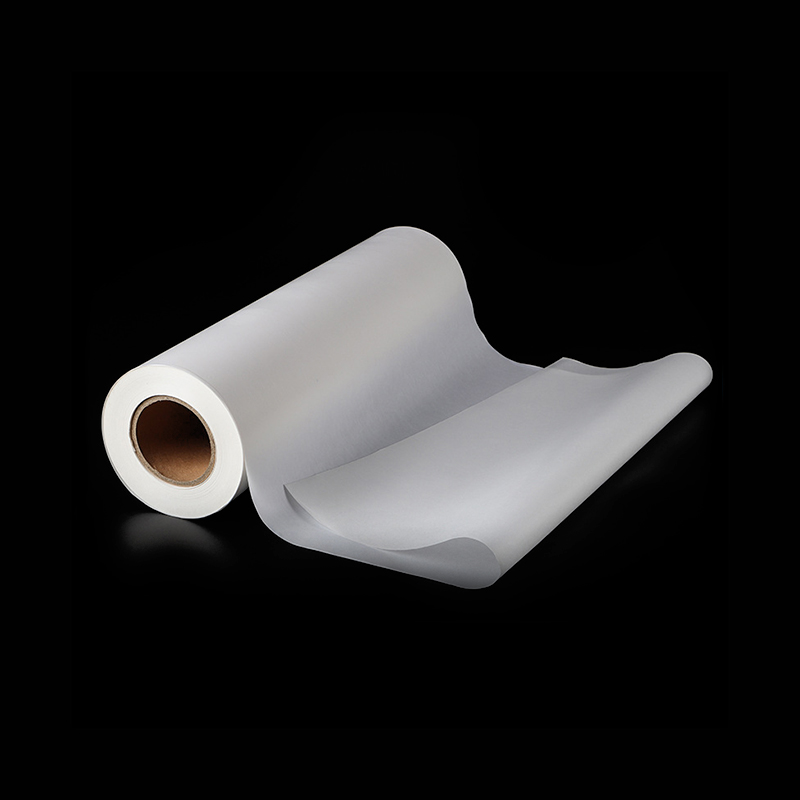
Product Introduction:This TPU hot melt adhesive film with backing paper elasticity has environmentally friendly adhesive properties, which not only pu...
See Details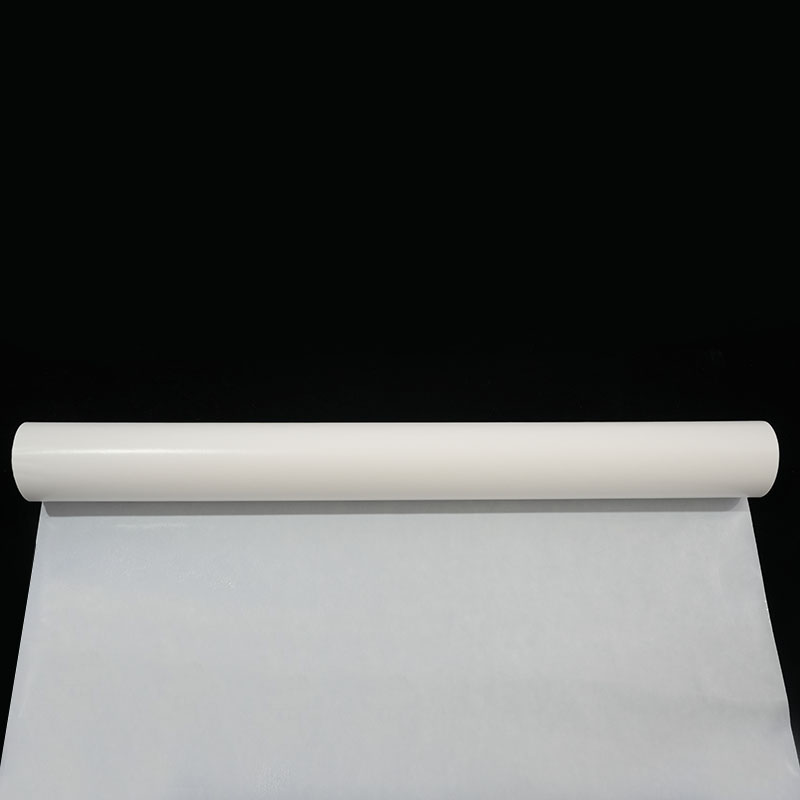
Product Introduction:PES hot melt adhesive film with backing paper is an environmentally friendly adhesive. Through advanced scraping, coating, or blo...
See Details

Contact Us