


 English
 中文简体
中文简体 Español
 عربى
عربى
Air bubbles in hot melt adhesive are not a cosmetic defect. They are a process alarm that usually points to one of three root causes: thermal degradation, moisture contamination, or mechanical air entrapment. Ignoring the bubbles can weaken the bond, increase stringing, and cause costly downtime on automated lines. Bubbles are the first visible warning that the adhesive is no longer a uniform melt.
Most production teams first notice bubbles when they see open seams in a laminated web or inconsistent coating weight on a line. In automotive interior lamination, the same defect can cause visible bubbles under upholstery. The good news is that each cause has a recognizable symptom and a straightforward fix.
Content
What Actually Causes Air Bubbles in Hot Melt Adhesive?
Bubbles in hot melt adhesive come from four specific sources: thermal decomposition, moisture vaporization, mechanical air entrapment, and system air leakage. Identifying the source is the first step toward a permanent fix, because each trigger demands a different corrective action.
Thermal decomposition is the most common cause in industrial production. Hot melt adhesives are thermoplastic, so they can be remelted, but every polymer has a temperature ceiling. EVA-based grades start to degrade around 180°C, while PA and PES grades tolerate higher temperatures but still have a limit. When the adhesive spends too long above its limit, polymer chains break down and release small gas molecules. Those molecules form fine foam inside the melt and turn a smooth, transparent bead into a cloudy, stringy flow.
| Cause | Typical symptom | Main risk |
|---|---|---|
| Overheating / thermal decomposition | Fine, continuous foam after long dwell time | Weak bond strength, char, nozzle blockage |
| Moisture contamination | Sporadic pops, sometimes with steam flecks | Poor adhesion, hydrolysis, equipment corrosion |
| Mechanical air entrapment | Large, round bubbles at regular intervals | Bond-line voids, recycled air pockets |
| System air leak / failing module | Random bubbles near one nozzle or at startup | Inconsistent coating weight, bead breaks |
Moisture contamination is the second most common trigger. Hot melt adhesives are not hygroscopic in the same way as polyurethane, but they still absorb atmospheric moisture when exposed. If the feed hopper is left open in a humid plant, condensation can collect on cold pipe surfaces and then be drawn into the melt. Water turns to steam at 100°C, producing sporadic bubbles that look remarkably similar to thermal decomposition.
How to Diagnose the Source of Air Bubbles
You can identify the source of air bubbles in about 20 minutes by watching five parameters: bubble size, frequency, position, temperature, and color. A quick, structured observation prevents unnecessary part replacement and points straight to the right repair.
- Record the melt temperature. If it is above the adhesive’s maximum recommended range, treat overheating as the first suspect.
- Observe bubbles in the tank versus bubbles at the nozzle. Bubbles in the tank suggest overheating or moisture; bubbles only at the nozzle suggest mechanical air entrapment or a failing module.
- Check bubble size. Fine foam over a wide area points to thermal decomposition. Large, isolated bubbles point to trapped air.
- Inspect the adhesive color. A yellowish-brown melt indicates thermal breakdown; a white or cloudy look can indicate moisture or unmelted polymer.
- Turn off the stirrer and wait. If the bubbles disappear, stirring was pulling air into the melt.
| Diagnostic clue | Overheating | Moisture | Air entrapment |
|---|---|---|---|
| Bubble appearance | Fine, continuous foam | Sporadic single pops | Large round voids |
| Location | Tank and downstream | At the tank, first nozzle | At nozzle, specific stations |
| Temperature | Above recommended limit | Normal | Normal |
| Color of melt | Darker than usual | Slightly cloudy | Normal |
| Change with stirring | Worse | Minimal | Increases |
Diagnosing before repairing saves money. If you lower the temperature and the bubbles disappear, the problem was thermal. If the bubbles remain, the problem is physical: trapped air or a worn module that needs replacement.
Root-Cause Prevention and Fixes
Once you have identified the source, apply a targeted fix: lower the temperature, dry the feed, clean the gun, or service the pump system. The order matters, because a temperature adjustment takes seconds while a module replacement costs time and money.
Overheating and Thermal Degradation
Check the processing range on the product data sheet, not the general range for hot melt adhesives. EVA low-temperature grades have a lower ceiling than PA or PES. Set the tank heater below the upper limit and keep the dwell time short. Adhesive that gets baked inside the tank overnight will degrade by the next morning. A practical habit is to purge the tank at the end of each shift and run the lowest temperature that still delivers a clean bead.
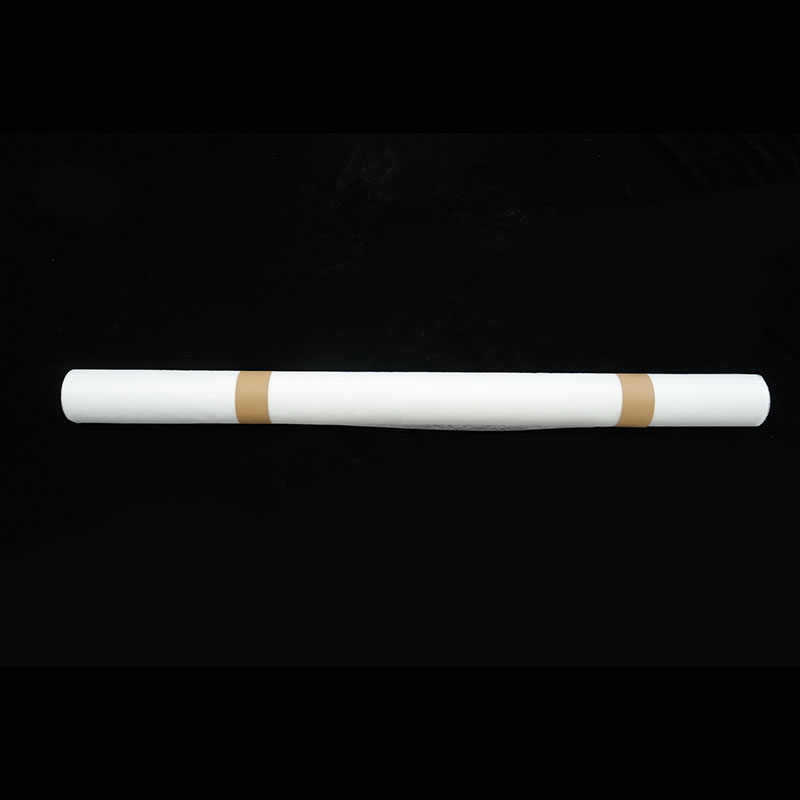
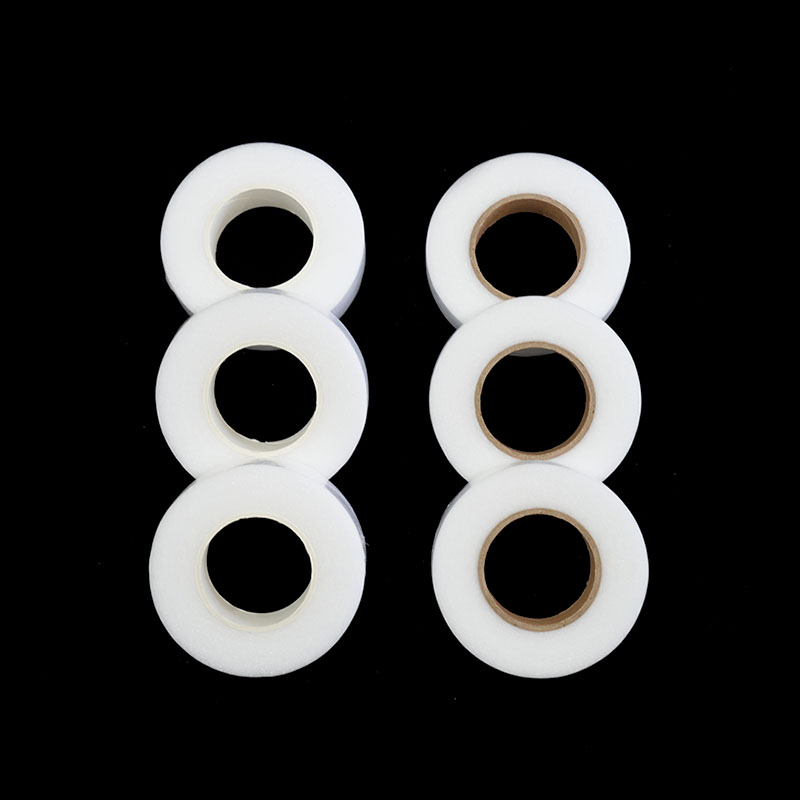
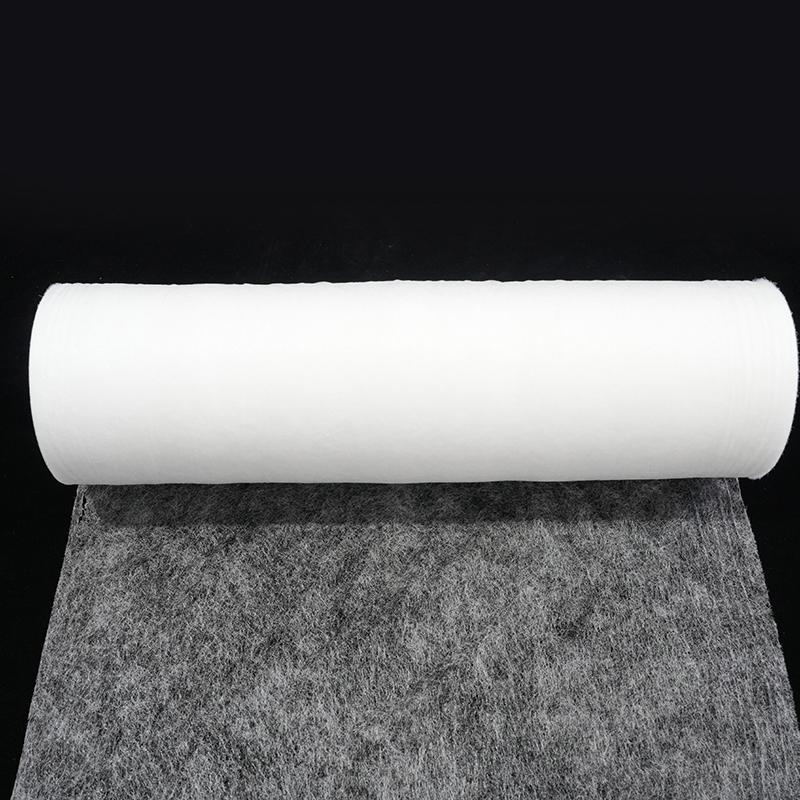
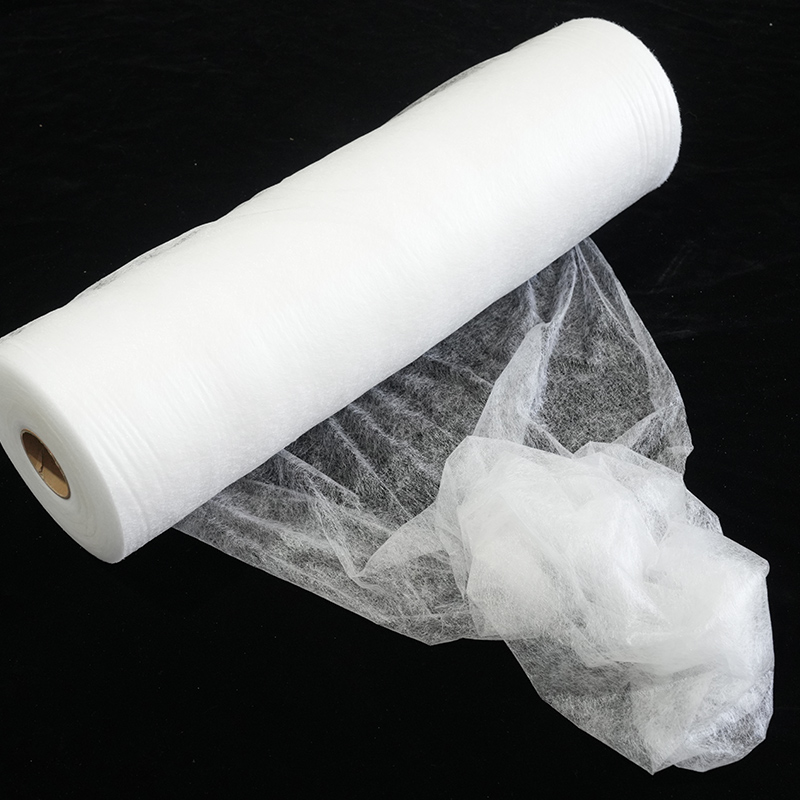
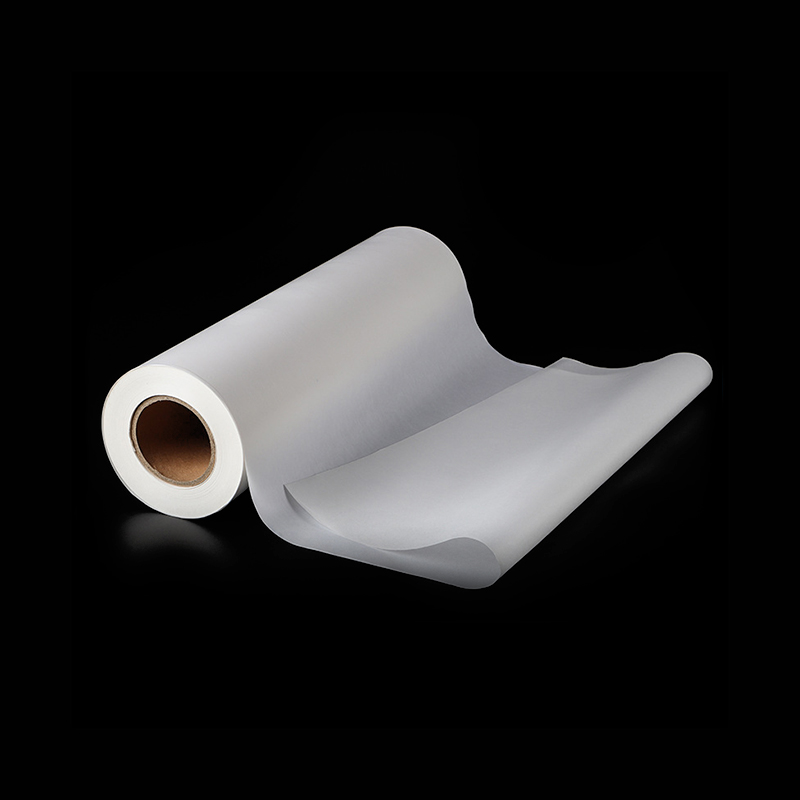
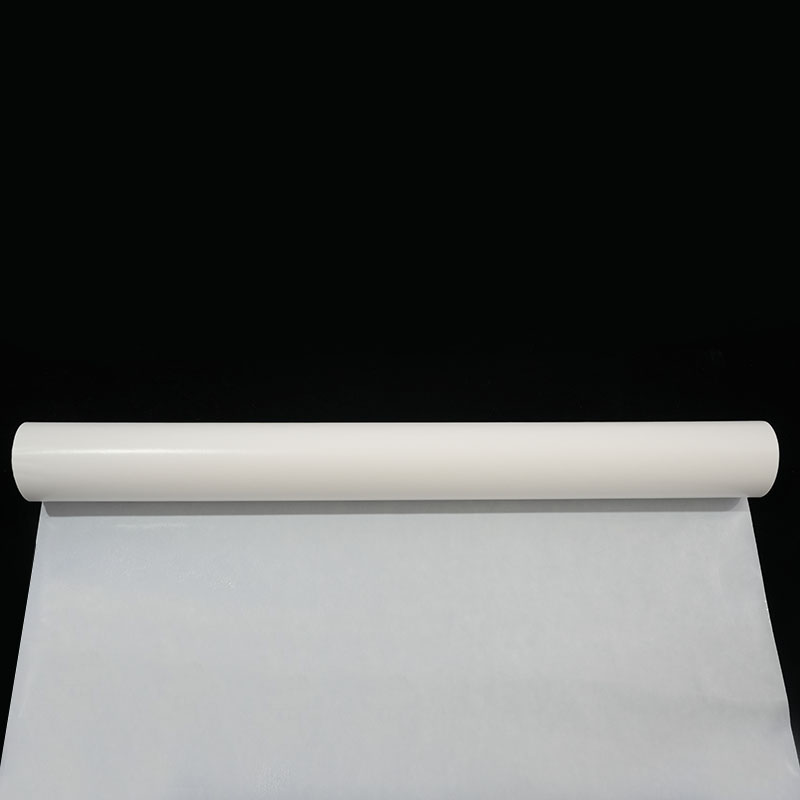
If you process hot melt adhesive film with backing paper, keep the material at room temperature before loading. The backing paper helps the film feed evenly and protects the adhesive face, so it also reduces the chance of dragging fine particles into the melt.
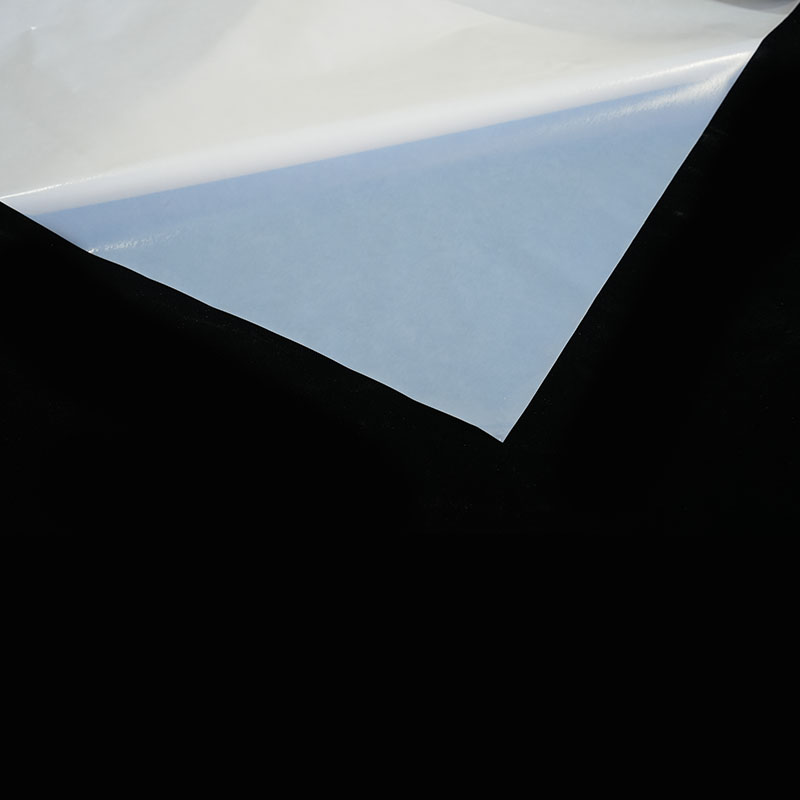 PES Hot Melt Adhesive Film with Backing Paper for Moisture ControlThis film stays solid at room temperature and melts for strong bonding, while the backing paper protects the adhesive face from moisture, helping prevent spitting and pops during processing.View Product →
Moisture Contamination
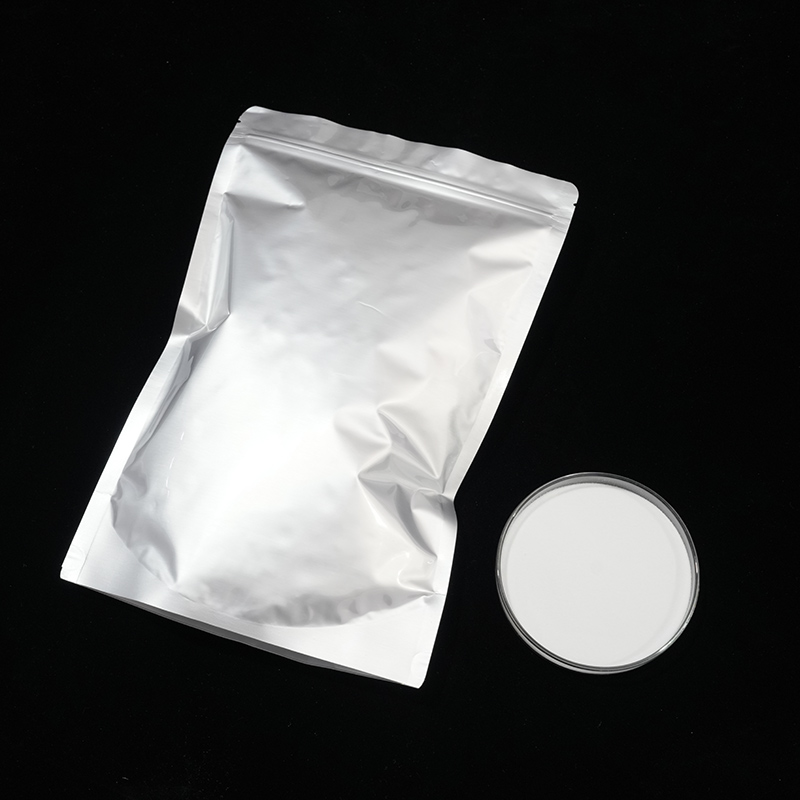
Keep adhesive rolls and powders in their original sealed packaging. Open the material only when the line is ready. Close the hopper lid between refills and check the feed channel for wet areas. If you see spitting or occasional large pops, moisture is the prime suspect. Clean the tank and inspect every surface near the feeding area.
Air Entrapment and System Leaks
Air can enter through the melt and it can also enter through the machine. If the tank level is too low, the pump inlet can pull a vortex. If hoses, couplings, or filters are worn, the system can draw ambient air. In automated lines, check the module seals and nozzle tips. A simple leak test with a hand-held airflow detector often reveals the source within minutes.
Does Adhesive Type Change the Bubble Risk?
Yes. EVA, PA, PES, and TPU grades differ in thermal stability, moisture sensitivity, and processing windows, so bubble risk changes with the base polymer. Choosing the right material for the machine and environment is just as important as tuning the process.
EVA adhesives are the easiest to process but the most sensitive to overheating. PA adhesives offer better heat resistance but absorb moisture quickly from the air. PES films give a balanced set of properties for industrial bonding: high melt point, strong adhesion to textiles and plastics, and a clean bond line. The thickness of hot melt adhesive web also matters, because a thicker web changes the melt volume and cooling profile. Learn more about how hot melt adhesive web thickness impacts bonding performance.
TPU grades are different. The elastic TPU hot melt adhesive film with backing paper is built for flexibility, stretch, and recovery. Its lower processing temperature range means less risk of thermal degradation, which makes it a strong choice for flexible automotive or apparel parts.
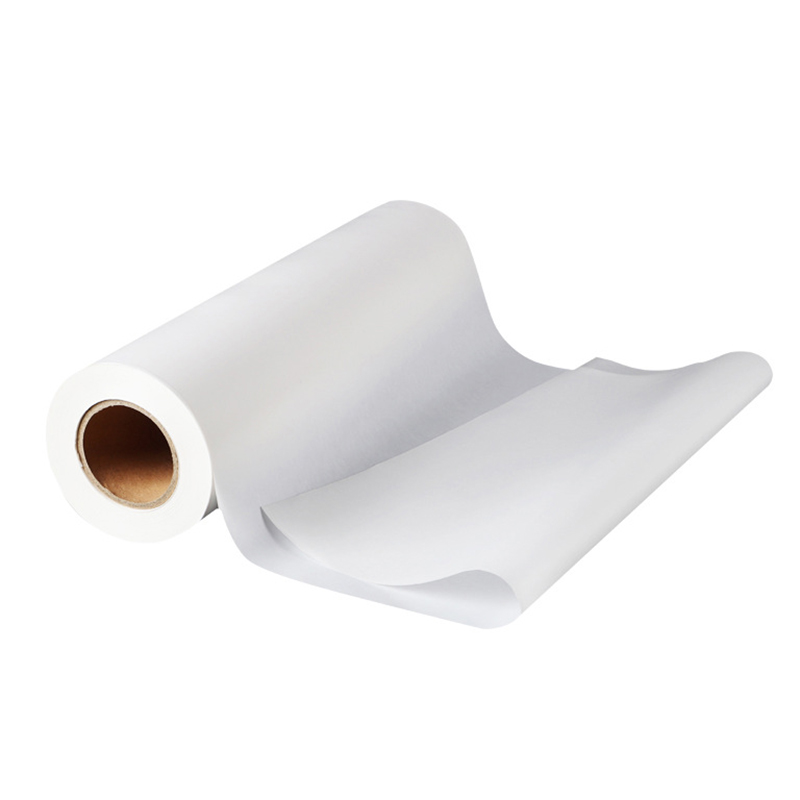 Elastic TPU Hot Melt Adhesive Film with Backing PaperOffering flexibility and stretch, this TPU film bonds well on curved or moving parts. Its lower melting range reduces thermal degradation risk, making it ideal for automotive and apparel applications.View Product →
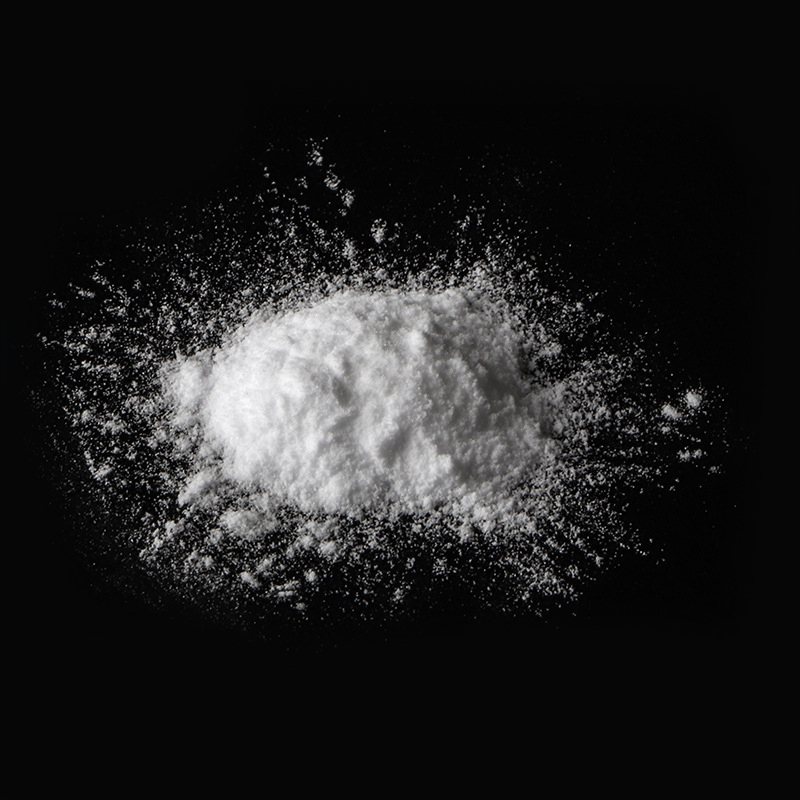
Powder products behave differently again. When you use PES hot melt adhesive powder, the material is fed into a scatter machine or screen printer instead of a melt tank. Moisture and oven temperature are the main variables, and the powder bed gives you a wider margin for control.
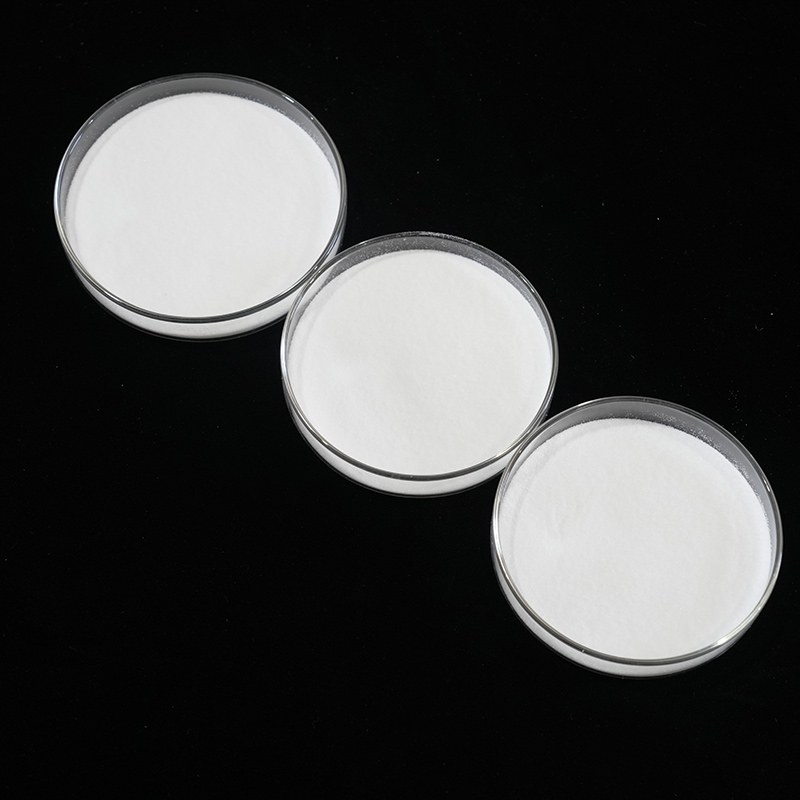 PES Hot Melt Adhesive Powder for Powder Coating ProcessesThis powder is formulated for scatter machines and screen printers, providing consistent bonding on textiles and other substrates. It cures quickly and withstands wide temperature ranges, but requires careful moisture and dwell management.View Product →
| Polymer | Melt point range | Main bubble risk | Best way to control |
|---|---|---|---|
| EVA | 60–100°C | Overheating and char | Keep tank temperature low, use fresh material |
| PA | 90–160°C | Moisture absorption | Seal storage, dry feed system |
| PES | 100–160°C | Overheating if dwell time is long | Short dwell time, clean nozzle |
| TPU | 90–150°C | Mechanical air entrapment | Check module seals and tank level |
Frequently Asked Questions
Why do air bubbles appear after the adhesive has been in the tank for a long time?
Long dwell time is the most common cause. Even if the tank is set at the right temperature, oxygen in the air degrades the polymer over time and releases gas. Use the lowest acceptable temperature, plan production around material life, and clean the tank at the end of each shift.
Do bubbles reduce bonding strength or are they only cosmetic?
They reduce strength. Air in the bond line acts as a void, not a filler. When the adhesive cools, gas pockets become spots of no adhesion. Under stress, cracks start at these voids. For high-speed lines, bubbles also cause adhesive stringing and inconsistent coverage.
Can moisture really create bubbles in a hot melt system?
Yes. Water turns into steam at 100°C. Even a tiny amount of condensation in the tank or on the feed channel will create sporadic bubbles. Keep lids closed, store material in sealed form, and purge the system if you suspect moisture.
Should I change adhesive product if bubbles keep appearing?
Not until you have ruled out process problems. Most bubble issues are process-related, not material defects. If you are using hot melt adhesive film or powder, check the product data sheet for the recommended processing range. If the range is far from your machine operating point, a different grade may help.
Air bubbles in hot melt adhesive are a signal, not an accident. Check temperature first, then rule out moisture, then inspect the mechanical system. Most plants eliminate the defect in a single shift once the source is identified. If the problem persists, review the material choice and ask the supplier for processing support.


Contact Us