


 English
 中文简体
 Español
 عربى

Short answer: you can bond polypropylene (PP) with hot melt adhesive, but standard EVA, PES, or general-purpose PA products usually fail on untreated PP. The practical solution is to use a polyolefin-based hot melt, add a surface treatment such as corona, flame, or plasma, or choose a PP-compatible grade from the start. This guide explains why PP behaves differently, how to compare adhesive chemistry, what process parameters matter, and how to test a candidate adhesive before it reaches production.
Content
- Why Polypropylene Is a Difficult Substrate for Hot Melt Adhesives
- Which Hot Melt Adhesive Chemistry Actually Bonds to Polypropylene?
- Surface Treatment and Process Parameters That Make PP Bonding Reliable
- Matching Product Form to Your Polypropylene Bonding Line
- How to Test and Qualify a Hot Melt Adhesive on PP
- Common Pitfalls and Purchasing Risks
- Frequently Asked Questions
Why Polypropylene Is a Difficult Substrate for Hot Melt Adhesives
Polypropylene is difficult to bond because its surface energy is lower than the wetting threshold of most hot melt adhesives. Untreated PP typically measures around 29 to 31 dyn/cm, while many EVA, PA, and PES hot melts need a substrate closer to 35 to 38 dyn/cm to spread and form a continuous bondline. PP is also nonpolar, so it offers few polar groups for the adhesive to interact with. Its high crystallinity causes rapid recrystallization on cooling, which limits polymer chain diffusion across the interface. Additives such as slip agents, mold release agents, and impact modifiers can migrate to the surface and create a weak boundary layer. The result is often a bond that looks acceptable at first but fails after heat aging, humidity, or peel loading.
| Substrate | Approx. surface energy (dyn/cm) | Wetting by standard EVA, PA, or PES hot melt | Practical note |
|---|---|---|---|
| Polypropylene, untreated | 29–31 | Poor | Requires PP-grade adhesive or surface treatment |
| Polyethylene, untreated | 30–32 | Poor | Similar low-energy behavior to PP |
| ABS | 38–42 | Good | Common hot melt bonding substrate |
| PET | 41–44 | Good | PES and PA webs bond well |
| Aluminum, clean | 45+ | Excellent | Often used as a heat spreader |
| Wood or paper | 40–60 | Good | Porous surfaces add mechanical keying |
Which Hot Melt Adhesive Chemistry Actually Bonds to Polypropylene?
Polyolefin-based hot melts give the most reliable untreated PP adhesion; PA and TPU can work after surface treatment, while standard EVA and PES are usually poor choices. Amorphous poly alpha olefin, often called APAO or APO, is formulated with a chemistry that resembles PP and can wet out low-energy surfaces. Some reactive polyurethane hot melts also perform well, but they cure with moisture and behave differently from traditional hot melts. PA hot melts offer good heat resistance and flexibility, but their adhesion to untreated PP is usually fair at best. TPU hot melts provide elasticity and are useful for flexible laminates, especially when the PP surface has been activated. PES and EVA are cost-effective on polar substrates such as PET, cotton, and paper, but they are not the first choice for PP. The table below summarizes how common chemistries compare.
| Chemistry | Untreated PP | After corona, flame, or plasma | Notes |
|---|---|---|---|
| APAO or polyolefin | Good | Excellent | Designed for low-energy surfaces |
| PA, polyamide | Poor to fair | Good | Good heat resistance; flexible grades vary |
| PES, polyester | Poor | Fair to good | Often used on PET, not PP |
| EVA | Poor | Fair | Low cost, low temperature |
| TPU | Poor to fair | Good | Elastic, good for flexible laminates |
| PUR, reactive | Fair to good | Excellent | Moisture-cure, not a classic hot melt |
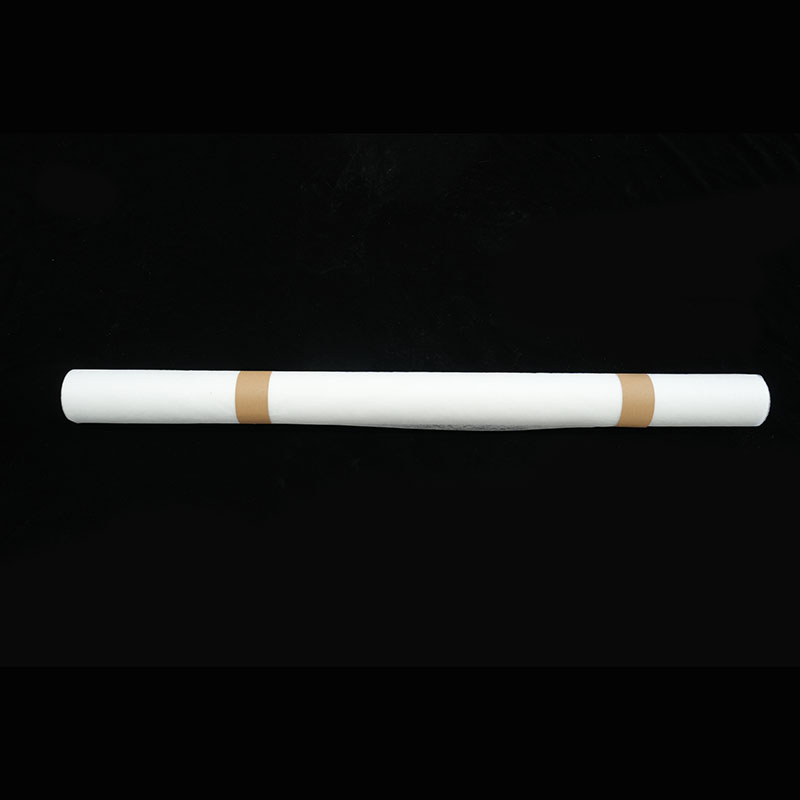
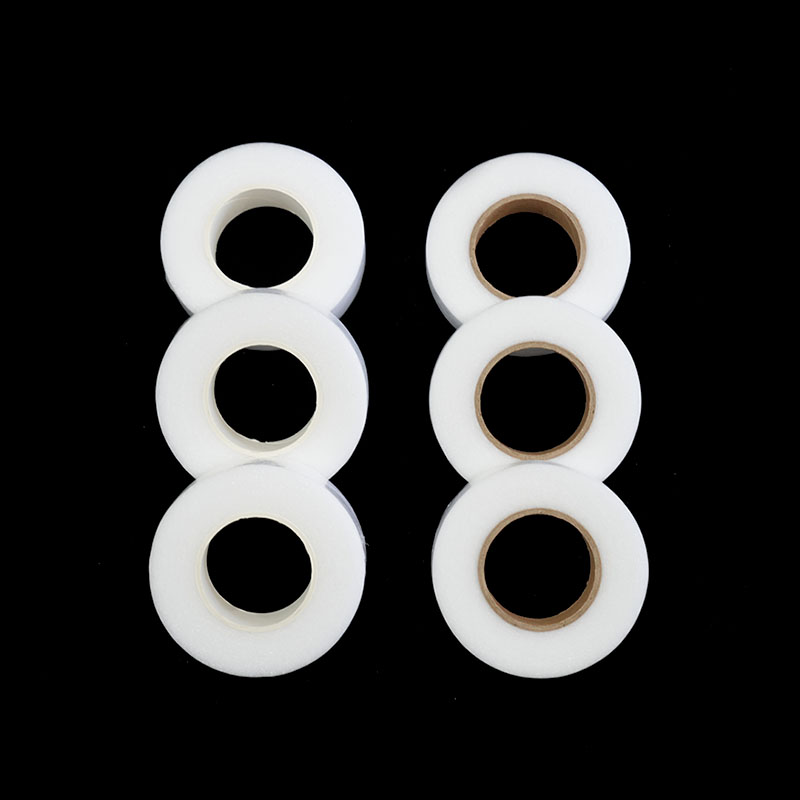
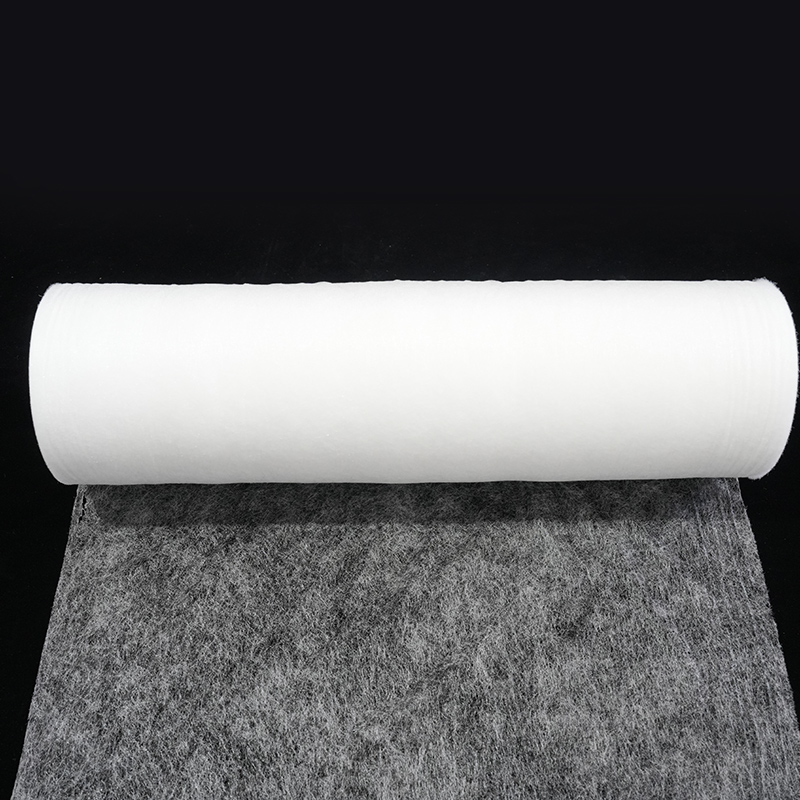
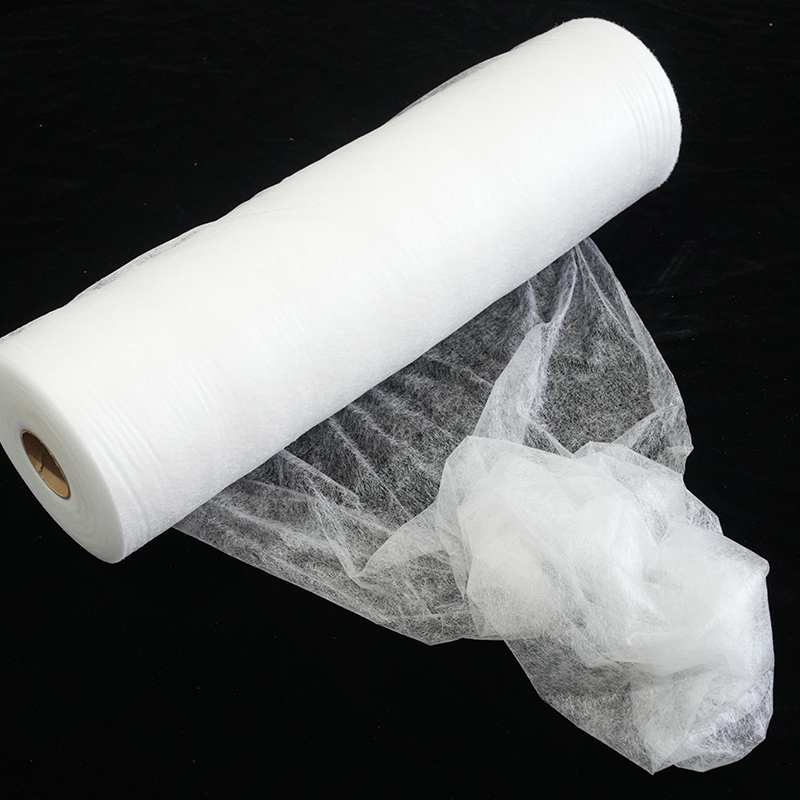
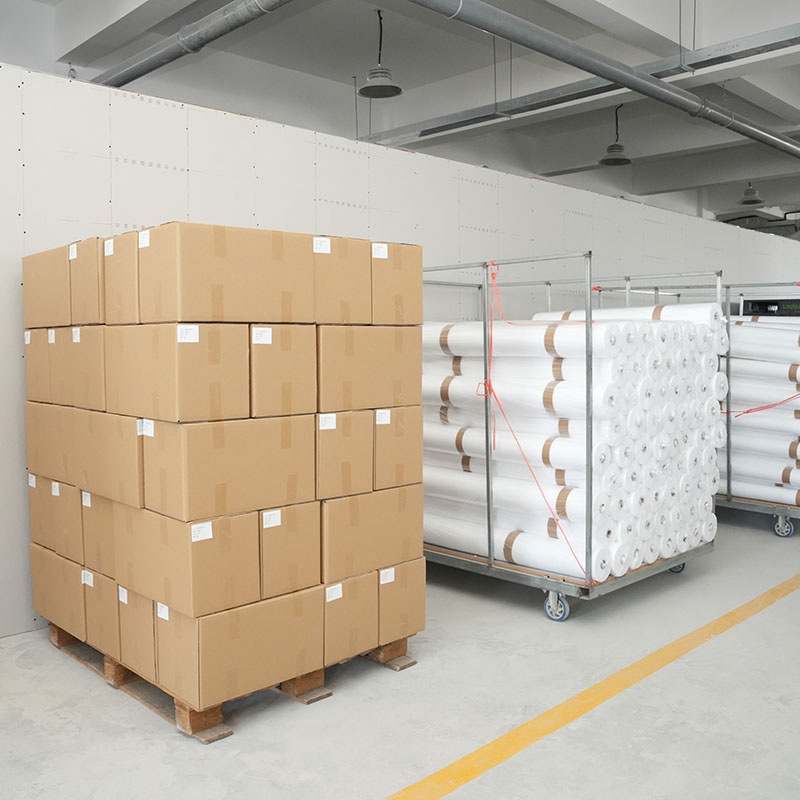 Whole-Roll PA Hot Melt Adhesive Web for Heat-Resistant BondingThermoplastic polyamide mesh web in whole-roll form, offering breathability and washability; suitable for activated PP composites needing heat resistance, flexibility, and clean automated-line processing.View Product →
In PP composite production, a PA hot melt adhesive web can act as an intermediate bonding layer when the PP surface is properly activated and the line has enough compression. It is not a magic solution for untreated PP, but it can deliver heat resistance, flexibility, and clean processing when the adhesive grade and surface preparation are matched to the application.
Surface Treatment and Process Parameters That Make PP Bonding Reliable
Surface treatment often improves PP adhesion more than switching from one standard hot melt to another. Corona treatment raises surface energy and introduces polar groups. Flame treatment works well on thicker PP parts and can be integrated into a conveyor line. Plasma treatment is precise and suitable for heat-sensitive or complex shapes. Chemical primers are another option, but they add a drying step and require careful coverage control. After treatment, the surface can lose its activation over time, so the adhesive should be applied within the recommended window, often minutes to hours depending on storage conditions.
- Check surface energy with a dyne pen before production. A reading below 35 dyn/cm usually indicates that treatment is insufficient or has aged out.
- Control adhesive application temperature within the supplier’s range. Too low causes poor wetting; too high can degrade the polymer and create smoke or odor.
- Use enough compression to push the melt into surface microcavities. Typical nip pressure for web and film bonding is 0.2 to 0.6 MPa, but the correct value depends on substrate stiffness and line speed.
- Match open time to line speed. If the adhesive skins over before the second substrate arrives, adhesion drops sharply even if the chemistry is correct.
- Cool under pressure when possible. PP conducts heat slowly, so a controlled cooling section helps prevent bondline stress and read-through.
Thermal stability is also part of the process window. If the adhesive sits in the melt tank for a long shift, viscosity and color can change, and the bond may weaken. A practical way to qualify this risk is to test the thermal stability of hot melt adhesive web in industrial settings before scaling up.
Matching Product Form to Your Polypropylene Bonding Line
The right product form for PP depends on your substrate geometry, line speed, and whether the bondline needs breathability or elasticity. Hot melt film with release paper gives precise thickness and clean handling, which suits flat laminates such as PP sheet to fabric or foam. Hot melt web is lighter and more breathable, making it useful for PP nonwovens, filtration media, and soft composites. Hot melt powder can be sprinkled, dot-coated, or mixed into a formulation, which helps with irregular surfaces and porous substrates. Each form has trade-offs in cost, process control, and bond uniformity.
| Form | Typical PP bonding scenario | Advantages | Watch-outs |
|---|---|---|---|
| Film with release paper | PP sheet to fabric or foam | Precise thickness, clean handling | Higher cost, needs compression |
| Web | PP nonwoven or foam lamination | Breathable, soft hand, low weight | Thickness tolerance, adhesive weight control |
| Powder | PP composite with irregular surfaces | Can be sprinkled, mixed, or dot-coated | Dust control, uniformity |
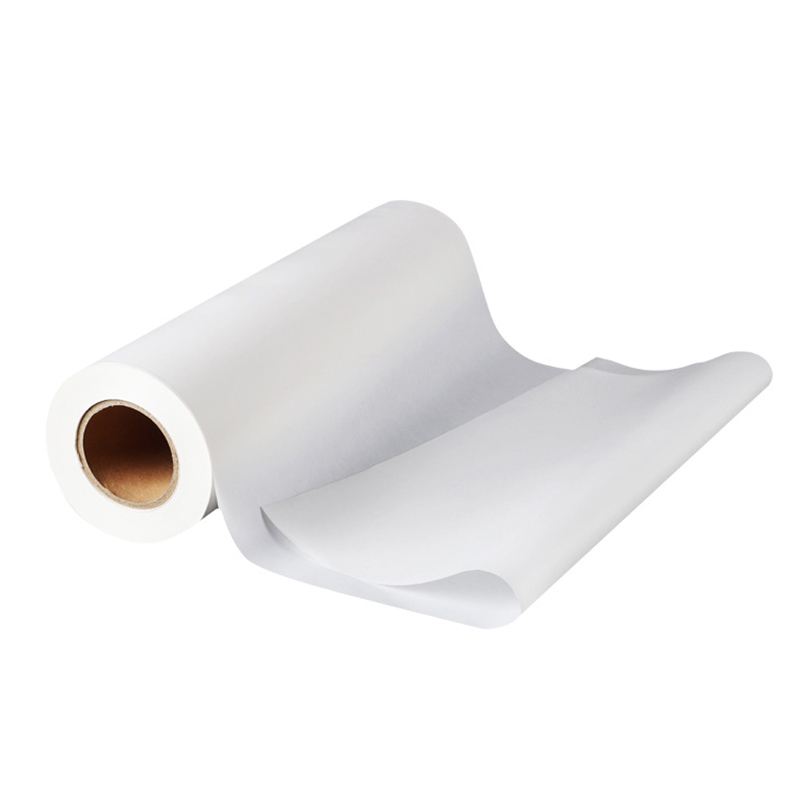 Elastic TPU Hot Melt Adhesive Film with Release PaperTransparent thermoplastic polyurethane film with backing paper, providing elastic, uniform bonding for flat laminates such as PP sheet to fabric, foam, and footwear components.View Product →
A TPU hot melt adhesive film with backing paper is a practical option when the PP assembly needs elasticity and a clean release liner for automated placement. For applications that require powder instead of a continuous layer, a PES hot melt adhesive powder can be considered after confirming that the PP surface has been activated and the powder grade is compatible with the required temperature and adhesion target.
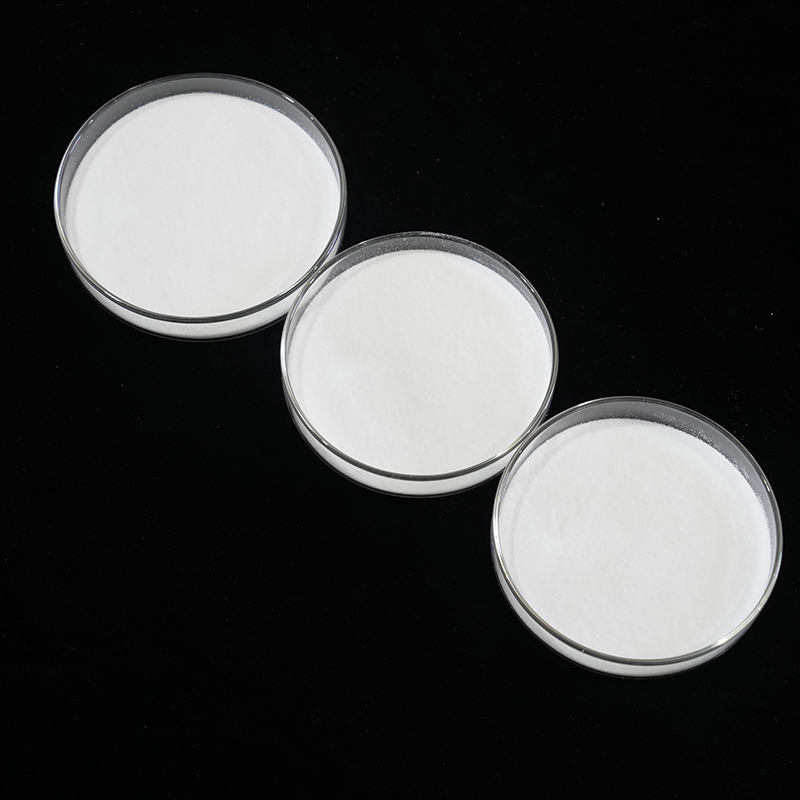 PES Hot Melt Adhesive Powder for Textile and Industrial BondingWhite copolyester powder for activated PP and porous substrates, offering wash resistance and wide-temperature stability across textiles, automotive interiors, footwear, filtration, and packaging.View Product →
How to Test and Qualify a Hot Melt Adhesive on PP
Qualification should start with a small pilot run because supplier data sheets rarely capture the exact PP grade, additives, and line conditions you use. Begin with a surface energy check, then run a designed experiment that varies treatment level, adhesive temperature, open time, and compression. The goal is not only to achieve a strong initial bond, but to understand how the bond behaves after heat, humidity, and mechanical stress. The table below lists tests that are practical for most PP bonding projects.
| Test | What it tells you | Typical acceptance focus |
|---|---|---|
| T-peel or 180-degree peel | Interfacial adhesion and flexibility | Peel strength after 24 hours and after heat aging |
| Lap shear | Load-bearing capacity of the bondline | Strength at room temperature and at service temperature |
| Heat aging | Thermal stability of adhesive and substrate | No delamination after 70°C or 85°C exposure |
| Humidity or water soak | Moisture resistance and hydrolysis risk | Retained strength after 48 to 168 hours |
| Thermal cycling | Stress from expansion mismatch | No cracking or edge lift after repeated cycles |
Common Pitfalls and Purchasing Risks
Most PP bonding failures come from the substrate or process, not from the adhesive alone. A datasheet may show excellent adhesion on a generic polyolefin, but your PP may contain talc, glass fiber, flame retardant, or colorant that changes surface chemistry and heat transfer. In automotive interior composite bonding, for example, PP substrates are often paired with fabric or foam, and the requirements include low odor, heat resistance, and consistent peel strength. Always confirm the exact PP grade and additive package before locking in an adhesive.
- Selecting an adhesive by temperature alone. Melt point does not predict adhesion to PP.
- Ignoring surface treatment decay. Treated PP can lose activation during storage or long line stoppages.
- Using too little compression. Hot melt needs contact pressure to wet out a low-energy surface.
- Overlooking thickness tolerance. In film and web bonding, thickness variation changes heat transfer and bondline stress.
- Assuming one batch will match the next. Ask for lot-to-lot viscosity, softening point, and adhesion data.
- Forgetting end-use conditions. A bond that passes a peel test at room temperature may fail in a hot car interior or a humid packaging line.
When the application involves visible interior parts, review the substrate and process requirements early with the automotive interior composite bonding use case in mind, because surface treatment, odor, and heat resistance are usually more critical there than in general lamination.
Frequently Asked Questions
Can standard EVA hot melt adhesive bond polypropylene?
Standard EVA hot melt adhesive can bond polypropylene only after the PP surface has been activated, and even then the bond is usually moderate. Untreated PP is too low in surface energy for typical EVA to wet out properly. If you must use EVA, treat the surface and test the exact PP grade before production.
Do you always need surface treatment for PP?
No, but it depends on the adhesive chemistry. Polyolefin-based hot melts are formulated to adhere to low-energy surfaces and may work on untreated PP. PA, TPU, PES, and EVA hot melts generally need corona, flame, plasma, or primer treatment to reach acceptable adhesion.
Which product form is best for polypropylene bonding?
Film with release paper is best for precise, flat laminates. Web is better for breathable or soft composites. Powder works well for irregular surfaces, dot coating, or mixing into a formulation. There is no universal best form; the decision should follow substrate geometry, line speed, and required elasticity.
How do you know if a hot melt adhesive will hold on PP?
Run a pilot trial with your actual PP substrate and line conditions. Measure surface energy, peel strength, lap shear, heat aging, and humidity resistance. A supplier data sheet is a starting point, not a qualification. The bond should still meet requirements after the most severe temperature and humidity exposure expected in service.
Hot melt adhesive for polypropylene is less about finding a single universal product and more about matching chemistry, surface preparation, product form, and process window. If the PP is untreated and the adhesive is a standard EVA or PES grade, failure is likely. If the surface is activated and the adhesive chemistry is compatible with low-energy substrates, PP bonding can be repeatable and production-friendly. Start with a small trial, measure the right properties, and keep the process window under control before committing to a full-scale run.


Contact Us