


 English
 中文简体
 Español
 عربى

Hot melt adhesive for woodworking is a 100% solids thermoplastic: you heat it until it flows, press it between two wood surfaces, and let it cool until it re-solidifies. Nothing has to evaporate, so a handling-strength bond forms in seconds instead of the twenty to sixty minutes a PVA or urea-formaldehyde glue needs under clamp pressure.
The short answer, before the detail: for indoor furniture, edge banding and veneer on heat-sensitive substrates, an EVA-based hot melt is normally the cheapest product that does the job properly. Move to a PA-based product when the bonded part has to survive roughly 70-100 °C in service. Choose a PES or TPU film or web when the bond line must be thin, uniform and dry, as it must on veneer, laminate, honeycomb panels and profile-wrapped profiles.
What follows is how the polymer families differ, where each one belongs on a woodworking line, which process settings decide whether the bond holds, and how to diagnose the failures that actually show up on the shop floor.
Content
What Hot Melt Adhesive for Woodworking Really Is
In woodworking, hot melt adhesive is not one product but a family defined by how it is delivered, as a molten bead, a coated film, or a nonwoven web.
All three share the same physics. The polymer is solid at room temperature, softens into a tacky liquid at its softening point, wets the wood surface under light pressure, and returns to a solid as it cools. Because the process is purely physical, the bond stays re-openable with heat, which is convenient for repositioning veneer and for repair work, but it also means the joint will creep if it is kept continuously above its softening range.
Granules and beads go into a hot melt gun or an edge banding machine, where the adhesive is melted in a reservoir and applied as a bead or a thin roller-coated layer. Films and webs arrive as pre-formed sheets that are laid between the two substrates and activated in a membrane press, a roller laminator or a heated platen press. That difference is commercial as well as technical: molten application is fast and cheap for furniture assembly, while film and web deliver a controlled, uniform coat weight that a bead applicator simply cannot match.
One boundary deserves to be stated plainly. Hot melts are excellent for edge banding, laminating, veneering and non-structural assembly. They are not a substitute for a structural adhesive in a load-bearing joint, where a rigid cross-linking glue or a mechanical fastener is the correct answer.
Hot Melt Compared With PVA, Epoxy and Urea-Formaldehyde
The honest comparison is short: hot melt wins on line speed and dry-process cleanliness, PVA wins on cost per joint wherever clamp time is affordable, and epoxy or urea-formaldehyde win where structure and moisture resistance dominate.
Shops rarely switch adhesive for a single reason. The decision usually comes down to how fast parts must move, how much floor space the clamps consume, and what the finished piece will be exposed to over its lifetime.
| Property | Hot melt (EVA / PA) | PVA | Epoxy | Urea-formaldehyde |
|---|---|---|---|---|
| Set or press time | 5-60 seconds | 20-60 minutes clamped | 1-24 hours | 15-45 minutes |
| Carrier | 100% solids, solvent-free | Water-based | Two-part, solvent-free | Water-based |
| Clamping | Pressure only, then release | Clamps or press | Clamps, long cure | Press, high clamping pressure |
| Heat resistance | EVA up to about 60 °C, PA beyond 100 °C | Low | High | Moderate to high |
| Gap filling | Poor, needs contact | Moderate | Good | Poor |
| Moisture and outdoor use | Poor unless a specific grade is chosen | Poor | Good | Moderate |
| Typical woodworking role | Edge banding, veneering, lamination, fast assembly | Dowels, cabinet assembly | Repair, exterior, structural | Panel products, interior doors |
Choosing the Chemistry: EVA, PA, PES and TPU
Chemistry, not brand, decides how a hot melt behaves on a woodworking line: EVA for cost and a low activation temperature, PA for heat and creep resistance, PES for thin dry films with good thermal performance, and TPU for elasticity on curved or flexible laminates.
Four polymer families cover almost every woodworking application, and each one has a temperature window that should not be ignored when you write the process sheet.
| Polymer | Softening range | Strength | Typical woodworking use | Main limitation |
|---|---|---|---|---|
| EVA | Approx. 70-95 °C | Moderate | Edge banding, membrane lamination, general assembly | Creeps above roughly 60 °C in sustained service |
| PA | Approx. 110-140 °C | High | Edge banding for kitchens and warm environments, furniture with elevated service temperature | Higher application temperature can scorch thin veneer on long dwell |
| PES | Approx. 110-130 °C | High | Veneer and panel films, bonding to foams and textiles in furniture | Demands consistent pressure and flat, clean surfaces |
| TPU | Approx. 90-120 °C | High, flexible | Curved laminates, elastic films, flexible substrates | Moisture sensitive, needs dry storage |
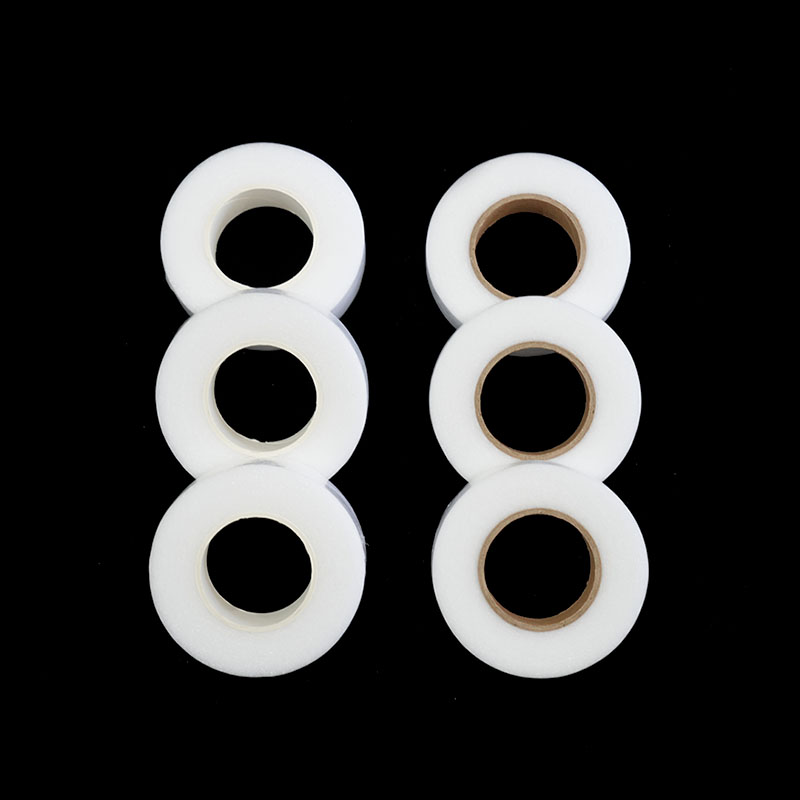
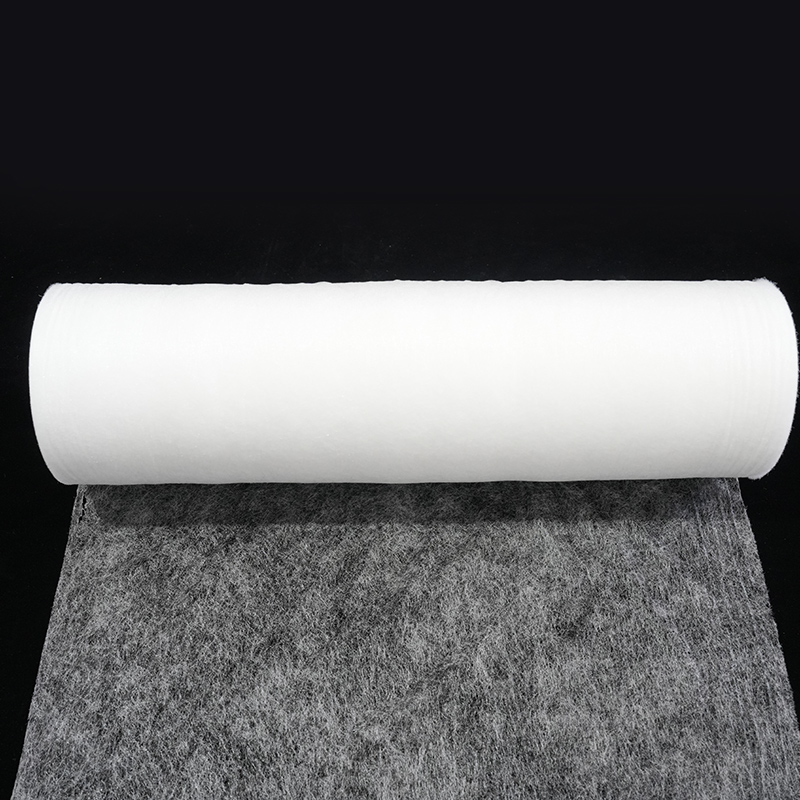
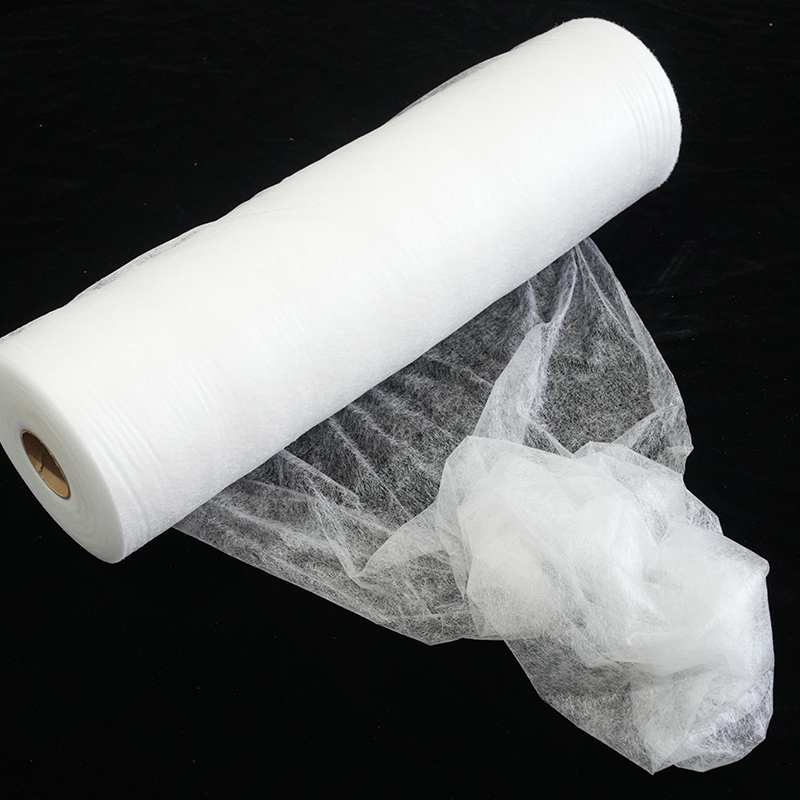
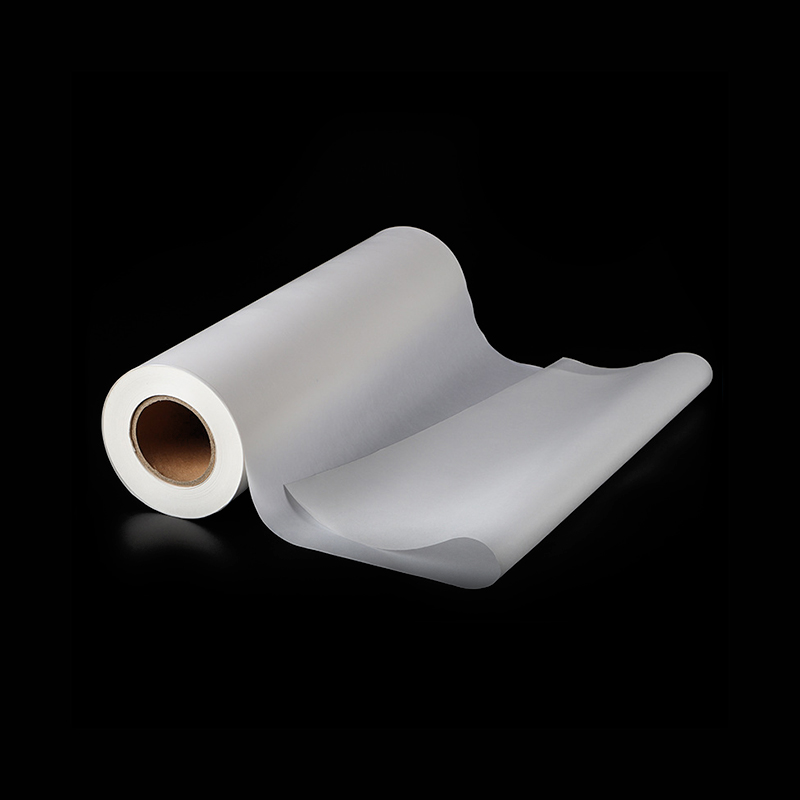
If your line runs heat-sensitive veneers, decorative paper or thin laminates, a low-temperature EVA web supplied as a whole mother roll and slit to your working width is usually the most economical starting point, because it lets you laminate below the temperature at which the face material discolours or curls.
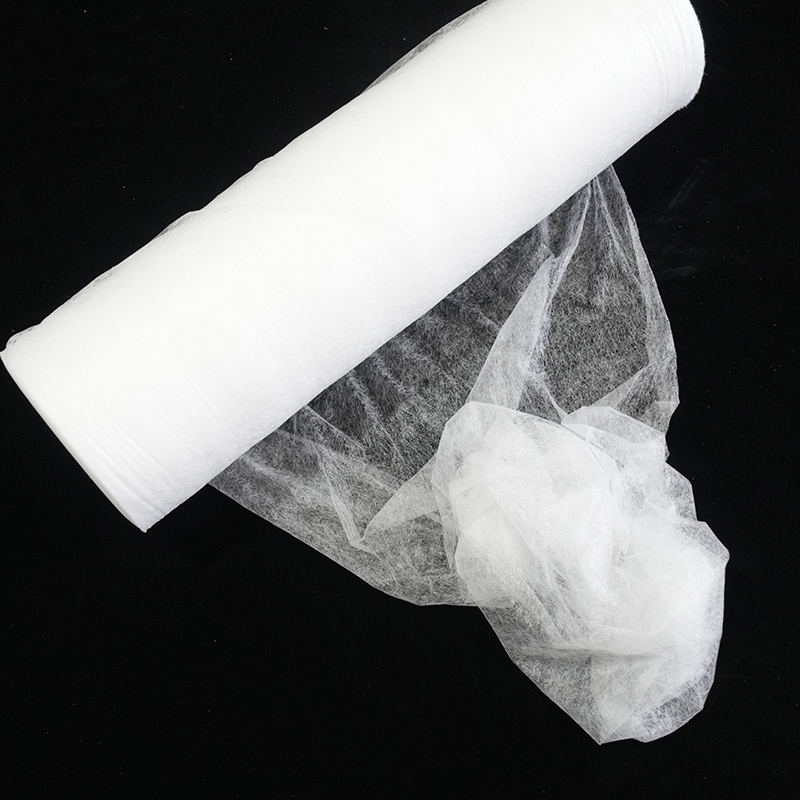 Low-Temperature EVA Hot Melt Adhesive Web Mother RollMother-roll EVA hot melt adhesive web designed for low-temperature bonding of heat-sensitive veneers, decorative papers, and thin laminates on continuous laminating lines.View Product →
Where Hot Melt Adhesive Fits in a Woodworking Shop
Hot melt adhesive earns its place in five woodworking operations: edge banding, flat lamination and veneering, profile wrapping, fast sub-assembly, and repair or rework.
- Edge banding. This is the highest-volume use. The band and the panel edge are joined by a molten bead or a pre-coated layer, and the part can be trimmed and scraped immediately after the pressure roller, with no clamping station in between.
- Flat lamination and veneering. A film or web is laid between the panel and the veneer, decorative paper or foil, then activated under heat and pressure in a membrane press or a roller laminator. The dry bond line means no water is driven into the veneer, so the surface does not swell or telegraph grain.
- Profile wrapping. Films and webs conform to curved MDF and aluminium profiles when they are heated, which suits furniture components that a flat press cannot reach.
- Fast sub-assembly. Dowels, mitres and frames can be handled within seconds, which shortens the time a carcass occupies a jig and reduces work in progress.
- Repair and rework. Because the polymer is thermoplastic, a lifted edge or a repositioned veneer patch can be re-activated with a hot iron rather than scrapped.
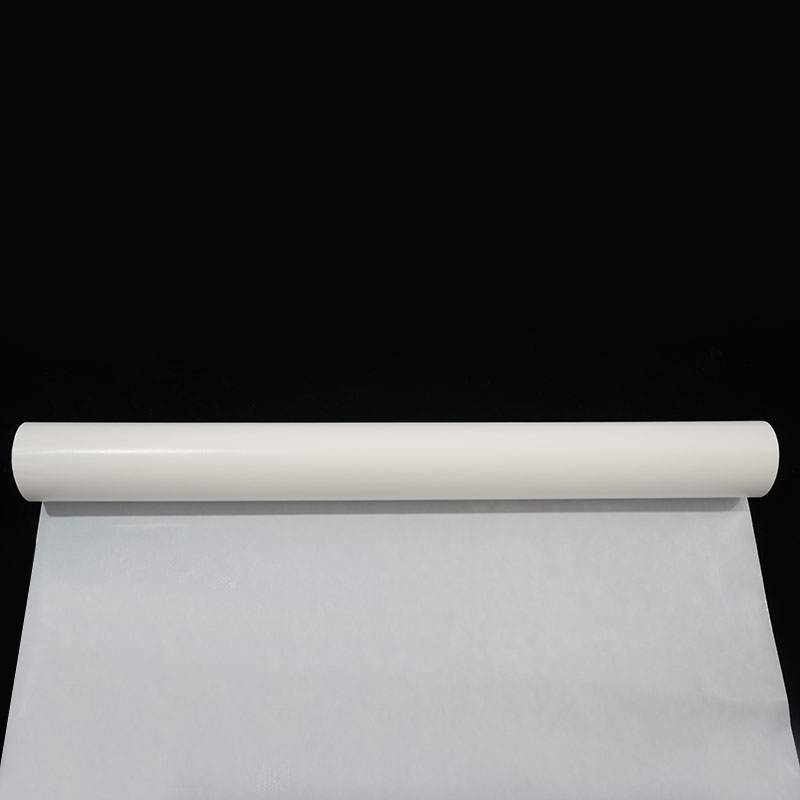
For veneer and flat lamination, a PES film with backing paper is a practical choice: the paper carrier keeps the film from blocking on the roll, and the film melts quickly at elevated press temperature to give a clean, thin, solvent-free double-sided bond on wood-based panels.
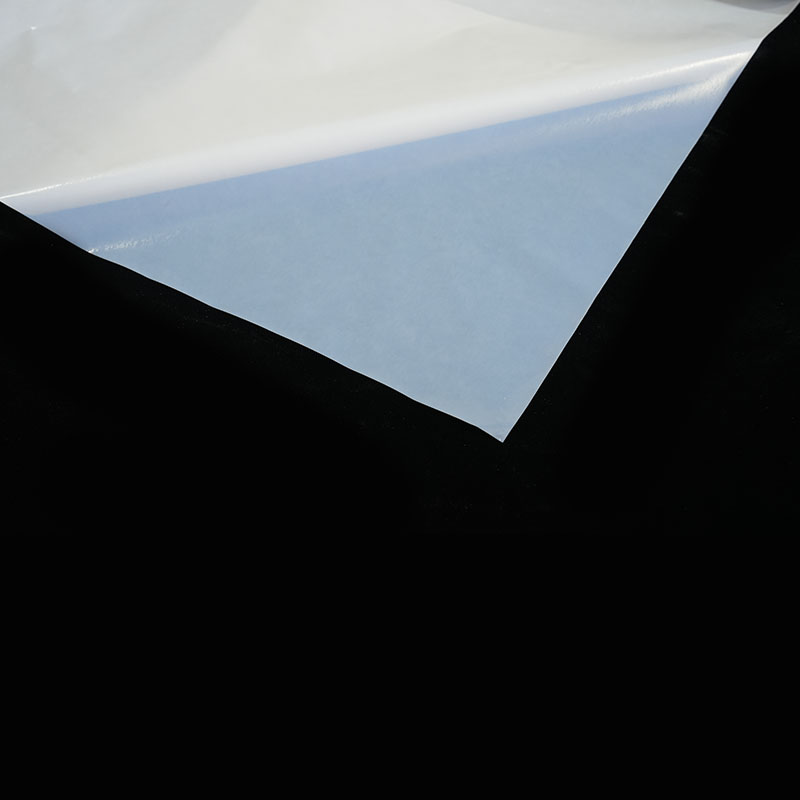 PES Hot Melt Adhesive Film with Backing PaperBacking-paper PES film for veneer and flat lamination, providing clean, thin, solvent-free double-sided bonding on wood-based panels when pressed at elevated temperature.View Product →
Process Settings That Decide Bond Quality
Bond quality in woodworking is decided by five variables you control, substrate temperature, adhesive temperature, open time, coat weight and pressure, with wood moisture content sitting quietly behind all of them.
Substrate temperature matters more than most operators expect. Cold wood chills a thin bead of adhesive almost instantly: below about 15 °C the open time collapses and the adhesive skins over before the second face arrives. Keeping parts at 18-25 °C in winter is often the single cheapest quality improvement available.
Adhesive temperature should sit inside the supplier's window, and within about ±5 °C of the middle of it. Running hotter to improve flow accelerates oxidation, which shows up as darkening, a burnt smell and a measurable loss of bond strength a few weeks later.
Open time must be longer than the real assembly time, not the ideal one. If a panel has to travel from the applicator to the press, measure that journey and compare it with the published open time, then adjust coat weight or choose a longer open-time grade.
Coat weight is specified in grams per square metre for films and webs. Too little produces a starved, glossy line that fails at low load; too much produces squeeze-out, a spongy bond line and visible glue on the finished face. Pressure and dwell should be just enough to wet both surfaces uniformly, so verify that the nip is parallel and the rollers are true, because the factors that affect bonding strength are usually mechanical before they are chemical.
Wood moisture and surface condition close the loop. Kiln-dried stock at 6-8% moisture content behaves predictably, while wet or green stock flashes into steam at the bond line. Dusty, oily or resin-rich tropical species need a fresh sand and sometimes a primer, and any loose fibre on an MDF edge will pull away with the band.
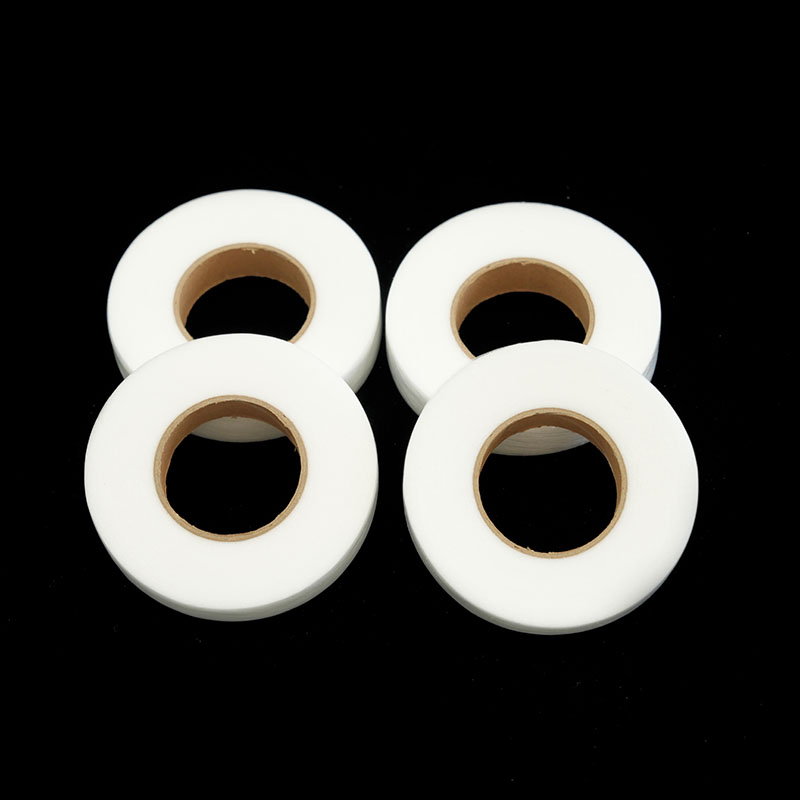 Custom PA Polyamide Hot Melt Adhesive WebCustom polyamide adhesive mesh film for apparel, footwear, automotive, and furniture bonding, with adjustable activation temperature, grammage, mesh pattern, and roll width.View Product →
Common Problems and How to Fix Them
Most hot melt failures in woodworking fall into five patterns, and each one has a mechanical or thermal cause rather than a mystery in the formulation.
| Symptom | Most likely cause | Practical fix |
|---|---|---|
| Bond pops open after cooling | Substrate too cold or open time exceeded | Warm parts to 18-25 °C, shorten the transfer distance, raise coat weight |
| Stringing and cobwebbing | Melt temperature too high, nozzle or roller too far from the substrate | Step the melt temperature down in 5 °C increments, close the gap, check the cut-off |
| Starved, glossy bond line | Excess pressure squeezing adhesive out, or coat weight too low | Reduce roller or press pressure, verify coat weight and film basis weight |
| Failure after months in a warm room | EVA creeping above its softening range | Switch to PA, PES or a higher-softening grade for that component |
| Bubbles, blisters or foaming | Moisture in veneer or panel, or trapped air at the nip | Dry stock to 6-8% moisture content, slow the nip, add a short pre-heat |
Frequently Asked Questions
Is hot melt adhesive strong enough for woodworking?
Yes for edge banding, lamination, veneering and non-structural assembly, but no for a load-bearing structural joint. A correctly set hot melt bond on a clean, dry wood surface holds up well in shear and peel under normal furniture loads; what it does not tolerate is sustained heat, sustained peel load, or a starved bond line. If the joint carries structural load, use a rigid cross-linking adhesive or a mechanical fastener instead.
Can hot melt adhesive be used outdoors?
Standard EVA grades are not suitable for sustained outdoor exposure. Moisture, UV and summer surface temperatures above the softening range will cause creep and eventual bond failure. For outdoor or damp service, a higher-performance chemistry and a moisture-resistant specification are required, and the joint should also be protected by design, paint or a mechanical fixing.
What is the difference between hot melt film and hot melt granules?
Granules are melted inside the machine and applied as a bead or a roller coat; film is pre-coated to a controlled thickness and simply laid between the substrates. Granules cost less per kilogram and suit high-speed edge banding, while film gives a uniform dry bond line with no visible glue squeeze-out, which is why it is preferred on veneer and thin decorative surfaces.
How much adhesive does a woodworking bond actually need?
Enough to wet both surfaces completely without starving the line, and no more. Too much adhesive is a far more common mistake than too little, because the excess has nowhere to go and turns into squeeze-out, a spongy layer or a visible glue line. The target is a thin, continuous, slightly translucent film across the whole joint area. Ask your supplier for a recommended coat weight for your exact substrate pair, then confirm it with a peel test rather than a visual check.
Does hot melt adhesive bond MDF, plywood and particleboard?
Yes, provided the surface is clean, dry and free of loose fibre. MDF and particleboard edges are porous and pull heat out of the adhesive quickly, so a slightly heavier coat weight and a short dwell under pressure usually improve the result noticeably compared with solid wood.
Choosing a hot melt adhesive for woodworking comes down to matching three things: the chemistry to the service temperature, the delivery form to the operation, and the process settings to the actual speed of your line. EVA covers the majority of indoor furniture work, PA handles the warm end of the range, and PES or TPU films and webs give you the thin, uniform, solvent-free bond line that veneer and laminate demand.
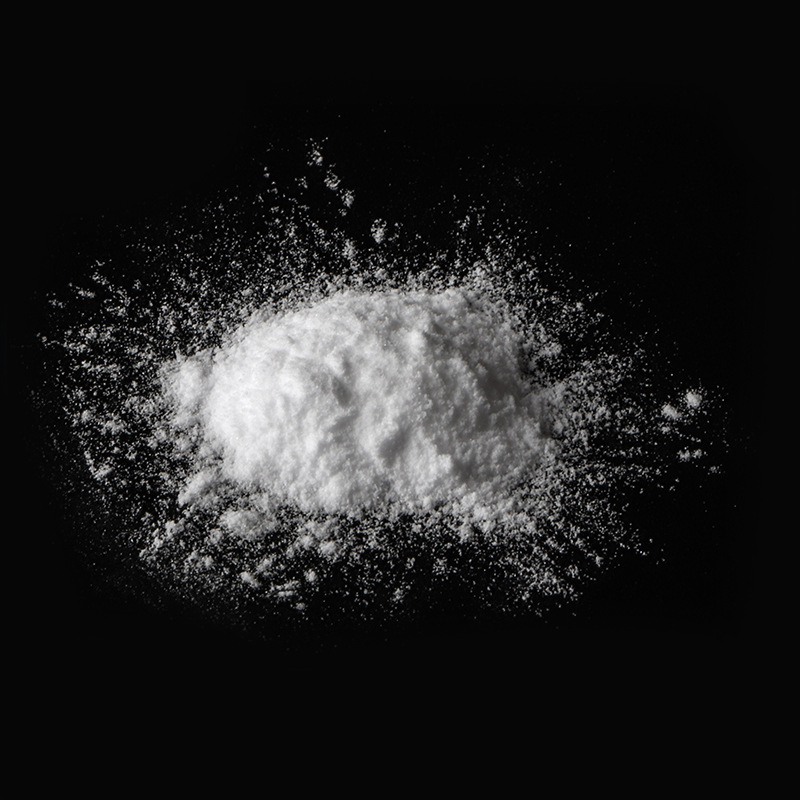
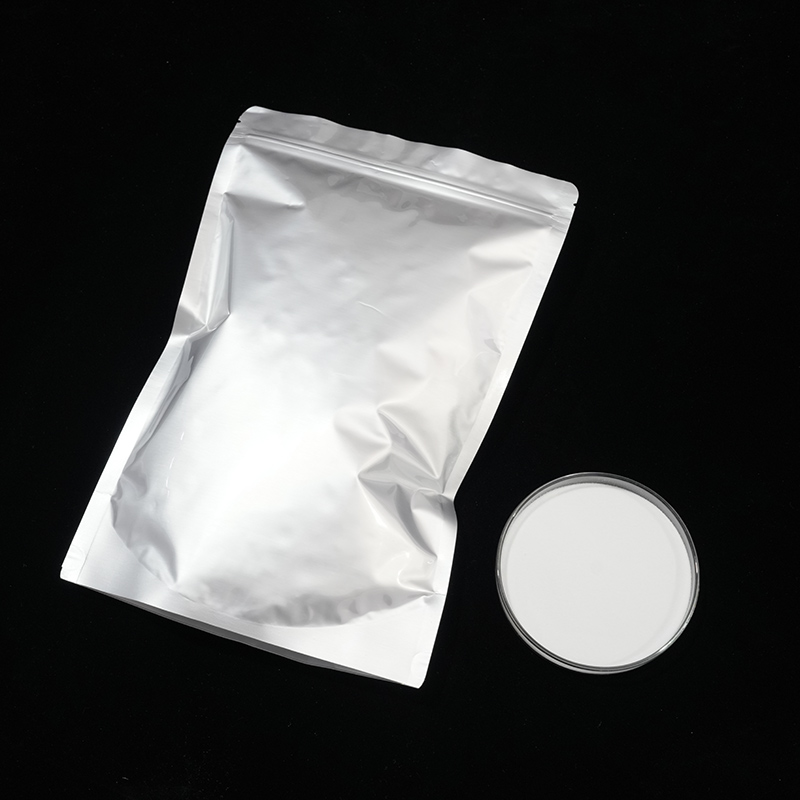
Because the same polymer can be supplied as a film, a web or a powder, it is worth checking the full range of hot melt adhesive films, webs and powders against your substrate pair before you settle on a specification, and asking for a sample to run under your own press settings. A short trial on real production parts will tell you more about open time, coat weight and heat resistance than any data sheet on its own.


Contact Us