


 English
 中文简体
 Español
 عربى

Hot melt adhesive formulation is the work of balancing four material families so that a 100% solids adhesive melts, wets, sets and keeps holding: a base polymer for strength, a tackifier for grip, a wax for flow and set speed, and a small stabiliser package for heat stability. Almost every grade on the market uses the same four blocks. What separates a reliable formula from a failed one is the ratio and the viscosity at your application temperature, not the ingredient list.
A workable starting point for a general-purpose grade is 40% polymer, 30% tackifier, 25% wax and 0.5-1% antioxidant, with the remainder in minor additives. From there, change one component at a time and re-test. Formulators who move two dials at once usually cannot explain afterwards why the bond improved or failed.
Content
- What a hot melt adhesive formulation contains
- The base polymer decides almost everything
- Coating method sets the viscosity window
- Tuning open time, set time and heat resistance
- Fault finding: symptom, cause, correction
- Validate in the lab before the production run
- Buy the compound or buy the finished form
- Frequently asked questions
What a hot melt adhesive formulation contains
Nearly every hot melt formula is built from a four-part skeleton, and the loadings sit inside fairly narrow gravimetric ranges.
| Component | Typical loading | Job in the formula | Overdose symptom |
|---|---|---|---|
| Base polymer (EVA, PA, PES, TPU, PO) | 30-50% | Cohesive strength, heat resistance, flexibility | Viscosity climbs, wetting drops |
| Tackifier (rosin ester, terpene phenol, C5/C9 hydrocarbon) | 20-40% | Specific adhesion, open time, tack | Cold flow, low cohesion, smoking |
| Wax (paraffin, microcrystalline, Fischer-Tropsch) | 10-30% | Lowers melt viscosity, shortens set time | Brittle joints, low peel strength |
| Antioxidant and stabiliser | 0.3-1.0% | Blocks oxidation, char and colour drift | Discolouration, plate-out on rollers |
Compatibility matters as much as percentage. Aliphatic C5 hydrocarbon tackifiers pair naturally with EVA, rosin esters give broad adhesion across paper, board and film, and terpene phenol grades lift heat resistance. A tackifier that separates from the polymer in the melt will bloom to the surface within days and take the bond with it, which is why a cloud-point or compatibility check belongs in the first trial, not the last.
The base polymer decides almost everything
Choose the polymer first: it fixes the service temperature, the flexibility and the price floor of the whole formulation.
| Polymer | Melt or softening range | Where it fits | Formulation notes |
|---|---|---|---|
| EVA | 70-95 °C | Packaging, bookbinding, textile lamination | Cheap and forgiving; needs wax and tackifier; service limit near 60 °C |
| PA (polyamide) | 110-150 °C | Automotive trim, electronics, metal and engineering plastics | High heat resistance; moisture sensitive; hotter pot, dry storage |
| PES (polyester) | 100-130 °C | Textile interlining, powder scatter, automotive | Strong adhesion to PET, low colour; hydrolyses in damp storage |
| TPU | 80-120 °C | Footwear, elastic film, flexible laminates | High cohesion with elongation; shear sensitive in the pot |
EVA stays the workhorse because it tolerates wide ratio swings and cheap filler waxes. Polyamide and polyester cost more but carry the heat load that EVA cannot, and they are usually supplied as film, web or powder rather than as a bulk slug for an open pot. TPU earns its price where the joint has to stretch and recover without creeping.
When the line needs a solvent-free bond on textile or foam and a coated film is not practical, a scattered powder route is often the shorter path to a stable process.
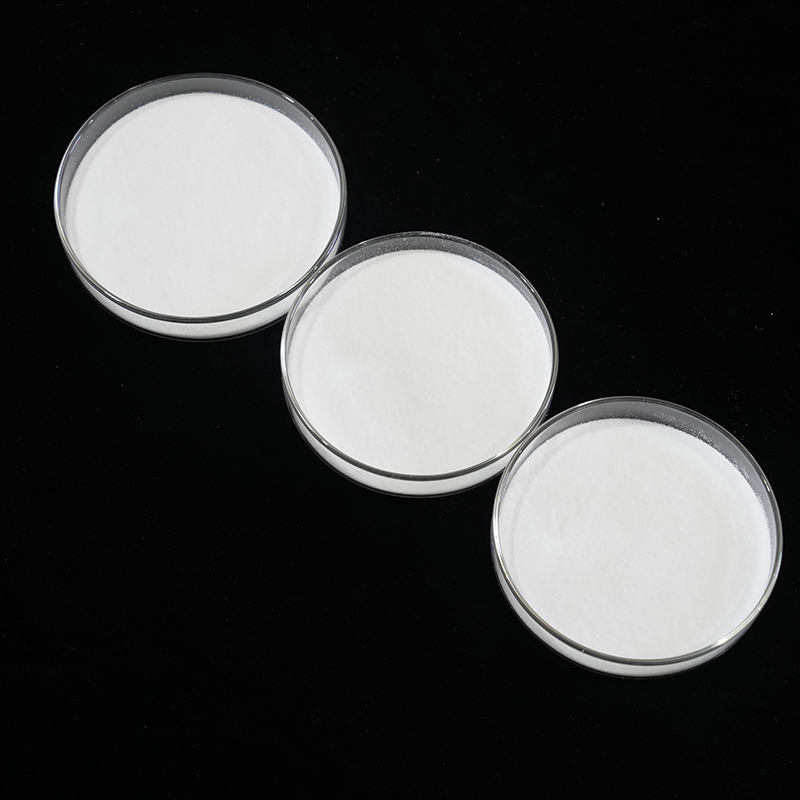 PES Hot Melt Adhesive Powder for Textile and FoamSolvent-free PES powder supports textile, foam and other bonds; compare FN models and 95–200°C range against your line's viscosity and cure needs.View Product →
Coating method sets the viscosity window
The same recipe can run clean on one line and fail on another, because the application method defines the viscosity the formula must hit.
- Slot die and roller coating: roughly 1,000-8,000 mPa·s at 160-180 °C; too thin and the coat weight wanders, too thick and you starve the nip.
- Spray and swirl application: 300-1,500 mPa·s at the nozzle, with pressure and air temperature doing as much work as the formula.
- Powder scatter: particle size 0-200 µm, where melt point and flow rate matter far more than viscosity.
- Web and mesh: 15-60 gsm, with basis weight and mesh geometry acting as the metering device.
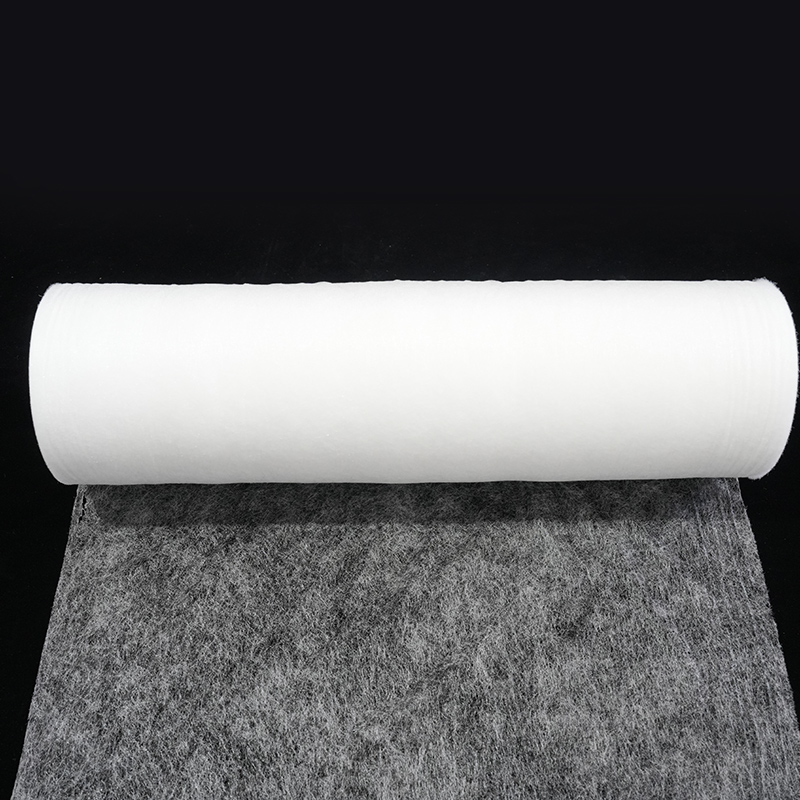
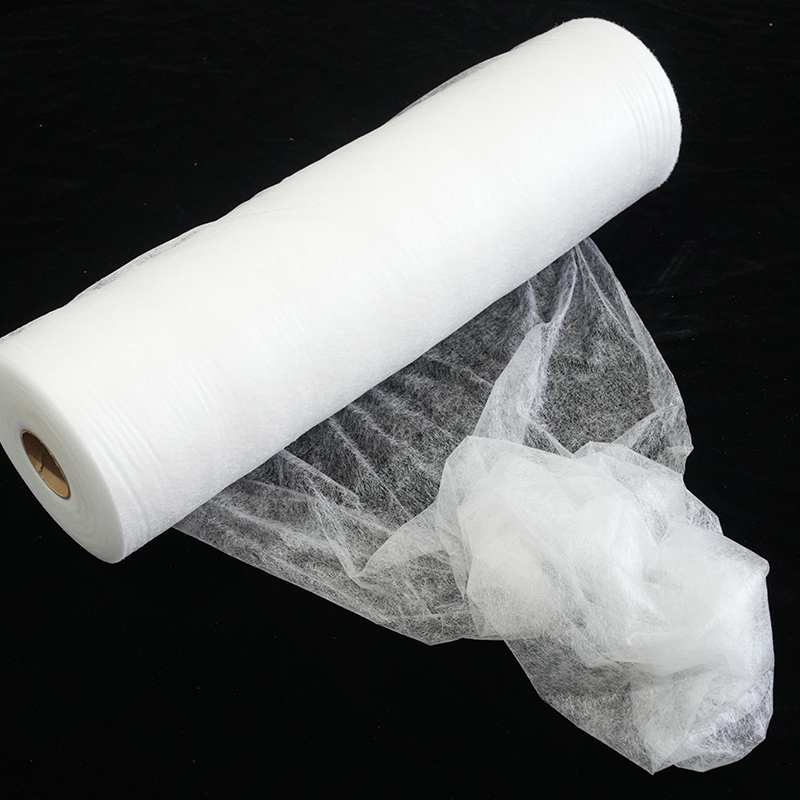
If you buy a finished web, the formulator has already closed the viscosity question for you; what remains is matching basis weight and mesh pattern to the substrate and the press cycle.
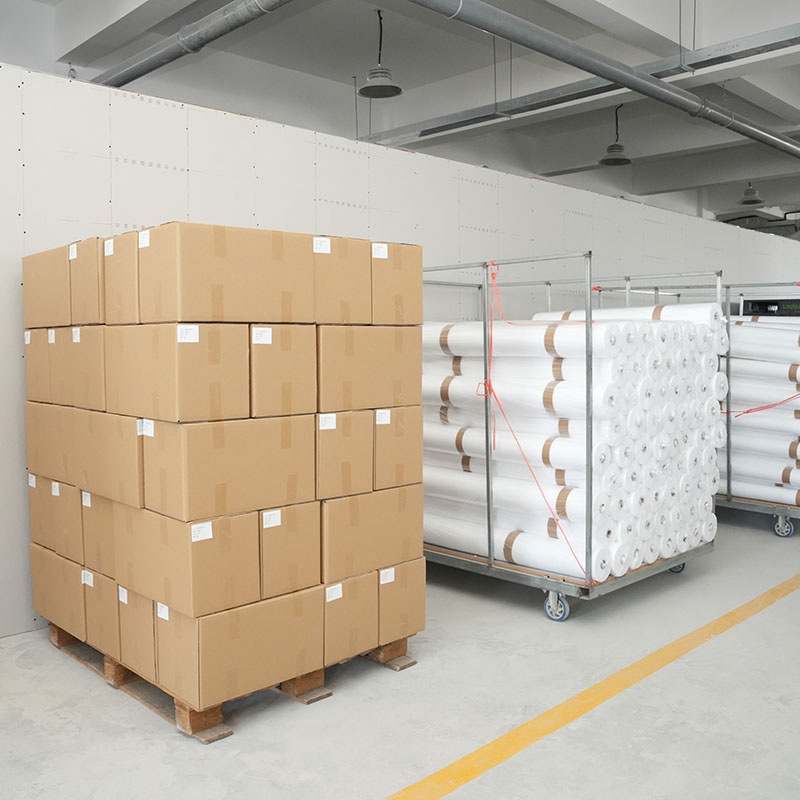 Whole-Roll PA Hot Melt Adhesive WebFinished polyamide web in continuous rolls; match grammage, mesh and melt model to substrate and press cycle for automated bonding.View Product →
Tuning open time, set time and heat resistance
Three properties trigger most line complaints, and each responds to a different component.
- Open time is controlled by the softening point of the tackifier and the total wax level. Extend it with a lower-softening tackifier; shorten it with more wax.
- Set time is dominated by wax crystallisation. A Fischer-Tropsch wax sets sharply, paraffin sets slowly and softens the joint.
- Heat resistance comes from the polymer and the tackifier together. A 10 °C gain is realistic when you move to a higher-softening tackifier; beyond that you need a different base polymer.
- Low-temperature flexibility is the trade-off. Every point of wax you add to cut cost narrows the window before the bond cracks at -20 °C.
Keep at least a 5 °C margin between the service temperature of the finished part and the softening point of the formula. Anything tighter works in the lab and fails in a delivery van.
Fault finding: symptom, cause, correction
Most formulation faults surface as one of five symptoms, and each points back to a specific component.
| Symptom | Likely cause | Correction |
|---|---|---|
| Stringing at the nozzle | Melt too elastic, wax balance off | Raise polymer 3-5 points, drop pot temperature 5-10 °C |
| Brittle bond after ageing | Wax or tackifier overdose | Cut wax by 5 points, add 3% compatible tackifier |
| Poor heat resistance | Soft tackifier, low molecular weight polymer | Switch to higher-softening tackifier or a PA/PES base |
| Char, smoke or gel in the pot | Antioxidant too low, hot spot on the tank wall | Add 0.2% antioxidant, verify pot temperature and agitation |
| Cold flow or creep under load | Tackifier excess, plasticiser migration | Raise polymer fraction, remove or reduce plasticiser |
Change one line of the formula per trial and keep the coating weight fixed. Without that discipline you are testing the line, not the adhesive.
Validate in the lab before the production run
Six bench checks catch almost every formulation problem before a single metre of production is at risk.
- Viscosity curve at three temperatures, not one point, so you know how the grade behaves when the pot drifts.
- Ring-and-ball softening point, which predicts the upper service limit more reliably than the data sheet.
- Peel strength on the actual substrates, conditioned for 24 hours at the humidity your customer will see.
- Shear adhesion at elevated temperature to confirm the joint holds under load.
- Thermal stability: hold the melt at application temperature for 72-100 hours and check for skin, char and colour drift.
- An open-time trial by hand lay-up, timed with a stopwatch, on the real assembly.
A 25-50 kg pilot batch is usually enough to expose pumping, filtration and fume problems that a 2 kg lab mix never shows.
Buy the compound or buy the finished form
Buy the compound if you coat or scatter in-house; buy the finished form if you laminate, where the adhesive is already metered onto a carrier.
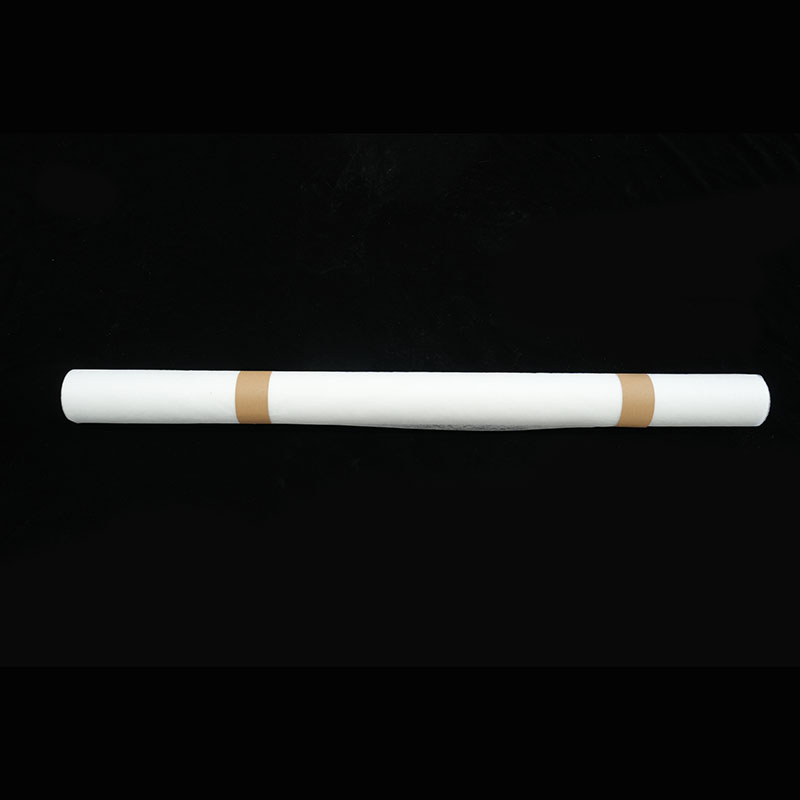
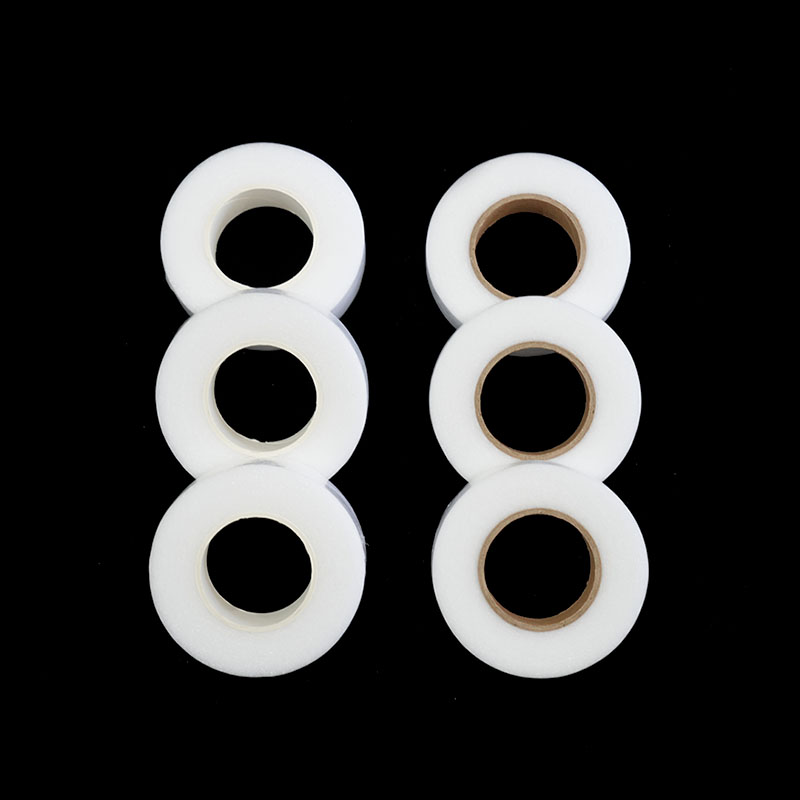
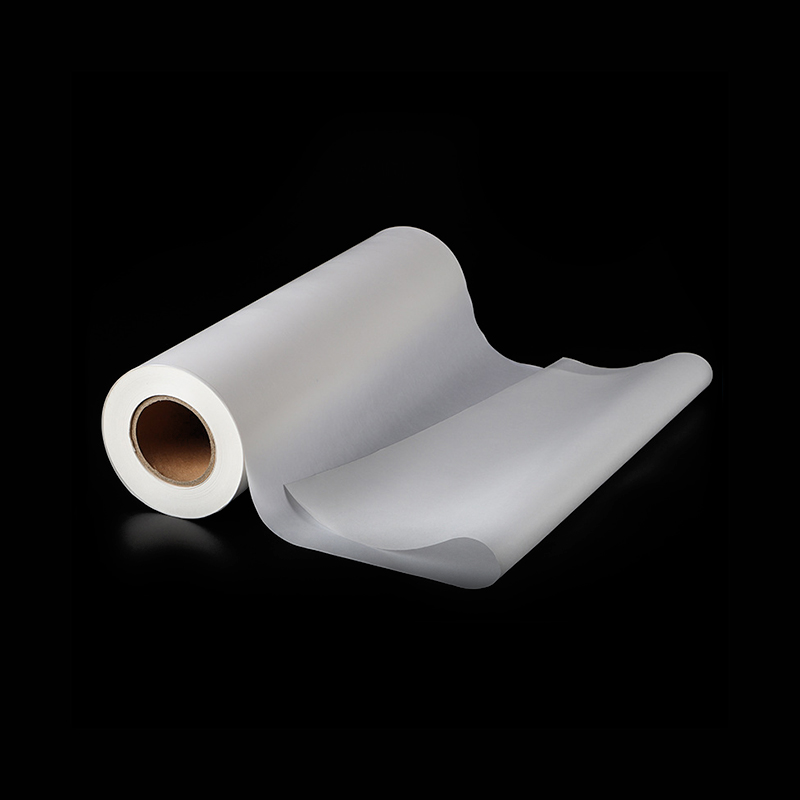
Coating operations need freedom to adjust the ratio, so a compound, a masterbatch or a powder grade makes sense. Laminating operations usually get a faster, more repeatable process from a finished hot melt adhesive film with a release paper, or from a hot melt adhesive web where weight and breathability matter. Both routes remove the pot, the fume extraction and the viscosity drift from your process.
Elastic laminates are the clearest case: the bond has to stretch with the substrate and recover without creep, which a rigid EVA formula cannot deliver at any sensible coat weight.
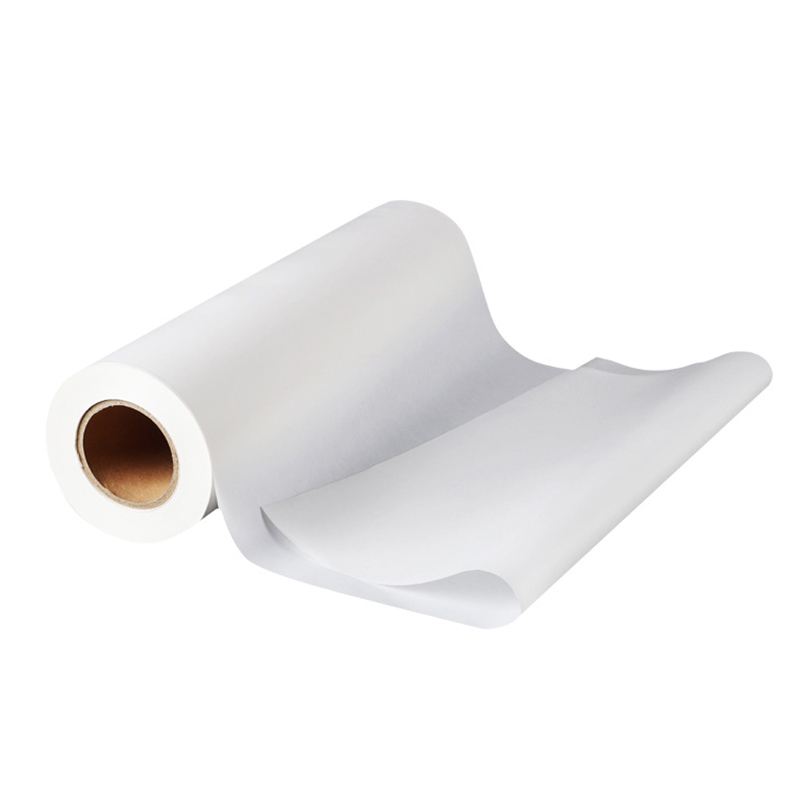 Elastic TPU Hot Melt Adhesive Film with Release PaperTransparent elastic TPU film for stretchable textile and shoe bonds; compare melt range and release-paper format for elastic laminates.View Product →
Frequently asked questions
How much wax can I add before the bond turns brittle?
Keep total wax below the tackifier level and test at -20 °C before you commit. Past roughly 30% of the formula, peel strength on flexible substrates drops quickly, and the joint starts to crack during handling rather than in service.
Can one formulation bond both paper and polypropylene?
No, because the two substrates have very different surface energies. Paper bonds with a general-purpose EVA grade, while polypropylene and other low-energy plastics need a polymer and tackifier pair chosen for wetting on that surface, and often a higher coat weight.
Why does my melt yellow or smoke in the pot?
Yellowing is oxidation, usually from too little antioxidant, too high a pot temperature or a hot spot on the tank wall. Hold the melt within the recommended range, add 0.2% antioxidant and check that the controller reads the same as a calibrated probe.
Do I need a plasticiser at all?
Only when you need low-temperature flexibility or a very low viscosity. Plasticisers lower cohesion, can migrate into porous substrates and often trigger fogging complaints, so most modern formulas solve viscosity with wax and polymer choice instead.
A formulation is finished when the line runs at speed, the melt stays clean through a full shift, and the bond survives ageing at the temperature and humidity your customer actually ships into. That is a narrower target than a good data sheet, and it is the one worth testing for.


Contact Us