


 English
 中文简体
 Español
 عربى

The hot melt adhesive manufacturing process is a solvent-free sequence of four blocks: melt-blending a thermoplastic polymer with tackifiers, waxes and stabilisers; filtering and degassing the melt; forming it into film, web, powder or granules; then cooling, testing and packaging. Every property the customer feels on the line — open time, heat resistance, peel strength, whether a roll unwinds cleanly after three months in a warehouse — is decided in the first two blocks and only preserved by the last two.
That is not a theoretical point. A mixer running four degrees hot for an extra twenty minutes can oxidise an EVA or PES melt enough to shift colour and cut aged peel strength noticeably, while the same batch still passes every test on the day it is made. Because hot melt adhesives are 100% solid thermoplastics, there is no solvent to evaporate and no curing chemistry to blame: the bond is a physical re-solidification, so what the process does to the polymer is exactly what the end user inherits.
Content
The Manufacturing Process, Stage by Stage
The process is continuous in its forming stage but batch-based in its blending stage, and that mixture is where most quality arguments begin. A batch of melt is typically 500–2,000 kg; a coating run may consume several batches. If two batches differ by two points of softening point, the converter sees it as inconsistent lamination temperature, not as a mixing problem.
| Stage | What happens | What belongs in the specification |
|---|---|---|
| Dosing and intake | Base polymer, tackifier, wax and antioxidant are weighed per batch or fed by loss-in-weight feeders | Dosing accuracy within ±0.5%; resin moisture below 0.05% |
| Melt blending | A jacketed mixer or twin-screw extruder shears and heats the blend, ideally under a nitrogen blanket | Melt window of roughly ±3 °C; capped residence time; no dead zones in the vessel |
| Filtration and degassing | The melt passes a screen pack and a vacuum section to remove gels, char and volatiles | Screen size around 100–400 µm; gel count per square metre of finished film |
| Forming | Cast film on chill rolls, fibrous web through an engraved roller, or milling and grinding to powder | Coat weight, thickness typically 20–200 µm, width tolerance |
| Cooling and consolidation | Chill rolls, release liner or silicone belt, with tension control on the winder | Roll surface temperature around 10–25 °C; blocking test on unwind |
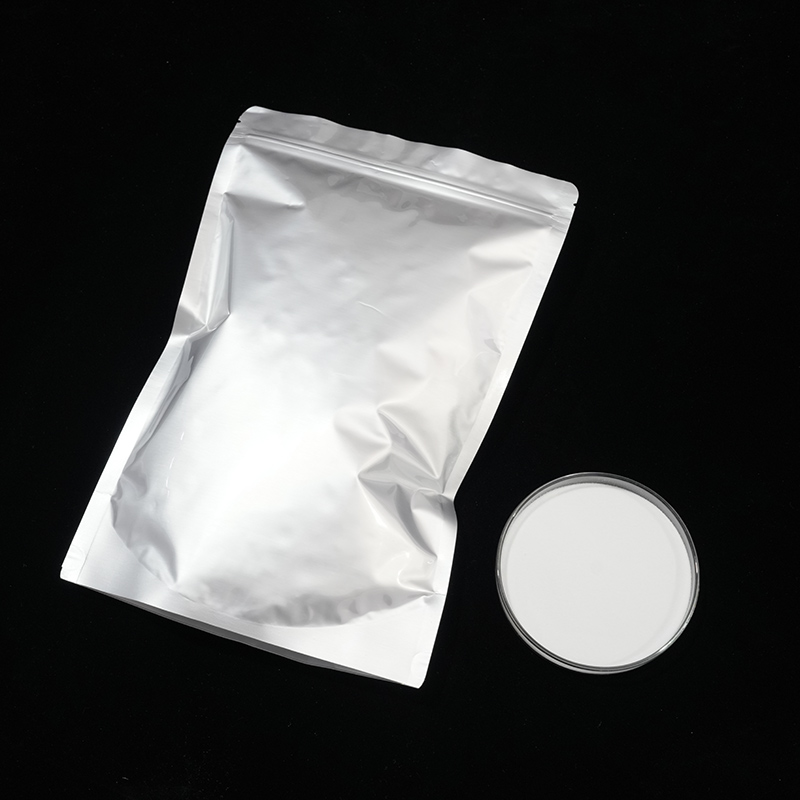
| Testing and packing | Viscosity, softening point, peel strength and heat resistance are measured, then packed | Retained batch sample; foil-lined, nitrogen-flushed packaging; batch traceability |
Two details decide more outcomes than any other. First, filtration: a 200 µm screen removes the char particles that later read as visible specks in a laminated car door panel. Second, cooling: a film wound at 35 °C instead of 20 °C keeps crystallising on the roll and blocks in the customer's warehouse, not in the factory.
Formulation: The Four Ingredient Families
Almost every hot melt adhesive is built from four component families, and the ratio between them explains why two products with the same polymer name behave nothing alike.
| Component | Job in the bond | Typical share | What it governs |
|---|---|---|---|
| Base polymer (EVA, PA, PES, TPU) | Backbone cohesion | 30–50% | Heat resistance, flexibility, substrate compatibility |
| Tackifier resin | Wet-out and specific adhesion | 20–40% | Peel strength, tack, open time |
| Wax | Lowers melt viscosity | 10–25% | Set speed, penetration, cost |
| Stabiliser and antioxidant | Blocks oxidation during melting and service | 0.5–2% | Colour stability, char formation, shelf life |
Push the wax up and the adhesive sets fast, which suits high-speed packaging but reduces heat resistance. Push the tackifier up and peel strength rises while the roll becomes softer and more prone to blocking. This is why the useful question to a supplier is never "what polymer is it" but "what does it hold at 70 °C after 72 hours".
From Melt to Shipment: Why Product Form Changes the Line
The forming stage is what separates one supplier's catalogue from another's, because the same melt can leave the plant as film, web, powder or granule.
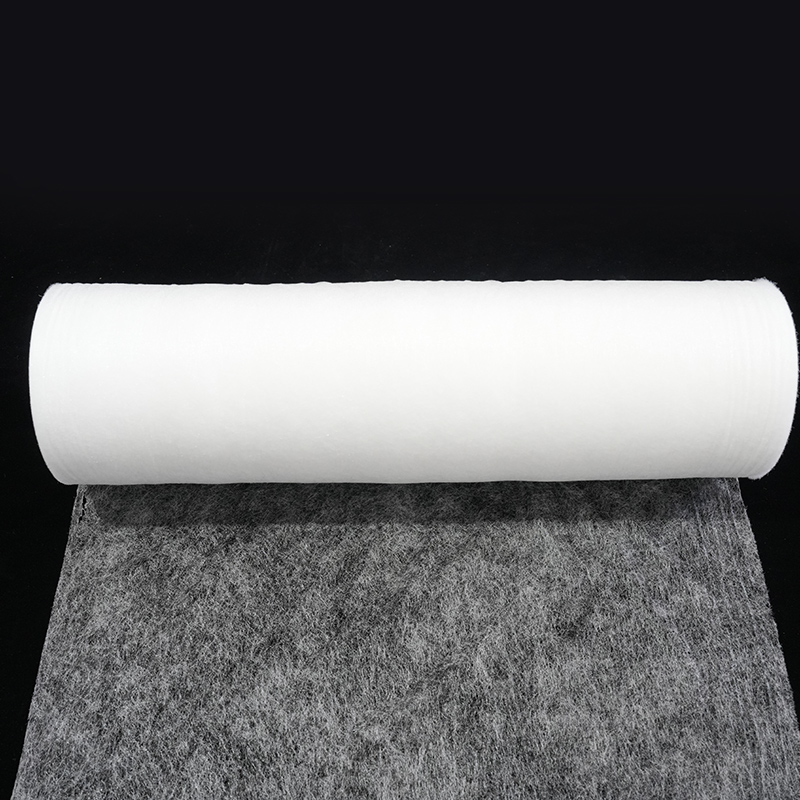
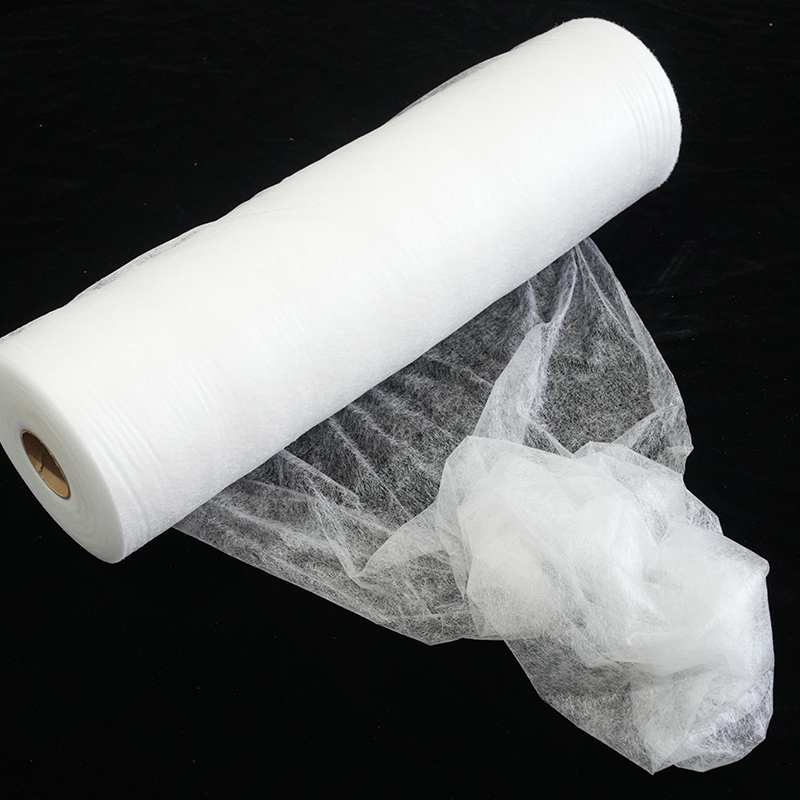
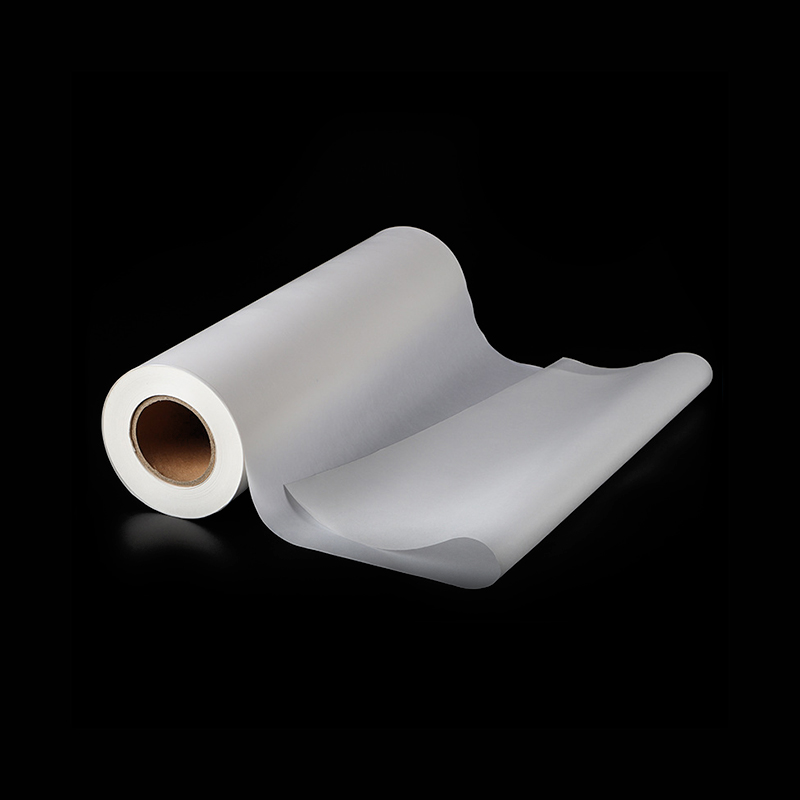
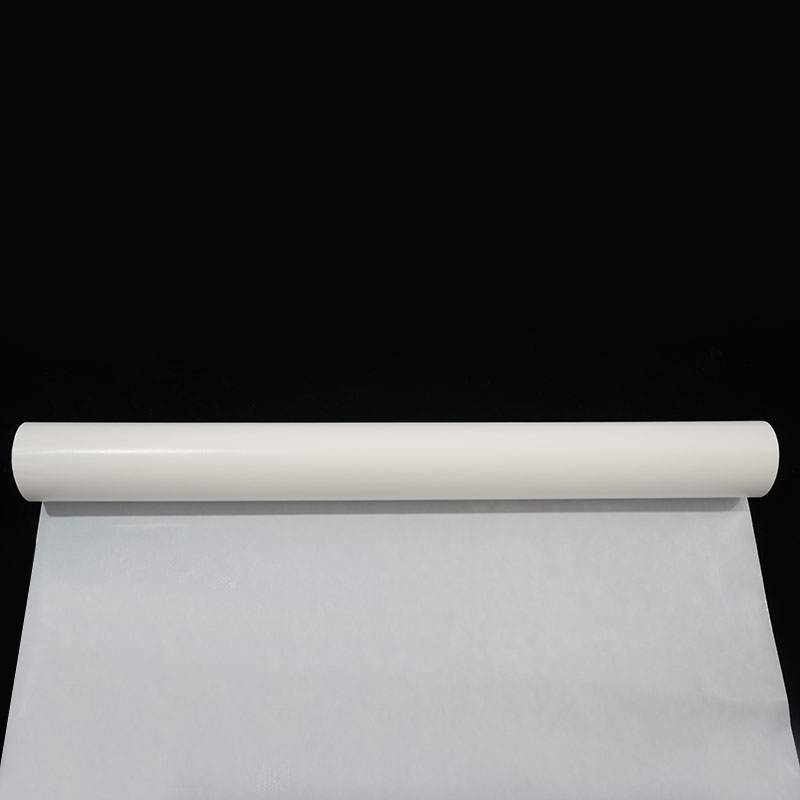
Cast film is metered onto a chill roll and, for many grades, protected with release paper. It offers the tightest thickness control and is the usual choice for textile lamination, automotive trim and small-part assembly where a defined coat weight matters.
 PES Hot Melt Adhesive Film with Release PaperCopolyester adhesive film with backing paper for washable, non-elastic bonds to fabric, metal and plastic in apparel, automotive and electronics assembly.View Product →
Web is a fibrous, porous non-woven structure made by passing the melt through an engraved roller. It is measured in grams per square metre rather than microns, has no liner, and drapes over curved surfaces. The hot melt adhesive web range covers PA, TPU and EVA grades so that a converter can match softness, melting point and bond strength to the substrate rather than the other way round.
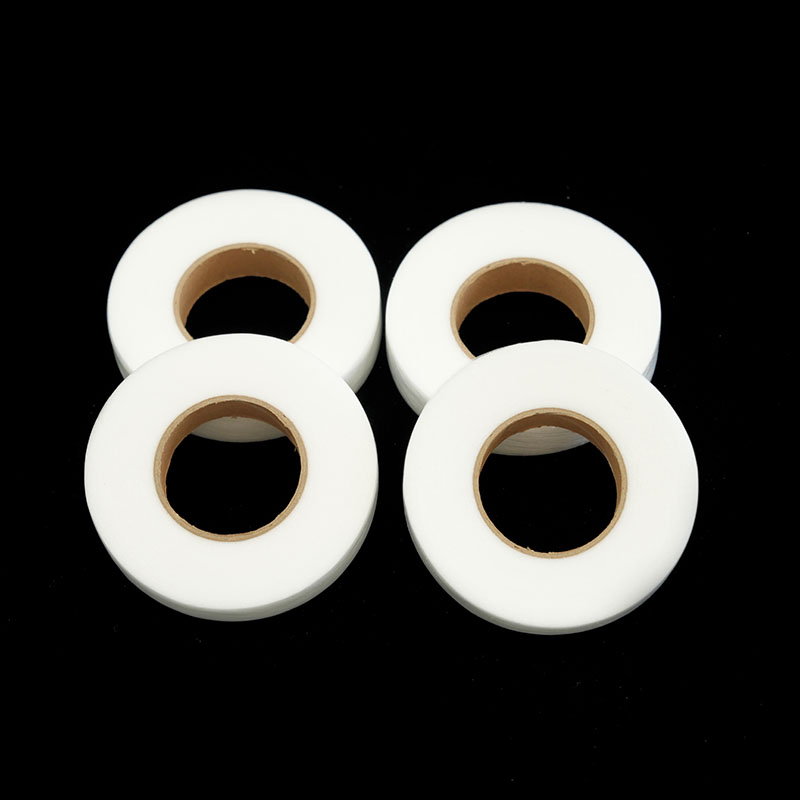 Polyamide Hot Melt Adhesive Web RangePolyamide web in cut-disc and roll forms for apparel, footwear, automotive and upholstery lamination; view for grade, grammage and mesh options.View Product →
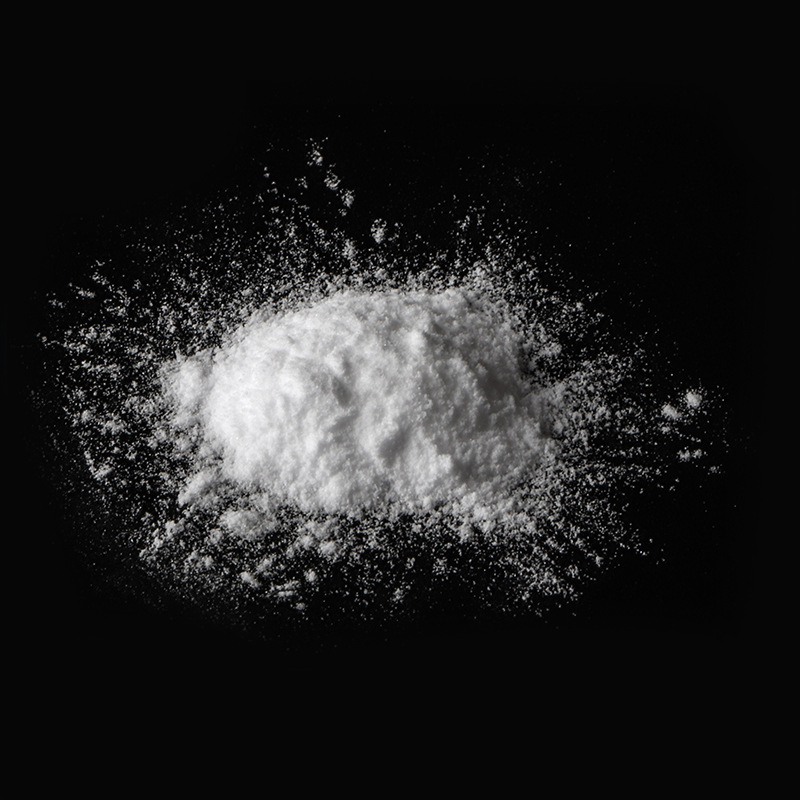
Powder is produced by milling the cooled melt and classifying the particles, usually quoted between 80 and 200 mesh. It is scattered dry onto interlinings, non-wovens and heat-transfer films, where dot coating or full-surface dusting is cheaper than a film.
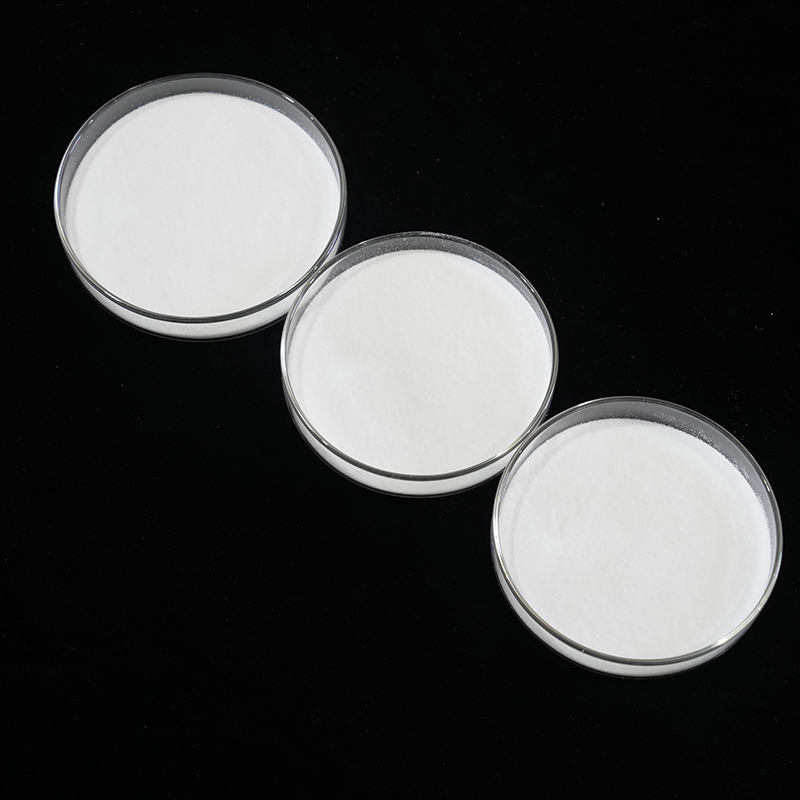 PES Hot Melt Adhesive PowderCopolyester powder for textile, automotive, footwear and packaging bonds, with grades spanning 98–165°C melting ranges and wash-resistant performance.View Product →
The Process Controls That Decide Bond Strength
Bond strength is not inspected into a product at the end; it is held inside a narrow band of process windows throughout the run.
- Melt temperature window: roughly ±3 °C around the set point. Too cold leaves undispersed tackifier; too hot degrades the polymer and yellows the film.
- Residence time: long dwell in a hot mixer acts like extra heat history. Batch size and screw speed must be matched to throughput, not to convenience.
- Coat weight: a 5 µm deviation on a 50 µm film is a 10% material change, enough to alter open time on a fast laminating line.
- Cooling and release: chill roll temperature, liner tension and winding pressure together decide whether the roll blocks at 40 °C in transit.
- Moisture: absorbed water in resin or filler flashes into bubbles at the die. Drying and nitrogen blanketing are cheap insurance.
Typical Defects and Where They Originate
Most complaints that reach a hot melt supplier trace back to a measurable process drift rather than a formulation error.
| Defect | Likely process cause | Where to catch it |
|---|---|---|
| Gel or char specks | Screen pack bypass, hot spots, excessive residence time | Knife-and-light inspection of a film sample |
| Weak heat resistance | Wax level drifting high, tackifier under-dosed | Softening point and shear adhesion failure temperature per batch |
| Roll blocking | Insufficient cooling, missing release liner, over-tight winding | Unwind test after 24 hours at 40 °C |
| Coat weight drift | Screw surge, die gap change, line speed mismatch | Gravimetric sampling at the start and end of each roll |
| Yellowing in storage | Oxidation during melting, no nitrogen blanket | Colour reading against the retained sample |
What to Verify Before Approving a Supplier
Approve on evidence, not on the data sheet. Ask for three consecutive batch records and compare them line by line.
- Softening point, viscosity at the specified temperature and peel strength reported per batch, not as a single typical value.
- Thickness and width tolerances written as numbers — for example ±5% on thickness — plus a stated roll length and splice allowance.
- Evidence that the plant measures aged performance: heat resistance after 72 hours, and colour after storage. Methods such as these thermal stability tests under plant conditions reveal problems that a fresh-sample test hides.
- Shelf life, storage temperature and the packaging format, since a foil-lined bag and a plain carton age very differently.
- A stated change-control process. Silent reformulation when a raw material is substituted is the most common cause of a lamination line that suddenly needs a different temperature.
Frequently Asked Questions
How long does the manufacturing process take?
Melt blending usually takes two to four hours per batch, depending on polymer and vessel; filtration, forming and cooling are continuous and measured in minutes. Total lead time is driven by coating schedules and slitting, not by the chemistry.
Is the process solvent-free?
Yes. Hot melts are 100% solids, so the main volatile releases come from cleaning and from any wax or oil fraction in the formulation, not from a carrier solvent.
What temperature does the melt reach?
Most general-purpose blends run between 150 °C and 200 °C. Low-temperature EVA grades for heat-sensitive substrates can be processed from about 90 °C to 120 °C, which is why grade selection should follow the substrate, not the machine.
Can one line produce film, web and powder?
Rarely with equal quality. Film needs casting and chill rolls, web needs an engraved roller and controlled air flow, and powder needs milling and classification. Most plants specialise and outsource the rest.
Why does the same product behave differently between batches?
Usually a dosing or heat-history drift rather than a formula change. Ask for the batch record: softening point and viscosity will show whether the melt was hotter, held longer, or dosed slightly differently.
The manufacturing process is not a black box, and it should not be treated as one during procurement. Ask which stage controls are recorded, how specks and blocking are screened out, and what the retained samples show a year later. Suppliers who can answer with numbers are usually the ones whose rolls unwind the same way in month twelve as they did in week one.


Contact Us