


 English
 中文简体
 Español
 عربى

The melting point of a hot melt adhesive is not a single number; it is the temperature range at which the polymer softens enough to flow, wet out a substrate, and then build bond strength as it cools. As a working guide, EVA grades usually soften around 60–95°C, PA grades around 110–180°C, PES grades around 100–140°C, and TPU grades around 70–120°C. Application temperatures are normally set 20–60°C above those ranges.
That distinction matters at the purchase stage. A figure copied from a ring-and-ball test, a DSC scan, or an internal trial can all look like a “melting point” while describing different behaviour. The practical question is not “Which grade has the highest number?” but “At what temperature does this grade flow, wet out, and hold under my service conditions?”
Content
What “Melting Point” Means in a Hot Melt Specification
Most hot melt datasheets report a softening point or a melting range, not a sharp melting point. Hot melt adhesives are 100% thermoplastic systems: they contain no solvent or water carrier, so bond formation depends on heat, pressure, and cooling. EVA grades tend to show a broader softening region because of their polymer structure; PA and PES grades are often more crystalline and can show a narrower flow window, but they still behave as a range in production.
Four terms are often mixed together in quotations and technical discussions:
- Softening point: a test result from a defined method, commonly ring-and-ball, showing when the adhesive deforms under heat.
- Melting range: the temperature band where crystalline regions melt and the polymer becomes flowable.
- Application temperature: the running temperature of the glue pot, nozzle, or laminator, chosen for viscosity, wet-out, and line speed.
- Heat resistance: the bonded joint’s ability to carry load at service temperature, often assessed by shear or peel testing after heat ageing.
Typical Melting Ranges by Adhesive Chemistry
Chemistry sets the general range, but grade, molecular weight, and formulation can shift it by 20–40°C. The values below are typical starting points for technical review, not a substitute for a grade datasheet or a line trial.
| Chemistry | Typical softening or melt range | Common application temperature | Practical notes |
|---|---|---|---|
| EVA | 60–95°C | 120–180°C | Low cost, good flexibility, broad adhesion; lower heat resistance than PA or PES. Common in packaging, textiles, and general lamination. |
| PA | 110–180°C | 160–220°C | Higher heat resistance and strength; suitable for automotive interiors and technical textiles. Needs tighter temperature control. |
| PES | 100–140°C | 140–180°C | Good adhesion to polar substrates; available as powder and film. Useful where a clean, solvent-free bond is required. |
| TPU | 70–120°C | 120–170°C | Elastic and flexible; suited to footwear, elastic films, and flexible composites. Heat resistance depends on grade. |
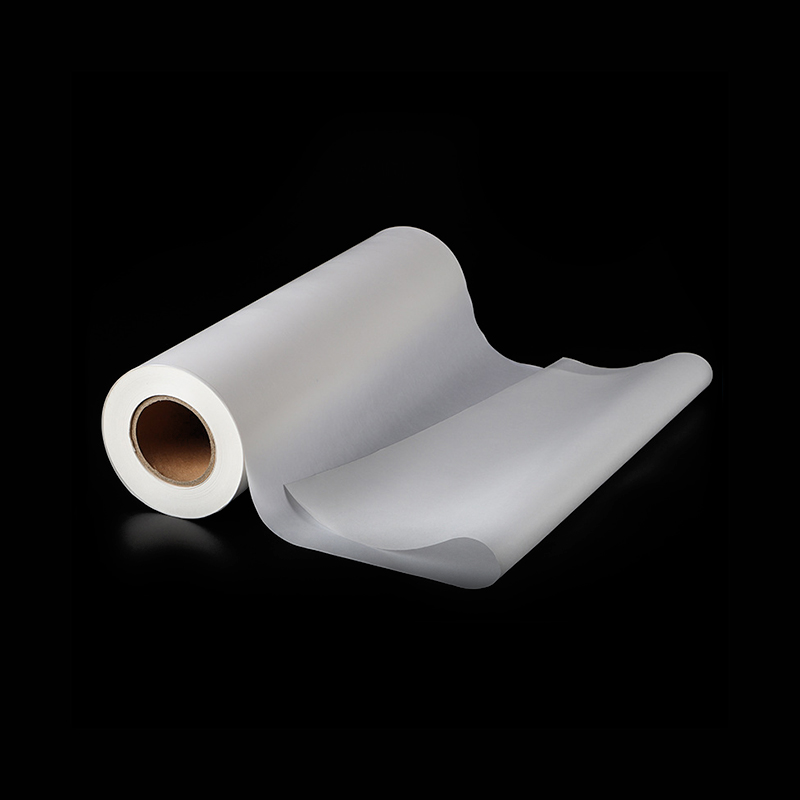
PES film with backing paper is one example where the quoted melt range should be read together with release-paper behaviour and press conditions. A film that flows well at 150°C may still fail if the release liner traps air or the press cycle is too short.
 PES Hot Melt Adhesive Film with Release PaperWhite translucent PES film with release paper; check melt range alongside release-liner behavior and press conditions for fabric, automotive, electronic, and packaging bonds.View Product →
Why Application Temperature Is Higher Than the Melting Point
Process heat must do more than melt the polymer; it must lower viscosity, wet out the substrate, and survive the line speed. That is why the application temperature is usually well above the softening point. A 90°C softening EVA may run at 150–170°C on a fast packaging line, while a 120°C PES grade may need 160–180°C to achieve adequate flow in a short dwell time.
Several variables push the set point up or down:
- Line speed and dwell time: faster lines need faster wet-out, often requiring higher temperature or higher pressure.
- Substrate heat sink: metal, glass, and thick textiles absorb heat quickly; foam and thin film may distort if the temperature is too high.
- Coating weight: a heavier adhesive layer needs more heat to reach the bonding interface.
- Open time: the interval between application and bonding must be long enough for the adhesive to remain tacky.
Using “melting point plus 20°C” as a universal rule is risky. A grade with a low melt range can still need a high nozzle temperature to reach low viscosity, and a high-melt grade can fail if the substrate cannot tolerate the required heat.
How to Verify a Melting Point Claim Before Purchase
Ask for the test method, a batch certificate, and a trial on your actual substrate; a single temperature is not enough. A ring-and-ball softening point can be useful for incoming inspection, while DSC gives a thermal fingerprint. Viscosity data at the proposed application temperature is often more useful for setting the line than the melting point alone.
| Test or document | What it tells you | What it does not tell you |
|---|---|---|
| Ring-and-ball softening point | A comparative heat-softening value under a defined method | Actual viscosity, open time, or bond strength on your substrate |
| DSC thermal scan | Melting onset, peak, and crystallinity behaviour | How the adhesive performs in a hot pot or laminator |
| Viscosity curve | Flow behaviour at proposed application temperatures | Heat resistance of the finished joint |
| Shear or peel test after heat ageing | Service-temperature performance of the bonded assembly | Long-term ageing under all end-use conditions |
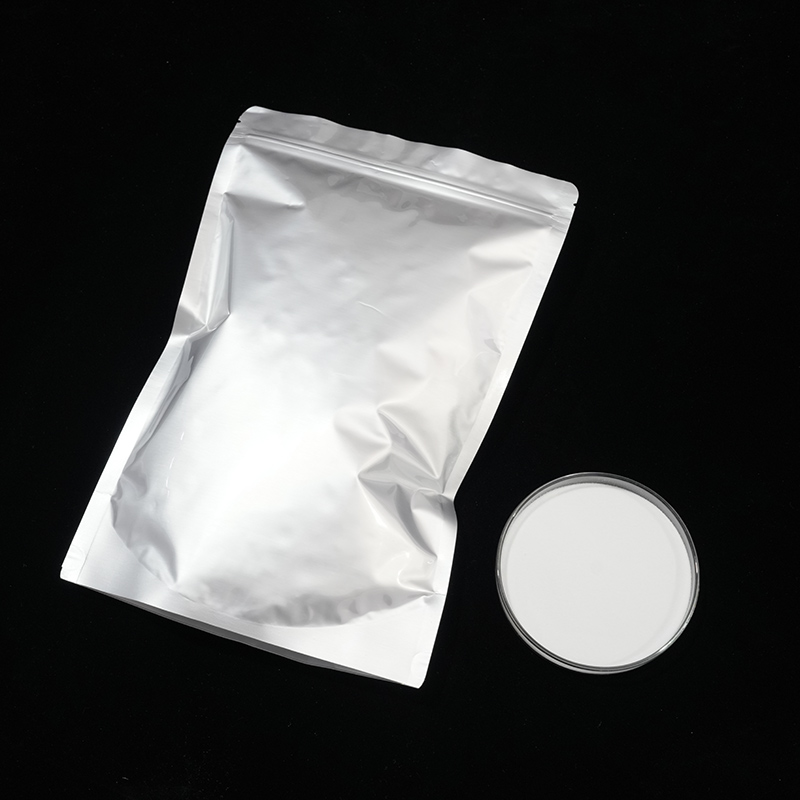
For powder grades, particle size, bulk density, and moisture pickup can affect melting behaviour in the oven or powder-scatter unit. Two powders with the same nominal softening point can behave differently if one has a wider particle-size distribution or a tendency to clump.
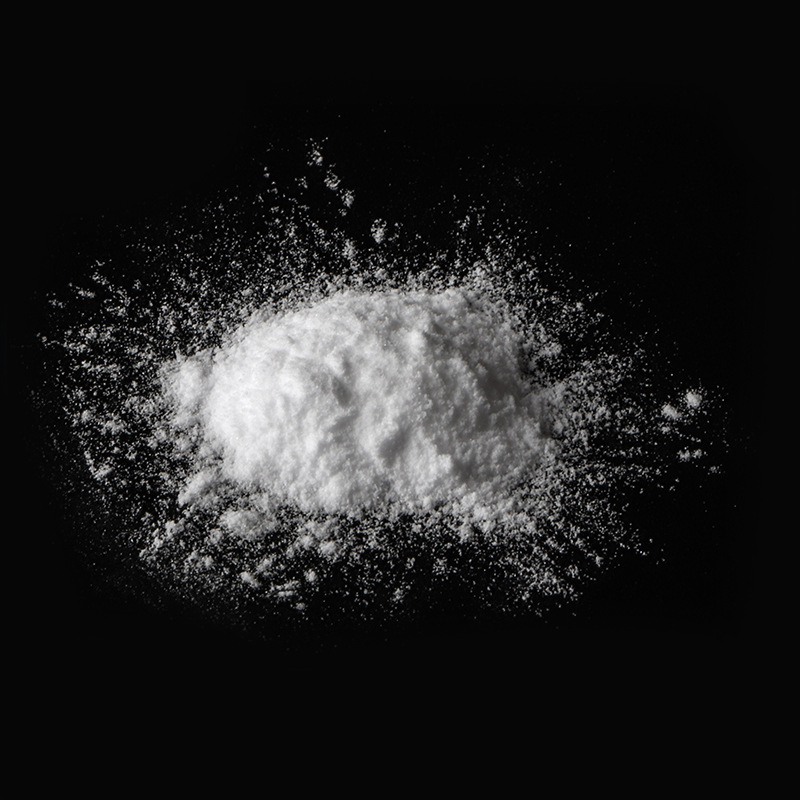
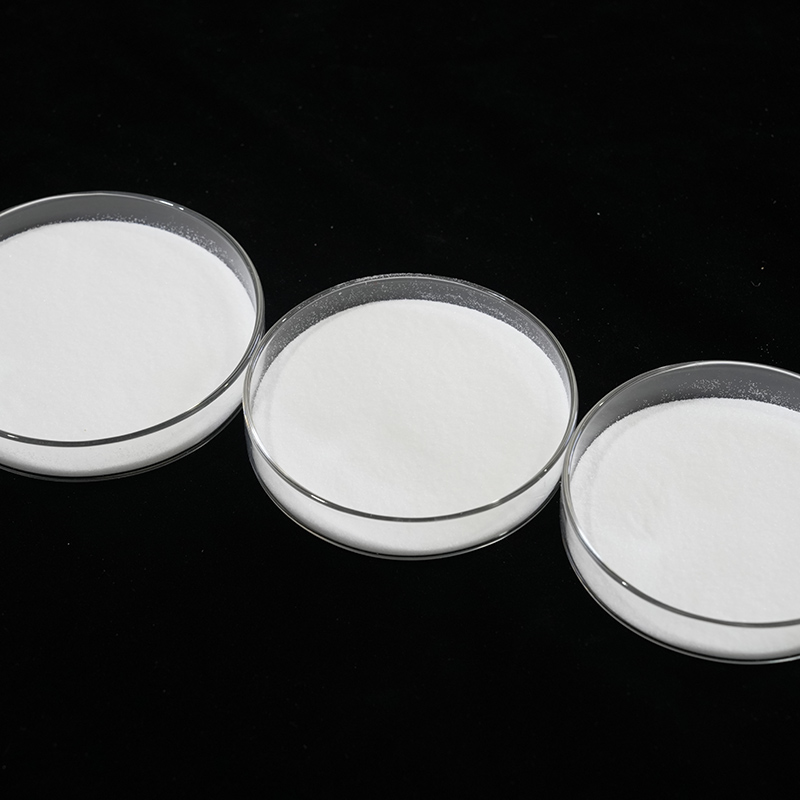 TPU Hot Melt Adhesive Powder FN-T1003Thermoplastic polyurethane powder with 100–120°C melt range and elastic bonding to textiles, leather, films, and sponges; compare lower-melt grades against heat resistance needs.View Product →
Matching the Melting Range to Substrate and Process Risk
Choose the lowest melting range that still passes heat resistance and line-speed requirements. Lower-melt EVA or TPU grades reduce thermal distortion on foam, thin film, coated fabric, and heat-sensitive packaging. Higher-melt PA or PES grades are more appropriate when the bonded part must survive summer cabin temperatures, ironing, or repeated heat exposure.
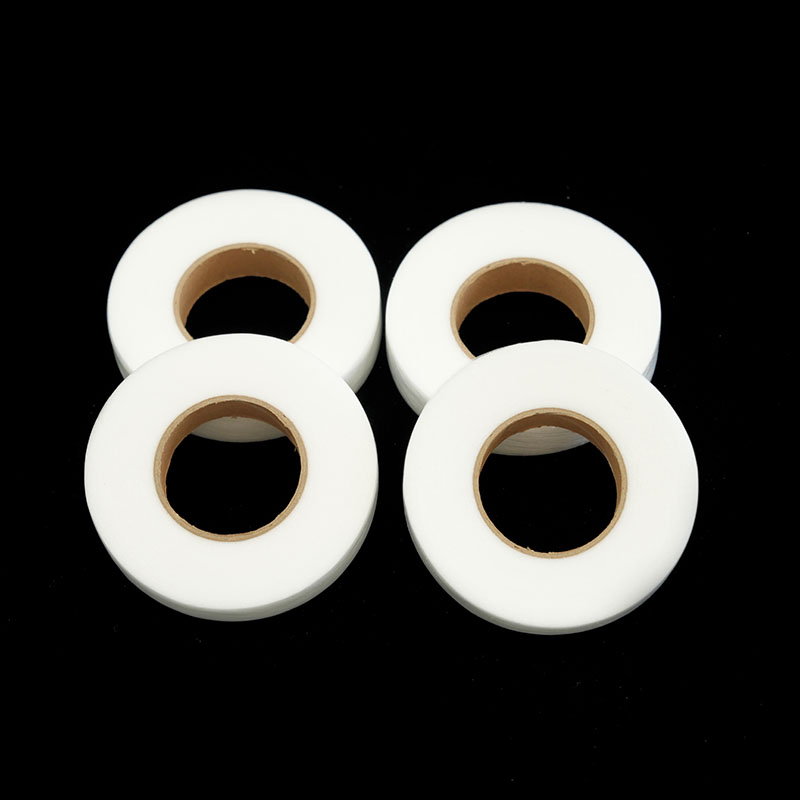
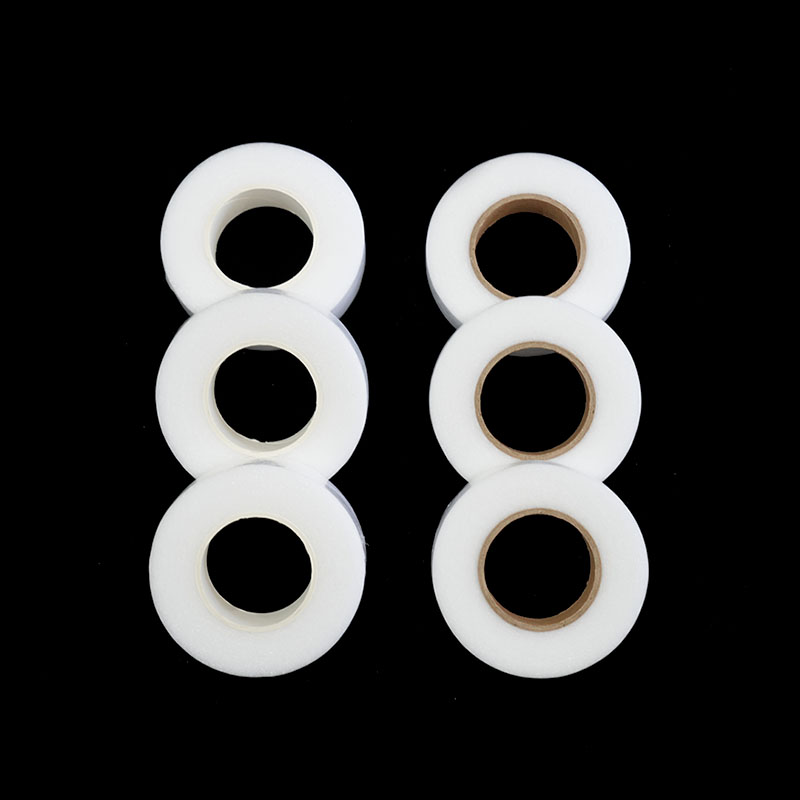
For automotive interior bonding, a PA or high-melt PES grade may be needed to resist heat ageing in door panels, headliners, or seat components. For packaging, open time and line speed often matter more than the datasheet number, because a fast line can cool the adhesive before the second substrate arrives. For footwear and elastic composites, TPU grades offer flexibility, but the grade must still be checked against the upper material and sole stock. The hot melt adhesive web range covers different forms and thicknesses that can be matched to these process windows.
Procurement risk is usually highest when a buyer compares only the melting point and ignores tolerance, viscosity, and substrate compatibility. A ±5°C batch variation may be acceptable in one process and disruptive in another, especially on high-speed lines or thin substrates. Define an incoming inspection range and ask for batch-level data rather than a single catalogue value.
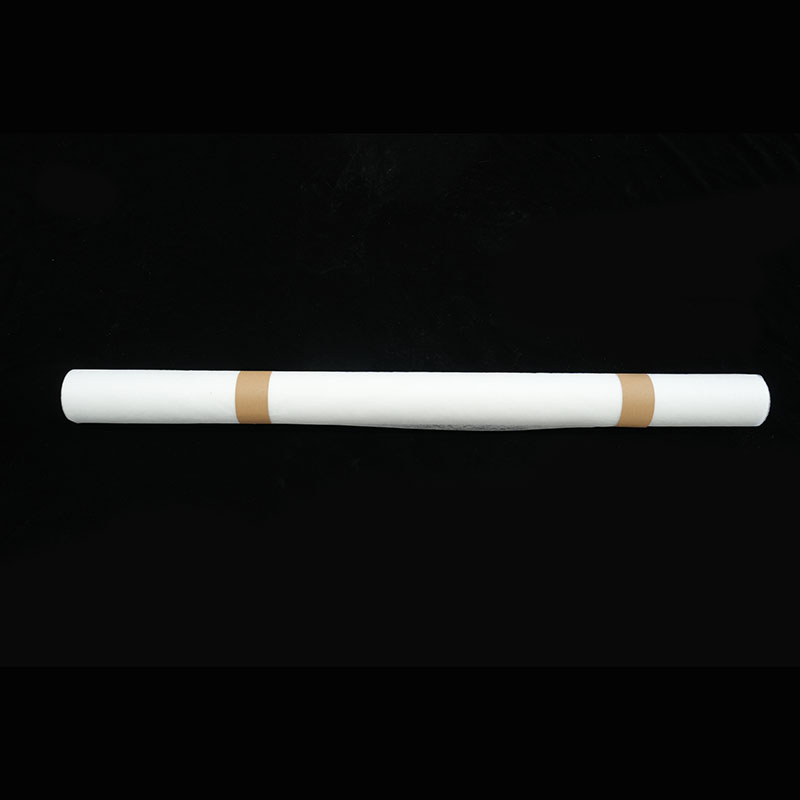
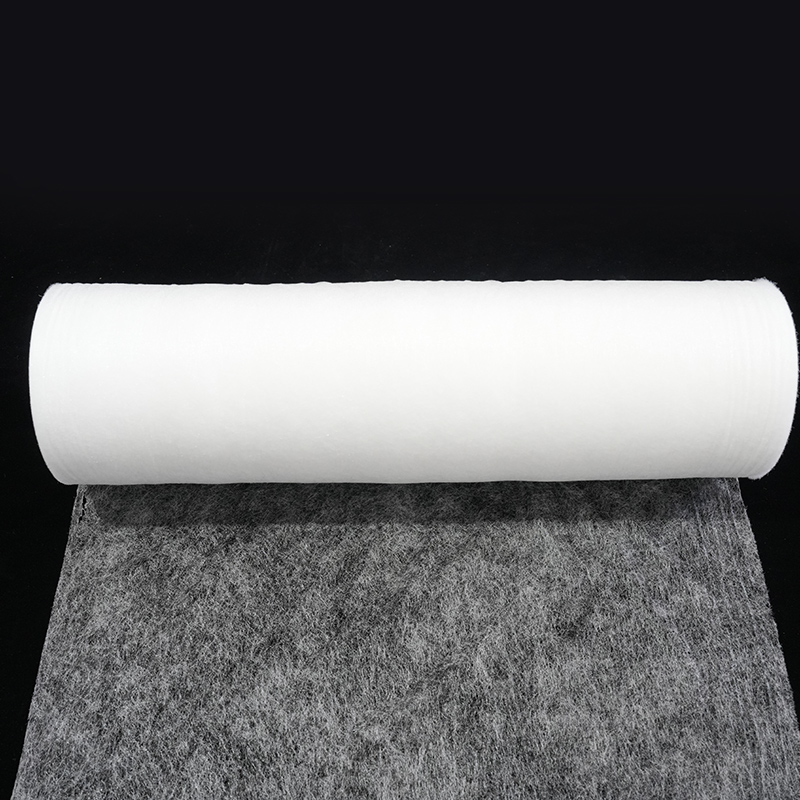
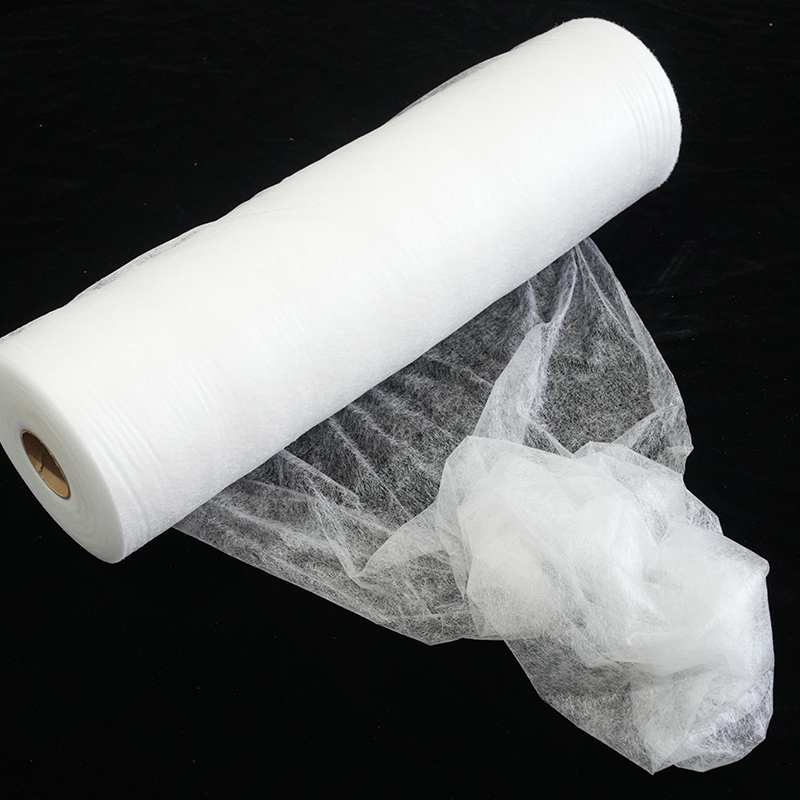
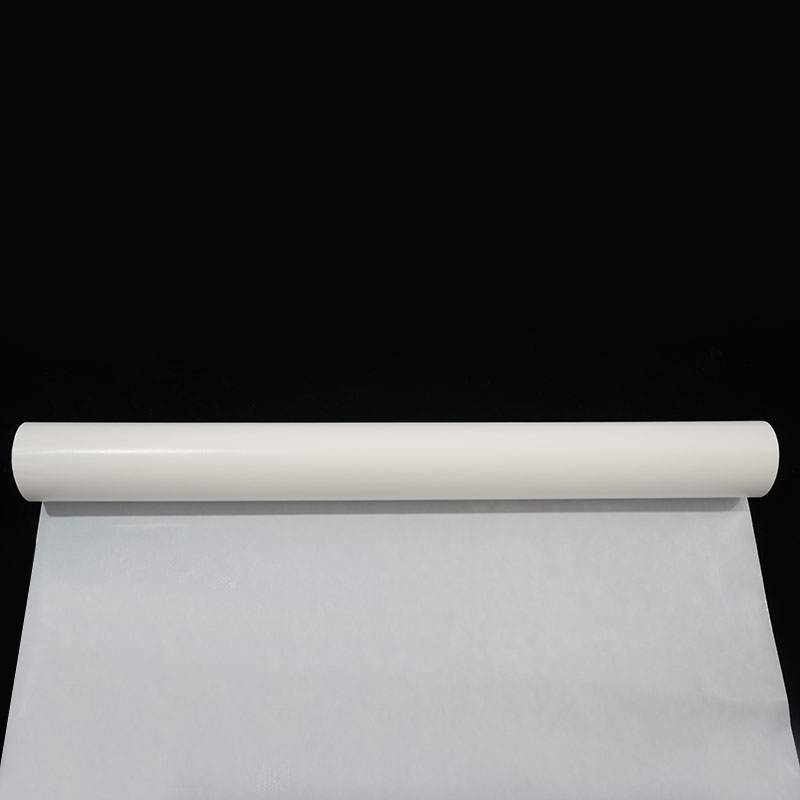
 Whole roll of PA hot melt adhesive webThe whole roll of PA hot melt adhesive web is a special adhesive processed from high-quality thermoplastic polyamide (PA) material. This product exists in the form of ...View Product →
Frequently Asked Questions
Is a higher melting point always better?
No. A higher melting point can improve heat resistance, but it also raises process temperature, energy use, and the risk of damaging heat-sensitive substrates. Match the grade to the service temperature and the substrate limit, not to the highest available number.
What is the difference between melting point and softening point?
A softening point is a test result from a defined method, often ring-and-ball; a melting point is usually a narrower thermal transition measured by DSC or another thermal method. Neither value alone predicts bond strength, open time, or heat resistance.
Can one hot melt adhesive work for EVA, PA, PES, and TPU applications?
No. Each chemistry has different polarity, viscosity, flexibility, and heat resistance. A PES film grade will not automatically suit a PA web process or a TPU powder application, even if the quoted melting ranges overlap.
How much batch variation should I expect?
Typical softening-point variation is often within about ±5°C for a controlled grade, but the supplier’s tolerance and your process window should be confirmed in writing. Set incoming inspection around the actual risk, especially for high-speed lines and thin substrates.


Contact Us