


 English
 中文简体
 Español
 عربى

A production line running at 40 m/min exposes a raw-material mismatch faster than any datasheet: the adhesive either wets the substrate, builds green strength and holds at the next station, or it strings, smokes, or fails in peel. Hot melt adhesive raw materials are the thermoplastic polymers, tackifying resins, waxes, plasticizers and stabilizers that make up a 100% solid adhesive. They are selected as a system, not as a shopping list.
The short answer is to match the polymer family to service temperature and substrate, then tune the resin-wax balance to the application window. Cost per kilogram matters, but cost per good square metre matters more.
Content
- What Are Hot Melt Adhesive Raw Materials?
- Which Polymer Family Should You Start With?
- Why Raw Material Form Changes the Buying Decision
- How Should You Specify Hot Melt Adhesive Raw Materials?
- Where Do Line Trials and Supplier Control Fit?
- Does Sustainability Change the Raw-Material Choice?
- Frequently Asked Questions
What Are Hot Melt Adhesive Raw Materials?
Hot melt adhesive raw materials are the ingredients compounded into a solvent-free thermoplastic adhesive that is solid at room temperature and fluid when heated.
In a typical formulation, the polymer provides cohesion and heat resistance, tackifying resin improves wetting and specific adhesion, wax controls open time and set speed, plasticizer or oil adjusts flexibility, and antioxidants protect the melt from degradation. Reactive polyurethane systems add moisture curing, but ordinary hot melts remain thermoplastic and re-melt on heating.
Formulation is a balance, not a peak value
Raising one property usually moves another. A higher softening point can improve heat resistance while reducing wetting on low-energy surfaces. More wax can speed setting while shortening open time. The right specification is the window that survives the customer's line, not the best number in a catalogue.
Raw-material choices also determine how the adhesive is supplied: pellets, powders, films, webs or coated rolls. That difference changes handling, dust control, coat-weight uniformity and labour on the line.
Which Polymer Family Should You Start With?
Start with the polymer family that meets the service environment, then use formulation to close the process gap. No single family wins on every substrate, temperature and cost target.
| Polymer | Core strength | Watch point | Typical fit |
|---|---|---|---|
| EVA | Broad adhesion and cost efficiency | Limited heat resistance at high VA levels | Packaging, bookbinding, general lamination |
| PA | Heat resistance and toughness | Needs tighter temperature control | Textile webs, automotive trim, filtration |
| PES | Flexibility, wash resistance and low odour | Moisture pickup before processing | Garment interlining, powder bonding, technical textiles |
| TPU | Elasticity and abrasion resistance | Drying and release-paper compatibility | Footwear, elastic laminates, flexible films |
EVA is often the commercial starting point because it balances cost and versatility. PA earns its place where heat and mechanical stress are higher. PES suits flexible textile bonds where hand feel and laundry exposure matter. TPU is the natural candidate when the bond must stretch with the substrate rather than fight it.
Why Raw Material Form Changes the Buying Decision
The same polymer chemistry can arrive as a film, a nonwoven web or a powder, and each form carries different process risk.
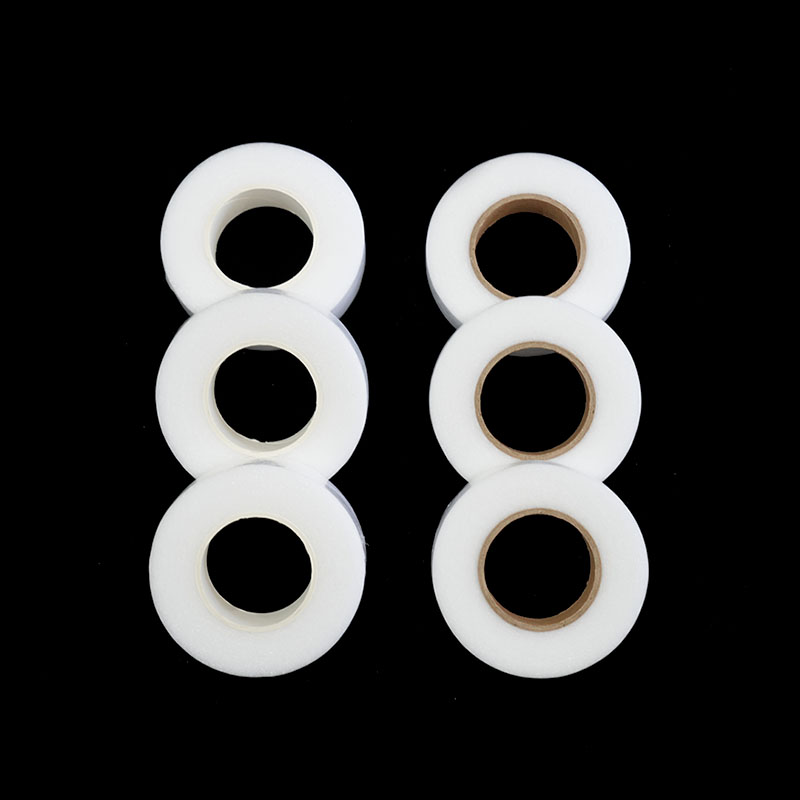
Hot melt adhesive film
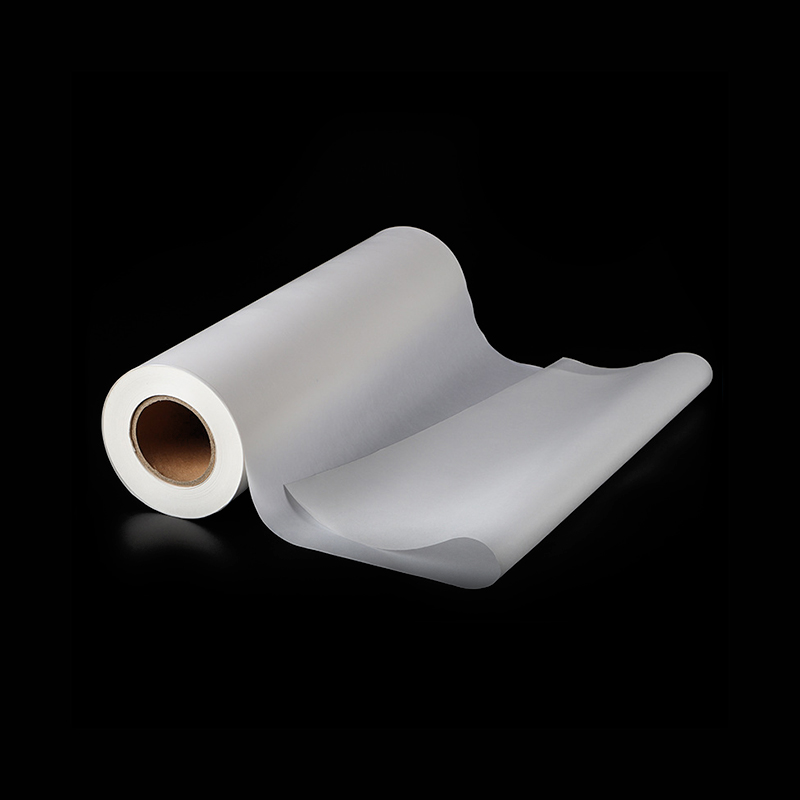
Films give consistent coat weight and are easy to slit, but they need release paper and controlled tension. For elastic laminates in footwear or automotive trim, a TPU film can follow elongation better than a stiff film.
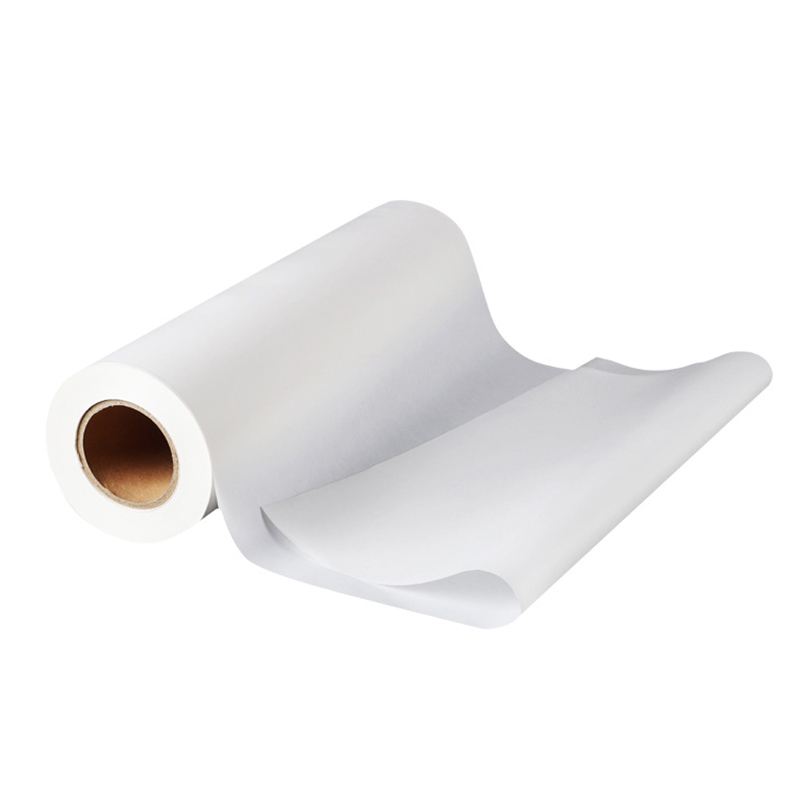 Elastic TPU Hot Melt Adhesive Film with Release PaperTransparent, washable TPU adhesive film with release paper, offering elastic bonding for textiles, footwear and flexible laminates where movement and soft handling matter.View Product →
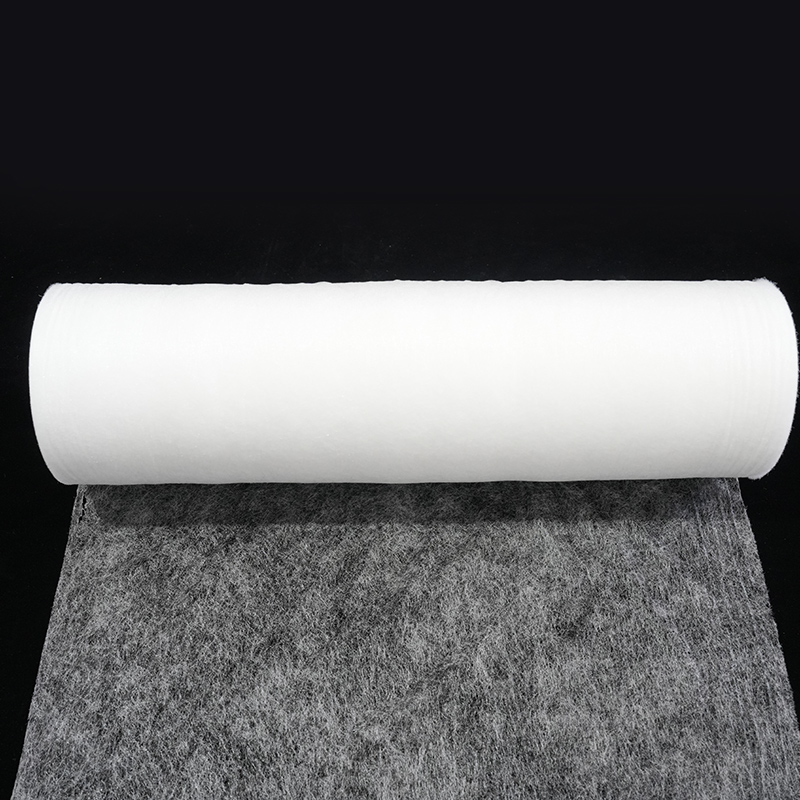
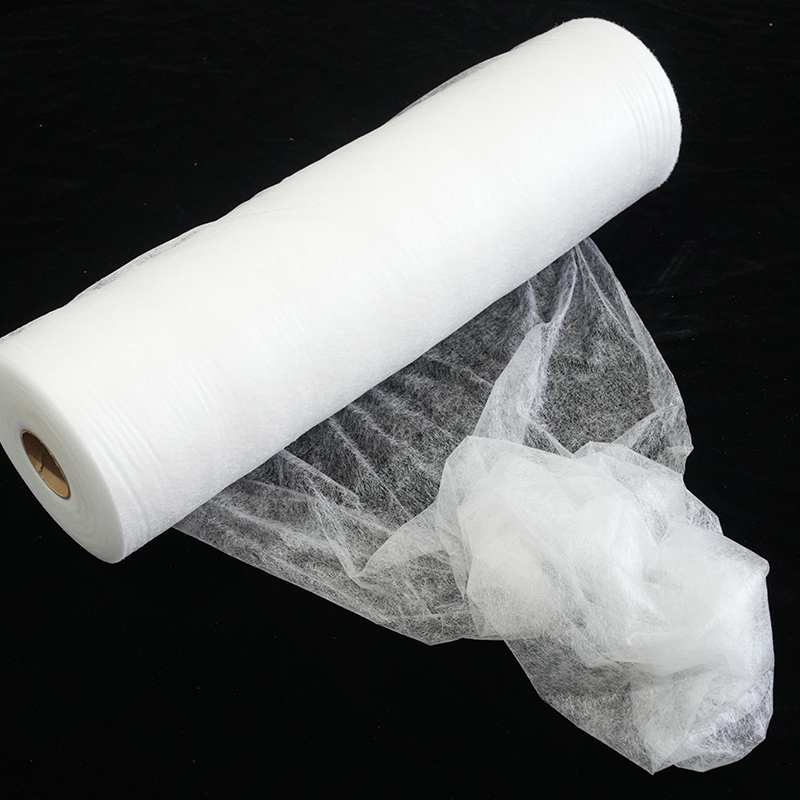
Hot melt adhesive web
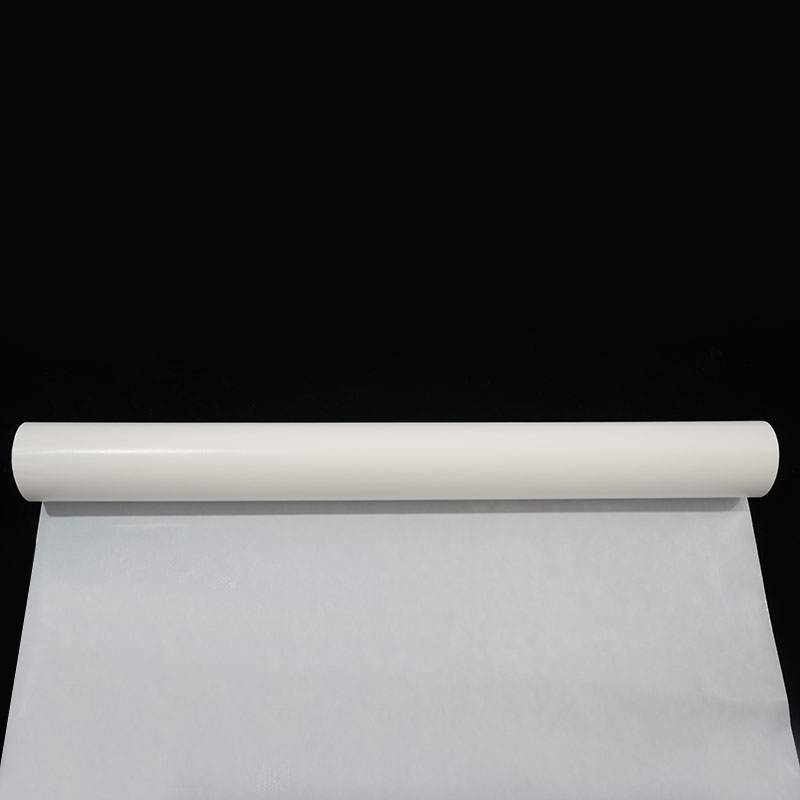
Webs are open, breathable and drape well. They suit textile lamination and interior trim, where soft hand feel and low resin strike-through matter. Basis weight, filament diameter and bonding temperature all affect peel strength; web thickness alone is not a quality guarantee, as this note on how web thickness affects bonding performance explains.
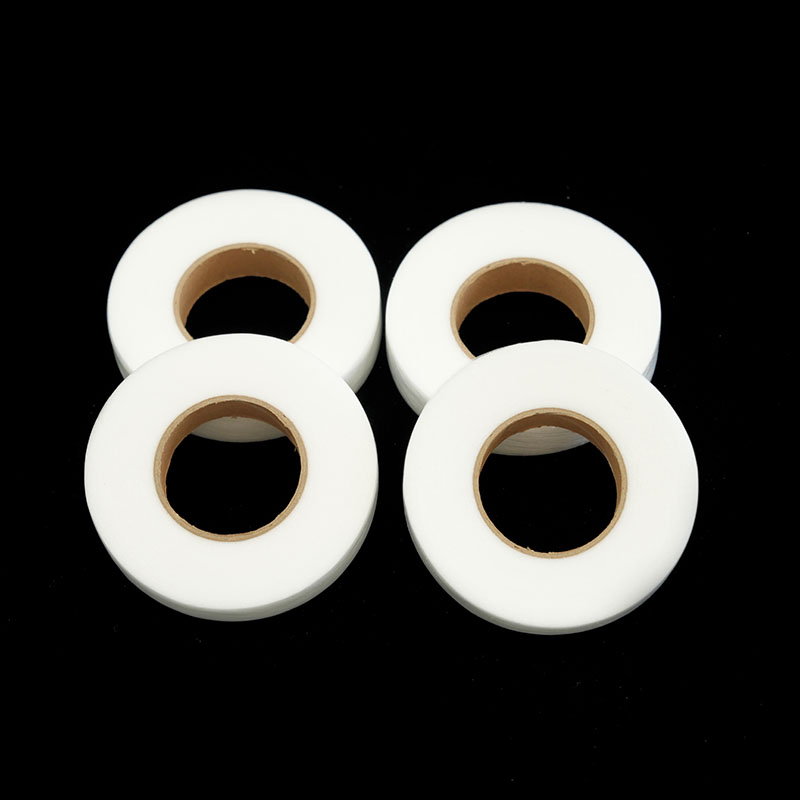 PA Hot Melt Adhesive Web ManufacturersPA hot melt adhesive web (also referred to as polyamide hot melt adhesive mesh film ) is a thermoplastic bonding material manufactured by extruding and drawing polyami...View Product →
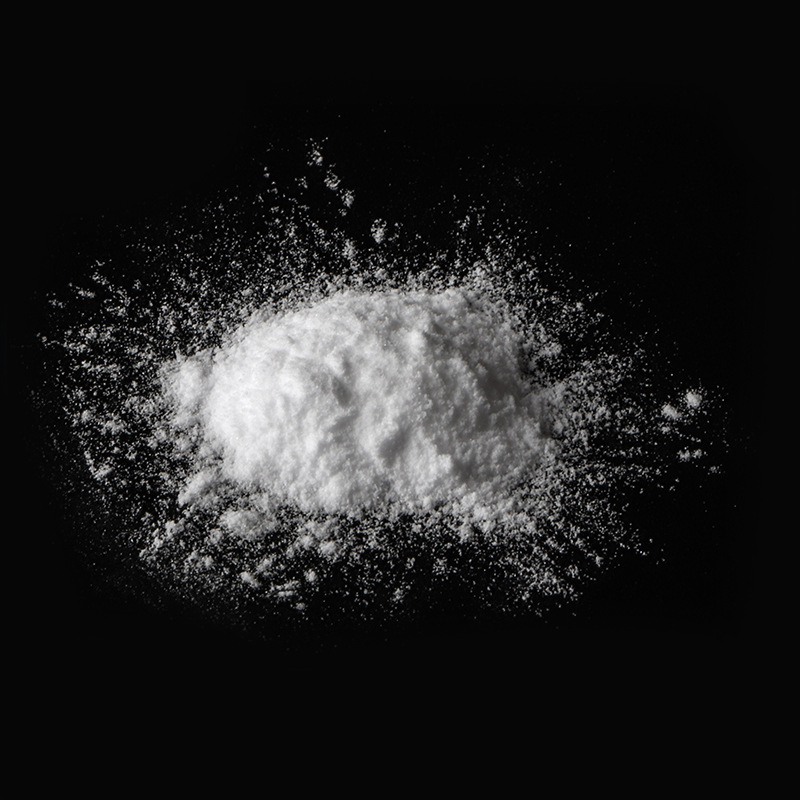
Hot melt adhesive powder
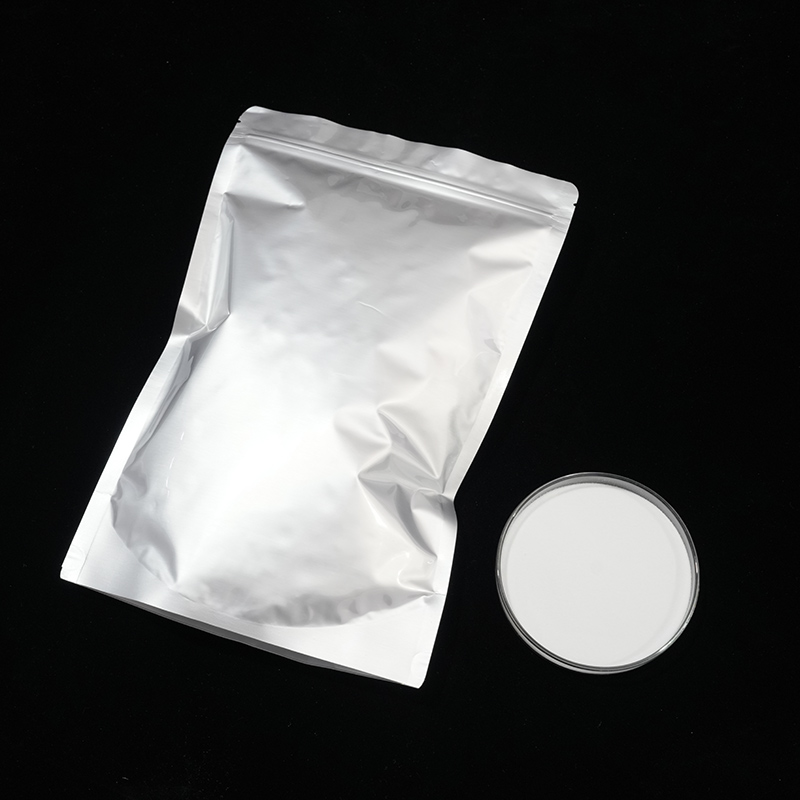
Powder is used where the adhesive must be scattered, printed or mixed, such as garment interlining, filter media and packaging. The key risks are particle-size distribution, moisture pickup and dust control. A PES powder can be formulated for flexible textile bonds where wash resistance is required.
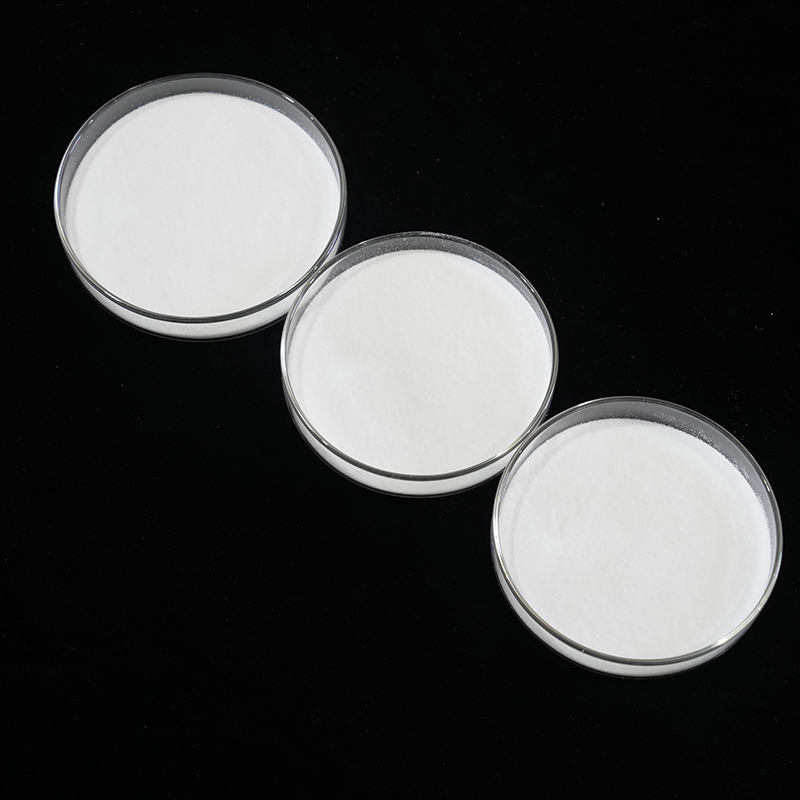 PES Hot Melt Adhesive Powder for Textile and Industrial BondingA wash-resistant copolyester powder for textile, filtration and packaging bonds, available in multiple grades and particle sizes for scatter or coating processes.View Product →
How Should You Specify Hot Melt Adhesive Raw Materials?
Specify the end-use performance first, then set incoming material limits that can actually be tested. A purchase specification written only around softening point is incomplete.
For a new project, ask for a technical data sheet, safety data sheet, batch certificate and a sample from production scale, not only from the laboratory. Run a trial at the lowest and highest line speed expected in normal production. Record preheat temperature, application temperature, open time, nip pressure and cooling profile. These variables often explain a bonding failure more clearly than a polymer name.
| Check | Why it matters | Typical purchasing question |
|---|---|---|
| Softening point | Sets the upper service window and melt behaviour | What tolerance applies batch to batch? |
| Melt viscosity | Controls flow, penetration and coat weight | At which temperature is viscosity specified? |
| Open time and set speed | Must match line speed and assembly delay | How is it measured in a production-like bond? |
| Thermal stability | Prevents char, skinning and nozzle blockage | What hold time in the melt tank is supported? |
| Peel or shear strength | Connects formulation to the real substrate pair | Which substrate, coat weight and test method? |
| Powder size or web weight | Affects coverage, hand feel and dust | What distribution or tolerance is guaranteed? |
For automotive interior lamination, for example, low fogging and odour can matter as much as peel strength. The application page on car interiors shows how substrate, temperature and trim construction change the material brief.
Where Do Line Trials and Supplier Control Fit?
Line trials are not a final formality; they are the point where raw-material variation becomes visible. A supplier with batch traceability, retained samples and in-house testing can shorten that loop.
Run a design-of-experiments trial rather than a single “best” sample. Vary application temperature by 10–15 °C, line speed by 10–20% and coat weight within the intended range. Check peel strength after 1 hour, 24 hours and, where relevant, after washing or heat ageing. Keep the failed samples too; they often reveal whether the issue is wetting, open time, or cohesive failure within the adhesive.
Quality control should cover incoming viscosity, softening point and appearance, plus a bond test on the customer's actual substrate. For powder and web products, moisture content, particle size or basis weight deserve the same attention as polymer identity. A cheap lot that causes downtime is expensive.
Does Sustainability Change the Raw-Material Choice?
Hot melt adhesives are solvent-free by nature, which reduces volatile organic compound emissions at the applicator, but they are not automatically biodegradable or bio-based.
Ask precise questions: renewable content by mass, recyclability of the bonded structure, odour after lamination, and whether the adhesive interferes with mechanical recycling. Lower application temperature can cut energy use, but it must still produce a reliable bond. For compostable or bio-based claims, request test standards and certificates rather than relying on general marketing language.
Frequently Asked Questions
What are the main raw materials in a hot melt adhesive?
The main components are a thermoplastic polymer, tackifying resin, wax, plasticizer or oil, and stabilizers. Pigments, fillers and adhesion promoters may also be added for specific performance.
Is EVA always the cheapest choice?
EVA usually has a low material cost, but total cost depends on coat weight, line speed, reject rate and heat resistance. A higher-performance PA, PES or TPU grade can be cheaper per acceptable part if it reduces scrap or rework.
How do I choose between powder, web and film?
Choose powder when you need scatter application or a breathable bond, web when softness and low strike-through matter, and film when consistent coat weight and clean handling are priorities. The substrate and line configuration should decide the form.
Can one adhesive grade serve several substrates?
Sometimes, but a grade optimized for one substrate pair usually outperforms a general-purpose grade. Test the actual production materials, including surface contamination, release agents and moisture content.
What should I request before approving a supplier?
Request technical and safety data, batch certificates, retained-sample policy, test methods, production-scale samples and a clear change-control procedure. Then verify the bond on your own line before setting the acceptance window.


Contact Us