


 English
 中文简体
中文简体 Español
 عربى
عربى
Conventional cutting disc PA hot melt adhesive web
Cat:PA Hot Melt Adhesive Web
Product Introduction: Conventional cutting disc PA hot melt adhesive web is a hot melt adhesive material manufactured using advanced technology, mainl...
See DetailsIn the modern packaging industry, the answer to how hot melt adhesive powder works lies in its thermoplastic transition. When heated, the solid powder particles melt into a high-viscosity liquid that flows into the microscopic pores of a substrate. Upon cooling, the polymer recrystallizes or solidifies almost instantaneously, creating a mechanical and chemical bond that secures everything from heavy-duty corrugated boxes to delicate flexible food pouches. Unlike liquid glues, it requires no drying time, making it the backbone of high-speed automated packaging lines.
Content
To understand the efficacy of hot melt adhesive powder, one must look at its molecular structure. These adhesives are 100% solid, non-volatile polymers. The absence of water or solvents is a critical advantage in packaging applications because it eliminates the need for evaporation tunnels and reduces the carbon footprint of the manufacturing process.
The "magic" happens during the melting point phase. Each powder formulation—whether based on Ethylene Vinyl Acetate (EVA), Polyolefins, or Polyamides—has a specific temperature range where it transitions from a solid to a molten state. In industrial packaging, this is usually achieved via heat rollers, powder scattering machines, or heat guns.
Not all powders are created equal. The choice of hot melt adhesive powder depends heavily on the substrate (the material being bonded) and the environmental conditions the package will face (e.g., freezer storage vs. high-heat shipping).
| Adhesive Base | Key Characteristics | Best For |
| EVA (Ethylene Vinyl Acetate) | Versatile, fast setting, cost-effective. | Standard cardboard boxes and paper labels. |
| Polyolefin (Metallocene) | High heat resistance, clean burning, low odor. | Food packaging and high-temperature environments. |
| Polyamide | Excellent oil/solvent resistance, high strength. | Heavy-duty industrial bags and specialty liners. |
| TPU (Polyurethane) | Extreme flexibility and wash resistance. | Fabric-based packaging and flexible composites. |
Understanding how hot melt adhesive powder works also requires a look at the application machinery. Unlike blocks or pellets used in glue guns, powder allows for precision coating and thin-layer distribution.
In this method, the hot melt adhesive powder is evenly distributed across a moving web of material (like foil or paper). The material then passes through an infrared oven or over heated rollers to "tack" the powder in place. This is highly effective for laminated packaging.
Commonly seen in the flexible packaging sector, the powder is applied to a printed film. When heat is applied later, the powder acts as the bonding agent between the ink and the final substrate, ensuring the graphic integrity of the brand's packaging.
Why do engineers opt for hot melt adhesive powder? The comparison largely boils down to efficiency and storage.
While hot melt adhesive powder is revolutionary, it requires careful calibration. Temperature control is the most significant factor. If the heat is too low, the powder won't achieve the necessary viscosity to penetrate the substrate. If the heat is too high, the polymer may degrade, leading to brittle bonds or charring in the machinery.
Pro Tip: Always match the particle size of the powder to your application equipment. Fine powders (0-80 microns) are best for coating, while coarser powders (80-200+ microns) are better for heavy-duty bonding.
As the world moves toward a circular economy, the role of hot melt adhesive powder is evolving. We are seeing a surge in bio-based hot melts made from renewable resins. Additionally, the development of low-application temperature powders is helping packaging facilities reduce energy consumption by up to 30%.
Q: Is hot melt adhesive powder food-safe?
A: Most Polyolefin and EVA-based powders are formulated to meet FDA or international food contact regulations, making them ideal for cereal boxes, frozen food, and dry goods.
Q: Can it bond to plastic films?
A: Yes. Hot melt adhesive powder works exceptionally well on PE, PP, and PET films, provided the surface energy is managed (often via corona treatment) and the correct polymer base is selected.
Q: How do you store the powder?
A: It should be stored in a cool, dry place. Because it is a thermoplastic, excessive heat in a warehouse can cause the powder to "clump" or block, making it difficult to use in automated feeders.
The impact of hot melt adhesive powder on the packaging industry cannot be overstated. By transitioning from a solid powder to a high-performance liquid bond in a matter of seconds, it enables the high-speed, reliable, and sustainable packaging that global commerce relies on. Whether you are sealing a simple carton or engineering a complex multi-layer laminate, understanding the thermal properties and application techniques of these powders is key to a successful, durable bond.
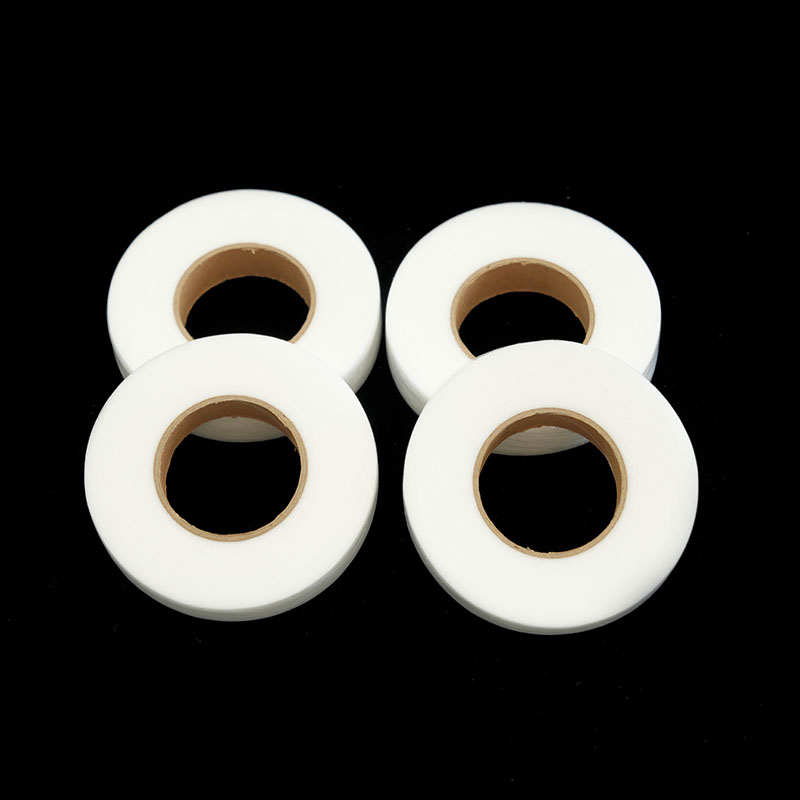
Product Introduction: Conventional cutting disc PA hot melt adhesive web is a hot melt adhesive material manufactured using advanced technology, mainl...
See Details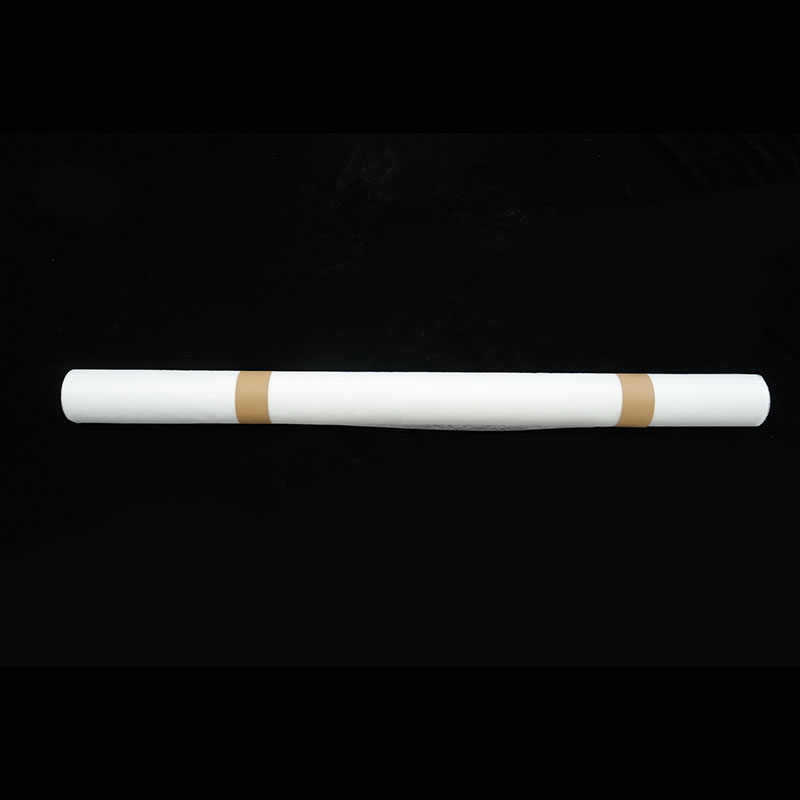
Product Introduction: The whole roll of PA hot melt adhesive web is a special adhesive processed from high-quality thermoplastic polyamide (PA) materi...
See Details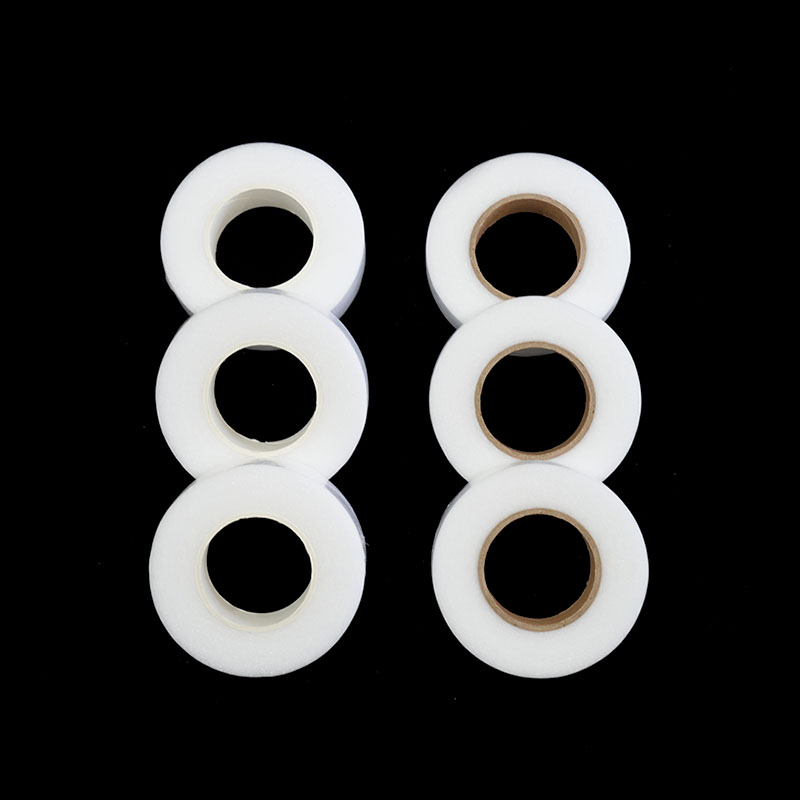
Product Introduction: Small roll cutting disc PA hot melt adhesive web is a high-performance and environmentally friendly hot bonding material designe...
See Details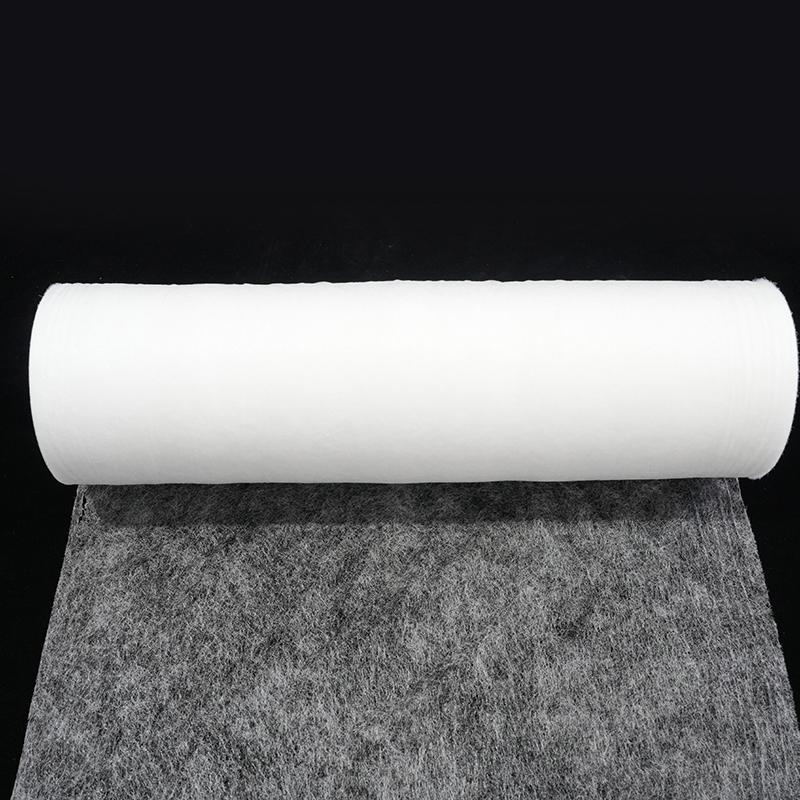
Product Introduction: The whole roll (mother roll) TPU hot melt adhesive web, as a thermoplastic polyurethane (TPU) material that integrates high perf...
See Details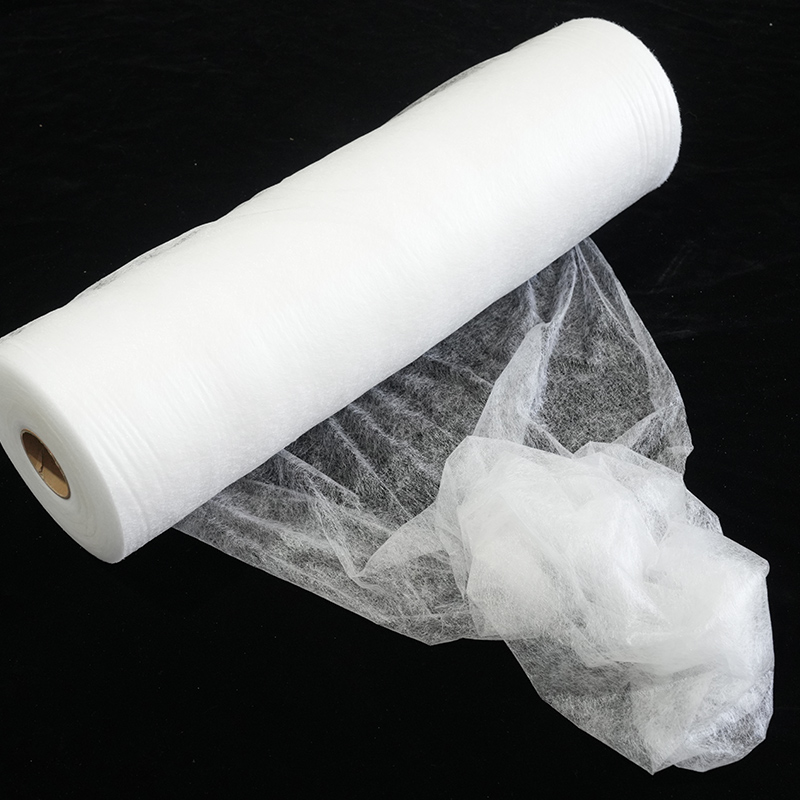
Product Introduction: This high-performance, multi-purpose full roll (mother roll) EVA low-temperature hot melt adhesive web is designed to meet the h...
See Details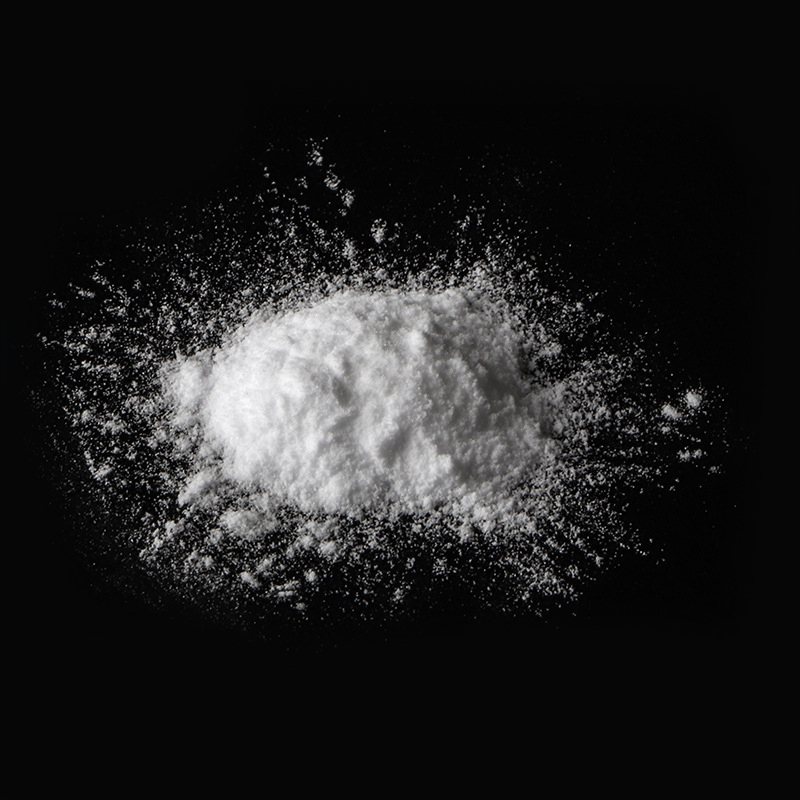
Product Introduction:PES hot melt adhesive powder is a new type of polymer environmentally friendly hot melt adhesive produced through polymerization ...
See Details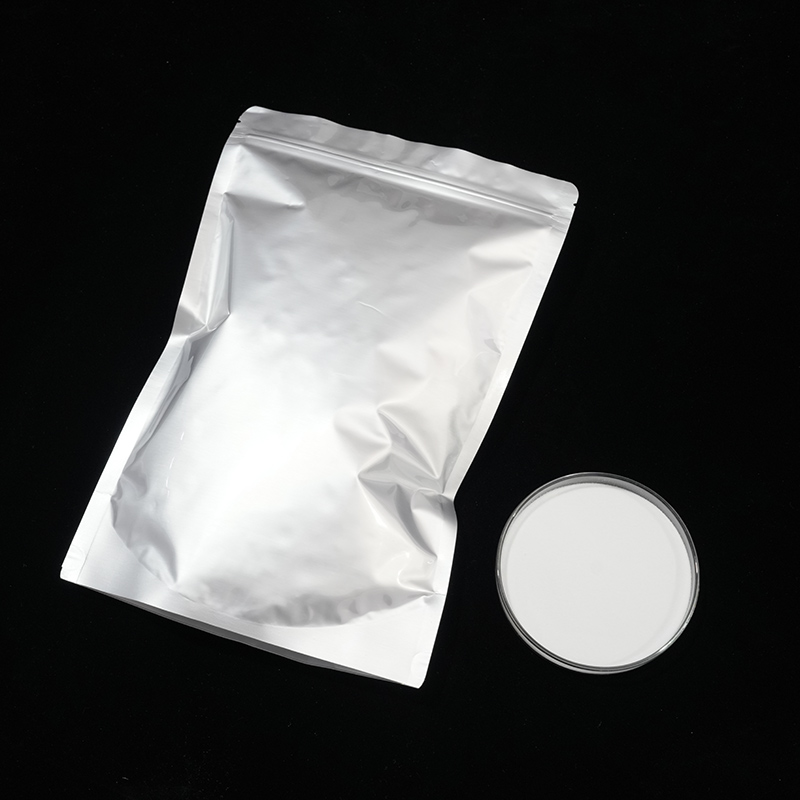
Product Introduction:TPU hot melt adhesive powder, also known as thermoplastic polyurethane hot melt adhesive powder, is a high-performance thermoplas...
See Details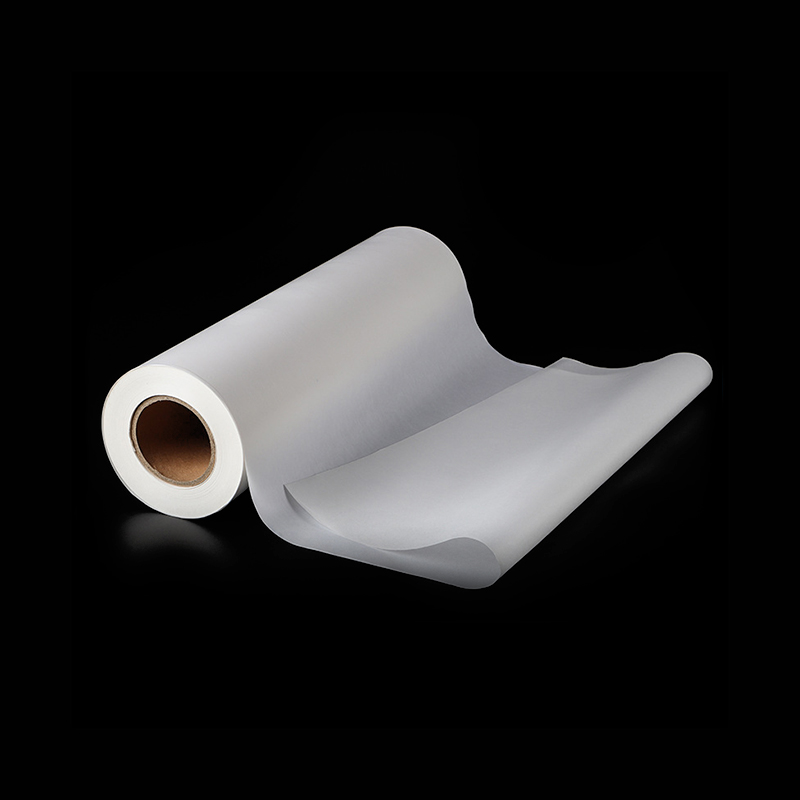
Product Introduction:This TPU hot melt adhesive film with backing paper elasticity has environmentally friendly adhesive properties, which not only pu...
See Details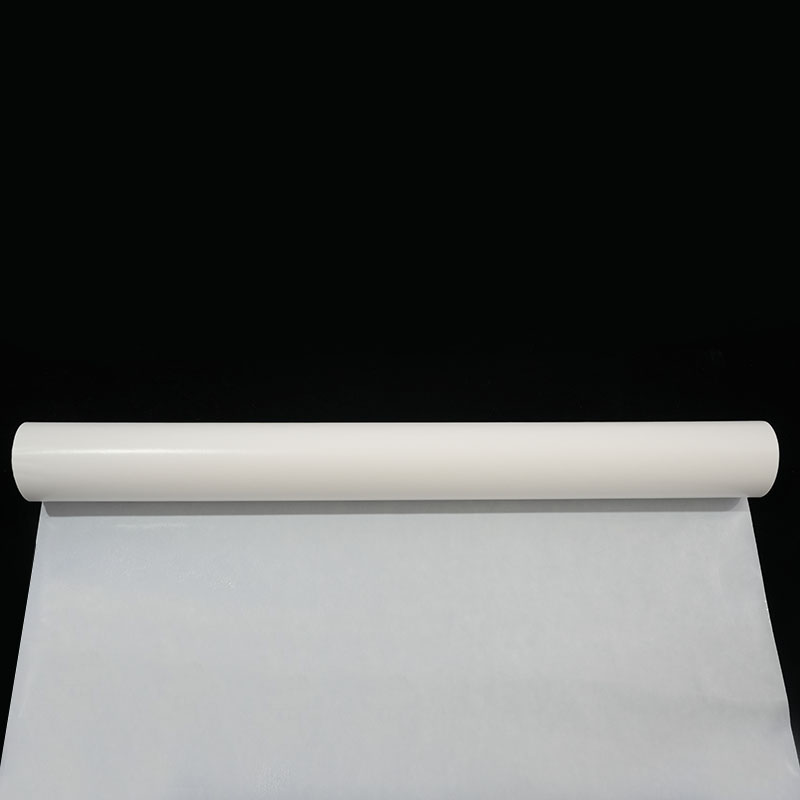
Product Introduction:PES hot melt adhesive film with backing paper is an environmentally friendly adhesive. Through advanced scraping, coating, or blo...
See Details

Contact Us