


 English
 中文简体
中文简体 Español
 عربى
عربى
Conventional cutting disc PA hot melt adhesive web
Cat:PA Hot Melt Adhesive Web
Product Introduction: Conventional cutting disc PA hot melt adhesive web is a hot melt adhesive material manufactured using advanced technology, mainl...
See Detailshot melt adhesive powder can absolutely be used for woodworking and furniture manufacturing. Hot melt adhesive powder, particularly polyamide (PA) and copolyamide (CoPA) formulations, provides excellent bonding solutions for wood substrates, furniture assembly, edge banding, lamination, and decorative applications. These thermoplastic adhesives offer fast setting times, strong adhesion to porous materials like wood, and compatibility with automated production systems. Whether you're bonding solid wood, MDF, particleboard, or laminates, hot melt adhesive powder delivers efficient, durable results that meet modern manufacturing demands.
Content
Hot melt adhesive powder consists of finely ground thermoplastic polymers that melt when heated and solidify upon cooling to create strong bonds. Unlike traditional liquid adhesives that require drying or curing time, hot melt powders undergo a physical state change—transitioning from solid to liquid when heated, then back to solid as they cool. This unique characteristic makes them ideal for high-speed woodworking operations where efficiency is paramount.
The powder form offers distinct advantages over traditional pellets or sticks. Hot melt adhesive powder can be applied using various methods including powder scattering, spraying, or coating systems. The fine particle size ensures even distribution across substrates, which is particularly beneficial when bonding large surface areas like furniture panels or laminated boards. According to industrial adhesive specialists, these powders are manufactured by grinding solid adhesive blocks into specific particle sizes ranging from 50 to 500 microns, depending on the application requirements.
Different types of hot melt adhesive powder serve specific woodworking needs, with polyamide, copolyamide, and copolyester being the most common formulations for wood and furniture applications. Each type offers unique properties that make it suitable for particular bonding challenges in the woodworking industry.
Polyamide hot melt adhesive powder is considered a high-performance option for woodworking applications requiring excellent heat and chemical resistance. These adhesives feature highly polar groups in the polymer chain that create interchain hydrogen bonding, resulting in high strength even at low molecular weights. Polyamide powders typically have softening points ranging from 95°C to 200°C and can maintain adhesive strength at temperatures up to just below their melting point.
In woodworking, polyamide hot melt adhesive powder excels in applications such as knot filling, wood repair, and decorative assembly. The hardness of polyamide adhesives enables them to withstand sanding operations without degrading, making them ideal for furniture finishing processes. These adhesives also demonstrate excellent bonding to metal, PVC, fiberboard, and vinyl—essential properties when manufacturing modern furniture that combines multiple materials.
Copolyamide hot melt adhesive powder offers enhanced flexibility and lower melting points compared to standard polyamides, making it ideal for furniture and flooring assembly. These amorphous solutions can contain up to 80% fatty acid derivatives from vegetable oils, providing improved mechanical flexibility and resistance against mechanical stresses. Copolyamide powders typically feature softening points between 80°C and 210°C, with viscosities ranging from 0.5 to 80 Pa.s at 210°C.
For woodworking applications, copolyamide hot melt adhesive powder is particularly effective in decorative fabric lamination to foam-wood combinations, carpet backing, and anti-slip coating applications. These adhesives provide excellent bonding performance to wood, metal, glass, nonwovens, and lightweight foams—making them a smart choice for household and office furniture manufacturing where short cycle times are essential.
Copolyester hot melt adhesive powder provides fast crystallization properties and excellent adhesion to wood substrates. These adhesives can be extruded without carriers, making them both economically and environmentally compatible. The property values of flexibility, shore hardness, and modulus of elasticity can be adjusted over a wide range to suit specific furniture manufacturing requirements. With melting ranges from 80°C up to 200°C, copolyesters provide solutions for various bonding challenges in woodworking.
Hot melt adhesive powder serves multiple critical functions in woodworking and furniture production, from edge banding and flat lamination to decorative assembly and repair work. Understanding these applications helps manufacturers select the right adhesive formulation for their specific needs.
| Application | Recommended Powder Type | Key Benefits |
| Edge Banding | EVA, Copolyamide | Fast setting, clean finish, moisture resistance |
| Flat Lamination | Copolyester, Polyamide | Even coverage, high bond strength, flexibility |
| Profile Wrapping | Polyamide, Copolyamide | Long open time, conformability, durability |
| Knot Filling & Repair | Polyamide (low viscosity) | Sandable, strong adhesion, color stability |
| Fabric-Foam-Wood Lamination | Copolyamide | Soft hand feel, flexibility, heat resistance |
| Veneer Bonding | Copolyester, Polyamide | High tack, thermal stability, aesthetic finish |
Hot melt adhesive powder is extensively used in edge banding operations to attach decorative strips to particleboard, MDF, and plywood panels. This application represents one of the largest uses of hot melt technology in woodworking. The powder can be applied through scattering systems that evenly distribute the adhesive along the panel edge before the banding material is applied and bonded using heat and pressure. The fast-setting nature of hot melt adhesives allows immediate handling and machining of edged panels, significantly increasing production throughput.
For bonding veneers, laminates, and decorative foils to wood substrates, hot melt adhesive powder provides superior coverage and bond consistency. The powder form allows precise control over adhesive quantity, ensuring uniform distribution across large panels without the voids or hollows that can occur with liquid adhesives. This is particularly important when laminating high-pressure laminate (HPL) to substrates like MDF, plywood, or particleboard. The bonded materials exit lamination machinery ready for immediate fabrication—cutting, drilling, routing—without waiting for curing.
Polyamide hot melt adhesive powder specifically formulated for woodworking can fill knots and defects in wood while providing a surface that can be sanded flush. The hardness of polyamide adhesives enables them to resist sanding steps without degrading, while their low viscosity formulations allow penetration into wood pores and defects. This application is particularly valuable in furniture manufacturing where aesthetic quality is paramount and wood defects must be concealed effectively.
Hot melt adhesive powder offers numerous advantages over traditional liquid adhesives and other bonding methods in woodworking and furniture manufacturing. These benefits span production efficiency, environmental considerations, and bond performance.
Hot melt adhesive powder enables significantly faster production cycles compared to water-based or solvent-based adhesives. Because these adhesives set through cooling rather than evaporation or chemical curing, bonds form almost instantly. This eliminates the need for clamping time, drying racks, or extended curing periods. Furniture manufacturers report that switching to hot melt systems can increase throughput by 20-30% compared to traditional PVA or urea-formaldehyde resin systems. The immediate bond strength allows finished panels to be moved immediately to the next production stage.
Hot melt adhesive powder is environmentally friendly because it contains no solvents or volatile organic compounds (VOCs). Being 100% solid adhesive, every gram of material contributes to the bond—there is no evaporation or waste from carriers. This makes hot melt powders compliant with strict environmental regulations in Europe and North America. The solvent-free nature also creates a safer workplace environment, eliminating exposure to harmful chemical vapors and reducing fire hazards associated with solvent-based systems.
Hot melt adhesive powder creates strong, durable bonds that withstand the stresses of furniture use and environmental exposure. Polyamide and copolyamide formulations offer excellent resistance to heat, moisture, and chemicals—critical properties for kitchen cabinets, bathroom furniture, and outdoor applications. The thermoplastic nature of these adhesives provides flexibility that accommodates wood's natural expansion and contraction with humidity changes, preventing bond failure over time. Additionally, the powder application method ensures consistent adhesive coverage without the voids that can weaken bonds.
Hot melt adhesive powder bonds effectively with a wide range of materials commonly used in furniture manufacturing. Beyond wood and wood composites like MDF and particleboard, these adhesives adhere to metal, PVC, vinyl, urethane foams, fabrics, and glass. This versatility enables the creation of complex furniture designs that combine multiple materials—such as wood frames with metal accents, upholstered panels with foam backing, or decorative elements with mixed substrates. The ability to bond dissimilar materials expands design possibilities while maintaining manufacturing efficiency.
Understanding how hot melt adhesive powder compares to traditional woodworking adhesives helps manufacturers make informed decisions about their bonding processes. Each adhesive type has distinct characteristics that make it suitable for specific applications.
| Comparison Factor | Hot Melt Adhesive Powder | Traditional PVA/UF Resins |
| Setting Time | Seconds to minutes (instant handling) | Hours to days (requires clamping) |
| Application Method | Powder scattering, spraying, coating | Brushing, rolling, spraying liquid |
| Heat Resistance | Up to 150-200°C (polyamide types) | Generally lower, degrades with heat |
| Moisture Resistance | Excellent (especially polyamide/PUR) | Moderate to poor (water-sensitive) |
| VOC Emissions | Zero (100% solids, solvent-free) | Low to moderate (water-based) |
| Bond Strength | High (up to 3.4-4.3 MPa shear strength) | Very high structural strength |
| Cleanup | Clean process, minimal waste | Water cleanup (PVA), requires drying space |
| Equipment Requirements | Heated application systems, powder dispensers | Basic application tools, clamping systems |
Hot melt adhesive powder is the optimal choice when production speed, immediate handling, and multi-material bonding are priorities. It excels in automated manufacturing environments where fast cycle times are essential. The powder form is particularly advantageous for large surface lamination, edge banding operations, and applications requiring precise adhesive placement. Additionally, when environmental regulations are strict or worker safety is a primary concern, the solvent-free nature of hot melt powders provides significant advantages.
Traditional PVA or urea-formaldehyde resins may be preferred for structural load-bearing applications requiring maximum bond strength and rigidity. These adhesives typically form stronger structural bonds for solid wood assembly and can be more cost-effective for large-volume structural applications. However, they require longer processing times and are less suitable for automated high-speed production lines. For outdoor furniture exposed to extreme weather conditions, specialized waterproof formulations of traditional adhesives may also be considered alongside high-performance polyamide hot melts.
Proper application of hot melt adhesive powder requires specific equipment and techniques to achieve optimal bonding results in woodworking. The application method depends on the production scale, substrate type, and specific adhesive formulation being used.
Industrial powder scattering systems evenly distribute hot melt adhesive powder across wood substrates using rotating brush rollers or vibration systems. The powder is scattered onto the substrate surface, then melted using heat (typically through heated rollers, infrared radiation, or hot air) before the mating surface is pressed into place. This method is ideal for flat lamination of large panels and provides excellent control over adhesive quantity and distribution uniformity.
Hot melt adhesive powder can be applied using hot air nozzle spray systems that melt and atomize the adhesive simultaneously. This technique is effective for covering extensive surface areas and complex shapes. Spray application requires careful control of air pressure, temperature (typically 180-220°C), and spray pattern to ensure uniform coverage without overspray or adhesive waste. This method is commonly used in profile wrapping and decorative assembly applications.
Heated roller systems apply hot melt adhesive powder by first melting the powder in a reservoir, then transferring the molten adhesive to the substrate through precision rollers. This method provides consistent adhesive film thickness and is widely used in flat lamination and edge banding operations. The roller temperature and speed can be adjusted to control adhesive application rate and open time, allowing optimization for different wood substrates and production speeds.
Proper surface preparation is essential for achieving strong bonds with hot melt adhesive powder. Wood substrates should be clean, dry, and free from dust, grease, or oil that could impede adhesion. For porous materials like wood, light sanding may be required to create a smooth surface suitable for bonding. The moisture content of wood should be controlled, as excessive moisture can interfere with adhesion and cause bond failure. Operating temperatures typically range between 180°C and 220°C, though specific requirements vary by adhesive formulation.
Proper storage of hot melt adhesive powder maintains its quality and ensures consistent performance in woodworking applications. These thermoplastic materials require specific storage conditions to prevent degradation and maintain their bonding properties.
Hot melt adhesive powder should be stored in cool, dry conditions away from direct sunlight and moisture. Polyamide-based powders are particularly susceptible to moisture absorption because hydrogen bonds in the polymer can break when water is absorbed, potentially causing foaming during heating and voids in the applied adhesive layer. Airtight containers are recommended for long-term storage, especially for reactive formulations like polyurethane hot melts that can prematurely cure when exposed to humidity.
Storage temperatures should generally be maintained below 30°C to prevent any risk of particle agglomeration or premature softening. When stored properly, hot melt adhesive powder typically has a shelf life of 12-24 months, depending on the specific formulation. Always follow manufacturer guidelines regarding storage conditions and shelf life to ensure optimal adhesive performance.
Hot melt adhesive powder is generally not recommended for primary structural load-bearing joints in woodworking. While polyamide and reactive polyurethane hot melts provide excellent bond strength, they are thermoplastic materials that can soften under sustained loads at elevated temperatures. For structural applications requiring maximum strength and rigidity, traditional structural adhesives or mechanical fasteners are typically preferred. However, hot melt powders excel in non-structural applications like edge banding, lamination, and decorative assembly.
Polyamide and polyurethane-based hot melt adhesive powders can be suitable for outdoor furniture when properly formulated. These high-performance hot melts offer excellent moisture resistance and can withstand temperature fluctuations better than standard EVA formulations. However, prolonged exposure to direct sunlight and extreme weather conditions may eventually degrade thermoplastic adhesives. For outdoor applications, specialized formulations with UV stabilizers and enhanced weather resistance should be selected.
Temperature significantly affects hot melt adhesive powder application and performance. Application temperatures typically range from 180°C to 220°C, depending on the specific formulation. Higher temperatures reduce viscosity for better flow and wetting, while lower temperatures may result in poor substrate penetration. Service temperature—the temperature range where the bond maintains its strength—varies by adhesive type: standard EVA may soften above 70-80°C, while polyamide formulations can maintain strength up to 150-200°C.
Yes, hot melt adhesive powder effectively bonds wood to a wide variety of non-wood materials including metal, plastic, fabric, foam, and glass. Polyamide and copolyamide formulations are particularly versatile, offering excellent adhesion to metal, PVC, vinyl, and urethane foams. This multi-material compatibility makes hot melt powder ideal for modern furniture designs that combine wood with aluminum trims, glass inserts, polymer surfaces, or upholstered components.
Hot melt adhesive powder typically has a shelf life of 12-24 months when stored properly in cool, dry conditions. Polyamide-based powders are more susceptible to moisture absorption than other types, so airtight packaging is essential for maintaining quality. Always check manufacturer specifications for specific shelf life recommendations, as reactive formulations like PUR may have shorter storage periods due to their moisture-curing characteristics.
Standard hot melt adhesive powder is not food-contact safe unless specifically certified. For woodworking projects involving kitchen utensils, cutting boards, trays, or surfaces that will contact food, only use adhesives that have been tested and approved under FDA or EU food safety standards. Specialized food-grade hot melt formulations are available for these applications, but they must be explicitly labeled as safe for indirect or direct food contact.
Choose polyamide hot melt powder when high heat resistance, chemical resistance, and sandability are required. Polyamides are ideal for knot filling, wood repair, and applications exposed to elevated temperatures. Select copolyamide formulations when flexibility, lower application temperatures, and bonding to sensitive substrates are priorities. Copolyamides offer better adhesion to fabrics, foams, and materials requiring some movement or flexibility in the finished product.
Hot melt adhesive powder is a proven, effective solution for woodworking and furniture manufacturing applications. From edge banding and flat lamination to decorative assembly and wood repair, these thermoplastic adhesives offer significant advantages in production speed, environmental compliance, and multi-material bonding capability. Polyamide and copolyamide formulations provide the heat resistance, moisture resistance, and durability required for quality furniture production.
While not suitable for all structural applications, hot melt adhesive powder excels in the high-speed, automated manufacturing environments that characterize modern furniture production. The powder form offers precise application control, minimal waste, and consistent coverage that liquid adhesives cannot match. By understanding the different adhesive types available and their specific properties, woodworking professionals can select the optimal hot melt solution for their manufacturing needs, improving both efficiency and product quality.
As environmental regulations become stricter and production efficiency demands increase, hot melt adhesive powder technology continues to evolve with bio-based formulations and enhanced performance characteristics. For woodworking and furniture manufacturers seeking to optimize their bonding processes while maintaining high quality standards, hot melt adhesive powder represents a smart, forward-thinking choice.
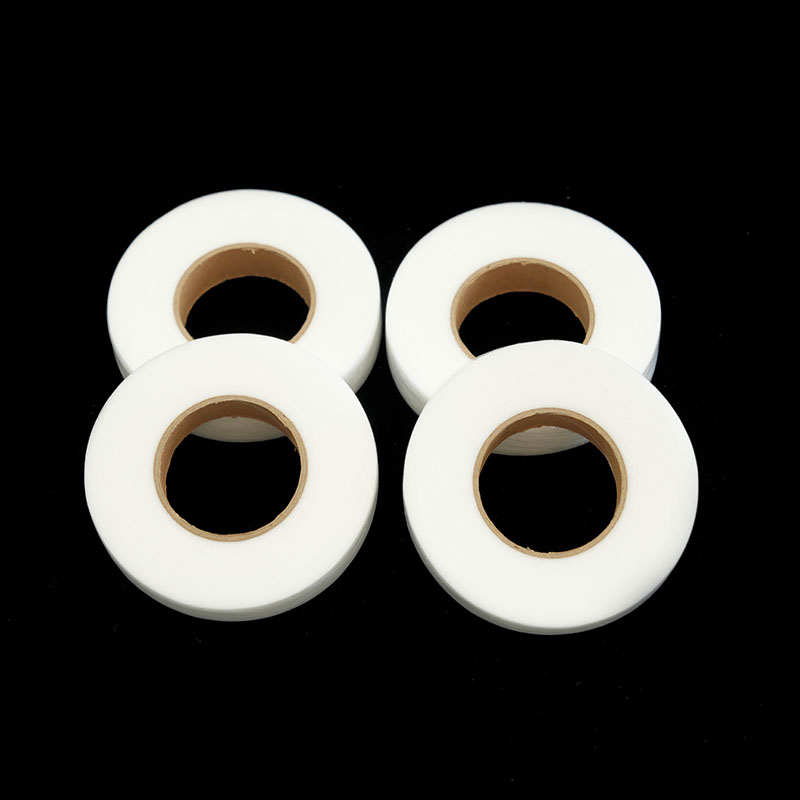
Product Introduction: Conventional cutting disc PA hot melt adhesive web is a hot melt adhesive material manufactured using advanced technology, mainl...
See Details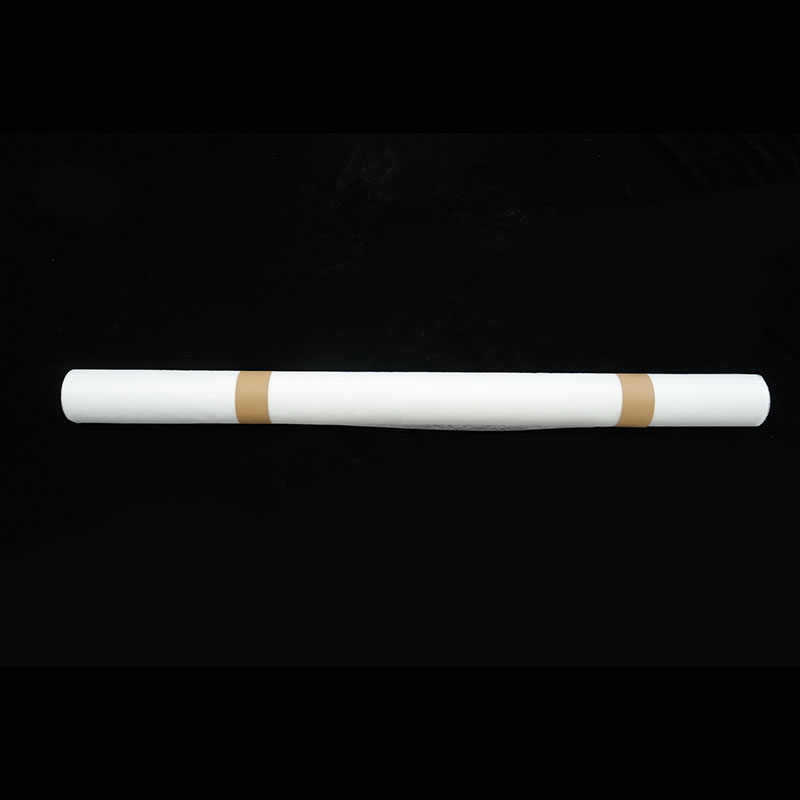
Product Introduction: The whole roll of PA hot melt adhesive web is a special adhesive processed from high-quality thermoplastic polyamide (PA) materi...
See Details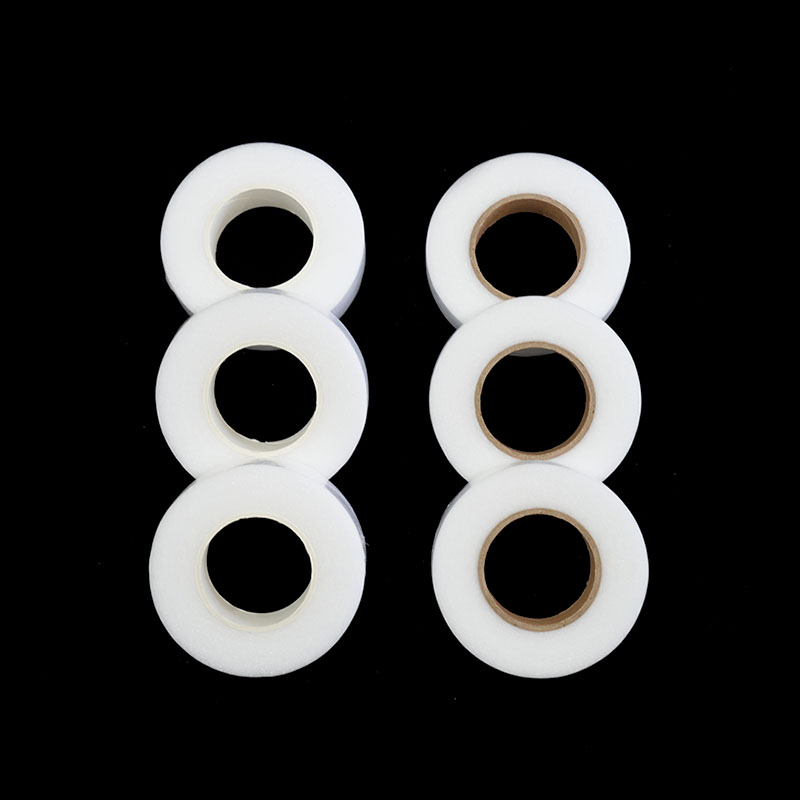
Product Introduction: Small roll cutting disc PA hot melt adhesive web is a high-performance and environmentally friendly hot bonding material designe...
See Details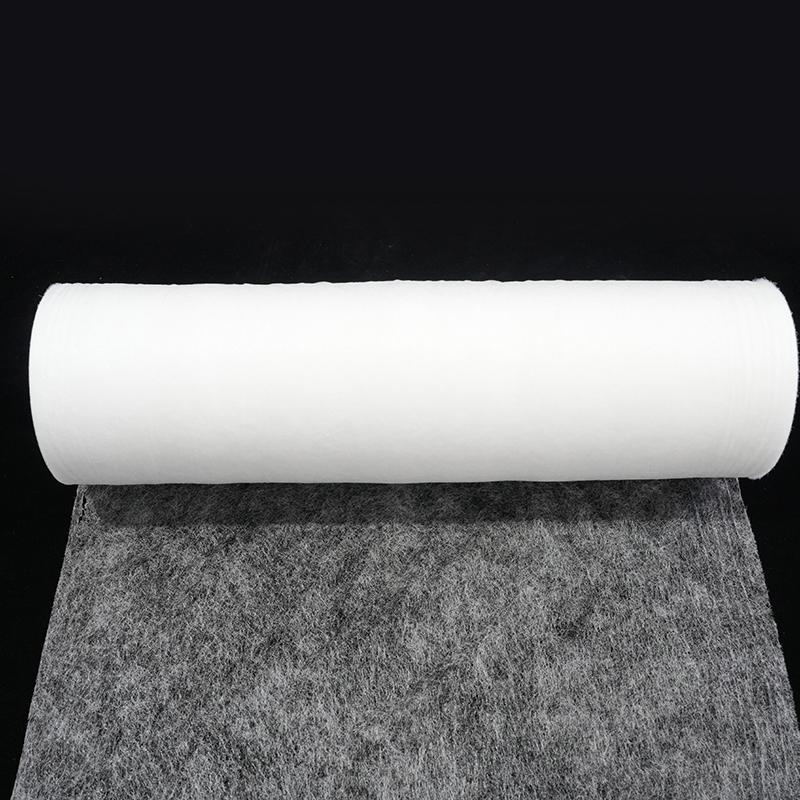
Product Introduction: The whole roll (mother roll) TPU hot melt adhesive web, as a thermoplastic polyurethane (TPU) material that integrates high perf...
See Details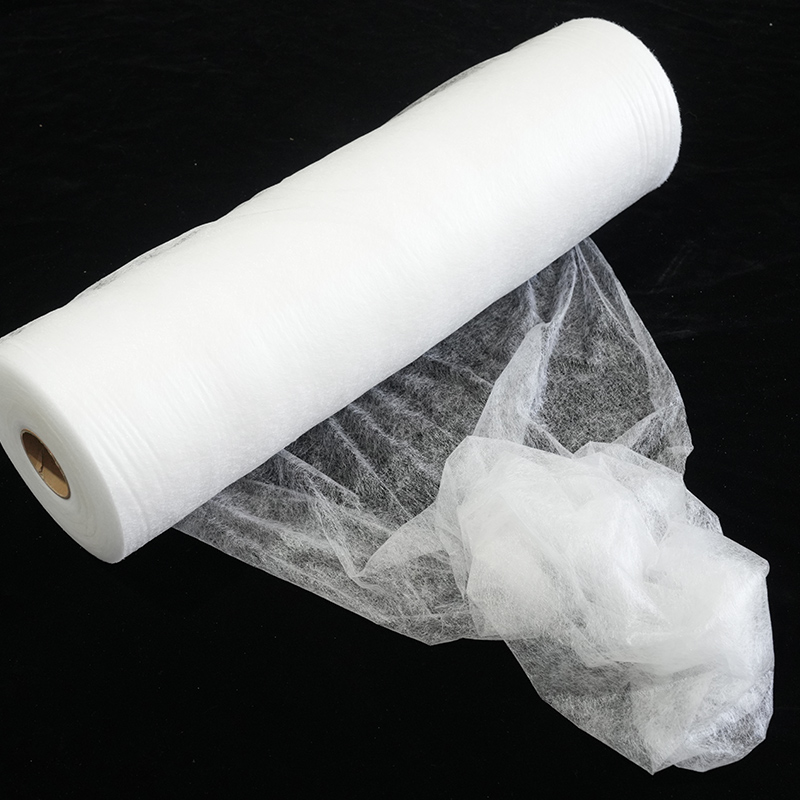
Product Introduction: This high-performance, multi-purpose full roll (mother roll) EVA low-temperature hot melt adhesive web is designed to meet the h...
See Details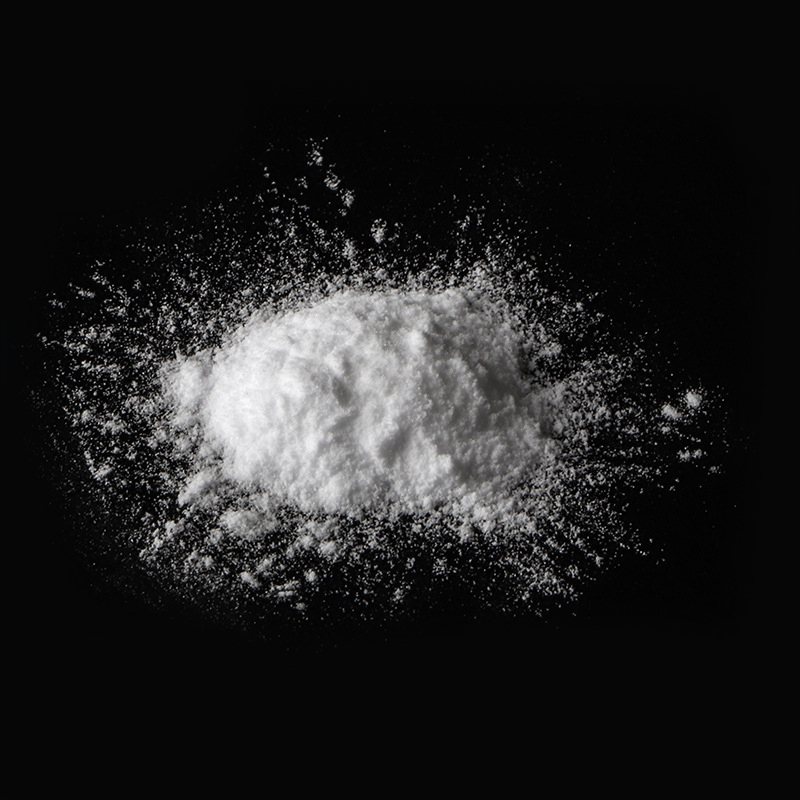
Product Introduction:PES hot melt adhesive powder is a new type of polymer environmentally friendly hot melt adhesive produced through polymerization ...
See Details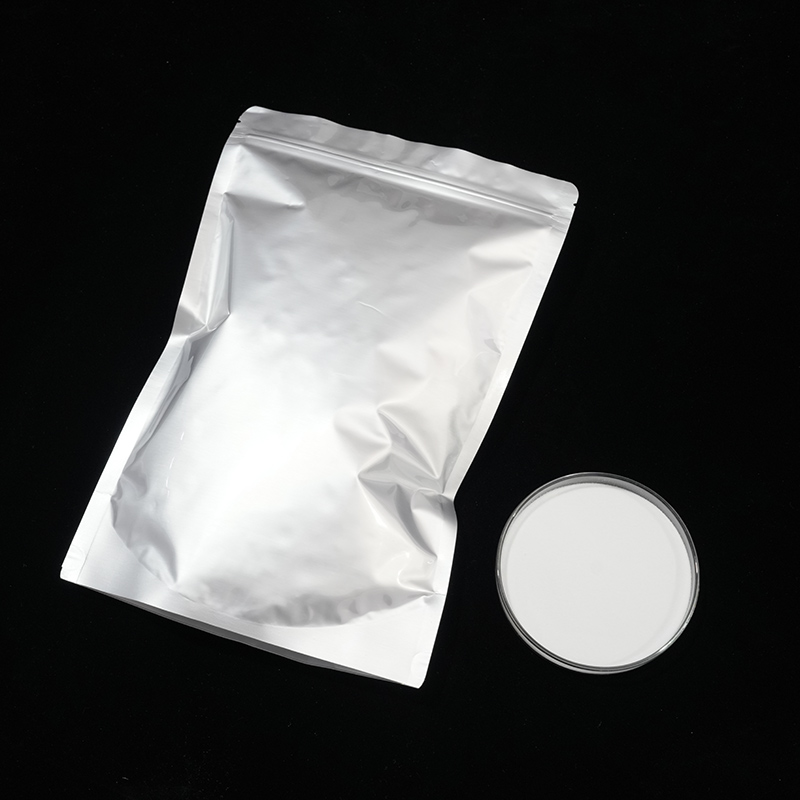
Product Introduction:TPU hot melt adhesive powder, also known as thermoplastic polyurethane hot melt adhesive powder, is a high-performance thermoplas...
See Details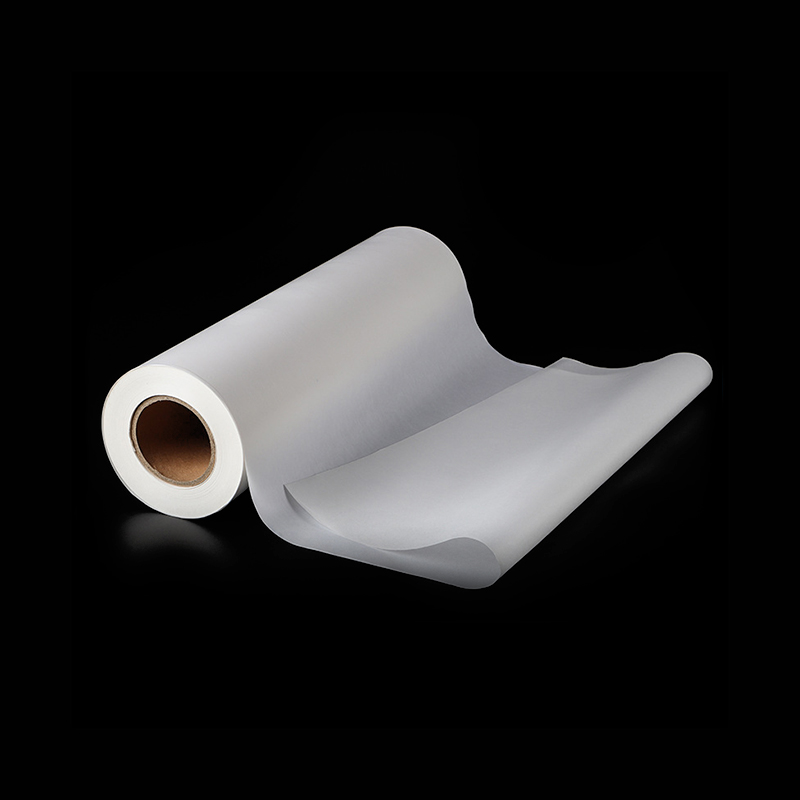
Product Introduction:This TPU hot melt adhesive film with backing paper elasticity has environmentally friendly adhesive properties, which not only pu...
See Details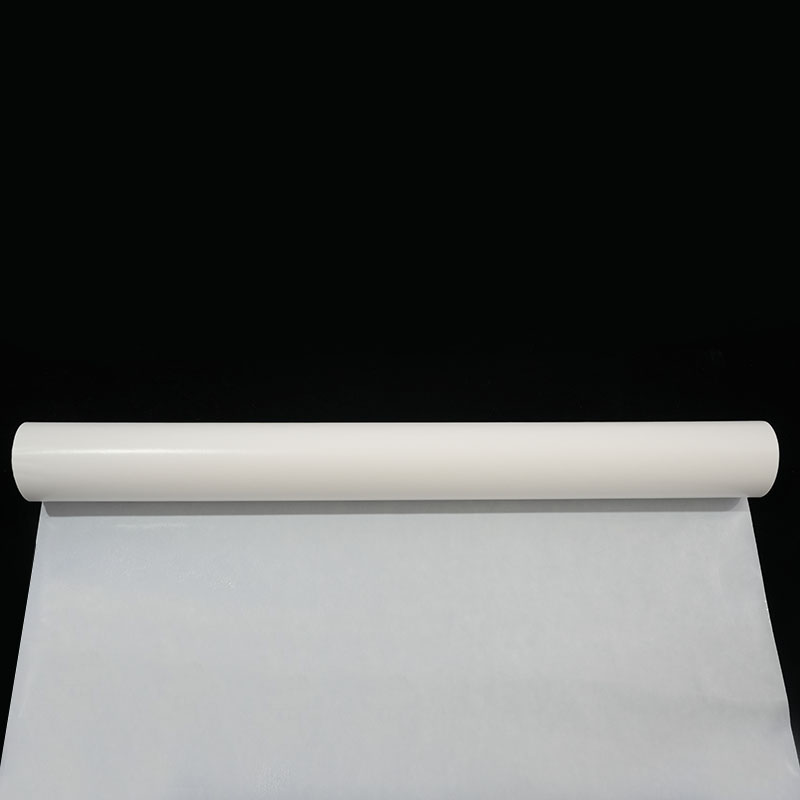
Product Introduction:PES hot melt adhesive film with backing paper is an environmentally friendly adhesive. Through advanced scraping, coating, or blo...
See Details

Contact Us