


 English
 中文简体
中文简体 Español
 عربى
عربى
Conventional cutting disc PA hot melt adhesive web
Cat:PA Hot Melt Adhesive Web
Product Introduction: Conventional cutting disc PA hot melt adhesive web is a hot melt adhesive material manufactured using advanced technology, mainl...
See DetailsHot melt adhesive powder is used in textile bonding as a dry thermoplastic resin that melts under heat and pressure to create a strong, flexible, and durable bond between fabric layers. This process, commonly known as heat transfer or lamination, eliminates the need for traditional stitching, allowing for seamless designs, waterproofing, and enhanced structural integrity in garments, automotive interiors, and industrial textiles.
Content
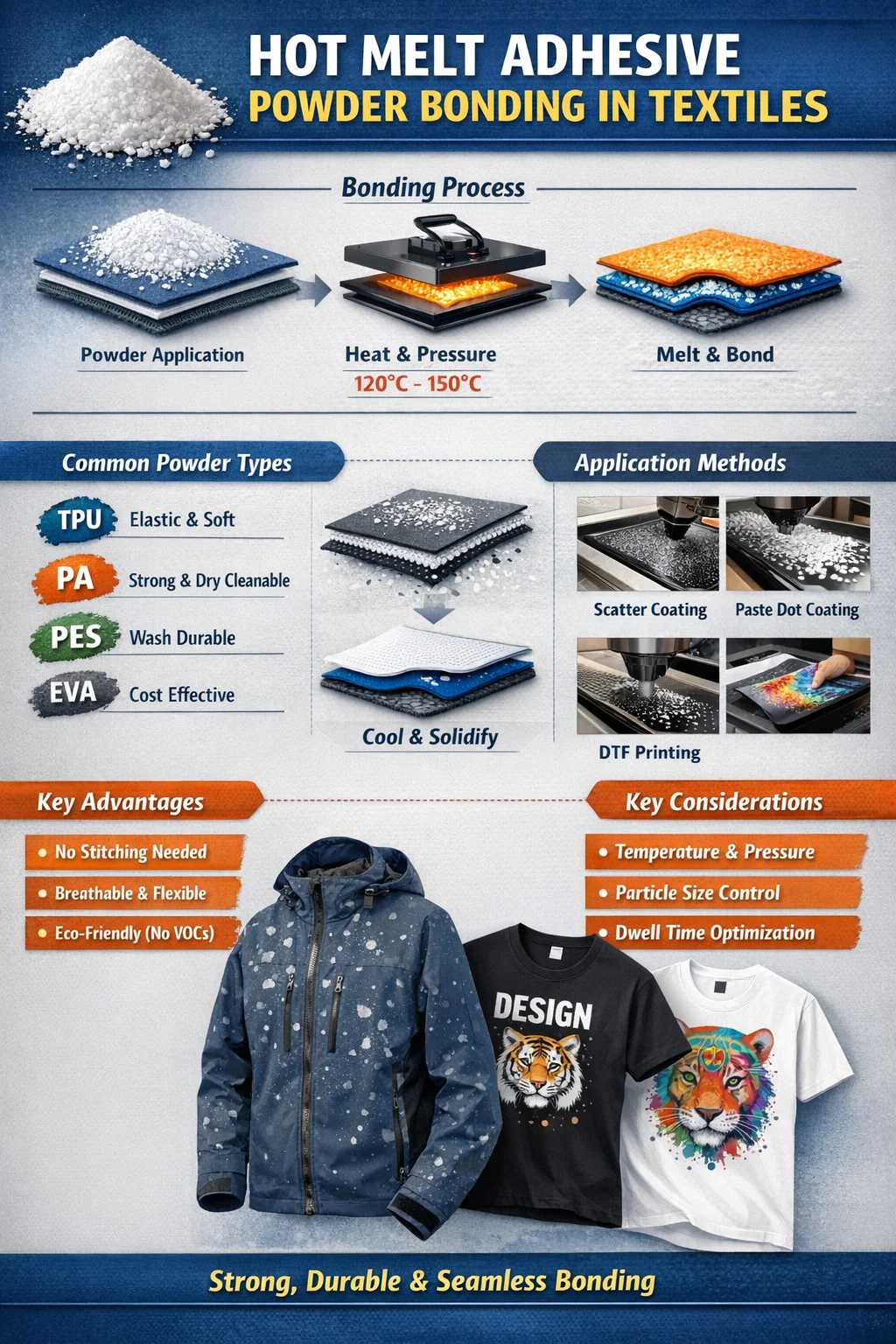
The bonding mechanism relies on the thermal transition of polymer particles from a solid state to a molten liquid that penetrates fiber interstices before solidifying. When the powder is applied to a substrate and subjected to a heat press or oven, it reaches its melting point (typically between 80°C and 160°C). At this stage, the viscosity drops, allowing the polymer to "wet" the surface of the textile fibers. Once the heat source is removed and the material cools, the polymer recrystallizes, forming a mechanical and chemical lock between the two layers.
Unlike liquid adhesives, hot melt adhesive powder offers a "breathable" bond. Because the powder is often applied in a scattered or dotted pattern, it does not create a continuous film that blocks air. This is crucial for high-performance sportswear where moisture vapor transmission (MVTR) is essential for wearer comfort.
The choice of polymer—TPU, PA, or PES—dictates the final bond's flexibility, wash resistance, and melting temperature. Different textiles require specific chemical profiles to ensure compatibility and longevity.
| Powder Type | Melting Range (°C) | Key Characteristic | Typical Application |
|---|---|---|---|
| TPU | 100 - 150 | High Elasticity | Yoga Wear, Swimwear |
| PA | 110 - 130 | Dry Clean Resistance | Suit Interlinings |
| PES | 120 - 150 | Wash Durability | Outdoor Jackets |
The efficiency of hot melt bonding depends on the precision of the application method, such as double-dot coating or scatter coating. Factories choose methods based on the desired hand-feel and the volume of production.
In this method, hot melt powder is unevenly distributed across the fabric surface using a vibrating sieve or a rotating roller. It is frequently used for automotive headliners and carpet backings where a heavy, uniform layer of adhesive is required to bond thick materials.
The powder is mixed with water and a thickening agent to create a paste, which is then printed onto the fabric via a rotary screen. This method ensures maximum breathability and is the standard for high-quality garment interlinings used in luxury fashion.
In the modern digital era, hot melt adhesive powder is the "glue" that holds digital ink to the fabric. After printing CMYK colors onto a PET film, the wet ink is coated with adhesive powder. The film is then cured and heat-pressed onto the shirt, creating a vibrant, durable graphic.
Adhesive powders provide a cleaner, more environmentally friendly alternative to solvent-based liquid glues. Since powders are 100% solid, they do not release Volatile Organic Compounds (VOCs) during the curing process, helping manufacturers meet strict environmental standards like OEKO-TEX.
Furthermore, precision control is significantly higher with powders. For instance, in the production of high-end waterproof jackets, using a specific micron size (e.g., 0-80μm) of PES powder allows for a bond that withstands over 50 cycles of industrial washing at 60°C without delamination. Liquid adhesives often struggle to maintain this level of consistency across large surface areas without adding excessive weight.
Successful textile bonding requires a precise balance of temperature, pressure, and dwell time. Failure to optimize these parameters can lead to "strike-back" (glue seeping through the fabric) or weak adhesion.
The textile industry is shifting toward bio-based hot melt powders derived from renewable resources like castor oil or corn starch. These innovations aim to reduce the carbon footprint of garment manufacturing. Additionally, the development of "low-melt" powders is gaining traction, allowing for bonding at temperatures as low as 85°C, which protects heat-sensitive delicate fabrics and reduces energy consumption in factories by up to 15%.
Q1: Can hot melt adhesive powder be used on all fabrics?
A: While highly versatile, it works best on porous materials. Extremely smooth or silicone-treated fabrics may require surface priming or specific polymer blends like modified TPU to achieve adequate peel strength.
Q2: How do I prevent the glue from feeling stiff?
A: Use a TPU-based powder and apply it using a "dot" pattern rather than a full coating. This maintains the fabric's natural drape and elasticity.
Q3: Is the bond permanent?
A: Yes, when applied correctly, the bond is designed to last the lifetime of the garment, resisting dozens of wash cycles and environmental exposure.
Q4: What is the difference between PA and PES powder?
A: PA (Polyamide) is better for dry cleaning and bonding to nylon. PES (Polyester) is superior for water-wash resistance and bonding to polyester fabrics.
Hot melt adhesive powder is a cornerstone of modern textile engineering, providing a balance of strength, comfort, and production efficiency. As the fashion and technical textile industries continue to evolve toward seamless construction and sustainable practices, the role of high-performance thermoplastic powders will only become more significant. By selecting the right polymer and mastering the application parameters, manufacturers can produce garments that are not only durable but also meet the high aesthetic standards of today's consumers.
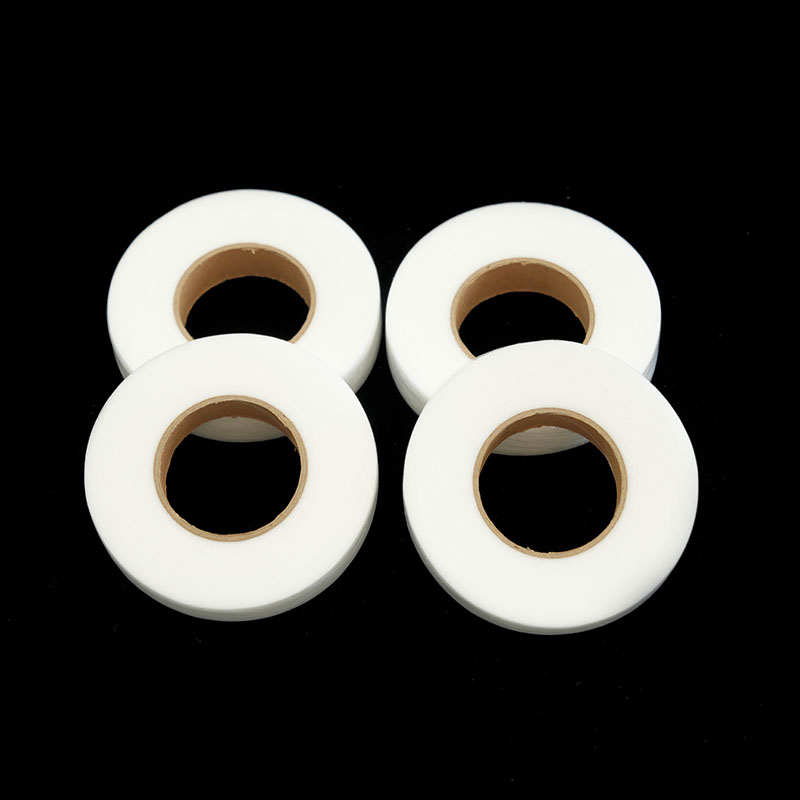
Product Introduction: Conventional cutting disc PA hot melt adhesive web is a hot melt adhesive material manufactured using advanced technology, mainl...
See Details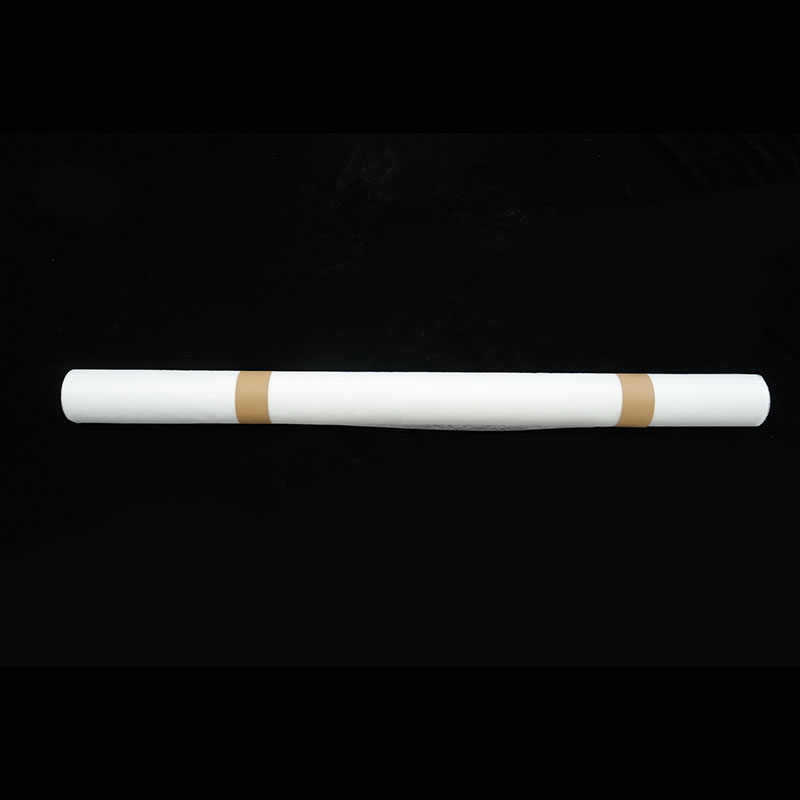
Product Introduction: The whole roll of PA hot melt adhesive web is a special adhesive processed from high-quality thermoplastic polyamide (PA) materi...
See Details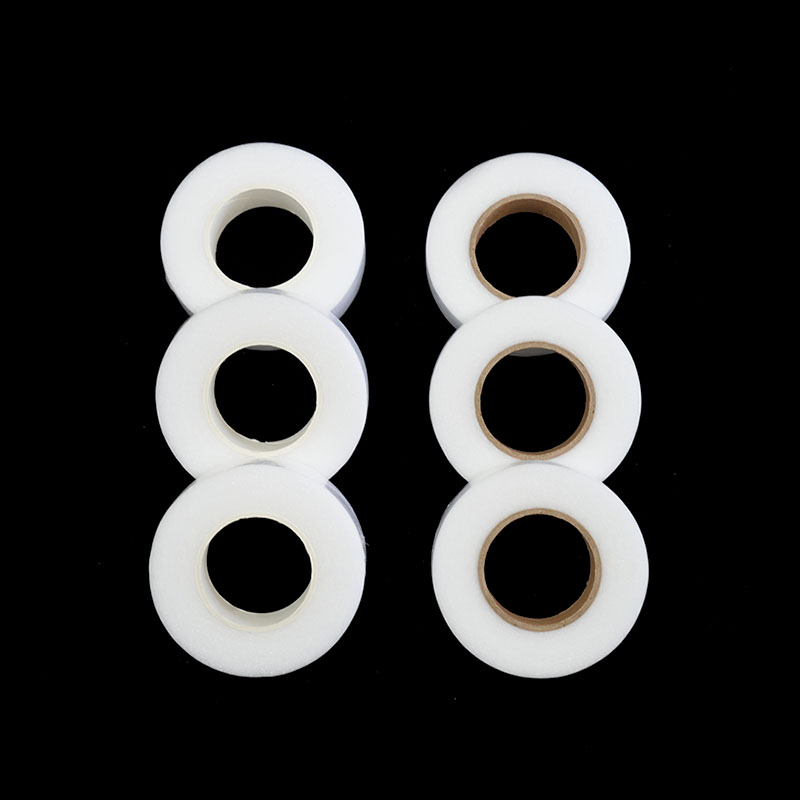
Product Introduction: Small roll cutting disc PA hot melt adhesive web is a high-performance and environmentally friendly hot bonding material designe...
See Details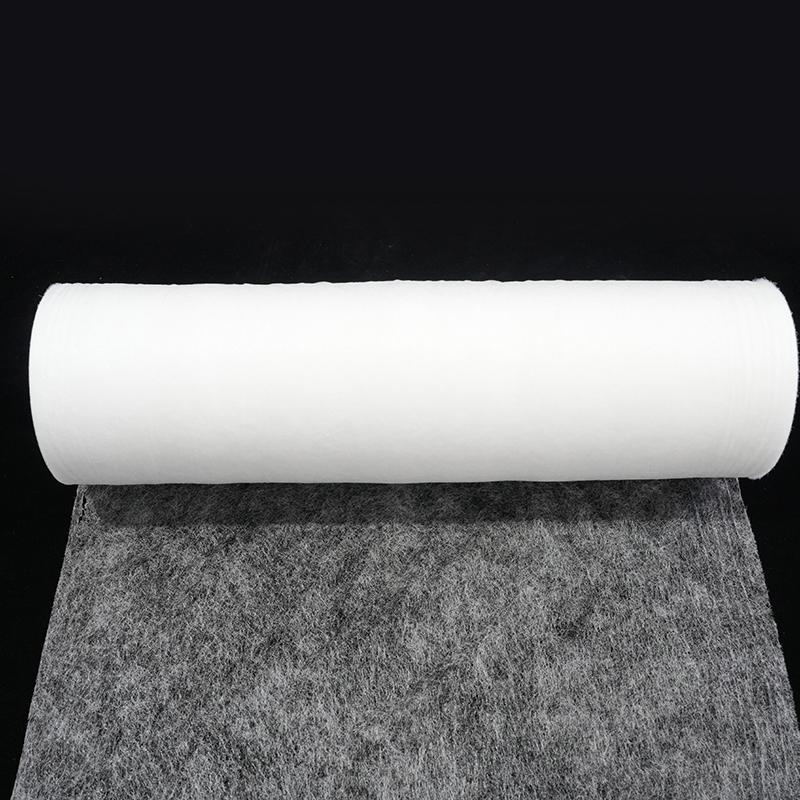
Product Introduction: The whole roll (mother roll) TPU hot melt adhesive web, as a thermoplastic polyurethane (TPU) material that integrates high perf...
See Details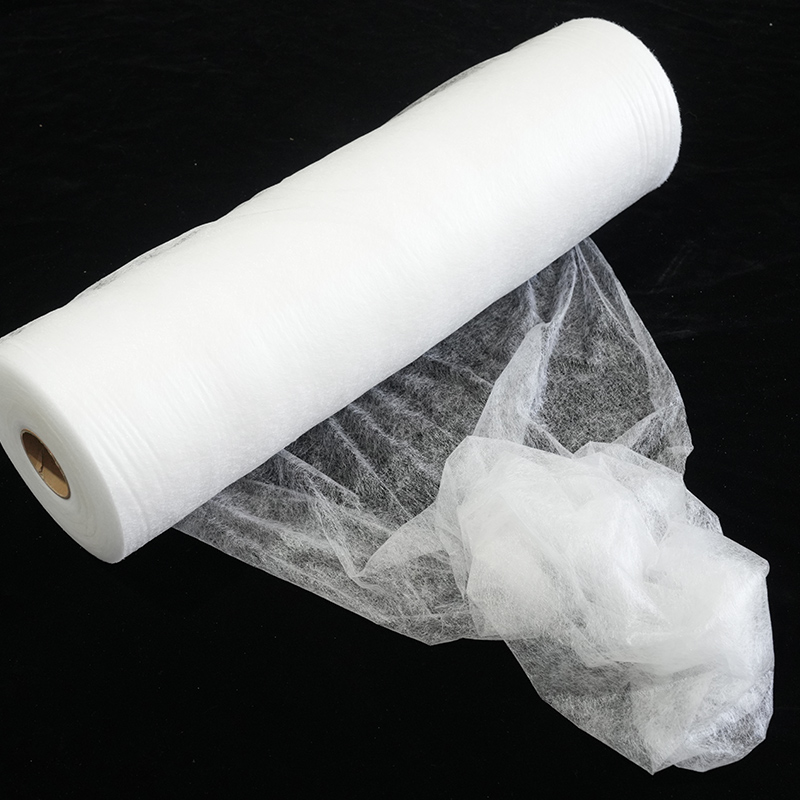
Product Introduction: This high-performance, multi-purpose full roll (mother roll) EVA low-temperature hot melt adhesive web is designed to meet the h...
See Details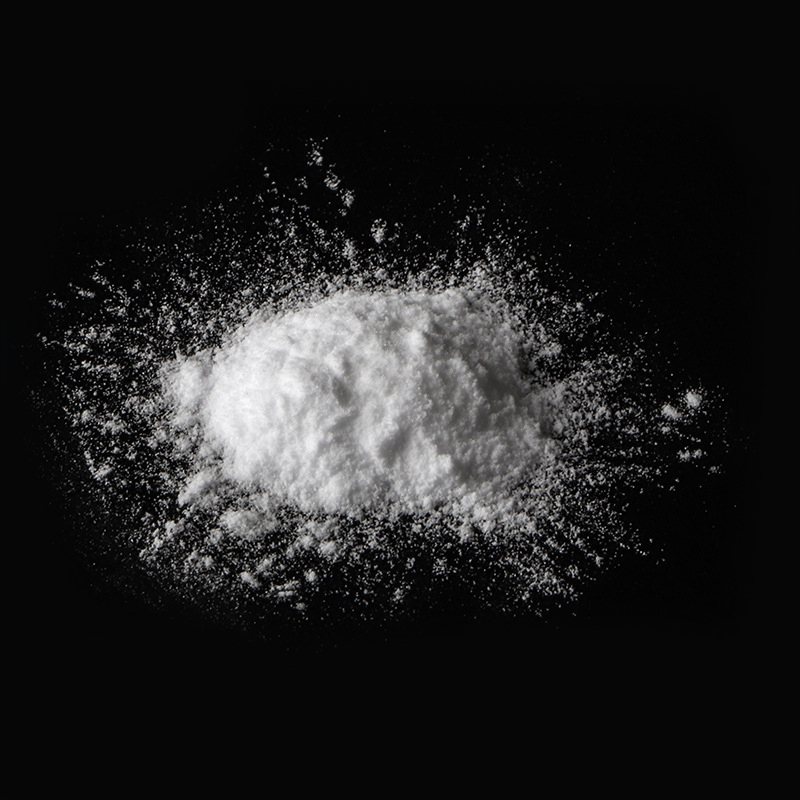
Product Introduction:PES hot melt adhesive powder is a new type of polymer environmentally friendly hot melt adhesive produced through polymerization ...
See Details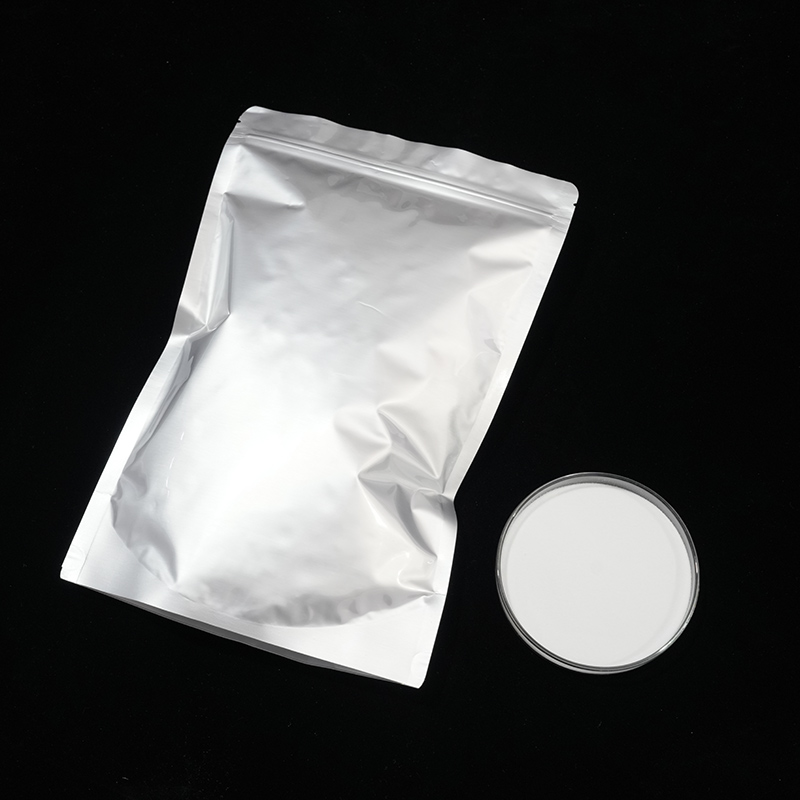
Product Introduction:TPU hot melt adhesive powder, also known as thermoplastic polyurethane hot melt adhesive powder, is a high-performance thermoplas...
See Details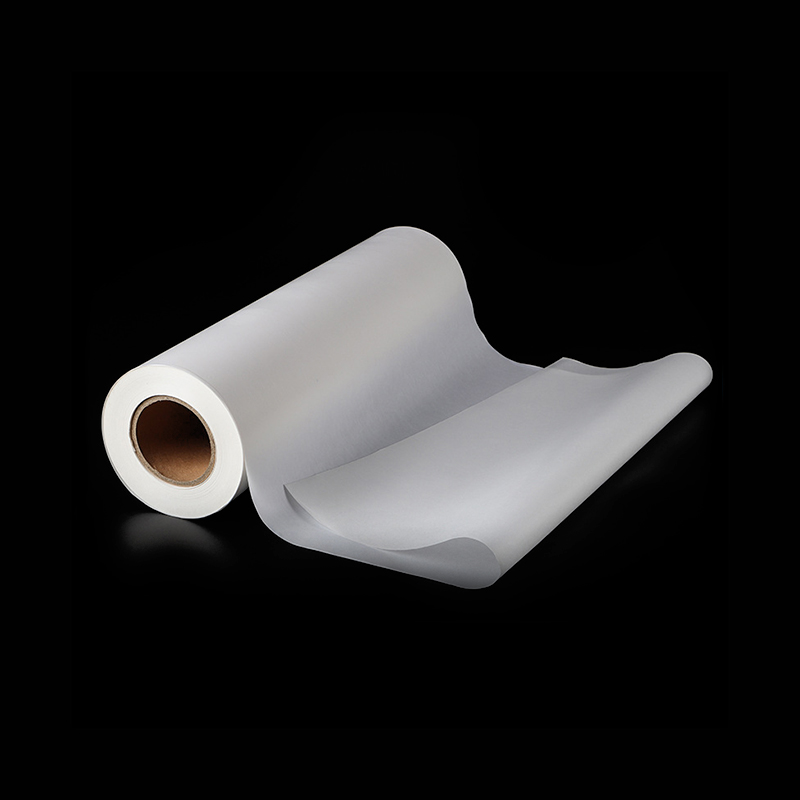
Product Introduction:This TPU hot melt adhesive film with backing paper elasticity has environmentally friendly adhesive properties, which not only pu...
See Details
Product Introduction:PES hot melt adhesive film with backing paper is an environmentally friendly adhesive. Through advanced scraping, coating, or blo...
See Details

Contact Us