


 English
 中文简体
中文简体 Español
 عربى
عربى
Conventional cutting disc PA hot melt adhesive web
Cat:PA Hot Melt Adhesive Web
Product Introduction: Conventional cutting disc PA hot melt adhesive web is a hot melt adhesive material manufactured using advanced technology, mainl...
See DetailsHot melt adhesives (HMA) provide a high-efficiency bonding solution by transitioning from a molten liquid to a structural solid upon cooling, offering near-instantaneous bond strength without the need for solvent evaporation. As a 100% solid thermoplastic material, hot melt technology eliminates drying times and volatile organic compound (VOC) emissions, making it the superior choice for high-speed automated production lines in packaging, automotive, and electronics industries.
Content
Hot melt adhesives are polymer-based thermoplastic glues that achieve adhesion through thermal phase transitions rather than chemical solvent evaporation. At room temperature, these materials remain in a solid state (sticks, pellets, or blocks). Once heated to their specific melting point—typically ranging from 120°C to 180°C—they turn into a flowable liquid that wets the substrate surface. As the heat dissipates, the adhesive rapidly solidifies, creating a mechanical or chemical bond within seconds.
Compared to traditional water-based or solvent-based glues, hot melt adhesives offer distinct advantages:
The chemical composition of a hot melt adhesive dictates its thermal stability, bond strength, and compatibility with specific substrates. Selecting the wrong polymer base can lead to bond failure, equipment charring, or excessive production costs. Below is a detailed breakdown of the dominant chemistries used in modern industry.
| Adhesive Type | Chemical Base | Key Advantages | Primary Limitations | Typical Applications |
| EVA | Ethylene Vinyl Acetate | Cost-effective, versatile bonding | Limited heat resistance, charring | Packaging, bookbinding |
| Metallocene | Metal-catalyzed PE | Thermal stability, low odor | Higher cost per kg | Food & Pharma packaging |
| PUR | Polyurethane Prepolymer | Structural strength, heat proof | Needs moisture to cure, non-remeltable | Woodworking, Automotive |
| APAO | Amorphous Poly-alpha-olefin | Long open time, UV resistant | Slow set speed, lower tack | Wire & Cable, Bedding |
| Polyamide (PA) | Polyamide Resin | Oil resistance, high melting point | Hygroscopic, high cost | Electronics, Filters |
| PSA | Rubber/Acrylic/Silicone | Permanent tack, instant bond | Low creep resistance | Labels, Tapes |
Ethylene Vinyl Acetate (EVA) is the most versatile and cost-effective hot melt adhesive, ideal for high-volume paper and cardboard bonding. It works by balancing the toughness of ethylene with the adhesive properties of vinyl acetate. EVA formulations can be adjusted to have open times ranging from 2 seconds to over a minute, making them adaptable to both manual and automated assembly.
Example: In standard corrugated box sealing, EVA hot melt is the preferred choice due to its ability to handle temperature fluctuations during shipping (from 0°C to 45°C) while maintaining a unit cost far lower than advanced polymers.
Metallocene polyolefin adhesives utilize advanced catalyst technology to provide superior thermal stability and virtually eliminate char buildup in adhesive tanks. Unlike EVA, which degrades and turns black when held at high temperatures for long periods, metallocene maintains its viscosity and color. This translates to significantly lower maintenance costs and less frequent nozzle clogs.
Benefit: Because of its high bond strength, metallocene hot melt can often achieve the same bond with 20% less adhesive volume compared to traditional EVA, offsetting its higher price point through efficiency.
Polyurethane Reactive (PUR) hot melt is a "hybrid" adhesive that provides an initial physical bond followed by a secondary chemical cross-linking reaction with atmospheric moisture. Once the 24-hour curing process is complete, PUR becomes a thermoset material. This means it will not remelt if exposed to high heat, making it the only viable choice for automotive engine compartments or kitchen cabinetry near ovens.
Example: In the furniture industry, PUR hot melt is used for edge banding because it creates a glue line so thin and strong that it is virtually invisible and waterproof, outperforming all other adhesive types in longevity.
Optimal adhesive selection requires a rigorous evaluation of the substrate's surface energy, the production line's mechanical speed, and the end-use environment. A failure to account for any of these variables can lead to "pop-opens" (adhesive failure) or "stringing" (process failure).
Surface energy determines how well an adhesive "wets out" or spreads across a material; low-energy plastics like Polypropylene (PP) require specialized non-polar adhesives. Adhesion is essentially a molecular-level handshake. For porous materials like wood or paper, mechanical interlocking provides strength. For non-porous plastics or metals, the adhesive must have a chemical affinity for the surface to prevent delamination.
Shear Adhesion Failure Temperature (SAFT) measures an adhesive's ability to resist sliding under weight at elevated temperatures, which is critical for products stored in shipping containers. Many EVA adhesives fail at 60°C, while Polyamide hot melts or PUR can withstand temperatures exceeding 120°C. Conversely, for frozen food packaging, the adhesive must remain flexible at -40°C without becoming brittle and cracking.
Open time is the window during which the adhesive remains tacky after application; set speed is the time required to achieve a bond strong enough to hold the substrates together. On a high-speed line producing 200 boxes per minute, a set speed of 1 second is mandatory. In contrast, for manual mattress assembly, an open time of 4 to 6 minutes is required to allow workers to align large layers of foam.
Q: Why is my hot melt adhesive charring and clogging the nozzles?
A: This is usually due to thermal degradation. If an EVA adhesive is held at high temperatures during downtime, the polymer chains break down and oxidize. Switching to a metallocene-based adhesive or implementing an "auto-standby" temperature mode on your equipment can solve this.
Q: Can I use a standard glue gun for PUR hot melt?
A: No. PUR hot melt requires specialized moisture-sealed applicators. Since PUR reacts with humidity, exposing a bulk tank of PUR to open air would cause the entire system to solidify and become ruined.
Q: How do I remove hot melt adhesive residue?
A: For most thermoplastics, reheating the area will soften the glue for scraping. For permanent residue, specialized citrus-based cleaners or mineral oil can dissolve the bond. For PUR, once it is cured, it can only be removed mechanically (sanding or cutting).
The transition to the correct hot melt adhesive system can reduce total cost of ownership by up to 30% through improved yields and reduced equipment downtime. While EVA remains the global standard for general-purpose tasks, the rise of metallocene for stability and PUR for structural integrity represents the future of high-performance manufacturing.
When evaluating your next adhesive purchase, focus on the total applied cost—which includes maintenance, unit consumption, and waste—rather than just the price per pound. By matching the chemical properties of hot melt types to the specific demands of your substrate and environment, you ensure a failure-free production cycle and a superior end product.
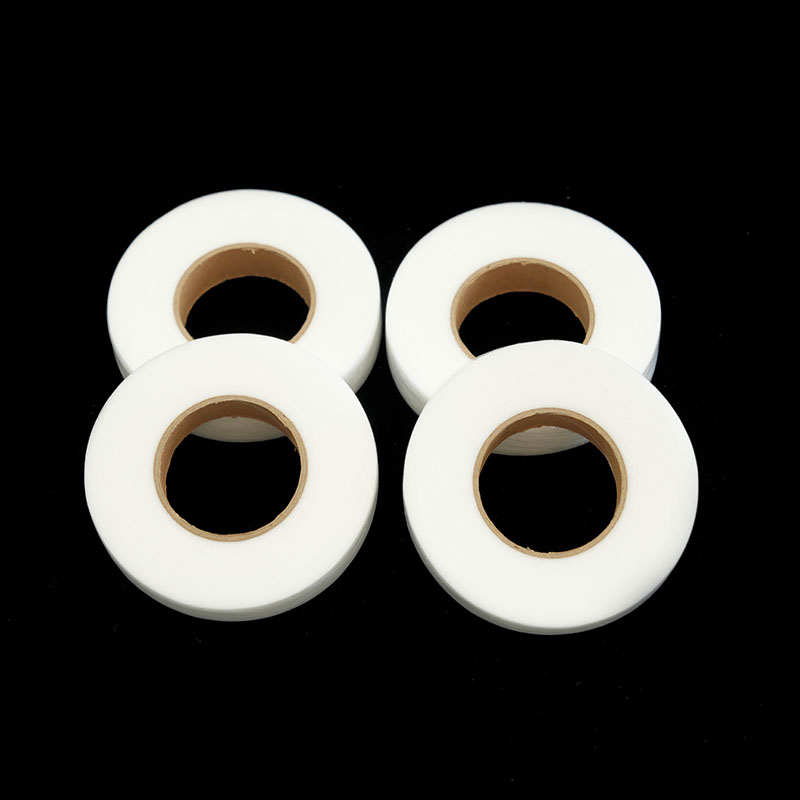
Product Introduction: Conventional cutting disc PA hot melt adhesive web is a hot melt adhesive material manufactured using advanced technology, mainl...
See Details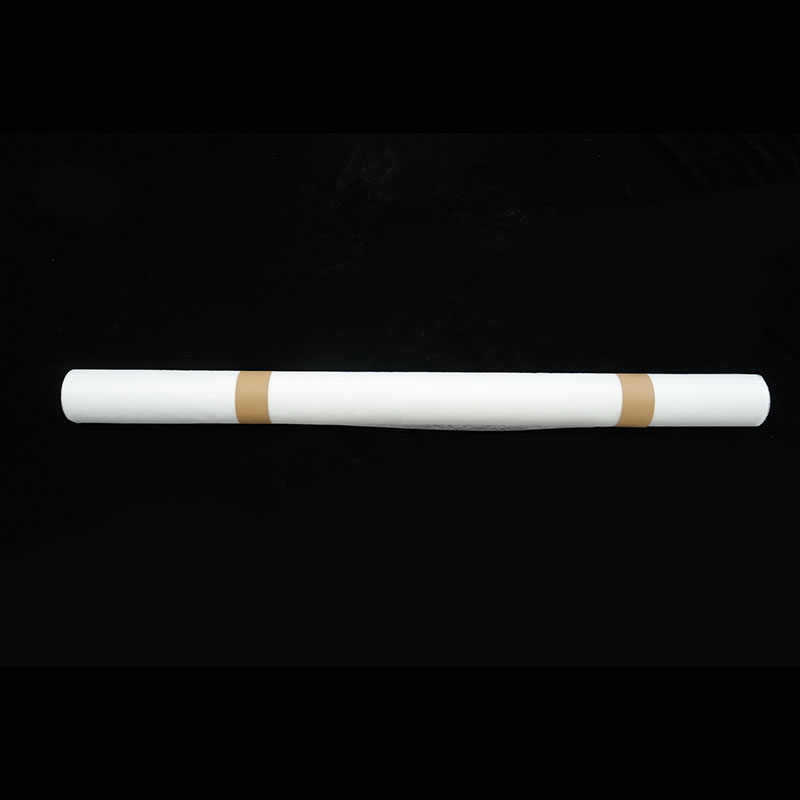
Product Introduction: The whole roll of PA hot melt adhesive web is a special adhesive processed from high-quality thermoplastic polyamide (PA) materi...
See Details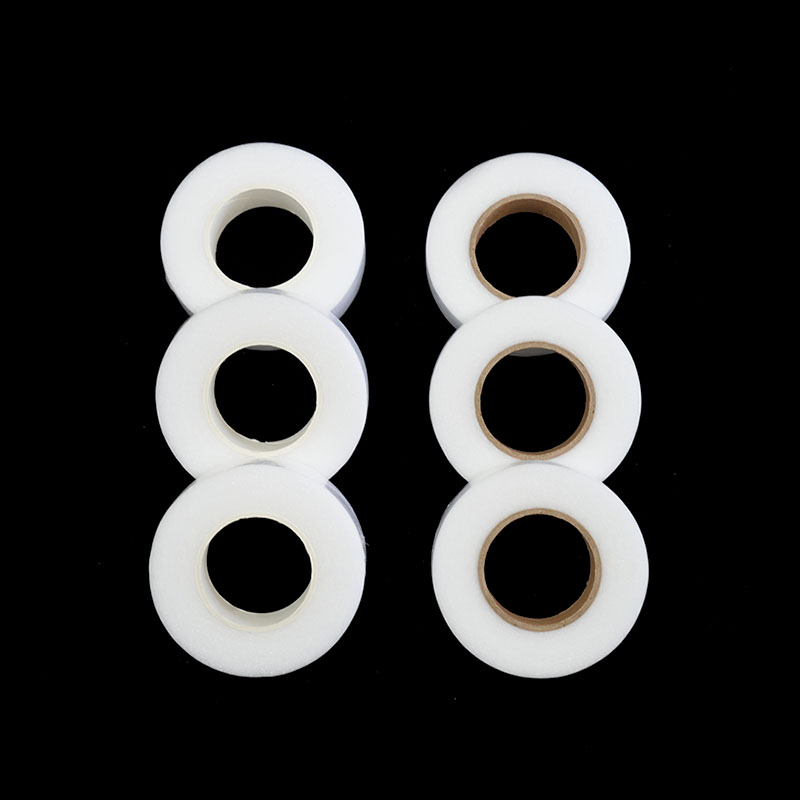
Product Introduction: Small roll cutting disc PA hot melt adhesive web is a high-performance and environmentally friendly hot bonding material designe...
See Details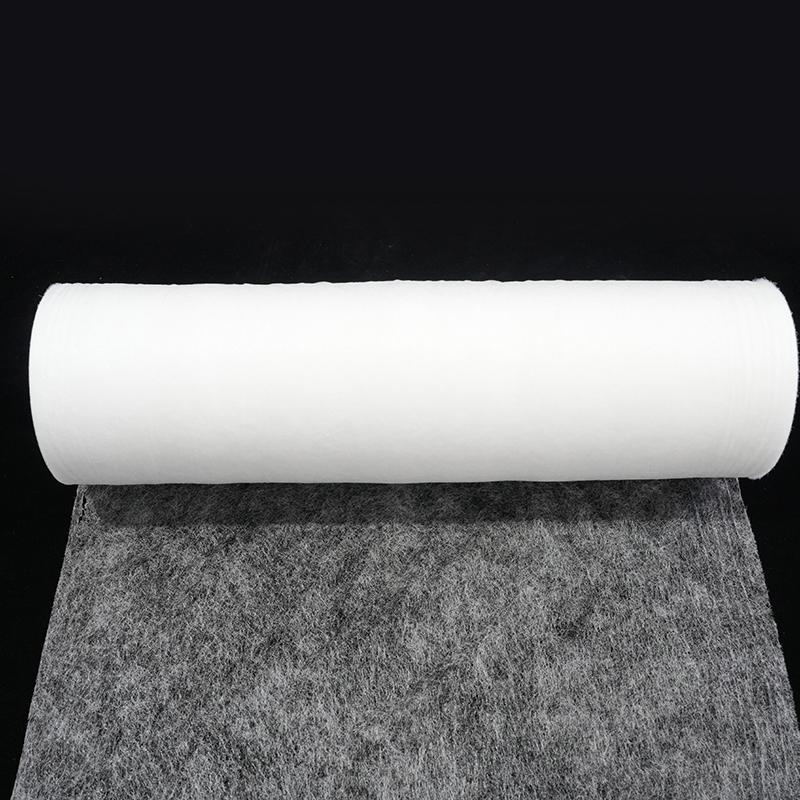
Product Introduction: The whole roll (mother roll) TPU hot melt adhesive web, as a thermoplastic polyurethane (TPU) material that integrates high perf...
See Details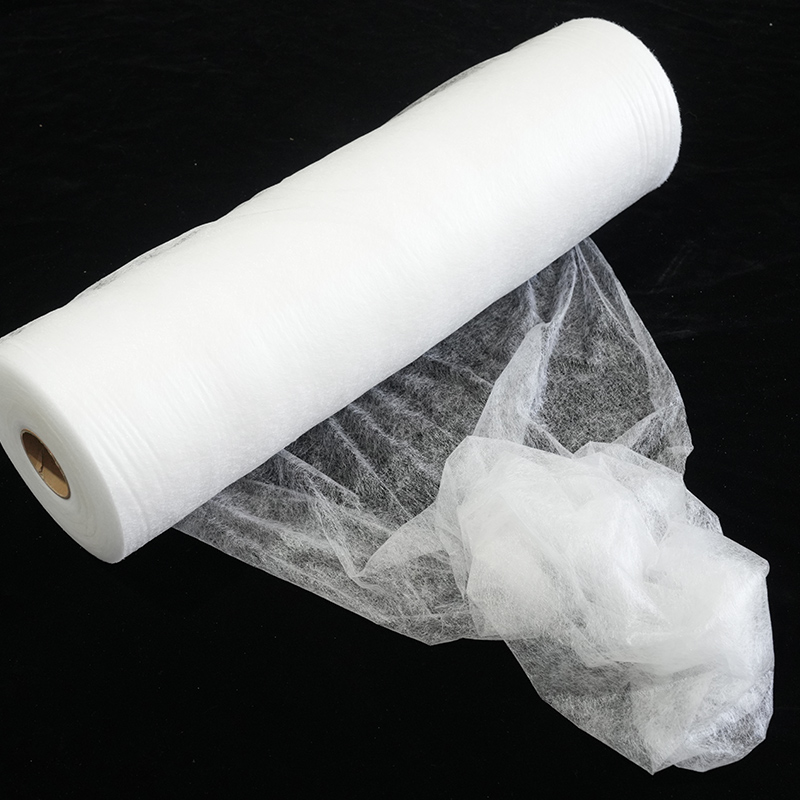
Product Introduction: This high-performance, multi-purpose full roll (mother roll) EVA low-temperature hot melt adhesive web is designed to meet the h...
See Details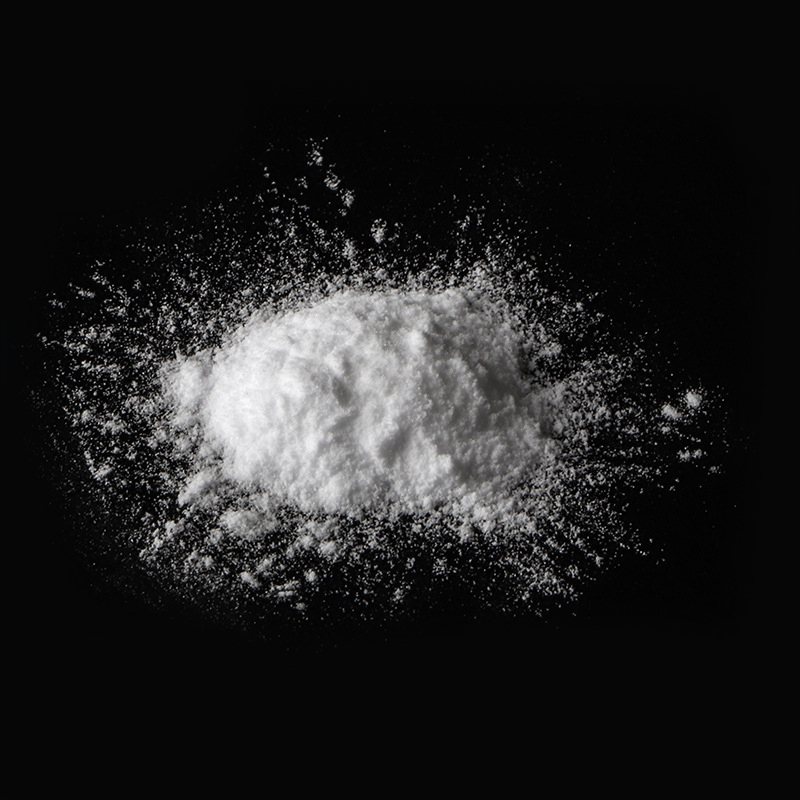
Product Introduction:PES hot melt adhesive powder is a new type of polymer environmentally friendly hot melt adhesive produced through polymerization ...
See Details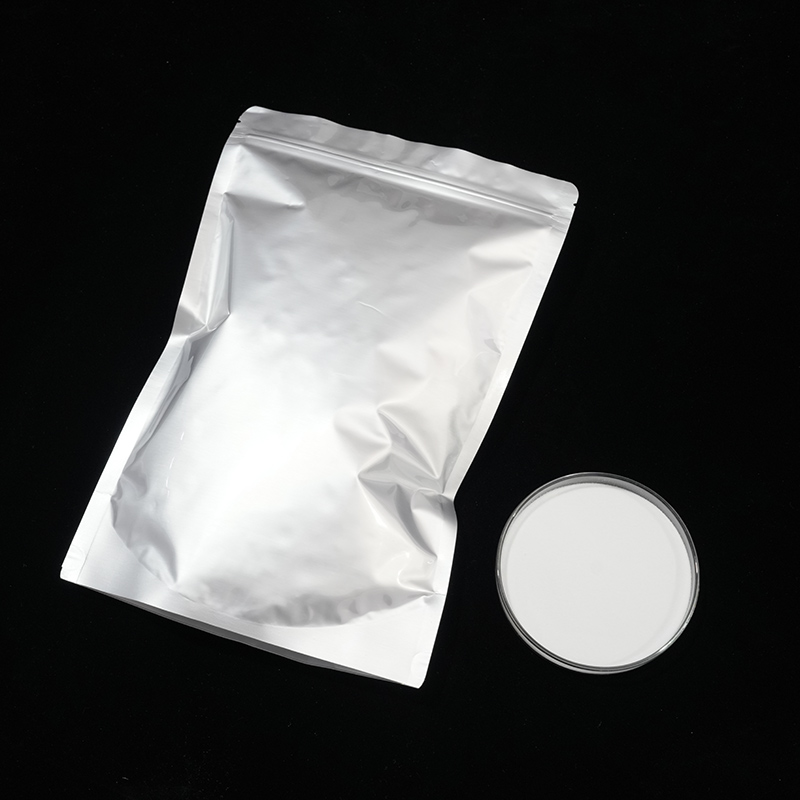
Product Introduction:TPU hot melt adhesive powder, also known as thermoplastic polyurethane hot melt adhesive powder, is a high-performance thermoplas...
See Details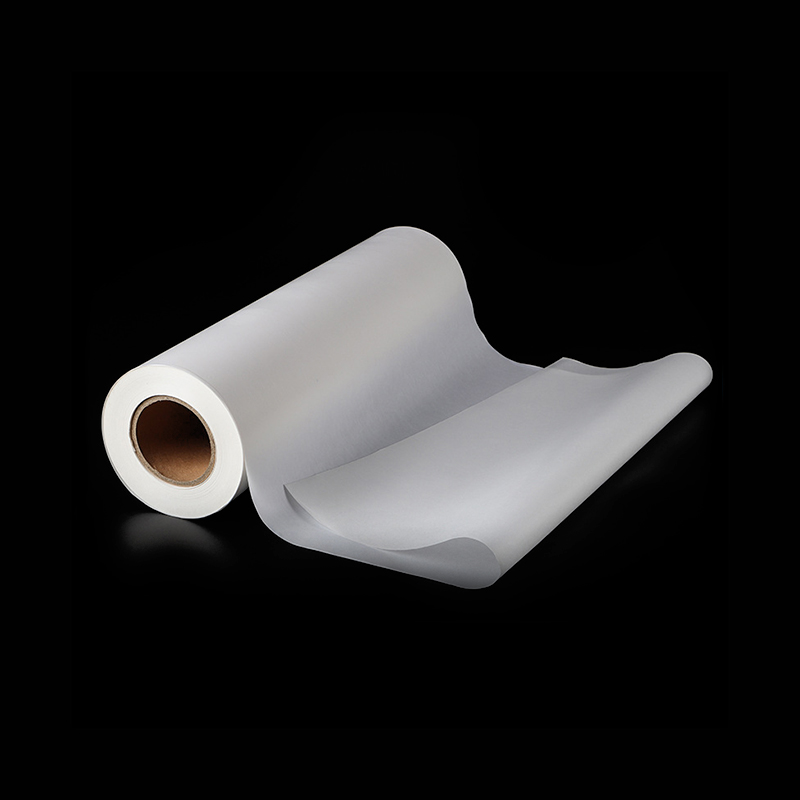
Product Introduction:This TPU hot melt adhesive film with backing paper elasticity has environmentally friendly adhesive properties, which not only pu...
See Details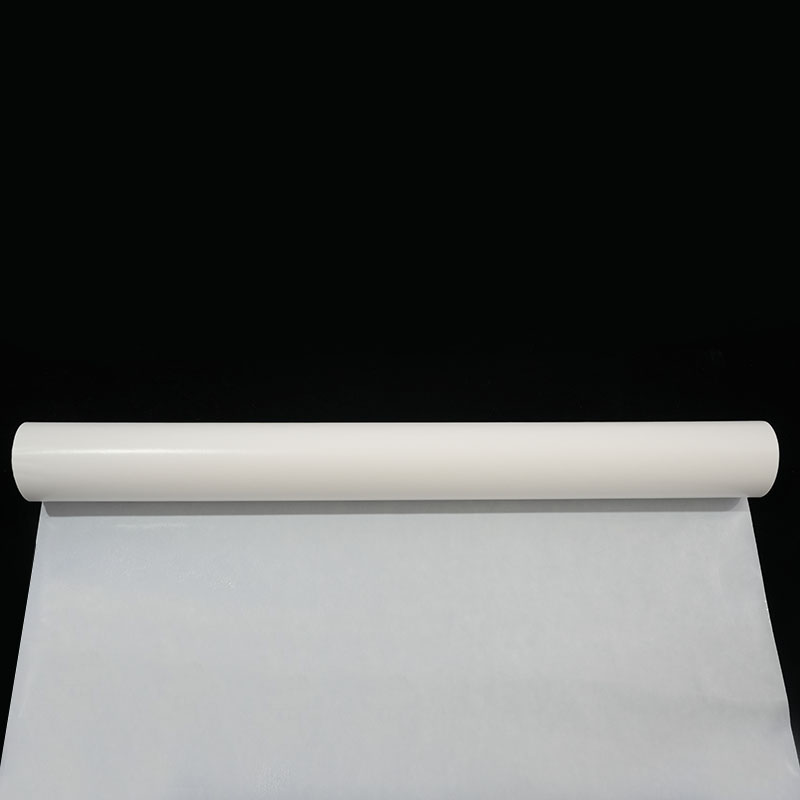
Product Introduction:PES hot melt adhesive film with backing paper is an environmentally friendly adhesive. Through advanced scraping, coating, or blo...
See Details

Contact Us