


 English
 中文简体
中文简体 Español
 عربى
عربى
Conventional cutting disc PA hot melt adhesive web
Cat:PA Hot Melt Adhesive Web
Product Introduction: Conventional cutting disc PA hot melt adhesive web is a hot melt adhesive material manufactured using advanced technology, mainl...
See DetailsViscosity is one of the most critical parameters in determining how Hot Melt Adhesive Powder behaves during processing and bonding. Whether you are working in textiles, packaging, woodworking, or electronics, understanding viscosity helps you select the right adhesive grade — and avoid costly failures.
Content
Viscosity refers to the resistance of a melted adhesive to flow. When Hot Melt Adhesive Powder is heated and transitions into a molten state, its viscosity determines how easily it spreads across a substrate, penetrates surface pores, and forms a uniform bond layer.
Measured in mPa·s (millipascal-seconds) or cP (centipoise) at a defined temperature, viscosity values for Hot Melt Adhesive Powder typically range from a few hundred to tens of thousands of mPa·s depending on the polymer base and formulation.
Low-viscosity Hot Melt Adhesive Powder flows freely and wets substrate surfaces more effectively, allowing the melt to penetrate porous materials such as fabrics, foam, and wood fiber. This maximizes contact area and improves initial tack.
High-viscosity formulations, on the other hand, remain more controlled on the surface and are preferred for non-porous or smooth substrates like film, foil, or plastic where deep penetration is unnecessary or even undesirable.
Viscosity directly affects the cohesive strength of the final bond. A Hot Melt Adhesive Powder with optimized viscosity for a given application creates a dense, defect-free adhesive layer. Too low a viscosity may cause the adhesive to squeeze out under pressure, resulting in a thin, weak bond line. Too high a viscosity may leave air pockets or incomplete contact zones.
During powder scattering or coating processes, the melt viscosity of Hot Melt Adhesive Powder governs how uniformly the material distributes across a surface. Lower viscosity grades process well at lower temperatures, reducing energy consumption. Higher viscosity grades require elevated processing temperatures, which demands more controlled equipment.
Viscosity influences how quickly the molten Hot Melt Adhesive Powder solidifies after application. Lower viscosity adhesives typically have shorter open times and require rapid assembly. Higher viscosity products cool more slowly, offering a longer assembly window — a critical factor in manual or complex bonding operations.
The molecular weight distribution that determines viscosity also impacts flexibility. Lower viscosity Hot Melt Adhesive Powder grades, derived from shorter polymer chains, tend to yield more flexible bonds — important for textile, garment, and automotive interior applications exposed to bending or vibration stress.
The table below summarizes how different viscosity levels affect Hot Melt Adhesive Powder performance across key parameters:
| Parameter | Low Viscosity | Medium Viscosity | High Viscosity |
| Substrate Wetting | Excellent | Good | Limited |
| Bond Strength | Moderate | High | Very High |
| Open Time | Short | Medium | Long |
| Processing Temp | Lower | Medium | Higher |
| Flexibility | High | Medium | Lower |
| Typical Applications | Textiles, nonwovens | Packaging, woodwork | Electronics, structural |
Several variables influence the working viscosity of Hot Melt Adhesive Powder in real production environments:
Selecting the correct viscosity for your Hot Melt Adhesive Powder application requires balancing substrate type, processing equipment, bonding requirements, and end-use environment. Below are practical guidelines:
Choose low-to-medium viscosity Hot Melt Adhesive Powder to ensure the adhesive melts evenly through fabric layers without stiffening the final product. Grades between 500–3,000 mPa·s at 180°C are commonly preferred.
Medium viscosity grades offer a good balance between spreadability and bond line integrity. Hot Melt Adhesive Powder with viscosities in the 3,000–8,000 mPa·s range works well for carton sealing and label bonding.
High viscosity Hot Melt Adhesive Powder is recommended for edge banding, veneering, and profile wrapping — applications where gap-filling and dimensional stability under load are essential.
| Problem | Likely Cause | Recommended Action |
| Adhesive bleed-through on fabric | Viscosity too low / temperature too high | Switch to higher viscosity grade or reduce processing temperature |
| Poor bonding on porous substrate | Viscosity too high / insufficient wetting | Use lower viscosity Hot Melt Adhesive Powder or increase temperature |
| Uneven powder distribution | Inconsistent melt viscosity | Verify storage conditions and check for moisture contamination |
| Bond failure under heat or stress | Wrong viscosity grade for end-use environment | Select a grade matched to the thermal and mechanical demands of the application |
Viscosity is not merely a technical specification — it is the governing parameter that connects the chemistry of Hot Melt Adhesive Powder to real-world performance. From wetting and penetration to bond strength, open time, and flexibility, every critical performance attribute is shaped by viscosity.
Choosing the right viscosity grade of Hot Melt Adhesive Powder for your specific substrate, process, and end-use conditions is the single most effective step toward achieving reliable, high-performance bonding results.
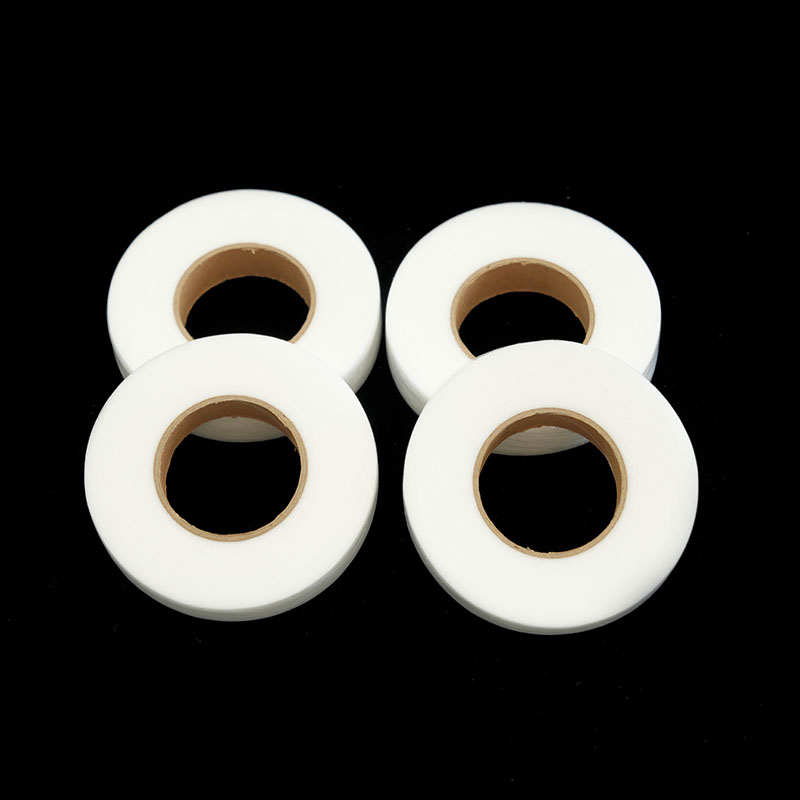
Product Introduction: Conventional cutting disc PA hot melt adhesive web is a hot melt adhesive material manufactured using advanced technology, mainl...
See Details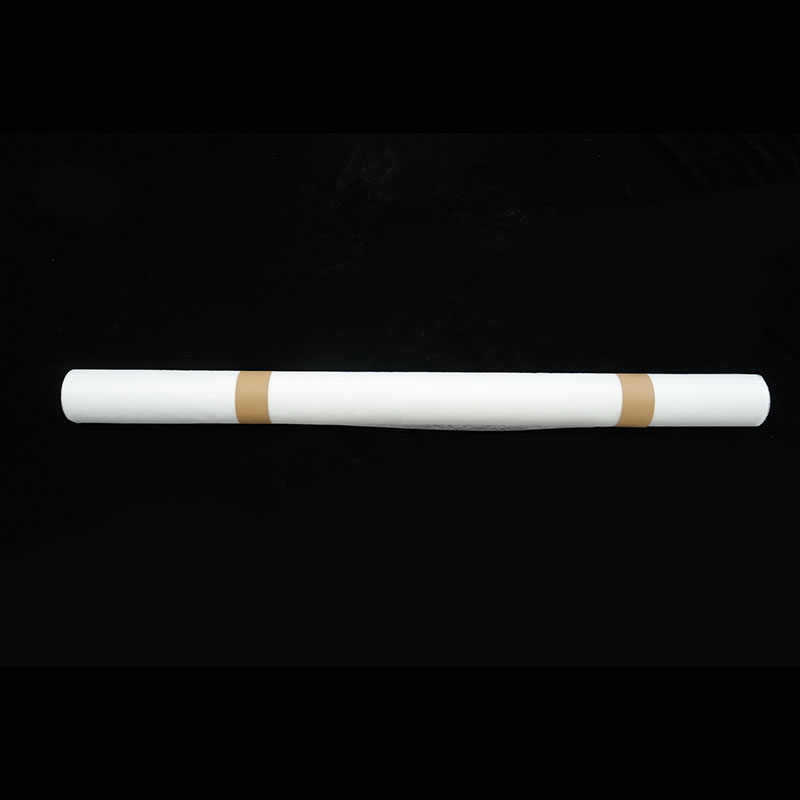
Product Introduction: The whole roll of PA hot melt adhesive web is a special adhesive processed from high-quality thermoplastic polyamide (PA) materi...
See Details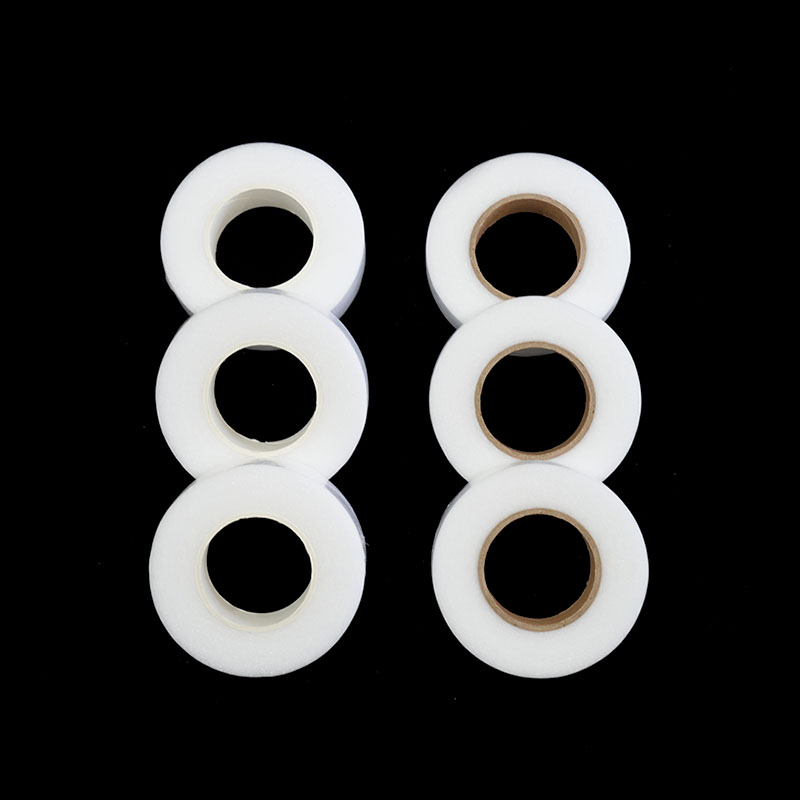
Product Introduction: Small roll cutting disc PA hot melt adhesive web is a high-performance and environmentally friendly hot bonding material designe...
See Details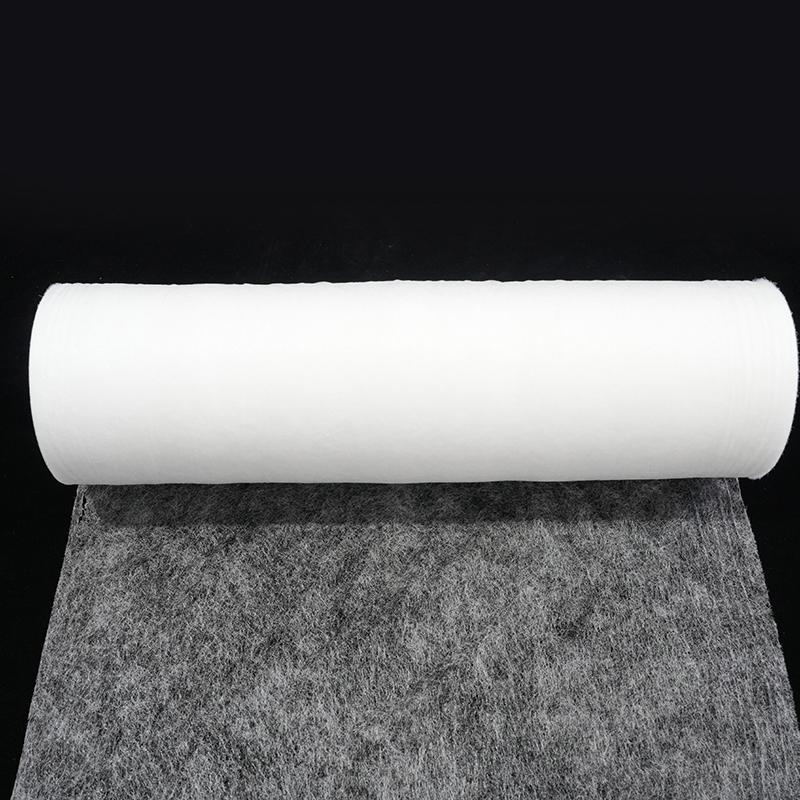
Product Introduction: The whole roll (mother roll) TPU hot melt adhesive web, as a thermoplastic polyurethane (TPU) material that integrates high perf...
See Details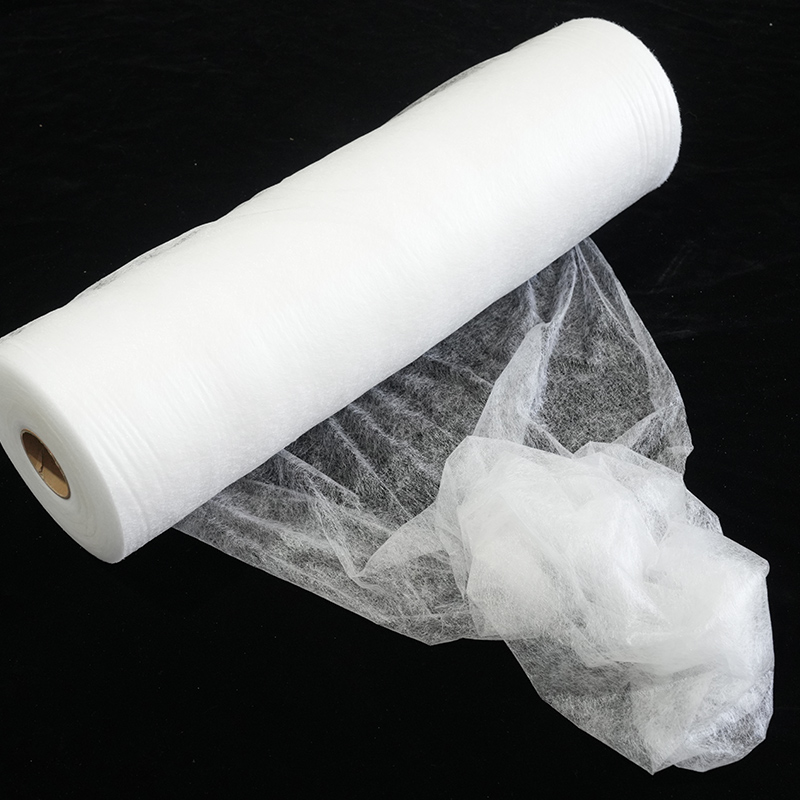
Product Introduction: This high-performance, multi-purpose full roll (mother roll) EVA low-temperature hot melt adhesive web is designed to meet the h...
See Details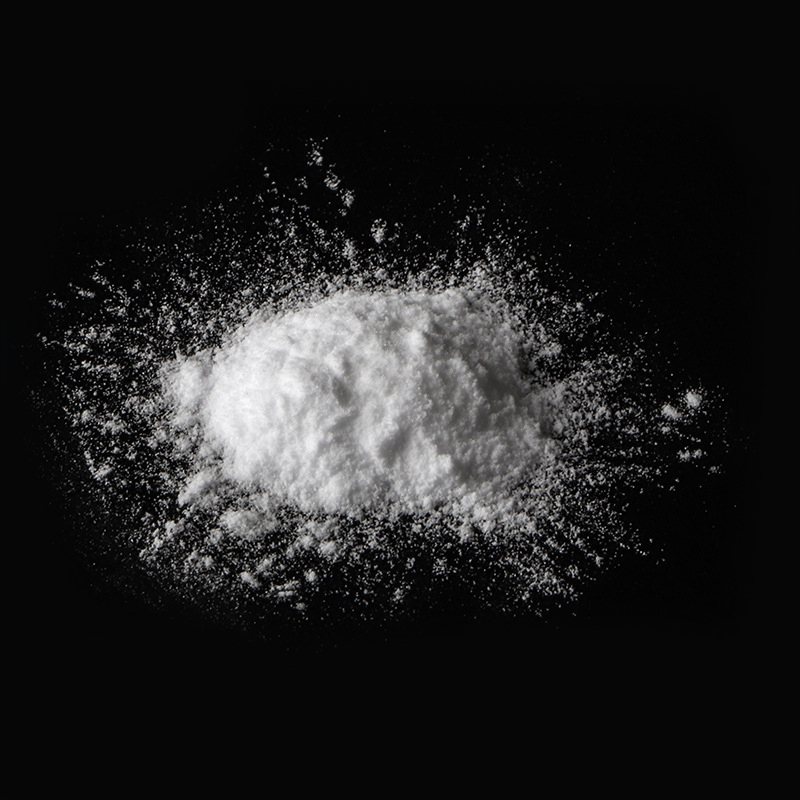
Product Introduction:PES hot melt adhesive powder is a new type of polymer environmentally friendly hot melt adhesive produced through polymerization ...
See Details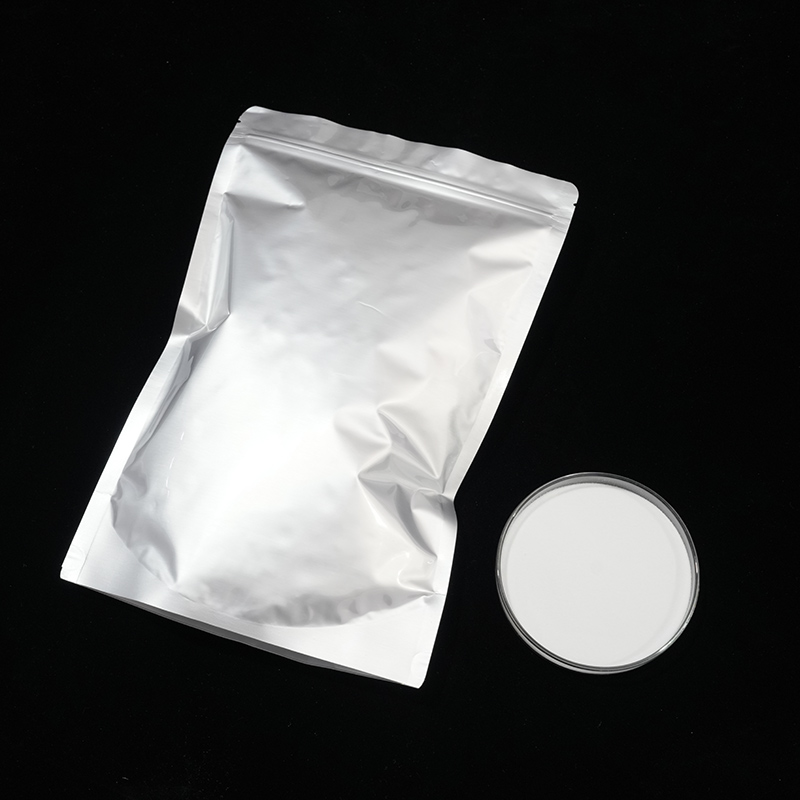
Product Introduction:TPU hot melt adhesive powder, also known as thermoplastic polyurethane hot melt adhesive powder, is a high-performance thermoplas...
See Details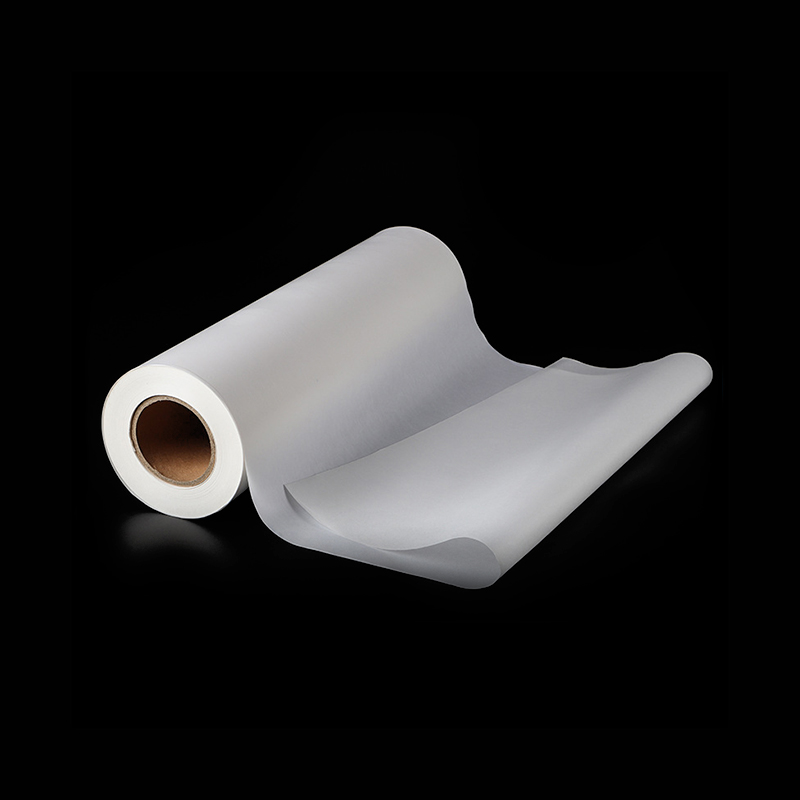
Product Introduction:This TPU hot melt adhesive film with backing paper elasticity has environmentally friendly adhesive properties, which not only pu...
See Details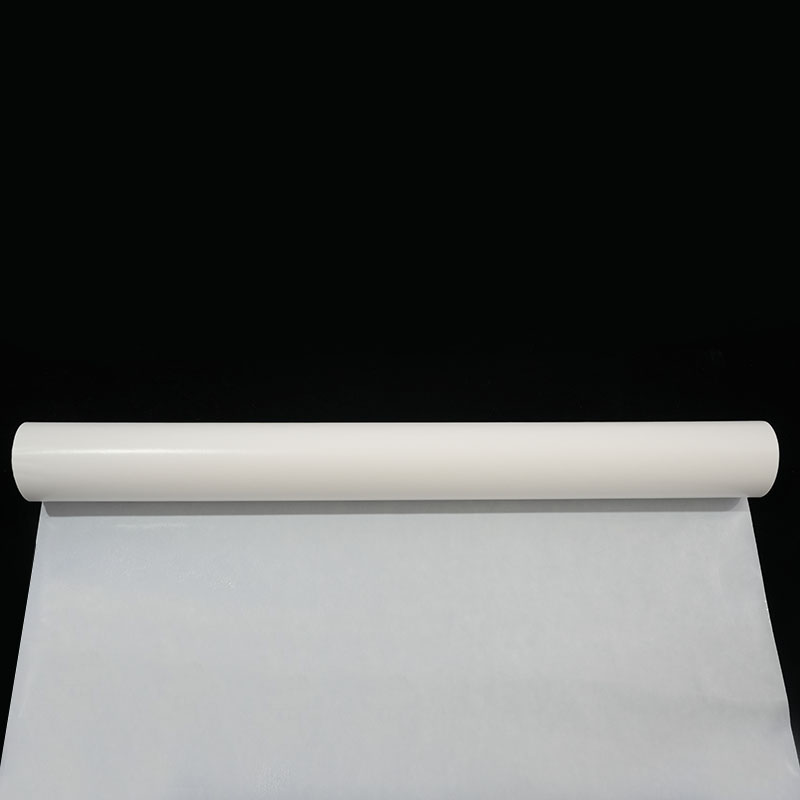
Product Introduction:PES hot melt adhesive film with backing paper is an environmentally friendly adhesive. Through advanced scraping, coating, or blo...
See Details

Contact Us