


 English
 中文简体
中文简体 Español
 عربى
عربى
Conventional cutting disc PA hot melt adhesive web
Cat:PA Hot Melt Adhesive Web
Product Introduction: Conventional cutting disc PA hot melt adhesive web is a hot melt adhesive material manufactured using advanced technology, mainl...
See DetailsQuick Answer: Hot melt adhesive powder is a dry, solid-phase thermoplastic adhesive supplied in fine granular or powdered form, while liquid hot melt adhesive is pre-melted or solvent-dispersed and applied in a fluid state. The two differ fundamentally in physical form, application method, open time, bonding strength, substrate compatibility, and end-use industry. Choosing between them depends on your production process, materials, and performance requirements.
In the world of industrial bonding and textile finishing, adhesives come in many forms — and the distinction between hot melt adhesive powder and liquid hot melt adhesive is more significant than it might first appear. Both rely on heat activation to create bonds, yet they serve different manufacturing needs, suit different substrates, and involve different application equipment.
This guide breaks down every critical dimension of difference — from chemistry and physical state to industrial applications — so you can make an informed selection for your specific use case.
Content
Hot melt adhesive powder (also called thermoplastic adhesive powder or bonding powder) is a solid adhesive material ground into fine particles, typically ranging from 80 to 400 microns in size. It is manufactured from thermoplastic polymers and is entirely free of solvents or water.
Key polymer bases used in hot melt adhesive powder include:
The powder is applied to one or both substrates in a dry state and then activated by heat and pressure — typically through a heat press, roller laminator, or infrared oven. Once melted and cooled, it forms a strong, durable bond.
Liquid hot melt adhesive (often referred to as hot glue in its stick or pellet form, or as reactive hot melt in advanced industrial grades) is an adhesive that is pre-melted and dispensed in a flowable liquid state at elevated temperatures, typically between 120°C and 200°C.
Common polymer systems for liquid hot melt adhesive include:
Liquid hot melt adhesive is dispensed via hot melt glue guns, slot-die coaters, spiral spray systems, or automated dispensing equipment. It bonds on cooling — making it ideal for high-speed automated production lines.
| Comparison Factor | Hot Melt Adhesive Powder | Liquid Hot Melt Adhesive |
| Physical Form | Dry powder / granules (solid at room temp) | Solid pellets/sticks melted to liquid at high temp |
| Application Method | Scattering, sieving, or powder dot coating onto substrate | Dispensing gun, slot die, spray, roller coater |
| Activation | Heat press / iron / hot roller (melts on substrate) | Applied while molten; bonds on cooling |
| Open Time | Can be stored on substrate before activation; longer handling window | Short open time (seconds to minutes); bonds rapidly on cooling |
| Bond Strength | Very strong, especially for textile-to-textile and fabric lamination | Very high; PUR variants achieve structural-grade bonds |
| Coat Weight Control | Precise via mesh screens and powder dot systems | Precise via slot-die and metering systems |
| Solvent / VOC | Zero solvents; 100% solid | Typically zero solvent (except dispersion types) |
| Substrate Suitability | Textiles, nonwovens, foam, leather, paper, light composites | Wood, paper, packaging, plastics, metal, textiles |
| Equipment Cost | Moderate (scatter coater, heat press) | Low (glue guns) to high (industrial dispensing systems) |
| Production Speed | Moderate; good for batch and continuous fabric lines | Very fast; ideal for high-speed automated lines |
| Storage | Easy; cool and dry conditions; long shelf life | Easy for pellets/sticks; PUR requires sealed packaging |
| Typical Industries | Apparel, technical textiles, shoe uppers, automotive trim | Packaging, woodworking, bookbinding, electronics, hygiene products |
| Washability | Excellent (PU/PA grades) — standard for garment use | Varies; PUR grades are wash-resistant |
| Flexibility After Bond | High (especially PU-based); does not stiffen soft substrates | Varies — EVA can be rigid; PUR offers flexibility |
The powder application process typically follows these steps:
In garment manufacturing, hot melt adhesive powder — particularly polyurethane-based powder — is formulated to withstand repeated laundering at 40°C, 60°C, and even 95°C wash cycles. This makes it the preferred choice for fusible interlinings and bonded seam tape in performance apparel. Liquid HMA products, unless specifically formulated as PUR reactive hot melt, may not offer the same level of wash durability.
Polyamide hot melt powder offers outstanding heat resistance, making it suitable for under-hood automotive applications and high-temperature textiles. Liquid PUR hot melt similarly provides excellent heat resistance after moisture curing, with heat resistance values often exceeding 120°C. EVA-based liquid hot melts, by contrast, may soften above 80°C.
One of the most important properties in textile adhesive bonding is preserving the flexibility and drape of the bonded material. Hot melt adhesive powder, applied at low coat weights (5–30 g/m²), maintains the soft hand-feel and drape of fabrics. Liquid hot melt, when applied as a continuous coat or thick bead, can reduce flexibility — though spiral spray and foam application techniques minimize this effect.
Both hot melt adhesive powder and liquid hot melt adhesive are solvent-free systems, making them significantly more environmentally friendly than solvent-based adhesives. Key considerations include:
| Factor | Powder HMA | Liquid HMA |
| VOC Emissions | None | Minimal (hot melt fumes at application temperature) |
| Inhalation Risk | Dust management required during handling | Fume management at melt temperatures |
| Recyclability | Thermoplastic — re-meltable and recyclable in some systems | Thermoplastic (re-meltable); PUR is thermoset once cured |
| Biodegradability | Bio-based grades available (e.g. bio-PA, bio-PES) | Bio-based options emerging for EVA and polyolefin types |
Use this decision framework to guide your selection:
Choose Hot Melt Adhesive Powder if:
Choose Liquid Hot Melt Adhesive if:
Q1: Can hot melt adhesive powder be used as a substitute for liquid hot melt adhesive?
Not directly. They require different equipment and are optimized for different substrates. Hot melt adhesive powder needs a heat press or lamination system, while liquid hot melt needs a dispensing unit. Substitution is not straightforward without process changes.
Q2: Is hot melt adhesive powder safe for skin contact in garments?
Yes — most hot melt adhesive powders used in apparel comply with OEKO-TEX Standard 100 and REACH regulations, meaning they are safe for skin contact. Always verify the specific product's certification with your supplier.
Q3: Which has stronger bonding — powder or liquid hot melt?
It depends on the application. For textile lamination, well-chosen powder adhesive can equal or exceed liquid in wash and peel strength. For structural rigid bonding (wood, plastic, metal), PUR liquid hot melt typically delivers superior bond strength due to moisture-cure crosslinking.
Q4: What particle size is best for hot melt adhesive powder?
For fine fabrics and low coat weights, 80–150 micron powder is preferred for even distribution. For heavier lamination, 200–400 micron grades provide higher adhesive volume per unit area. The right particle size depends on the substrate porosity and required coat weight (g/m²).
Q5: Can hot melt adhesive powder be used for waterproof seam sealing?
Yes. Polyurethane hot melt adhesive powder and thermoplastic polyurethane (TPU) seam tape derived from powder coating are widely used in waterproof garments, outdoor gear, and protective clothing to create airtight, watertight seams that pass hydrostatic head tests above 10,000 mm.
Q6: Does liquid hot melt adhesive work on fabrics?
Yes, but it requires careful selection. Spiral spray or meltblown liquid hot melt can be applied to fabrics with minimal strike-through. However, for delicate or sheer textiles, hot melt adhesive powder generally preserves hand-feel better because the adhesive is discretely distributed rather than forming a continuous film.
Q7: How is hot melt adhesive powder stored?
Hot melt adhesive powder should be stored in a cool, dry environment below 25°C, away from direct sunlight and moisture. Sealed packaging is essential to prevent moisture absorption (especially for polyamide and polyurethane powders) and caking. Typical shelf life is 12–24 months under proper conditions.
Hot melt adhesive powder and liquid hot melt adhesive are both powerful bonding solutions — but they occupy distinct roles in industrial manufacturing. Powder adhesive is the material of choice when bonding flexible substrates, preserving textile properties, and requiring wash-resistant performance. Liquid hot melt dominates in high-speed rigid assembly lines, packaging, and structural bonding where throughput and immediate green strength are paramount.
The decision ultimately comes down to your substrate, process equipment, production speed requirements, and the specific adhesive performance properties — such as washability, flexibility, or heat resistance — that your application demands. Consulting with an adhesive specialist or requesting trial samples is always recommended before committing to a full production run.
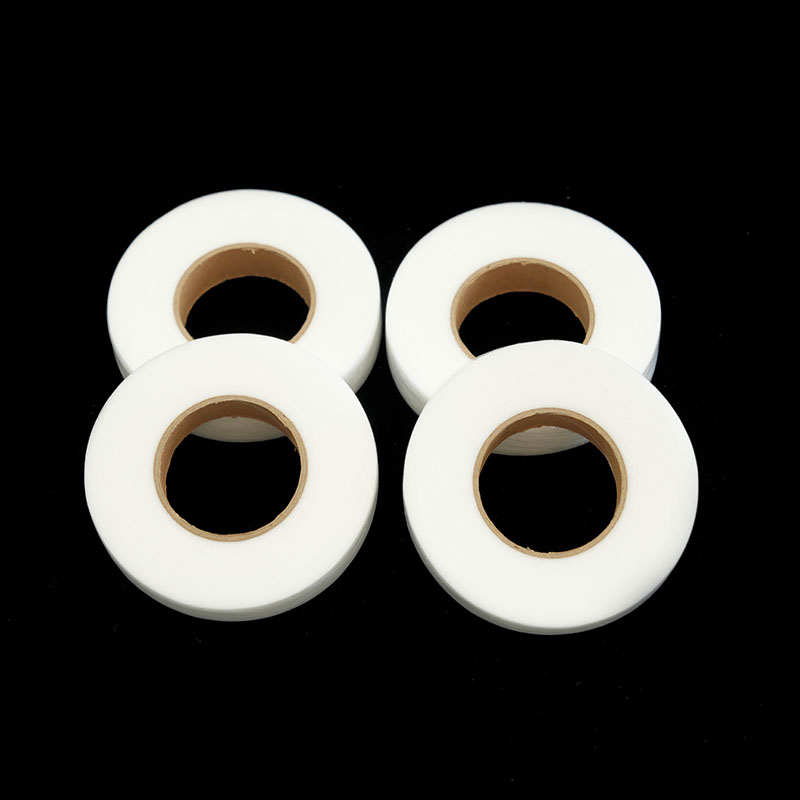
Product Introduction: Conventional cutting disc PA hot melt adhesive web is a hot melt adhesive material manufactured using advanced technology, mainl...
See Details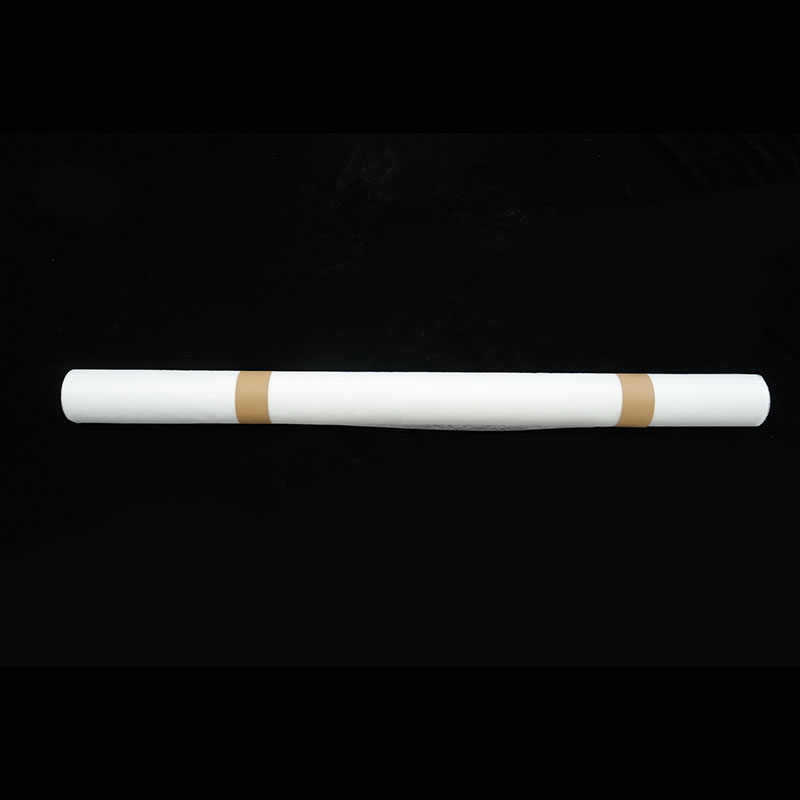
Product Introduction: The whole roll of PA hot melt adhesive web is a special adhesive processed from high-quality thermoplastic polyamide (PA) materi...
See Details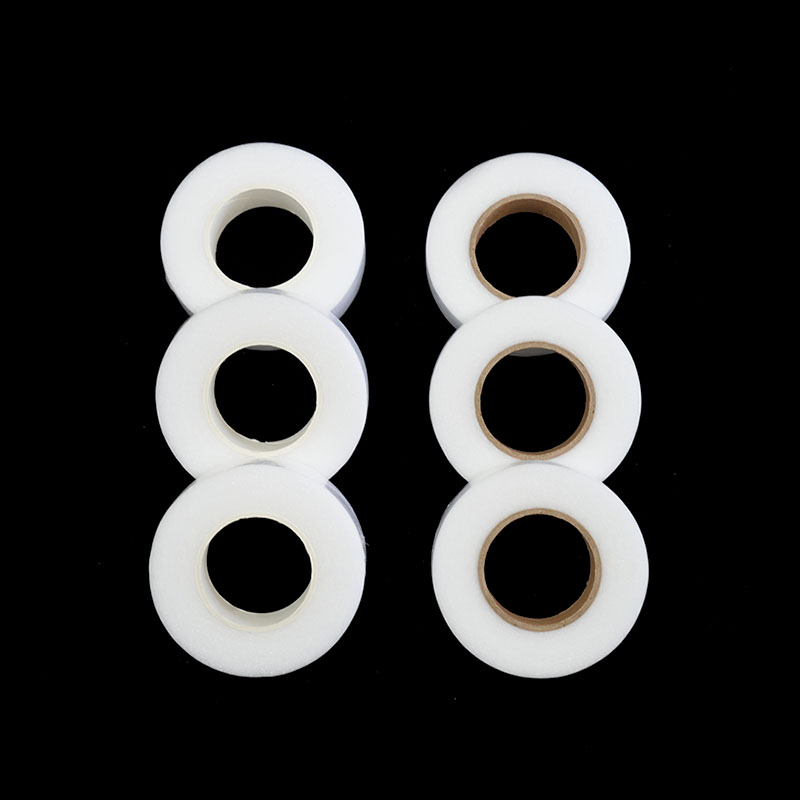
Product Introduction: Small roll cutting disc PA hot melt adhesive web is a high-performance and environmentally friendly hot bonding material designe...
See Details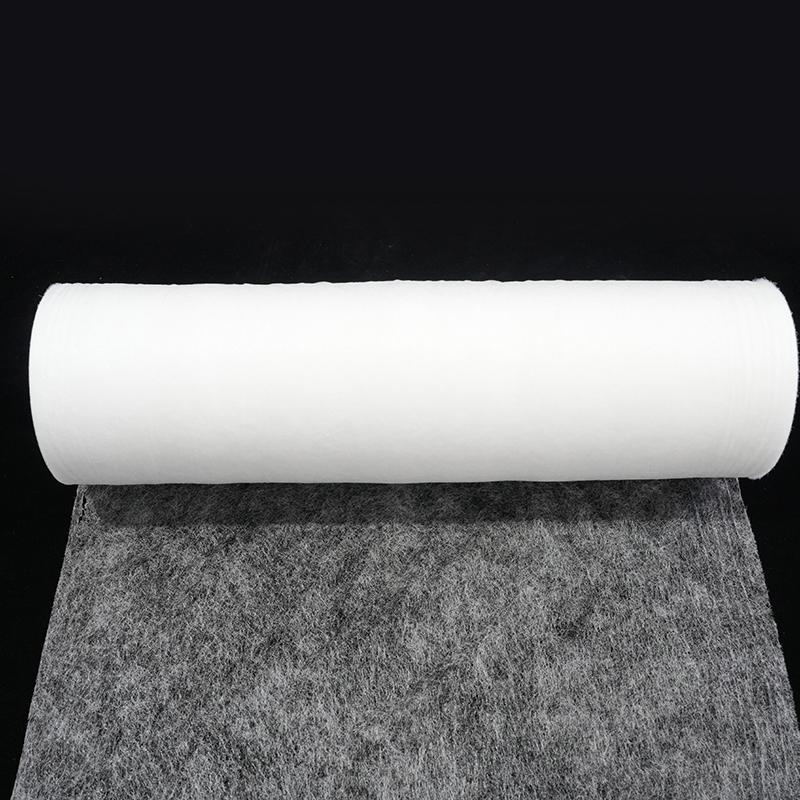
Product Introduction: The whole roll (mother roll) TPU hot melt adhesive web, as a thermoplastic polyurethane (TPU) material that integrates high perf...
See Details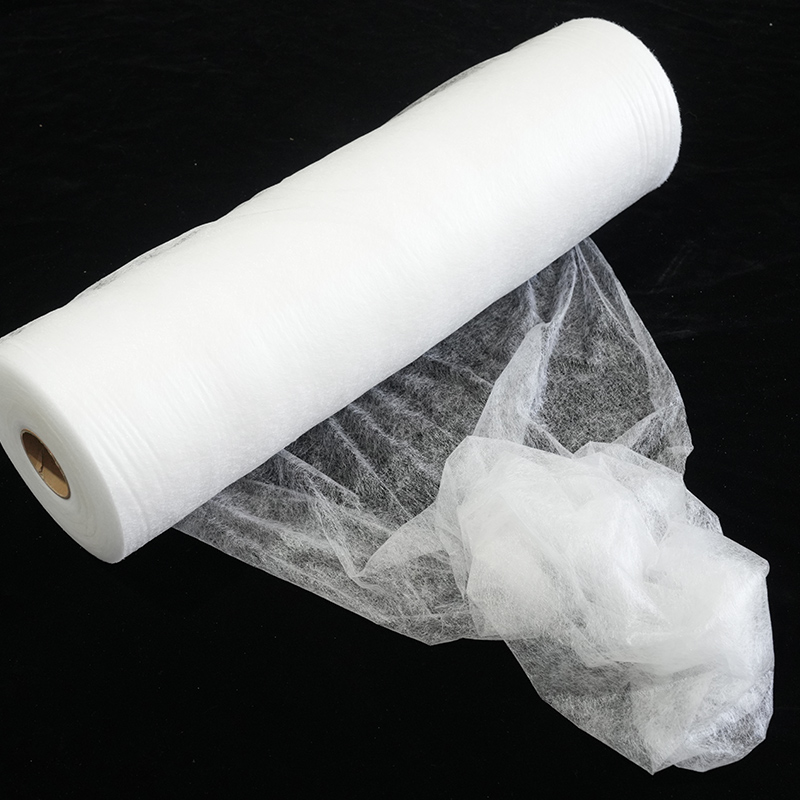
Product Introduction: This high-performance, multi-purpose full roll (mother roll) EVA low-temperature hot melt adhesive web is designed to meet the h...
See Details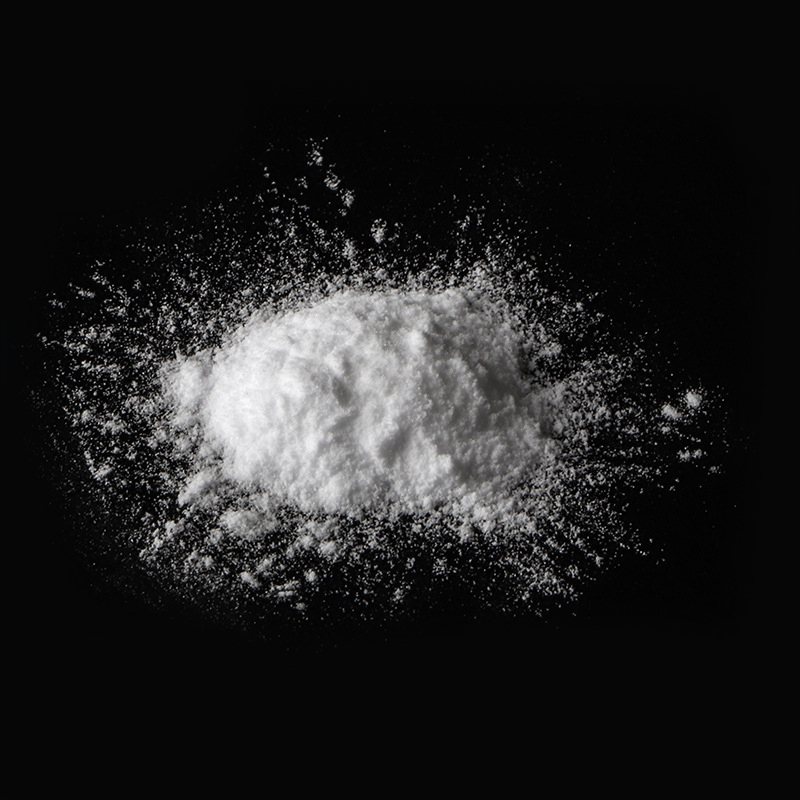
Product Introduction:PES hot melt adhesive powder is a new type of polymer environmentally friendly hot melt adhesive produced through polymerization ...
See Details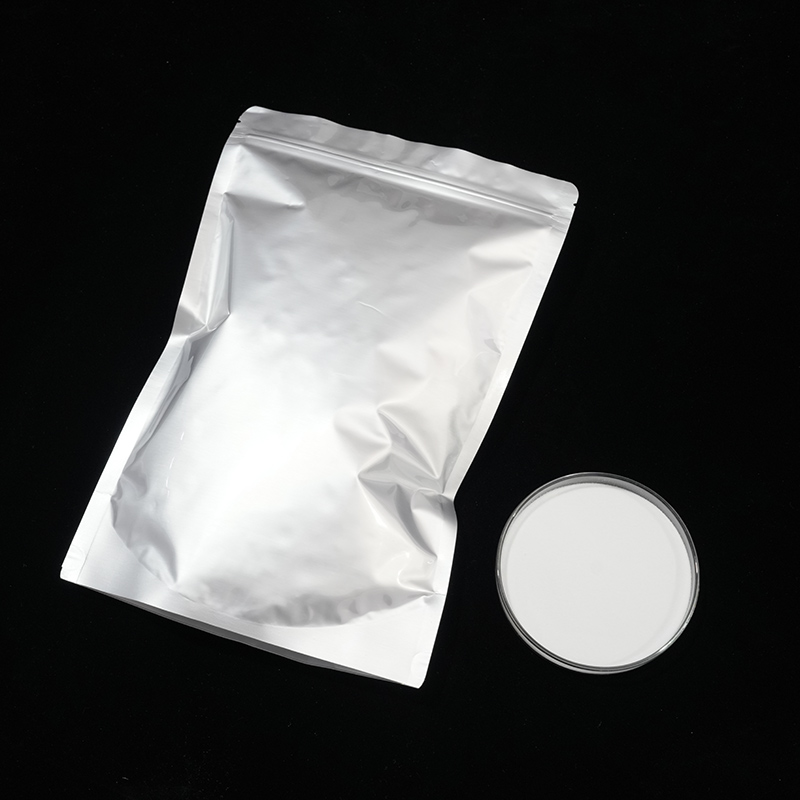
Product Introduction:TPU hot melt adhesive powder, also known as thermoplastic polyurethane hot melt adhesive powder, is a high-performance thermoplas...
See Details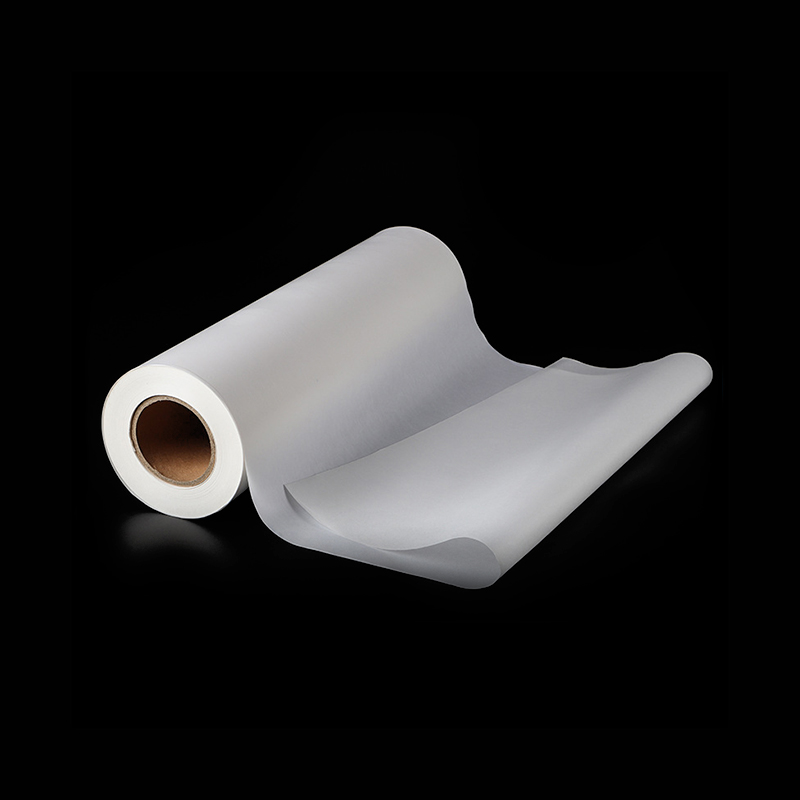
Product Introduction:This TPU hot melt adhesive film with backing paper elasticity has environmentally friendly adhesive properties, which not only pu...
See Details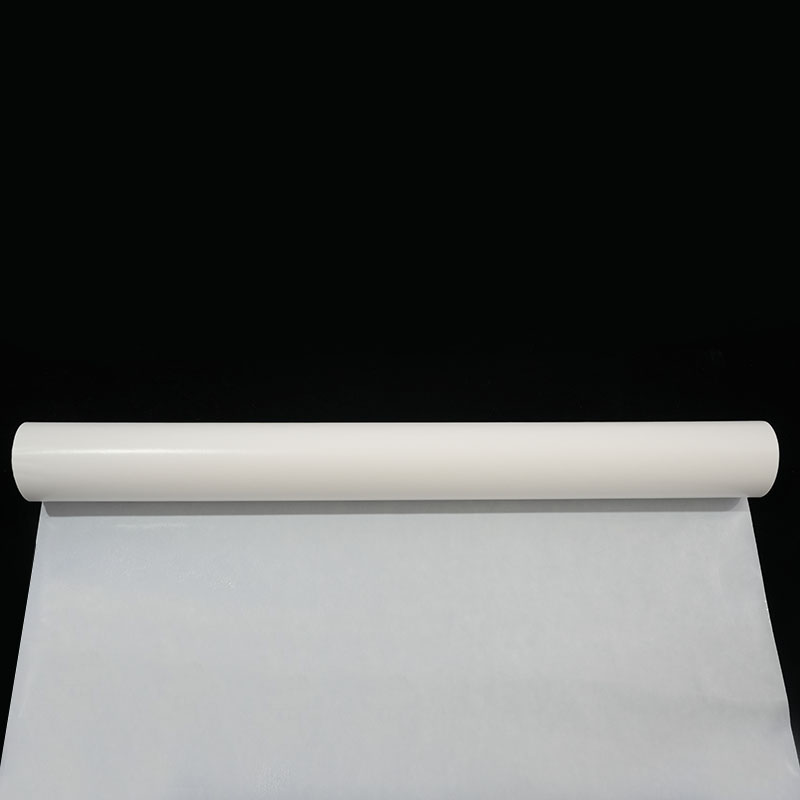
Product Introduction:PES hot melt adhesive film with backing paper is an environmentally friendly adhesive. Through advanced scraping, coating, or blo...
See Details

Contact Us