


 English
 中文简体
中文简体 Español
 عربى
عربى
Conventional cutting disc PA hot melt adhesive web
Cat:PA Hot Melt Adhesive Web
Product Introduction: Conventional cutting disc PA hot melt adhesive web is a hot melt adhesive material manufactured using advanced technology, mainl...
See DetailsHot melt adhesive powder is applied in shoe manufacturing primarily through heat activation and pressure bonding. The powder is scattered or coated onto fabric, insoles, or toe-cap materials, then activated by heat (typically 100–160°C) to create a strong, flexible bond between shoe components—without the need for solvent-based adhesives.
The global footwear industry has undergone a significant materials revolution over the past two decades. Among the most transformative innovations is the widespread adoption of hot melt adhesive powder—a thermoplastic bonding material that delivers superior bonding strength, process efficiency, and environmental compliance. From athletic sneakers to luxury leather dress shoes, hot melt adhesive powder has become an essential component in modern shoe manufacturing workflows.
This article provides a comprehensive overview of what hot melt adhesive powder is, how it is applied across different stages of shoe production, the techniques involved, and why it outperforms traditional bonding methods in many key areas.
Content
Hot melt adhesive powder is a thermoplastic polymer-based adhesive supplied in fine granular or powder form. Unlike traditional liquid glues or solvent-based adhesives, it remains solid at room temperature and becomes adhesive only when heated to its activation temperature. Once cooled, it re-solidifies to form a durable, flexible bond.
Common base polymers include:
The powder form allows it to be uniformly distributed, easily stored, and processed using a range of industrial methods including scatter coating, calendering, and sintering.
There are several distinct methods through which hot melt adhesive powder is applied in footwear production. Each method is suited to specific shoe components and production requirements.
Scatter coating is the most commonly used method for applying hot melt adhesive powder to flat fabrics. A mechanical scatter coater distributes the powder evenly across a moving fabric substrate. The coated fabric then passes through an infrared or hot-air oven that sinters the powder particles, anchoring them to the surface without fully melting them into a film.
Application areas in shoe manufacturing:
In dot coating, the hot melt adhesive powder is applied through an engraved roller that creates a precise pattern of adhesive dots on the material surface. This method offers higher precision and is especially useful when bonding two dissimilar materials that require a breathable bond (e.g., mesh fabric + foam insole).
Advantages:
In some applications, hot melt adhesive powder is first converted into a thin web or film through a sintering and calendering process. This adhesive film is then used as an interlayer when laminating two shoe components together using heat and pressure.
This approach is common in luxury footwear, where appearance uniformity and thin-profile bonding are priorities—such as in leather upper lining lamination or textile-to-foam bonding.
Rigid shoe components such as toe caps and counters are sometimes coated using a fluidized bed process. The component is pre-heated and then dipped into a chamber where hot melt adhesive powder is suspended in air. The powder adheres uniformly to the heated surface, creating a complete coating layer. Upon activation under heat and pressure, the coated component bonds securely to the surrounding upper material.
In certain automated production lines, particularly for athletic and performance footwear, hot melt adhesive powder is used alongside injection or compression molding of midsoles. The powder is activated to bond foam layers or structural components during the molding cycle itself, saving processing steps.
To understand the practical workflow, here is a detailed step-by-step example of how hot melt adhesive powder is applied in insole lamination:
Different parts of the shoe require different bonding characteristics. The following table summarizes typical applications of hot melt adhesive powder across key shoe components:
| Shoe Component | Adhesive Type | Application Method | Key Requirement |
| Insole Lamination | EVA / PA Powder | Scatter Coating | Softness, comfort |
| Toe Cap / Counter | PA / PES Powder | Fluidized Bed / Scatter | Stiffness, heat resistance |
| Upper Lining | APAO / EVA Powder | Dot Coating / Web Film | Breathability, soft hand |
| Sole-to-Upper Bond | PU / PA Powder | Film Lamination | High peel strength, durability |
| Foam Padding | EVA Powder | Scatter Coating | Flexibility, cushioning |
| Tongue & Collar Lining | APAO / PES Powder | Dot or Web Coating | Comfort, shape retention |
To appreciate the value of hot melt adhesive powder, it is important to compare it against traditional bonding methods still used in some parts of the industry:
| Criteria | Hot Melt Adhesive Powder | Solvent-Based Adhesive | Water-Based Adhesive |
| Environmental Impact | No VOCs, eco-friendly | High VOC emissions | Low VOCs |
| Bond Strength | High peel & shear strength | Very high | Moderate |
| Processing Speed | Fast (seconds to bond) | Requires drying time | Slow (needs drying) |
| Worker Safety | Non-toxic powder | Inhalation hazards | Relatively safe |
| Storage | Long shelf life, stable | Flammable, regulated | Safe storage |
| Automation Compatibility | Highly automatable | Partial automation | Moderate |
| Cost Efficiency | Low waste, efficient use | Waste from brushing | Energy cost for drying |
| Re-activation | Can be re-activated by heat | Permanent once set | Permanent once set |
Based on this comparison, hot melt adhesive powder clearly leads in environmental compliance, speed, and automation compatibility—making it the preferred choice for modern, high-volume shoe manufacturing operations.
Automated scatter coating and dot coating machines apply hot melt adhesive powder with consistent grammage across large fabric widths. This eliminates the inconsistencies common with manual brush application of liquid adhesives, leading to uniform bond quality across every pair of shoes.
With increasingly strict global regulations on volatile organic compounds (VOCs) and hazardous chemicals in consumer goods, hot melt adhesive powder offers a compliant alternative to solvent-based products. It contains no harmful solvents, requires no ventilation hoods, and is compatible with REACH, RoHS, and OEKO-TEX® standard requirements—essential for brands selling in European and North American markets.
The instantaneous bonding (upon heat + pressure activation) and elimination of drying time dramatically accelerates production line throughput. In high-volume factories, this can translate to 20–35% faster cycle times compared to water-based adhesive systems that require prolonged drying tunnels.
The flexible nature of thermoplastic hot melt adhesive powder—especially PU and EVA grades—means bonded shoe components flex naturally with foot movement, resisting delamination and cracking even under repeated stress. This is particularly critical in athletic footwear where dynamic flex life can exceed 100,000 cycles.
Selecting the correct hot melt adhesive powder involves evaluating several key parameters:
Working with your adhesive powder supplier to conduct bonding trials on actual production substrates is strongly recommended before committing to a formulation for large-scale production.
The footwear industry's push toward sustainability is accelerating the adoption of hot melt adhesive powder in several key directions:
New generations of hot melt adhesive powder are being developed using bio-based raw materials (e.g., castor oil-derived polyamides) that reduce dependence on petrochemicals while maintaining performance. Additionally, thermoplastic powders are inherently more compatible with shoe recycling initiatives, since bonded components can be re-separated by heat—enabling material recovery at end of product life.
Brands investing in mono-material shoe designs (where all components are made from a single polymer type for easier recycling) rely on compatible hot melt adhesive powder based on the same polymer family as the shoe components—ensuring the adhesive doesn't contaminate the recyclate stream.
Modern scatter coating machines equipped with IoT sensors can precisely monitor and control powder application weight in real time, feeding data into manufacturing execution systems (MES). This level of process control—made possible by the powder form of the adhesive—is simply not achievable with liquid adhesive systems.
Activation temperatures vary by polymer type. EVA-based powders typically activate at 80–110°C, PA powders at 120–160°C, and PU powders at 100–140°C. The exact temperature should be verified with your adhesive supplier and calibrated to your specific heat press or lamination equipment.
Yes. Polyamide-based hot melt adhesive powder is particularly effective for bonding leather to linings or stiffeners. The key is ensuring the leather surface is clean and free from release agents or waxes that might inhibit adhesion. A primer treatment may sometimes be required for full-grain leather.
Compared to solvent-based adhesives, hot melt adhesive powder is significantly safer. It contains no solvents or VOCs. Standard industrial hygiene practices—including dust masks when handling dry powder and avoiding inhalation of fumes during heat activation—are recommended. Most formulations comply with REACH and do not contain restricted substances.
Performance depends on the polymer type. PU-based powders offer excellent resistance to moisture and sweat, making them ideal for athletic footwear insoles. EVA-based powders may soften slightly at elevated humidity. PA powders can absorb minor moisture but maintain structural integrity. For wet-environment applications, always specify moisture-resistant grades and test under relevant conditions.
For insole lamination, a typical application weight of 20–35 g/m² is commonly used, depending on the porosity of the fabric and the required bond strength. Lighter fabrics and breathable applications may use 10–20 g/m² with dot coating. Heavy-duty bonding for structural components may require 40–60 g/m².
Yes, and this is an area of growing importance. Hot melt adhesive powder can bond effectively with recycled PET fabrics, recycled rubber soles, and reclaimed foam materials used in sustainable footwear lines. Compatibility testing is recommended, as recycled materials may have surface variations that affect bonding.
Store in a cool, dry environment (below 25°C and below 60% relative humidity) in sealed bags or containers. Avoid exposure to moisture, which can cause clumping or premature activation. Most grades have a shelf life of 12–24 months when stored properly. Always check the manufacturer's recommended storage conditions.
Hot melt adhesive powder has established itself as a cornerstone technology in modern shoe manufacturing. Its versatility across different shoe components and bonding applications—combined with its environmental advantages, processing efficiency, and compatibility with automation—make it the adhesive system of choice for footwear manufacturers striving to meet today's quality, sustainability, and production demands.
Whether you are laminating insoles, bonding toe stiffeners, reinforcing uppers, or constructing sustainable mono-material footwear, the right formulation of hot melt adhesive powder delivers the performance and reliability that modern shoe manufacturing requires.
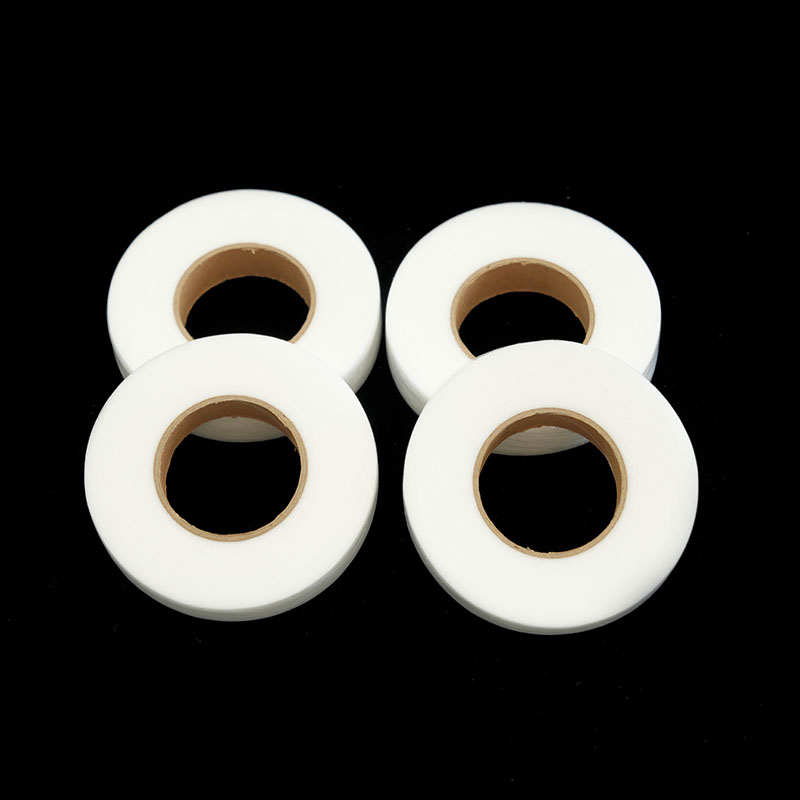
Product Introduction: Conventional cutting disc PA hot melt adhesive web is a hot melt adhesive material manufactured using advanced technology, mainl...
See Details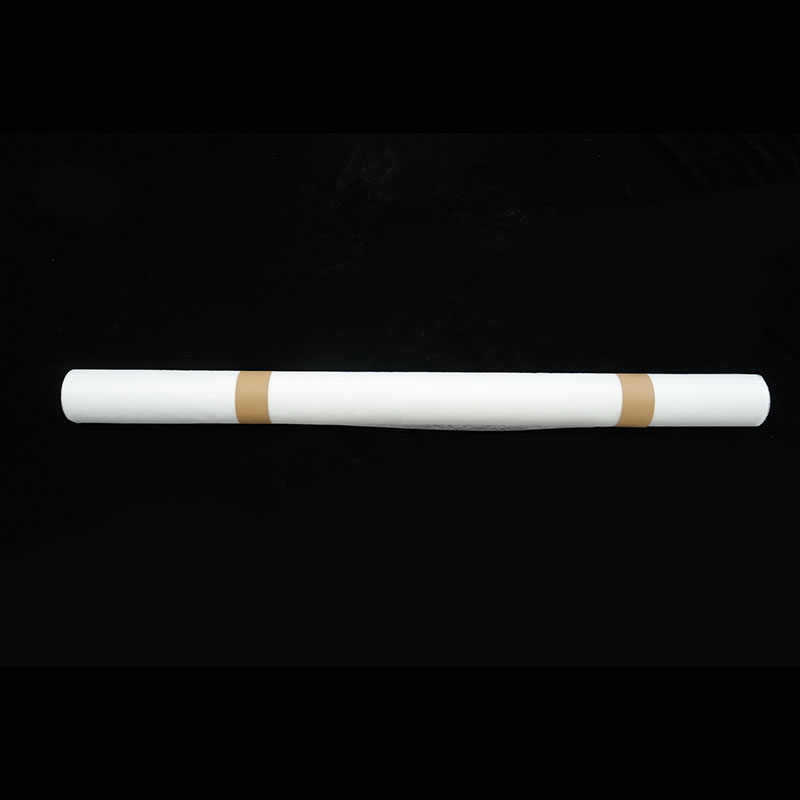
Product Introduction: The whole roll of PA hot melt adhesive web is a special adhesive processed from high-quality thermoplastic polyamide (PA) materi...
See Details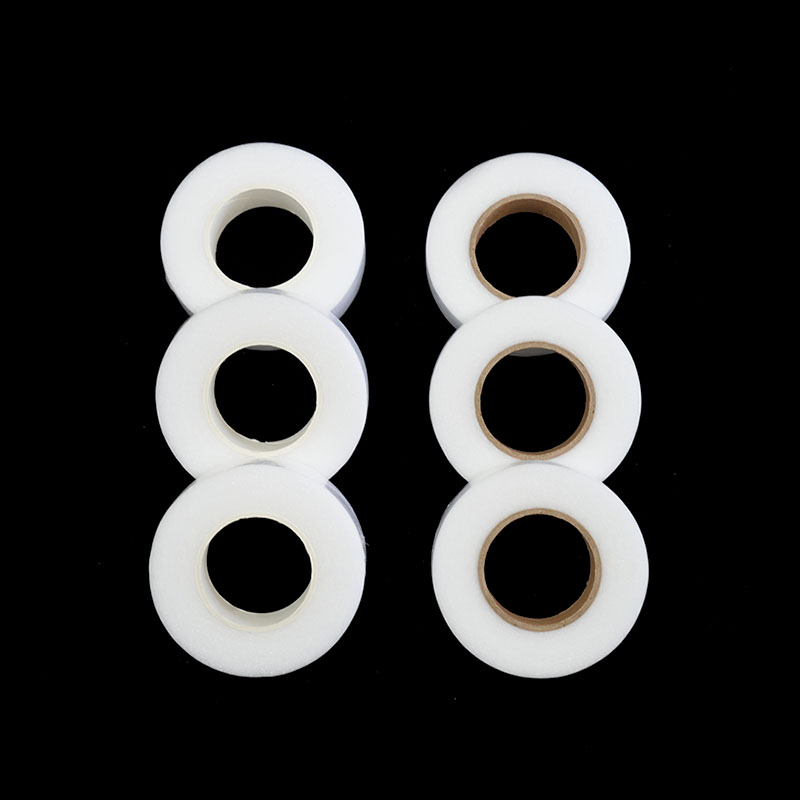
Product Introduction: Small roll cutting disc PA hot melt adhesive web is a high-performance and environmentally friendly hot bonding material designe...
See Details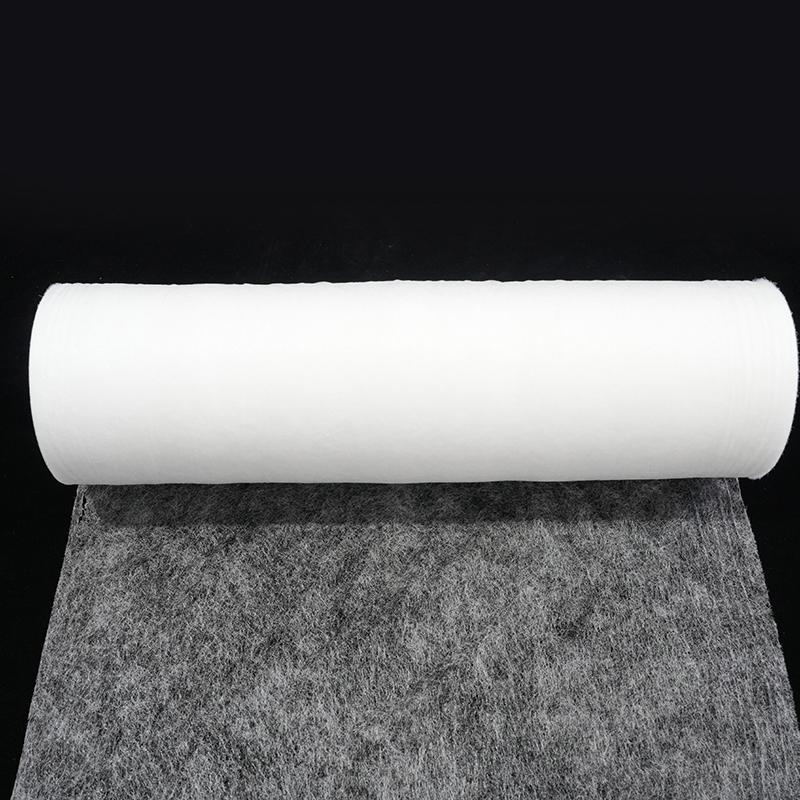
Product Introduction: The whole roll (mother roll) TPU hot melt adhesive web, as a thermoplastic polyurethane (TPU) material that integrates high perf...
See Details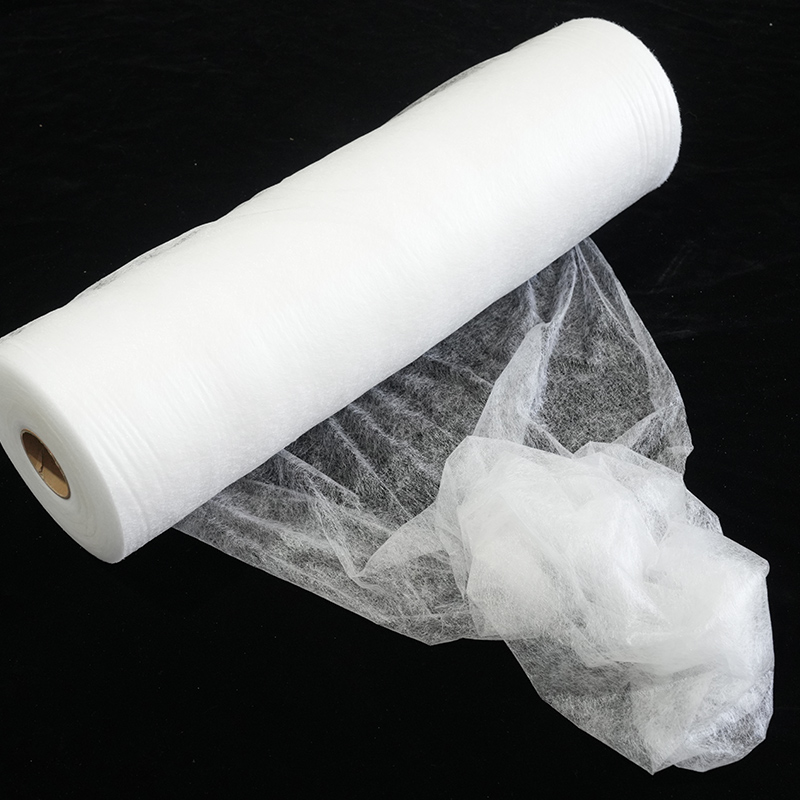
Product Introduction: This high-performance, multi-purpose full roll (mother roll) EVA low-temperature hot melt adhesive web is designed to meet the h...
See Details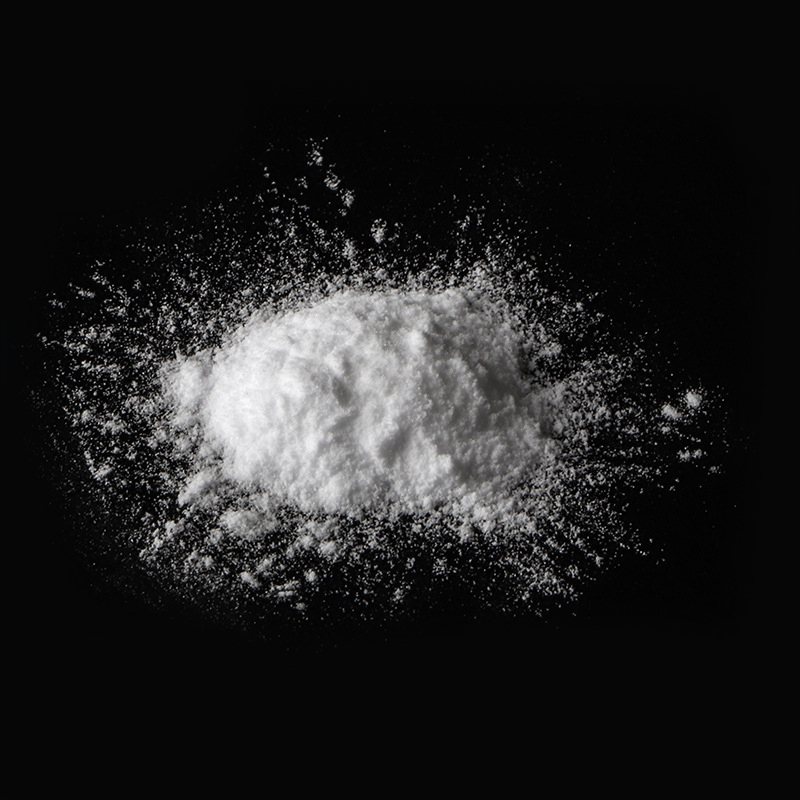
Product Introduction:PES hot melt adhesive powder is a new type of polymer environmentally friendly hot melt adhesive produced through polymerization ...
See Details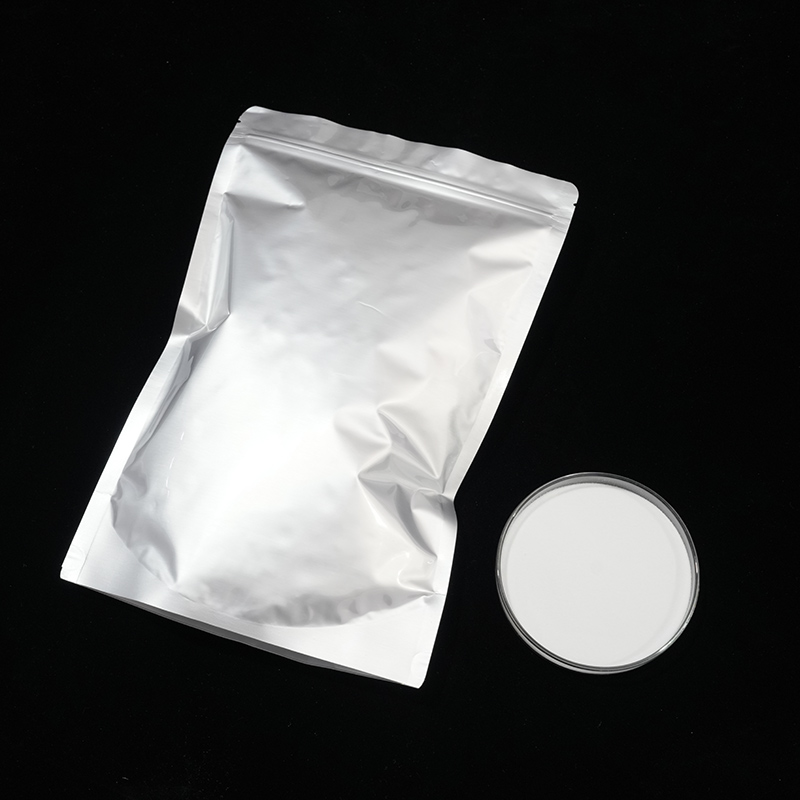
Product Introduction:TPU hot melt adhesive powder, also known as thermoplastic polyurethane hot melt adhesive powder, is a high-performance thermoplas...
See Details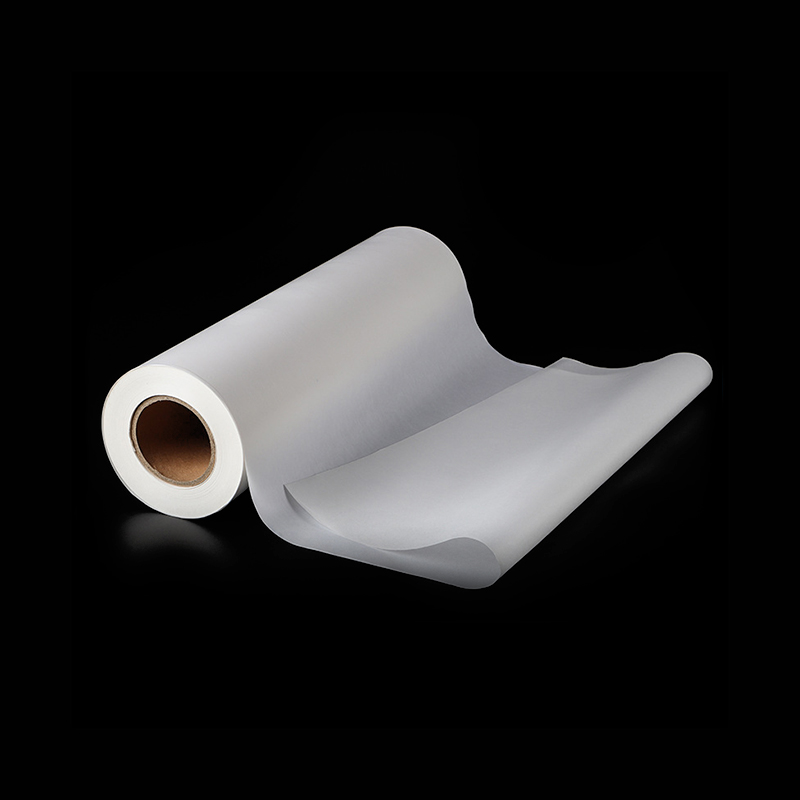
Product Introduction:This TPU hot melt adhesive film with backing paper elasticity has environmentally friendly adhesive properties, which not only pu...
See Details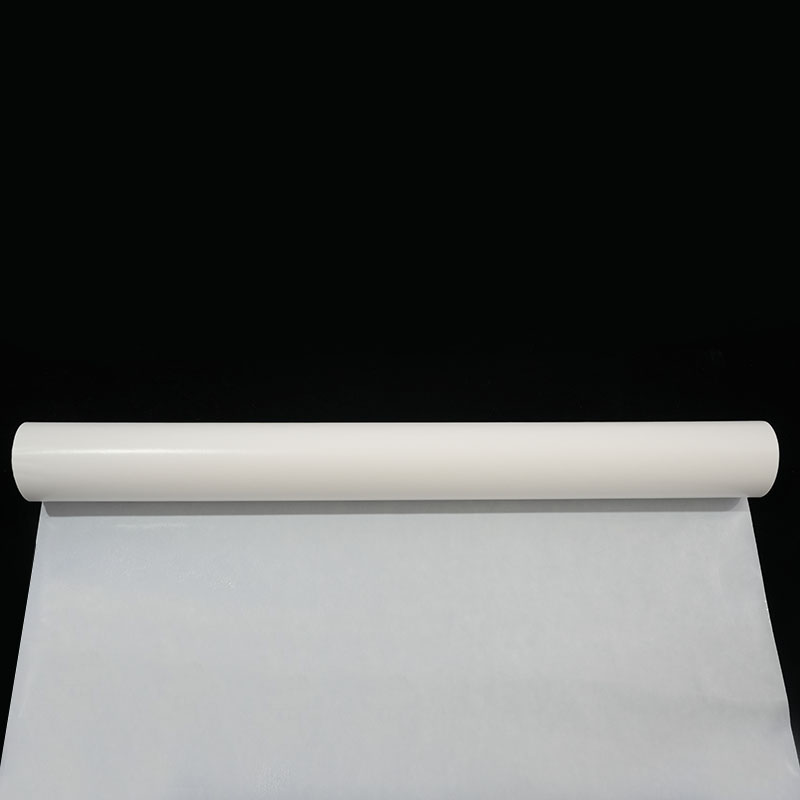
Product Introduction:PES hot melt adhesive film with backing paper is an environmentally friendly adhesive. Through advanced scraping, coating, or blo...
See Details

Contact Us