


 English
 中文简体
中文简体 Español
 عربى
عربى
Conventional cutting disc PA hot melt adhesive web
Cat:PA Hot Melt Adhesive Web
Product Introduction: Conventional cutting disc PA hot melt adhesive web is a hot melt adhesive material manufactured using advanced technology, mainl...
See DetailsThe optimal hot melt adhesive temperature typically ranges from 350°F to 400°F (177°C–204°C) for standard EVA-based formulations. However, the exact setting depends on the adhesive chemistry, substrate material, and application speed. Straying more than 10–15°F outside the recommended window can reduce bond strength by up to 40% or cause thermal degradation.
Content
Temperature directly controls viscosity, open time, and ultimate bond strength. At the correct hot melt adhesive temperature, the polymer melt flows sufficiently to wet the substrate, yet remains stable enough to avoid charring. A study on packaging adhesives showed that a drop of just 20°F (11°C) below the optimal temperature increased the failure rate of carton seals by 27% during drop testing.
Different substrates and adhesive types demand specific temperature settings for optimal performance. The table below summarizes proven ranges across common industrial uses. Note how polyamide hot melts require significantly higher temperatures than PUR adhesives, which cure by moisture rather than heat alone.
| Application / Substrate | Adhesive Type | Temperature Range (°F) | Temperature Range (°C) | Key Behavior |
| Corrugated packaging | EVA-based | 350 – 400 | 177 – 204 | Fast set, high tack |
| Woodworking / furniture | Polyamide | 375 – 425 | 190 – 218 | High heat resistance |
| Bookbinding (spine gluing) | PUR (moisture‑cure) | 250 – 300 | 121 – 149 | Low viscosity, long open time |
| Electronics / low‑temp substrates | Metallocene PO | 250 – 320 | 121 – 160 | Bonds heat‑sensitive films |
| Automotive interior trim | Reactive PUR | 250 – 275 | 121 – 135 | Deep section cure |
(Caption) Table: Typical hot melt adhesive temperature settings for common industrial applications. Data represents standard unfilled grades; always consult the specific technical data sheet.
Exceeding 430°F (221°C) for common EVA adhesives triggers rapid thermal degradation. At this extreme hot melt adhesive temperature, polymer chains break down, creating carbonized particles that appear as dark specks in the melt. Independent lab tests show that after 2 hours at 450°F, adhesive viscosity can drift by more than ±25%, rendering the bond unreliable. Char buildup also increases maintenance frequency—some operations report cleaning nozzles every 4 hours instead of once per shift.
Insufficient temperature prevents proper substrate wetting and penetration, creating weak boundary layers. If the hot melt adhesive temperature is below the manufacturer’s minimum by just 15°F (8°C), surface tack can appear acceptable, but peel adhesion often falls by 30–50%. In packaging lines, this translates to pop‑opens during palletizing. On porous surfaces like cardboard, low‑temperature adhesive sits on top rather than soaking into fibers, resulting in a bond that is easily peeled.
Consistent, accurate temperature is achieved through a combination of high‑quality equipment, regular calibration, and real‑time monitoring. Follow these actionable guidelines to maintain the ideal hot melt adhesive temperature across shifts:
Excessive hot melt adhesive temperature causes oxidation, charring, and a noticeable yellow or brown discoloration. The adhesive may smoke, emit a sharp odor, and lose cohesive strength. In extreme cases, viscosity can drop so low that the glue drips uncontrollably, creating safety hazards and waste.
Yes. Switch to a low‑temperature polyolefin or metallocene‑based hot melt with a recommended hot melt adhesive temperature of 250°F–300°F (121°C–149°C). These formulations bond films, foams, and thin plastics without distortion. However, always test open time, as lowering temperature reduces immediate tack.
For continuous operation, verify the hot melt adhesive temperature at the nozzle with a manual probe at the start of each shift and after any prolonged idle period. In high‑speed packaging, spot checks every 2–4 hours prevent undetected drift.
It does, especially for open‑time‑sensitive assemblies. A cold substrate or drafty environment can chill the adhesive before it sets, effectively reducing the working hot melt adhesive temperature at the bond line. In such cases, a slightly higher application temperature (by 10–15°F) may compensate, but never exceed the maximum rating.
By matching the hot melt adhesive temperature precisely to the adhesive type, substrate, and production speed—and by implementing structured monitoring—you can boost bond reliability by over 35% while reducing adhesive consumption and downtime.
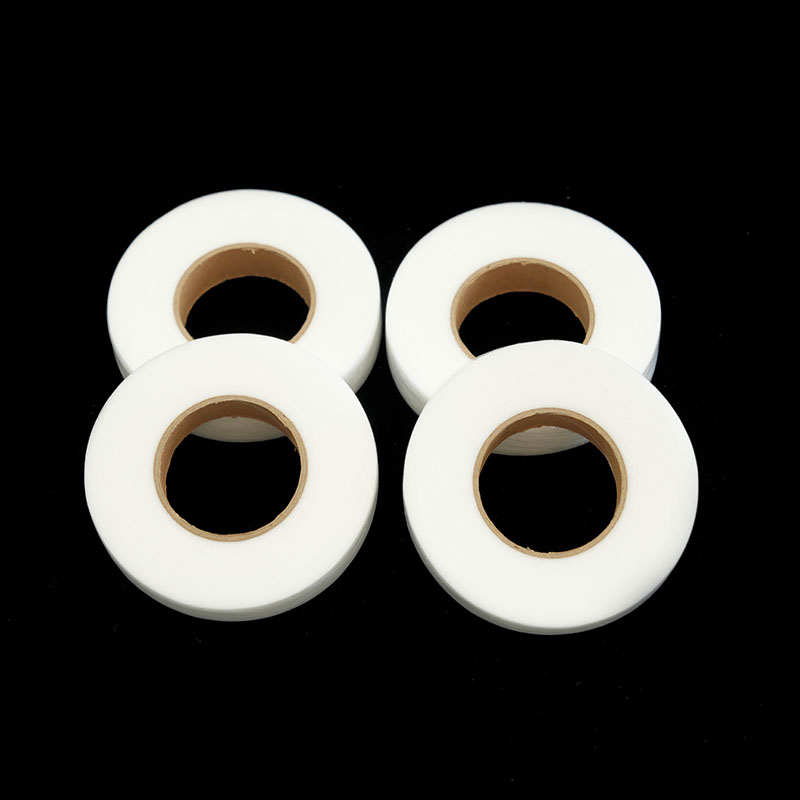
Product Introduction: Conventional cutting disc PA hot melt adhesive web is a hot melt adhesive material manufactured using advanced technology, mainl...
See Details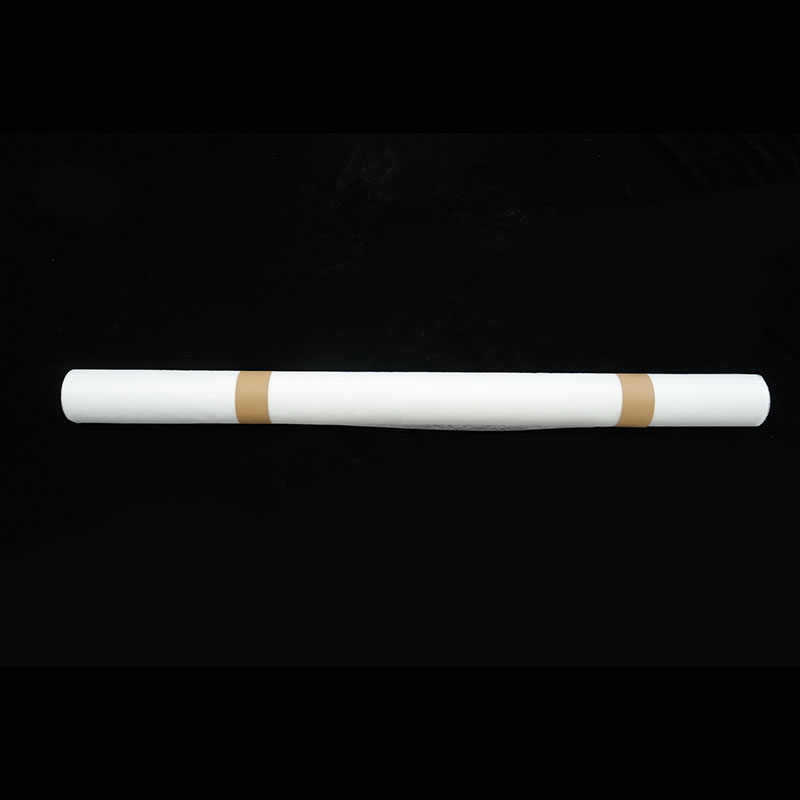
Product Introduction: The whole roll of PA hot melt adhesive web is a special adhesive processed from high-quality thermoplastic polyamide (PA) materi...
See Details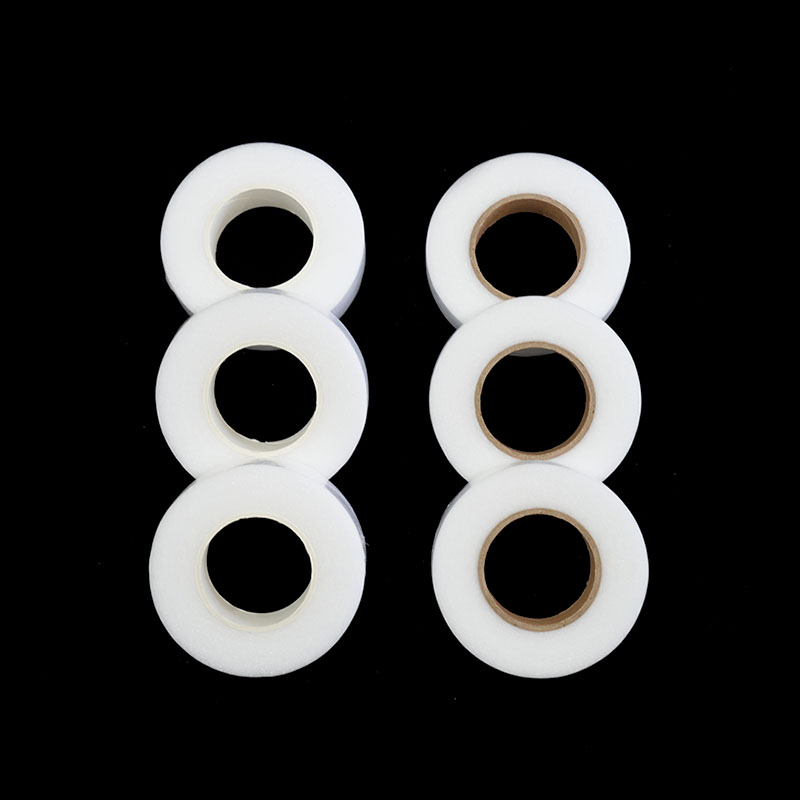
Product Introduction: Small roll cutting disc PA hot melt adhesive web is a high-performance and environmentally friendly hot bonding material designe...
See Details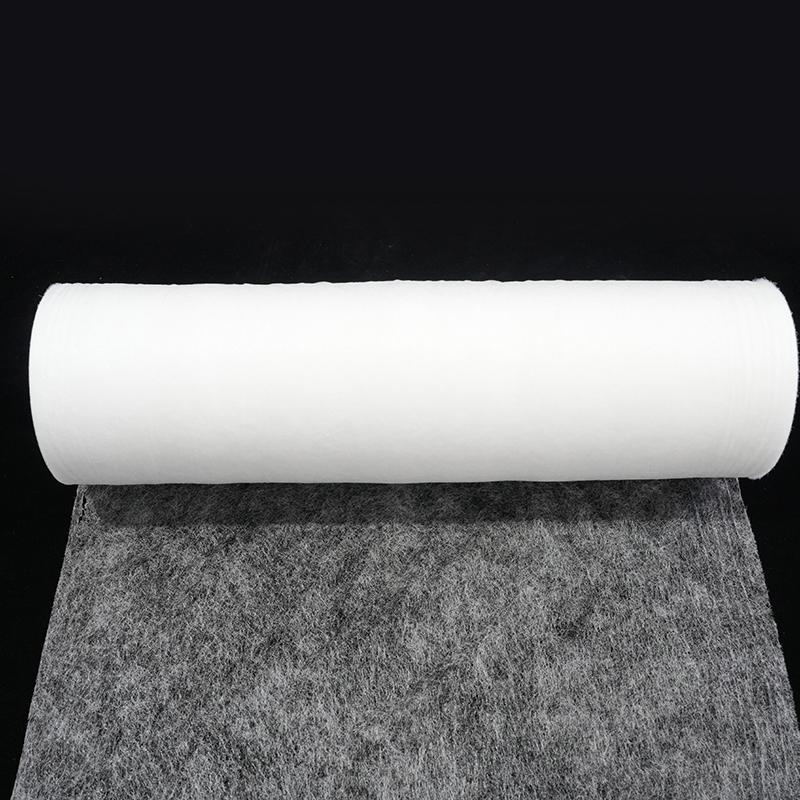
Product Introduction: The whole roll (mother roll) TPU hot melt adhesive web, as a thermoplastic polyurethane (TPU) material that integrates high perf...
See Details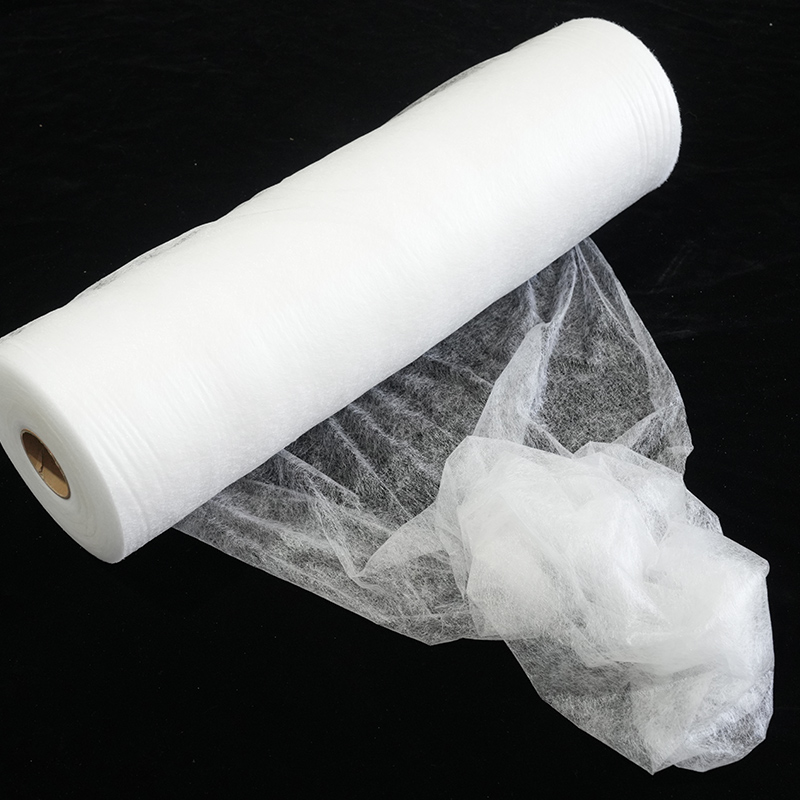
Product Introduction: This high-performance, multi-purpose full roll (mother roll) EVA low-temperature hot melt adhesive web is designed to meet the h...
See Details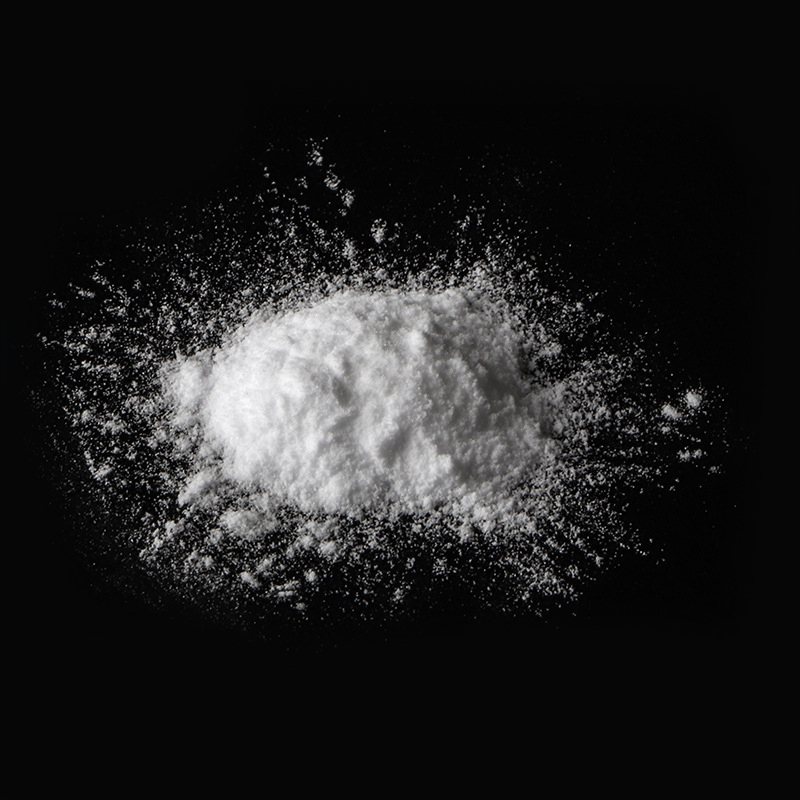
Product Introduction:PES hot melt adhesive powder is a new type of polymer environmentally friendly hot melt adhesive produced through polymerization ...
See Details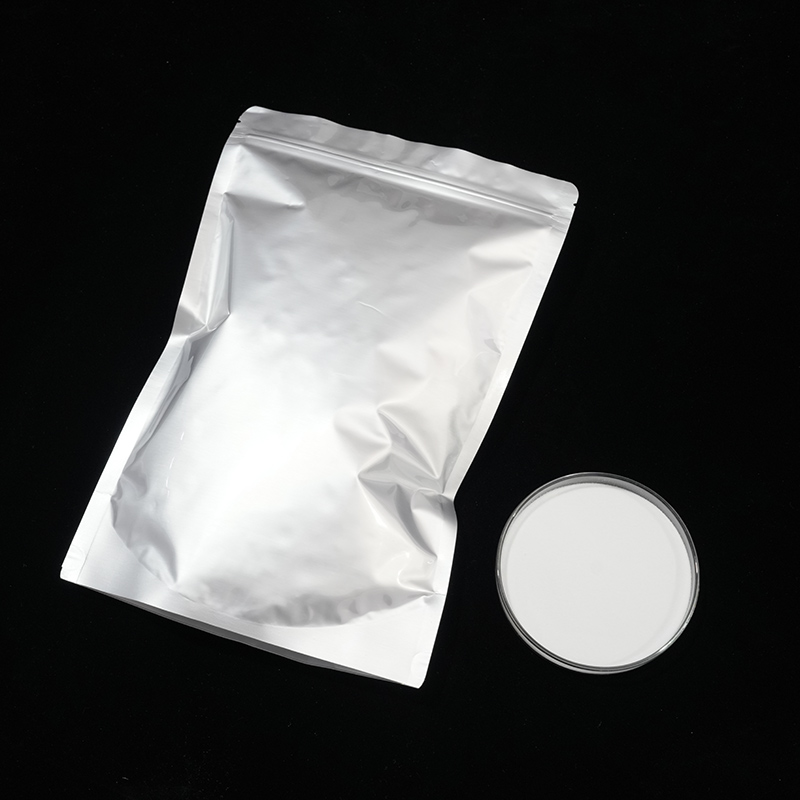
Product Introduction:TPU hot melt adhesive powder, also known as thermoplastic polyurethane hot melt adhesive powder, is a high-performance thermoplas...
See Details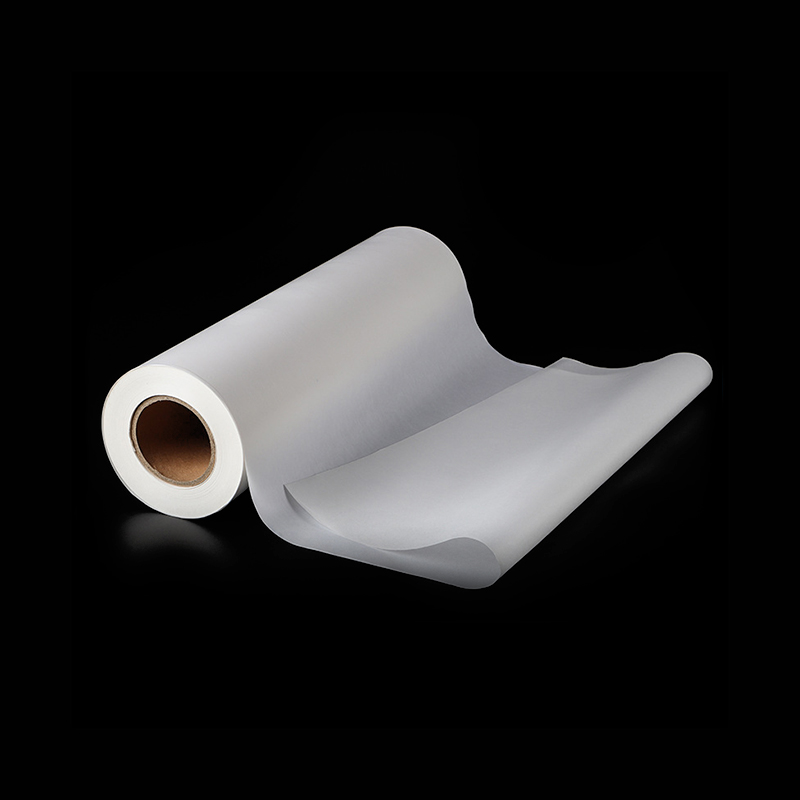
Product Introduction:This TPU hot melt adhesive film with backing paper elasticity has environmentally friendly adhesive properties, which not only pu...
See Details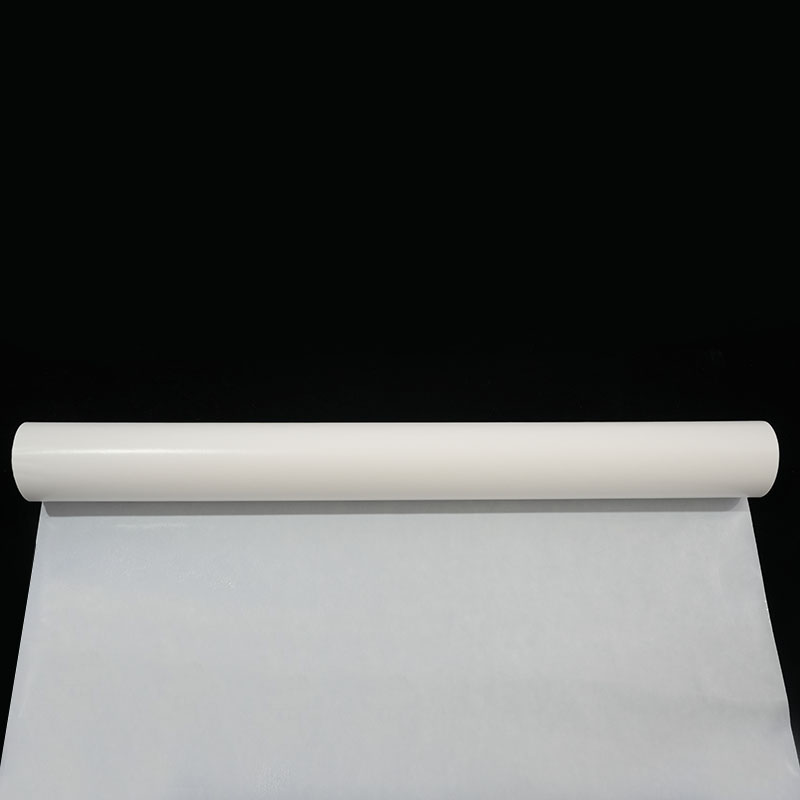
Product Introduction:PES hot melt adhesive film with backing paper is an environmentally friendly adhesive. Through advanced scraping, coating, or blo...
See Details

Contact Us