


 English
 中文简体
中文简体 Español
 عربى
عربى
Conventional cutting disc PA hot melt adhesive web
Cat:PA Hot Melt Adhesive Web
Product Introduction: Conventional cutting disc PA hot melt adhesive web is a hot melt adhesive material manufactured using advanced technology, mainl...
See DetailsHot Melt Adhesive Powder is a thermoplastic bonding material that activates through heat and pressure, forming a strong, durable bond once cooled. It is widely used in textiles, automotive interiors, filtration materials, electronics, and composite manufacturing due to its clean application and reliable performance.
Content
Hot Melt Adhesive Powder consists of finely ground thermoplastic polymers such as TPU, PA, PES, EVA, or polyolefin. Unlike liquid adhesives, it is applied in dry powder form and melts when heated to a specific temperature range, allowing it to flow and penetrate substrates.
When exposed to heat (typically between 80°C and 160°C depending on the material), Hot Melt Adhesive Powder transitions from a solid to a molten state. This allows the adhesive to flow and evenly distribute across the bonding surface.
In its molten form, the adhesive wets the surface of the substrate and penetrates fibers, pores, or microstructures. This mechanical interlocking is a key factor in achieving strong adhesion.
Pressure ensures intimate contact between materials, improving adhesive spread and eliminating air gaps. This step is especially critical in textile lamination and composite bonding.
Once the heat source is removed, the adhesive cools and solidifies, forming a permanent bond. No chemical curing reaction is required, which significantly shortens production cycles.
| Adhesive Type | Bonding Method | Drying/Curing Time | Environmental Impact |
|---|---|---|---|
| Hot Melt Adhesive Powder | Heat & pressure | Immediate upon cooling | No solvents, eco-friendly |
| Liquid Adhesives | Evaporation or chemical curing | Minutes to hours | May contain VOCs |
| Solvent-Based Adhesives | Solvent evaporation | Longer drying time | Higher emissions |
Activation temperatures vary by material type. TPU powders may activate at lower temperatures, while PA or PES powders typically require higher heat for optimal bonding.
Yes. When properly bonded, many formulations offer excellent wash resistance and durability, especially in textile applications.
In some cases, reheating can soften the adhesive again, allowing repositioning. However, repeated reheating may reduce bonding performance.
Absolutely. Hot Melt Adhesive Powder works well with automated spreading, lamination, and heat-press systems, making it ideal for mass production.
With increasing demand for sustainable manufacturing, Hot Melt Adhesive Powder continues to evolve toward lower activation temperatures, improved elasticity, and enhanced compatibility with recycled and bio-based materials. These developments further expand its role in modern industrial bonding solutions.
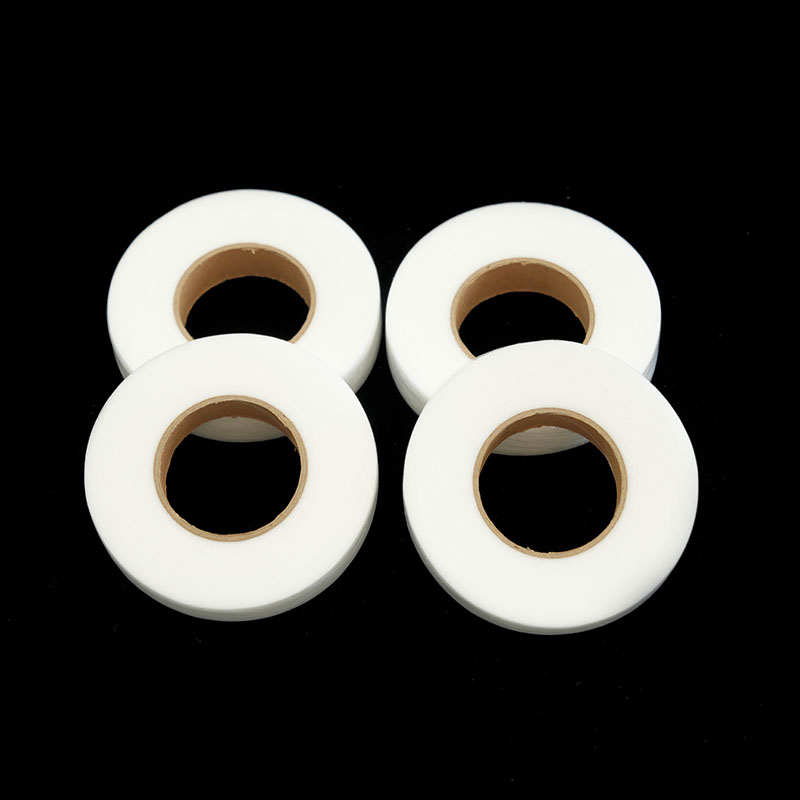
Product Introduction: Conventional cutting disc PA hot melt adhesive web is a hot melt adhesive material manufactured using advanced technology, mainl...
See Details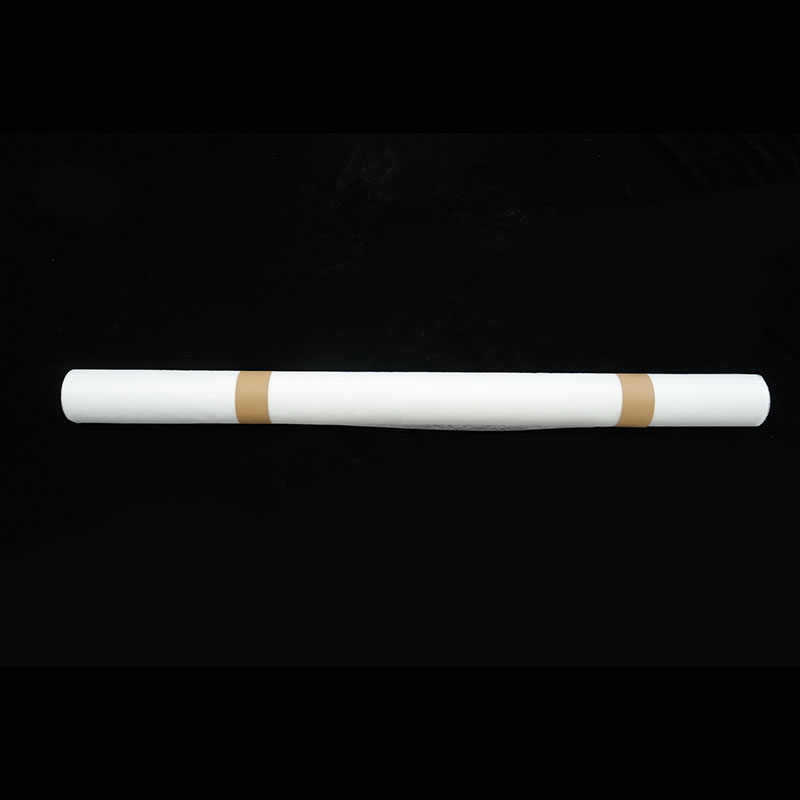
Product Introduction: The whole roll of PA hot melt adhesive web is a special adhesive processed from high-quality thermoplastic polyamide (PA) materi...
See Details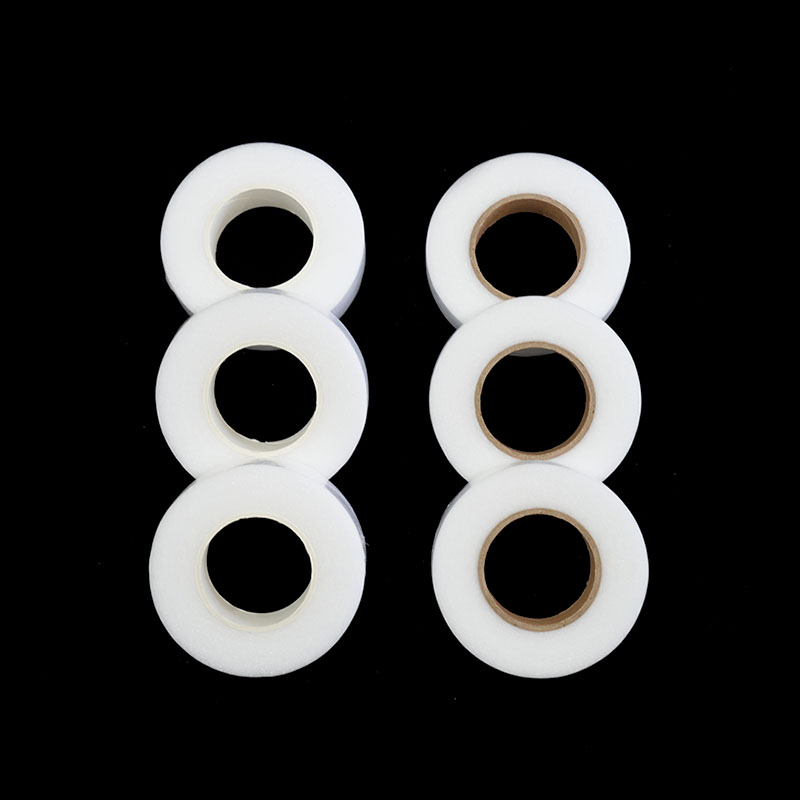
Product Introduction: Small roll cutting disc PA hot melt adhesive web is a high-performance and environmentally friendly hot bonding material designe...
See Details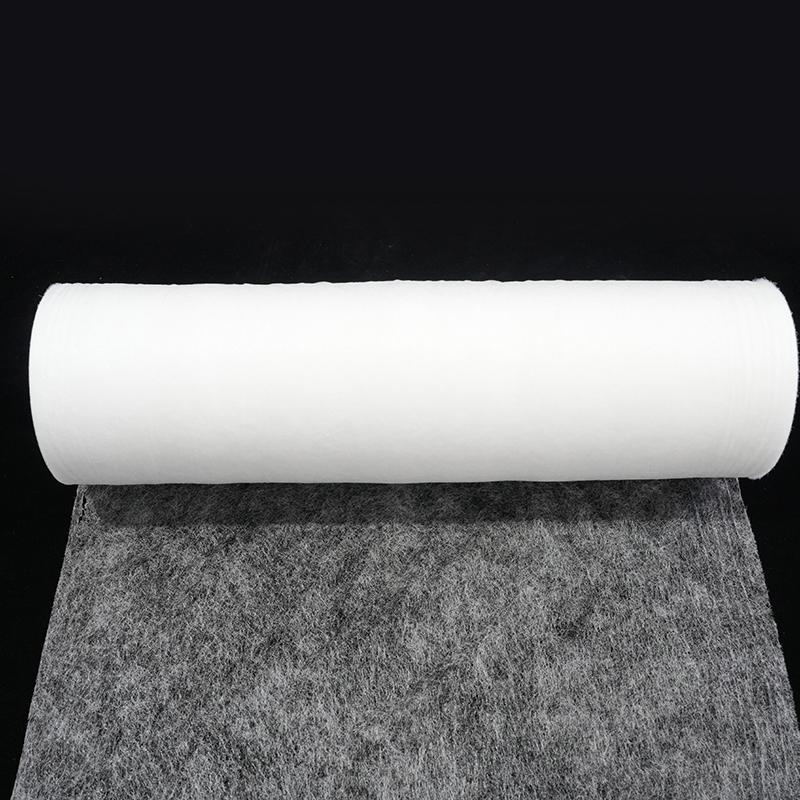
Product Introduction: The whole roll (mother roll) TPU hot melt adhesive web, as a thermoplastic polyurethane (TPU) material that integrates high perf...
See Details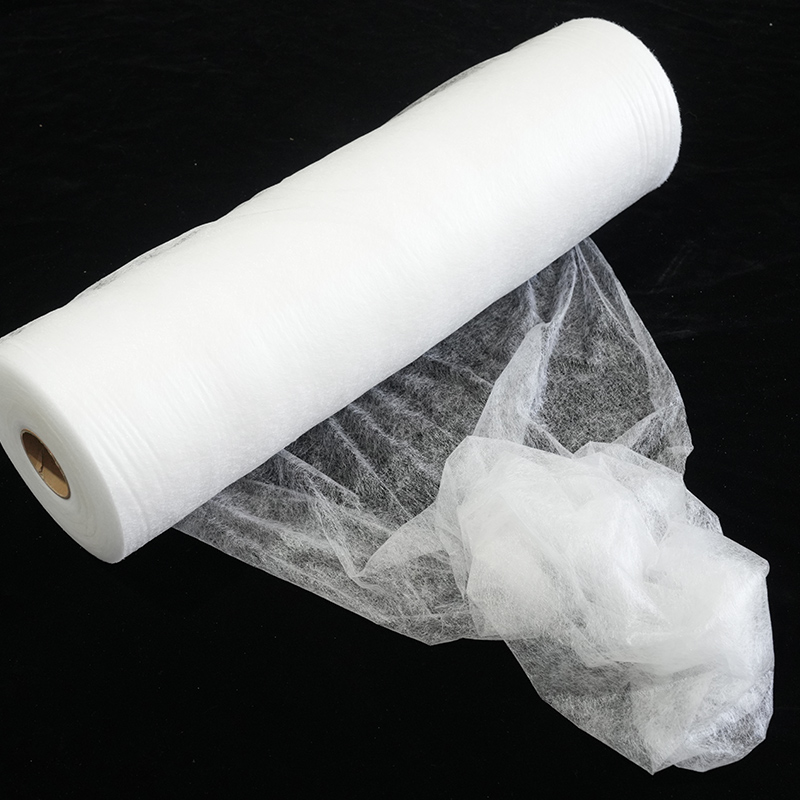
Product Introduction: This high-performance, multi-purpose full roll (mother roll) EVA low-temperature hot melt adhesive web is designed to meet the h...
See Details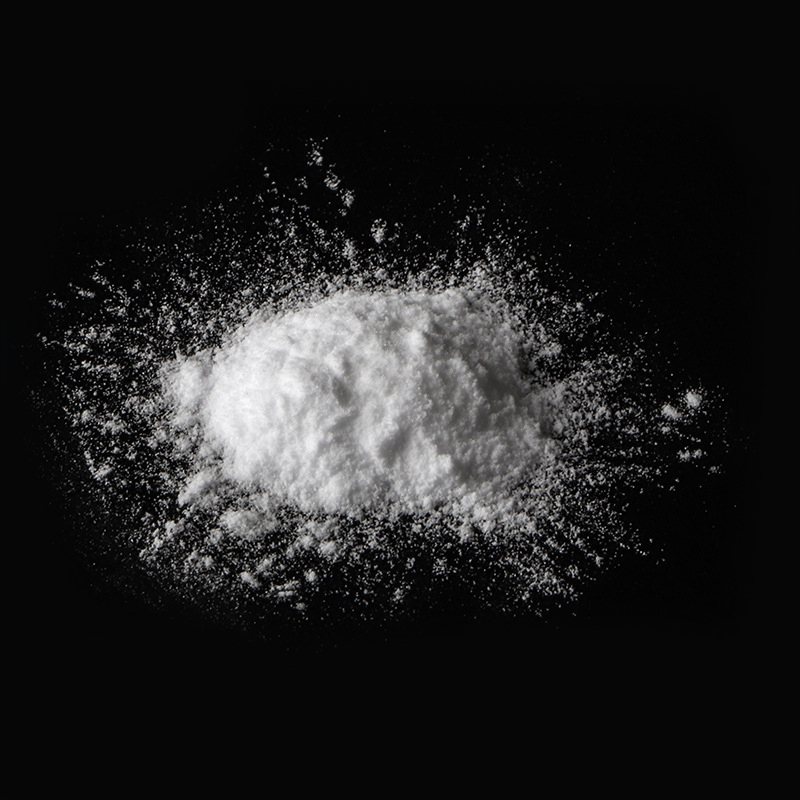
Product Introduction:PES hot melt adhesive powder is a new type of polymer environmentally friendly hot melt adhesive produced through polymerization ...
See Details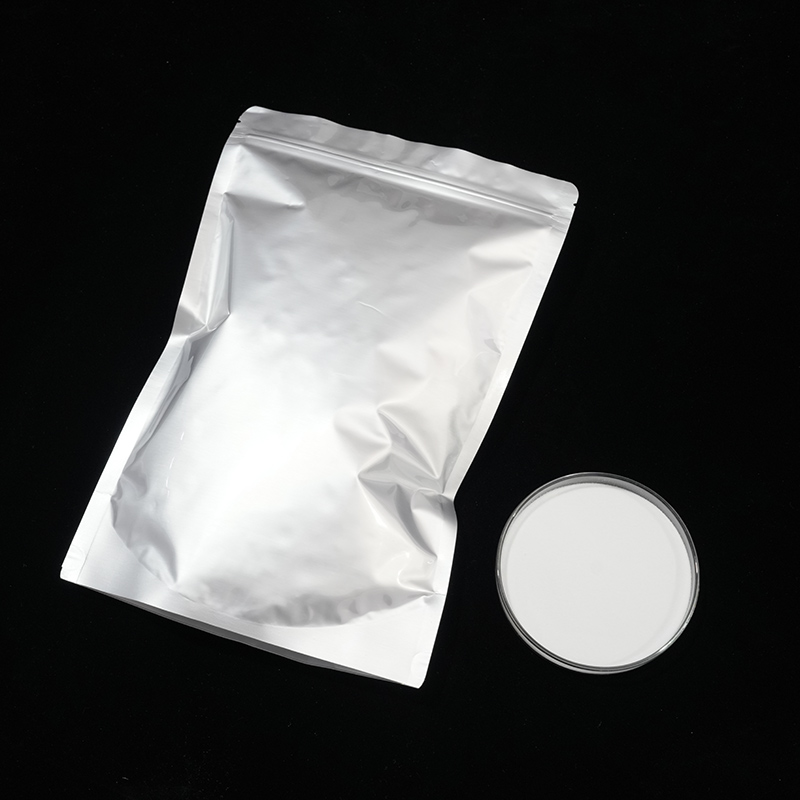
Product Introduction:TPU hot melt adhesive powder, also known as thermoplastic polyurethane hot melt adhesive powder, is a high-performance thermoplas...
See Details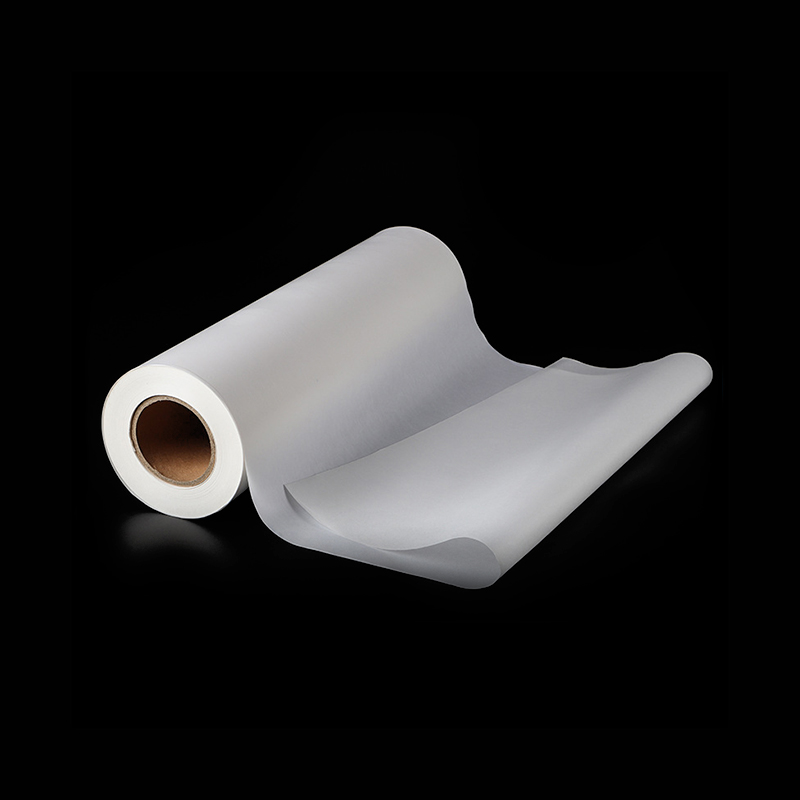
Product Introduction:This TPU hot melt adhesive film with backing paper elasticity has environmentally friendly adhesive properties, which not only pu...
See Details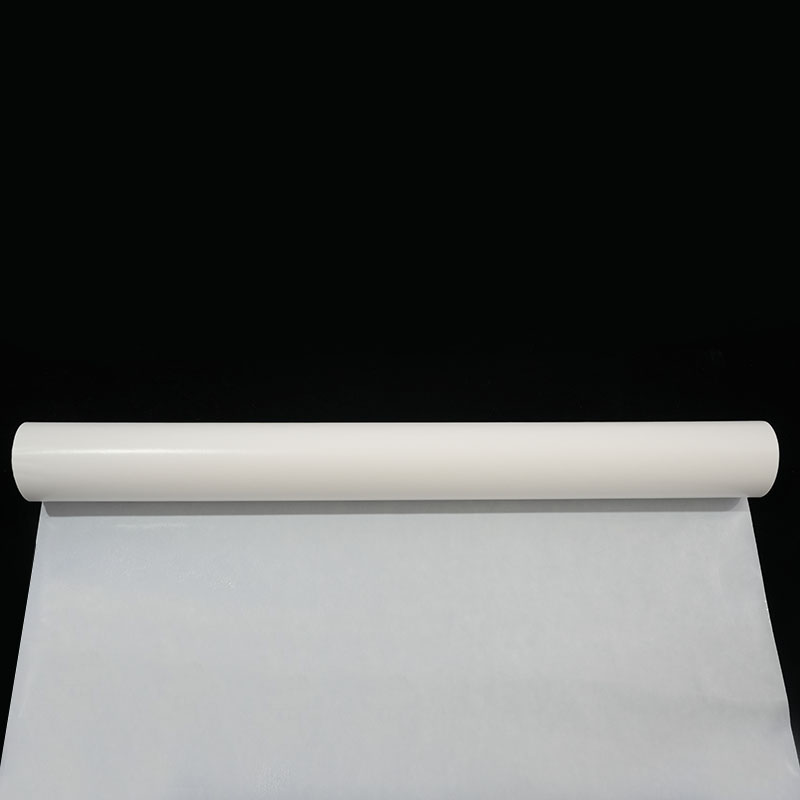
Product Introduction:PES hot melt adhesive film with backing paper is an environmentally friendly adhesive. Through advanced scraping, coating, or blo...
See Details

Contact Us