


 English
 中文简体
中文简体 Español
 عربى
عربى
Conventional cutting disc PA hot melt adhesive web
Cat:PA Hot Melt Adhesive Web
Product Introduction: Conventional cutting disc PA hot melt adhesive web is a hot melt adhesive material manufactured using advanced technology, mainl...
See DetailsHot Melt Adhesive Powder has become a crucial material in textile bonding, heat transfer printing, automotive interiors, footwear manufacturing, and various industrial applications. As demand grows for cleaner and more efficient bonding technologies, understanding its core ingredients and classification systems has become increasingly important for manufacturers and end users.
Content
Although formulas vary by application, most Hot Melt Adhesive Powders are made from three primary components. Each part plays a critical role in determining bonding performance, melting point, flexibility, and durability.
The base polymer defines the powder’s essential bonding properties. Common base polymers include:
Tackifiers improve bonding strength and initial adhesion. They help the powder wet the surface more effectively during heat activation.
Additives fine-tune performance, such as:
There are several classification methods based on raw material, melting point, particle size, and application. Below is a comprehensive overview.
| Type | Melting Point | Flexibility | Bonding Strength | Typical Application |
|---|---|---|---|---|
| EVA | Low | High | Medium | T-shirts, labels, heat transfer |
| TPU | Medium | Very High | High | Sportswear, leather, DTF printing |
| PES | High | Medium | Very High | Automotive, filtration |
| PA | High | Medium | Very High | Metal/plastic bonding, high-end textiles |
Yes. Most powders are solvent-free, low-VOC, and suitable for sustainable manufacturing processes.
TPU Hot Melt Adhesive Powder is the most commonly used due to its flexibility and washing durability.
Consider substrate type, required bond strength, washing or temperature resistance, and desired hand feel. TPU is ideal for flexible materials, while PES is recommended for high-strength applications.
Depending on the material, melting points range from 80°C to 160°C.
Understanding the main components and classification methods of Hot Melt Adhesive Powder helps manufacturers make informed decisions, improve product quality, and choose the right adhesive for each application. As demand continues to rise across textiles, automotive, and industrial sectors, high-performance hot melt powders will play an increasingly important role in modern manufacturing.
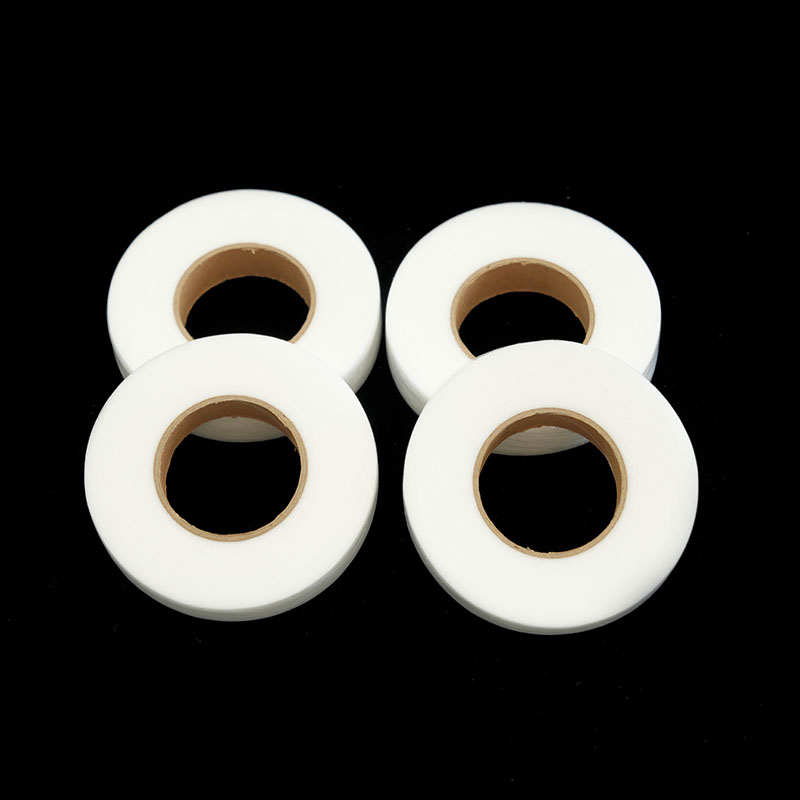
Product Introduction: Conventional cutting disc PA hot melt adhesive web is a hot melt adhesive material manufactured using advanced technology, mainl...
See Details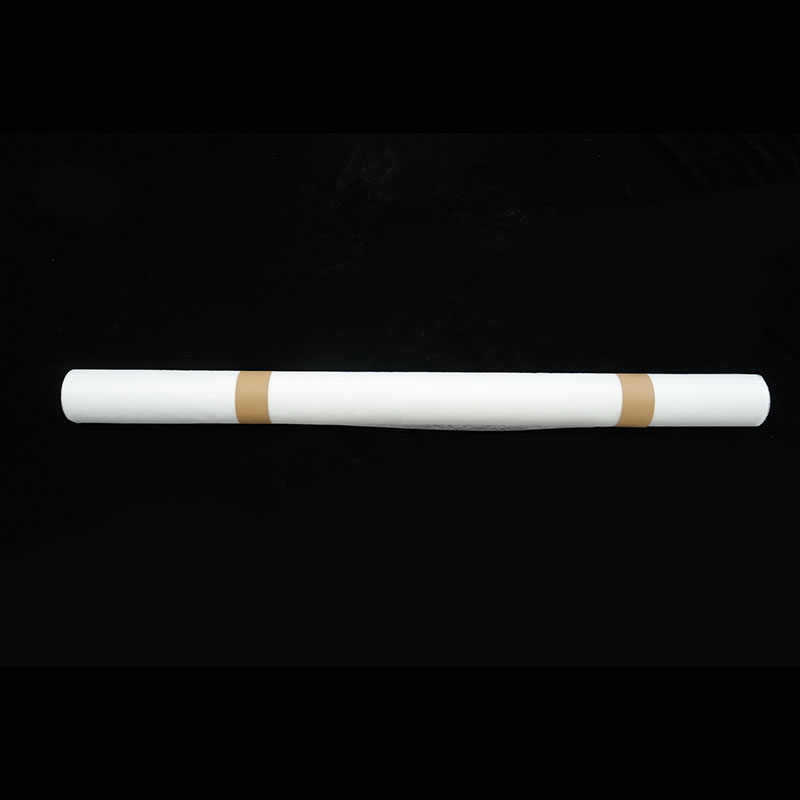
Product Introduction: The whole roll of PA hot melt adhesive web is a special adhesive processed from high-quality thermoplastic polyamide (PA) materi...
See Details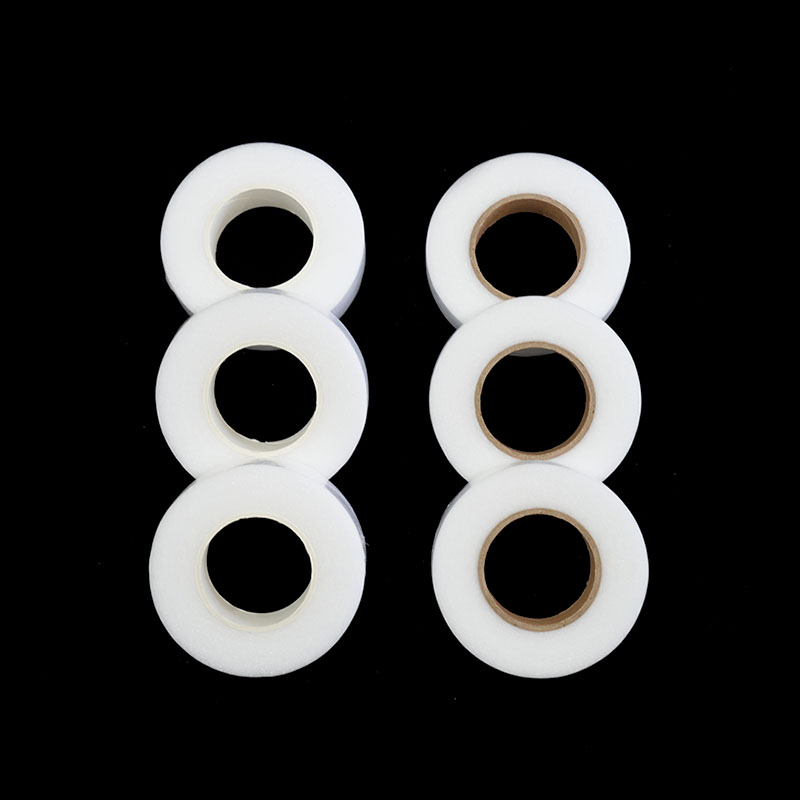
Product Introduction: Small roll cutting disc PA hot melt adhesive web is a high-performance and environmentally friendly hot bonding material designe...
See Details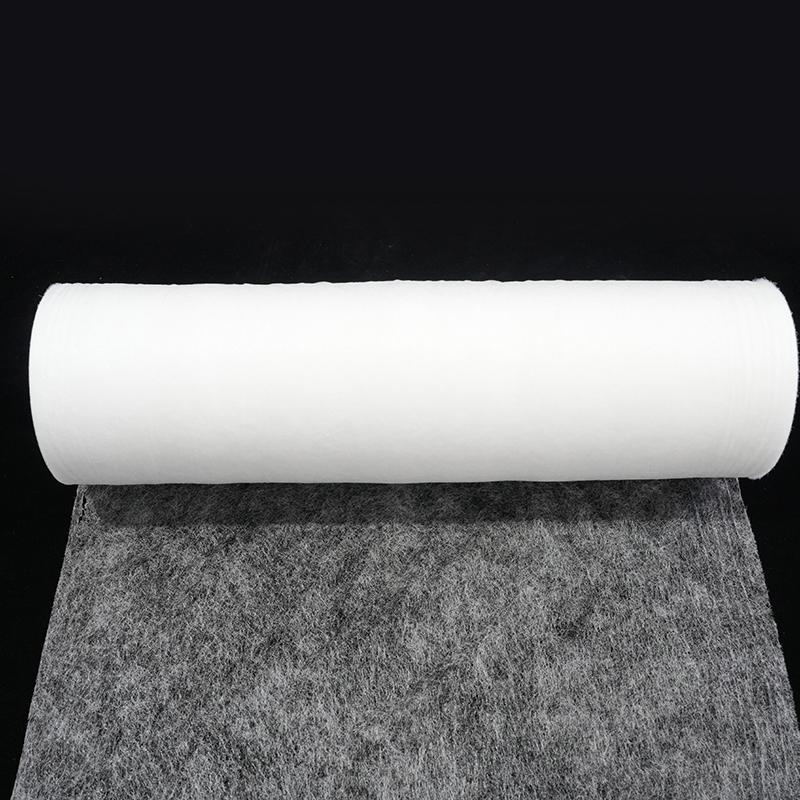
Product Introduction: The whole roll (mother roll) TPU hot melt adhesive web, as a thermoplastic polyurethane (TPU) material that integrates high perf...
See Details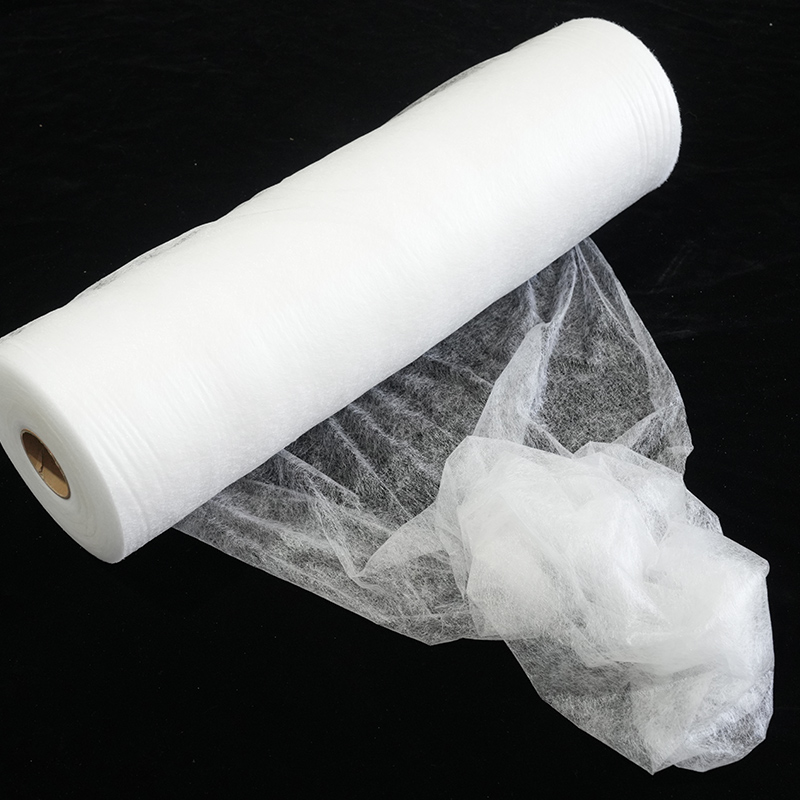
Product Introduction: This high-performance, multi-purpose full roll (mother roll) EVA low-temperature hot melt adhesive web is designed to meet the h...
See Details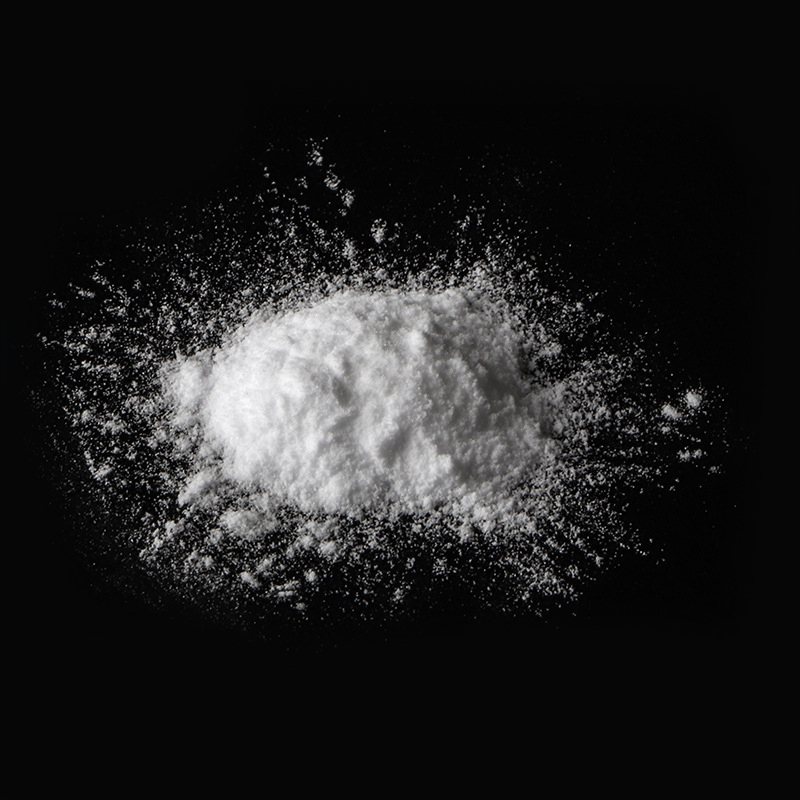
Product Introduction:PES hot melt adhesive powder is a new type of polymer environmentally friendly hot melt adhesive produced through polymerization ...
See Details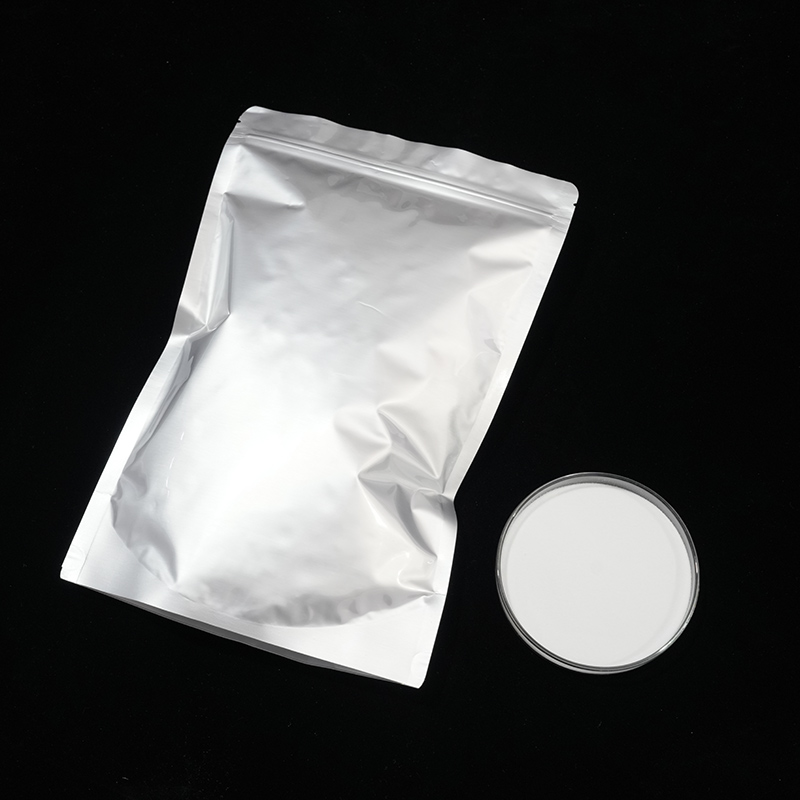
Product Introduction:TPU hot melt adhesive powder, also known as thermoplastic polyurethane hot melt adhesive powder, is a high-performance thermoplas...
See Details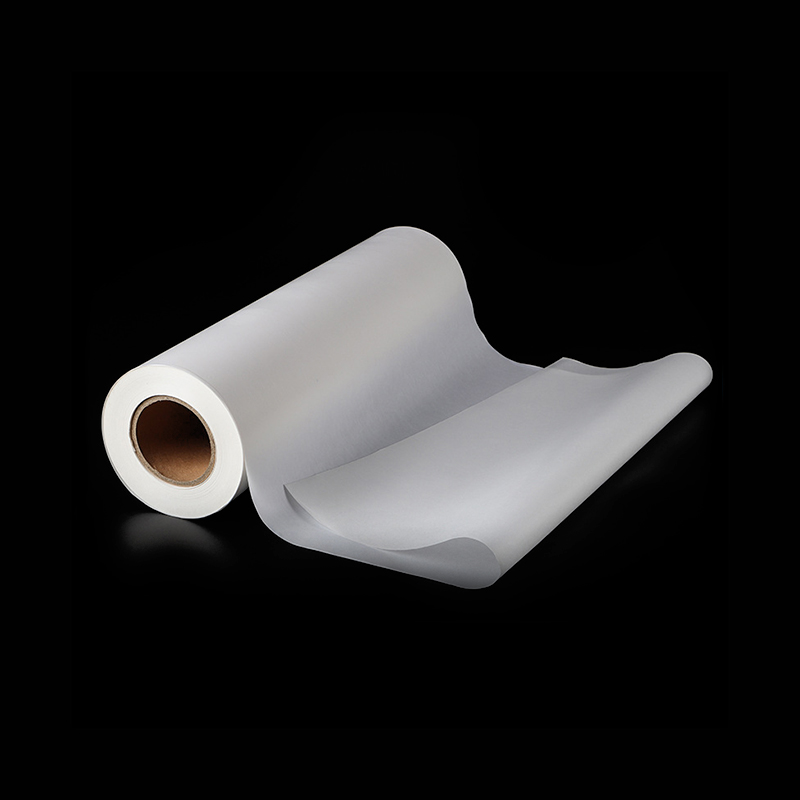
Product Introduction:This TPU hot melt adhesive film with backing paper elasticity has environmentally friendly adhesive properties, which not only pu...
See Details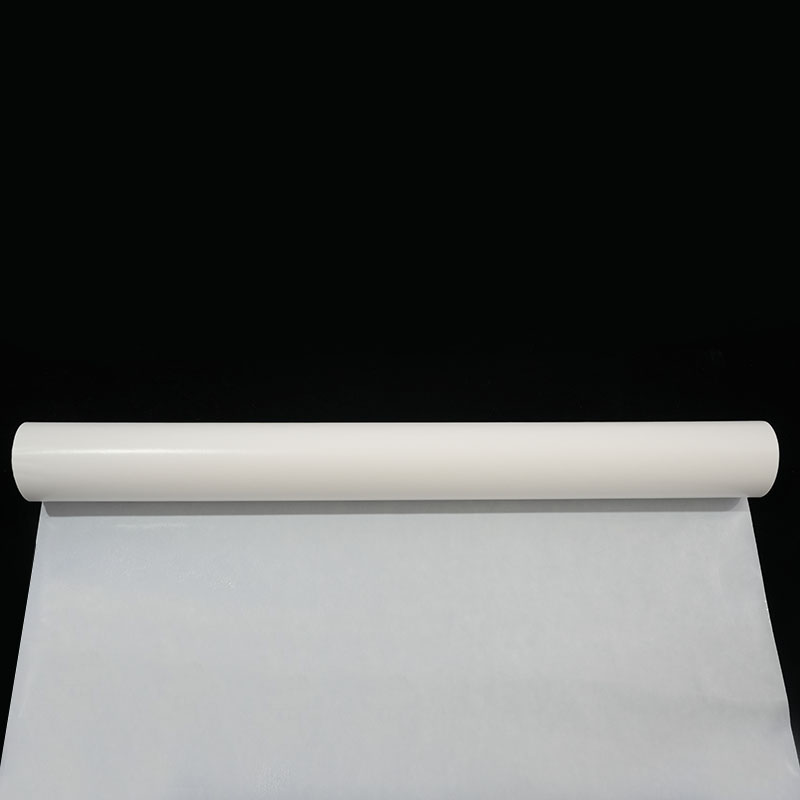
Product Introduction:PES hot melt adhesive film with backing paper is an environmentally friendly adhesive. Through advanced scraping, coating, or blo...
See Details

Contact Us