


 English
 中文简体
中文简体 Español
 عربى
عربى
Hot melt adhesive is used for bonding in packaging, woodworking, bookbinding, automotive assembly, electronics, nonwoven fabrics, footwear, and construction — making it one of the most versatile industrial adhesive systems in global manufacturing. A hot melt adhesive (HMA) is a thermoplastic polymer compound that is solid at room temperature, applied in a molten state at temperatures of 120–200°C (248–392°F), and achieves a strong bond within seconds as it cools and solidifies — with no solvents, no water, and no curing time required. According to the Grand View Research Hot Melt Adhesive Market Report (2023), the global hot melt adhesive market was valued at USD 9.53 billion in 2022 and is projected to grow at a CAGR of 5.2% through 2030, driven by surging e-commerce packaging demand, lightweighting trends in automotive, and the replacement of solvent-based adhesives under increasingly strict VOC emission regulations. This article covers every major application of hot melt adhesive, the specific formulation types used in each industry, and a practical guide for selecting the right adhesive for your application.
Content
- How Hot Melt Adhesive Works: The Science Behind the Bond
- What Is Hot Melt Adhesive Used for in Packaging?
- What Is Hot Melt Adhesive Used for in Woodworking and Furniture?
- What Is Hot Melt Adhesive Used for in Automotive Manufacturing?
- What Is Hot Melt Adhesive Used for in Nonwovens and Hygiene Products?
- What Other Industries Use Hot Melt Adhesive?
- Hot Melt Adhesive Types Compared: Which Formulation Is Right for Each Application?
- Hot Melt Adhesive vs. Other Adhesive Types: Which Should You Choose?
- Frequently Asked Questions About Hot Melt Adhesive Uses
- Q1: Can hot melt adhesive be used on metal?
- Q2: Is hot melt adhesive waterproof?
- Q3: What is the maximum temperature hot melt adhesive can withstand?
- Q4: What surfaces cannot be bonded with hot melt adhesive?
- Q5: How is hot melt adhesive applied in industrial settings?
- Q6: Is hot melt adhesive food-safe?
- Q7: Can you remove hot melt adhesive after it has set?
- Hot Melt Adhesive Application Selection Summary
How Hot Melt Adhesive Works: The Science Behind the Bond
Hot melt adhesive bonds substrates through a combination of mechanical interlocking, surface wetting, and van der Waals intermolecular forces — all activated by heat and completed within seconds of application, making it the fastest-bonding adhesive technology in industrial use. The bonding process follows three distinct phases:
- Melting and Application: The solid adhesive — supplied as sticks, pellets, blocks, or films — is heated in a gun, tank, or extrusion system to above its melt temperature (typically 120–190°C / 248–374°F). In the molten state, the adhesive has low viscosity (500–50,000 cP depending on formulation) that allows it to flow into surface pores, fibers, and irregularities of the substrate, creating the mechanical anchor points that contribute 30–50% of final bond strength.
- Wetting and Penetration: Molten hot melt adhesive wets the substrate surface at the molecular level. The "open time" — the period during which the adhesive remains molten and bondable after application — ranges from less than 1 second for fast-set packaging formulations to 30–60 seconds for construction and assembly grades. Substrate temperature, adhesive mass, and ambient temperature all affect open time; cold substrates (below 15°C / 59°F) can reduce open time by 40–60% compared to temperate conditions.
- Solidification and Bond Formation: As the adhesive cools below its softening point, the polymer chains crystallize or solidify, locking the mechanical and molecular bonds in place. Unlike solvent or water-based adhesives that require minutes to hours to cure, hot melt adhesive reaches handling strength within 5–30 seconds and full bond strength within 1–5 minutes of application — a speed advantage that enables inline assembly processes running at hundreds of units per minute.
The core polymer base determines the adhesive's fundamental properties. The four main polymer families used in hot melt adhesive formulation are EVA (ethylene-vinyl acetate), polyolefin (PO/APAO), polyamide (PA), and polyurethane reactive (PUR) — each suited to different application temperatures, substrates, and service conditions, as detailed in the applications sections below.
What Is Hot Melt Adhesive Used for in Packaging?
Packaging is the single largest end-use sector for hot melt adhesive, accounting for approximately 40% of global HMA consumption by volume (Source: Adhesive and Sealant Council, ASC Market Report, 2023). The combination of instant bonding, low cost, and compatibility with high-speed automated lines makes hot melt adhesive the dominant technology for carton sealing, case forming, tray erecting, and label application.
Carton Sealing and Case Forming
EVA-based hot melt adhesive applied at 160–180°C (320–356°F) is the standard for sealing corrugated cardboard shipping cases on automated packaging lines running at speeds of 10–60 cases per minute. A single packaging line in a consumer goods facility may apply 50–200 kg of hot melt adhesive per 8-hour shift. The bond formed between corrugated board surfaces must withstand shipping vibration, compression stacking loads of 2–4× the box weight, and temperature excursions in cold-chain distribution down to -20°C (-4°F) — requirements that drove the development of low-temperature-flexible EVA formulations with glass transition temperatures below -30°C (-22°F).
Label Application and Bottle Labeling
Hot melt adhesive is used for pressure-sensitive label construction and for direct-application gluing of paper labels to glass and plastic bottles on labeling lines running at up to 80,000 containers per hour. Hot melt-applied labels on beverage bottles are designed to withstand condensation, ice bath immersion, and repeated refrigerator cycling without delamination — performance requirements that solvent adhesives and pressure-sensitive films cannot reliably meet at equivalent cost.
Flexible Packaging and Pouch Sealing
Polyolefin and APAO-based hot melt adhesives laminate layers of flexible packaging materials — polyethylene, polypropylene, aluminum foil, and paper — in stand-up pouches, retort packages, and food-grade wrapping. Food-contact-approved hot melt adhesive formulations comply with FDA 21 CFR 175.105 (indirect food additives) and EU Regulation No. 10/2011 (plastic materials in contact with food), enabling their direct use in food and pharmaceutical packaging without migration risk.
What Is Hot Melt Adhesive Used for in Woodworking and Furniture?
Woodworking accounts for approximately 12% of global hot melt adhesive consumption (Source: European Adhesives and Sealants Market Report, FEICA, 2022) and represents one of the most technically demanding applications, requiring bonds that withstand mechanical stress, humidity cycling, heat from sunlight, and decades of service life in furniture and cabinetry.
Edge Banding
Hot melt adhesive — specifically EVA and polyolefin-based formulations applied at 180–200°C (356–392°F) — is the universal bonding method for applying PVC, ABS, wood veneer, and melamine edge banding to the exposed edges of MDF, particleboard, and plywood panels. Edge banding machines apply adhesive and press the tape to the panel edge in a continuous operation at speeds of 15–60 meters per minute, producing bonds that meet EN 14256 furniture mechanical strength standards. For kitchen cabinet applications where steam, humidity, and cleaning agents are constant exposures, polyurethane reactive (PUR) hot melt adhesive is specified over EVA — PUR bonds form a moisture-cured crosslinked network after application that achieves peel strengths 3–5 times higher than EVA in humid service conditions per Adhesion Science and Engineering, Volume 2 (2020).
Profile Wrapping and Lamination
Profile wrapping — bonding decorative paper, PVC foil, or wood veneer around complex-shaped molding profiles — uses low-viscosity hot melt adhesive applied as a thin film (25–50 g/m²) to ensure full surface coverage around tight radii and undercuts without adhesive show-through or surface distortion. Profile wrapping lines operate at 15–40 meters per minute, making the fast-set nature of hot melt adhesive essential — a PVA-based water adhesive at this speed would never reach green strength before the foil delaminated from the profile.
Dowel Insertion and Joint Assembly
In flat-pack furniture production, hot melt adhesive applied to dowel holes or tenon joints provides instant positioning strength that allows the assembled panel to be handled within seconds — enabling inline assembly without fixturing time. The bond reaches full structural strength after 24 hours of ambient cooling, supplementing the mechanical interlocking of the dowel joint.
What Is Hot Melt Adhesive Used for in Automotive Manufacturing?
Automotive applications of hot melt adhesive have expanded significantly over the past decade as vehicle lightweighting goals drive the replacement of metal fasteners, welds, and heavy mechanical attachments with thin-film adhesive bonds that distribute stress, reduce weight, and simplify assembly. The automotive segment accounts for approximately 8–10% of global HMA consumption by value (Source: MarketsandMarkets Automotive Adhesives Report, 2023).
Interior Trim and Headliner Bonding
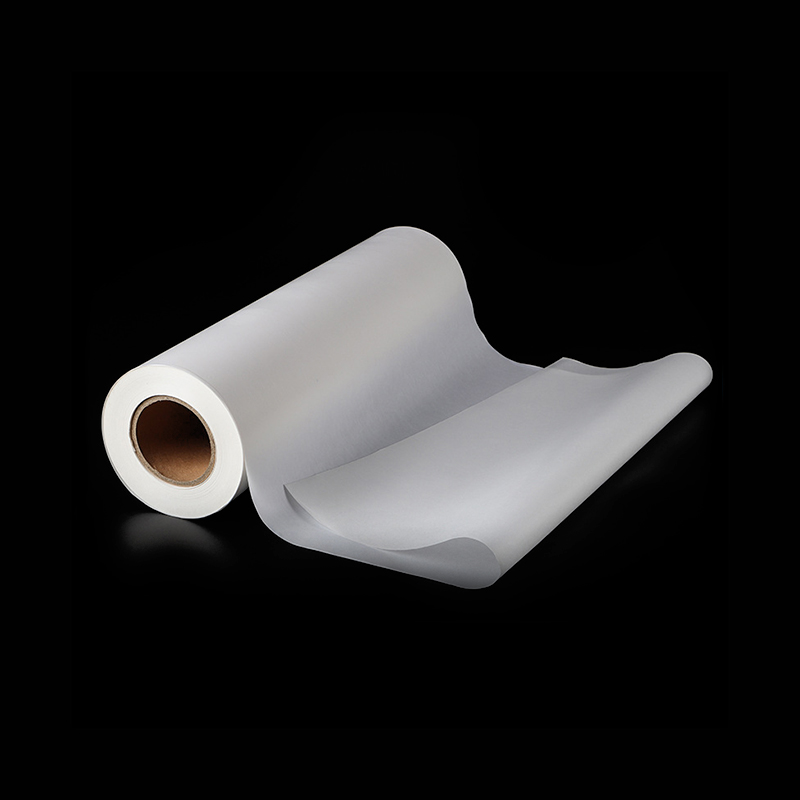
Hot melt adhesive in the form of webs, films, and spray application bonds headliners, door panel substrates, carpet, and instrument panel skins to their structural backing boards. Automotive interior applications require hot melt adhesives that pass rigorous heat aging tests — typically 1,000 hours at 85°C (185°F) per SAE J1756 automotive interior aging standard — without delamination, odor generation, or fogging of interior glass surfaces. Polyolefin-based formulations with plasticizer-free compositions are favored for low-fogging automotive interior applications, replacing earlier EVA grades that released volatile plasticizer compounds at elevated temperatures.
Wire Harness Tacking and Bundling
Hot melt adhesive tacks wire harnesses to vehicle body panels and bundles cables before protective sheathing application. This application demands flame-retardant formulations that comply with UL 94 V-0 flammability rating and operate reliably across the full automotive thermal cycle of -40°C to +85°C (-40°F to +185°F). A modern passenger vehicle contains an average of 4–6 kg of wire harness mass with adhesive-bonded routing points every 150–300 mm along the harness run.
Acoustic Damping Pad Attachment
Bitumen-based acoustic damping pads and polyurethane foam sound deadeners are bonded to body panels, floor pan, and firewall surfaces using hot melt adhesive applied as a positioning bead that provides instant tack during robotic placement — before the damping pad's pressure-sensitive backing achieves full contact area bond. This two-stage bonding approach (HMA positioning + PSA area bond) is now standard in automated acoustic material assembly cells at most OEM vehicle production facilities.
What Is Hot Melt Adhesive Used for in Nonwovens and Hygiene Products?
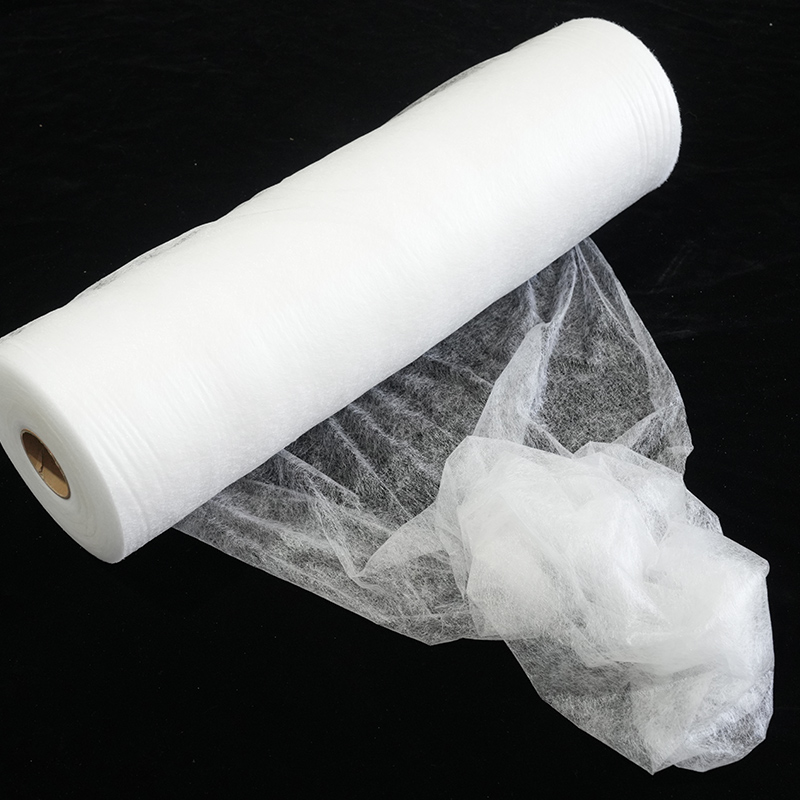
The nonwovens and hygiene product sector is the fastest-growing application area for hot melt adhesive, now representing approximately 18% of global HMA consumption by volume and growing at a CAGR of 6.8% — above the overall market average (Source: Grand View Research, 2023). Ultra-thin, low-basis-weight hot melt adhesive applied as spiral sprays, slot coats, or meltblown webs bonds the layers of disposable diapers, adult incontinence products, feminine hygiene items, and surgical drapes — often at application weights below 1–3 g/m².
- Diaper Core Integrity Bonding: Elasticized waistbands, leg cuffs, and the acquisition/distribution layer of disposable diapers are bonded using soft, skin-safe hot melt adhesive formulations that maintain elasticity through stretch cycles and body-temperature exposure. A single disposable diaper contains approximately 1.5–3.5 grams of hot melt adhesive distributed across 5–8 bond lines per INDA Nonwovens Industry Association Technical Report (2022).
- Surgical Drape and Medical Gown Construction: Medical-grade hot melt adhesives bond the impermeable film layers to nonwoven backing in surgical drapes and isolation gowns, replacing stitched seams that create needle-hole pathways for fluid penetration. Bonds must be certified biocompatible per ISO 10993 and maintain integrity through steam sterilization cycles for reusable items.
- Feminine Hygiene Panty-Fastening Strips: Pressure-sensitive hot melt adhesive applied as removable strips on sanitary napkins provides repositionable attachment to garment fabric that peels cleanly without tearing the fabric or leaving adhesive residue — performance requirements that demand meticulously engineered APAO or SIS-based formulations with precisely controlled tack and peel force characteristics.
What Other Industries Use Hot Melt Adhesive?
Beyond the four primary sectors above, hot melt adhesive is used across a remarkably diverse range of industries, each exploiting a specific combination of its speed, versatility, and substrate compatibility:
- Bookbinding (Perfect Binding): The spine bonding of softcover books — from paperback novels to corporate reports — is universally performed with EVA hot melt adhesive applied at 150–170°C (302–338°F) to the roughened spine edge. A perfect-bound book spine bond must withstand repeated opening cycles without cracking — a requirement that drives the use of flexible EVA grades with Shore A hardness of 60–75 rather than the harder, more brittle EVA grades used in packaging.
- Footwear Manufacturing: Shoe sole attachment traditionally used solvent-based neoprene contact cement — a process generating significant VOC emissions. Hot melt adhesive systems now bond the outsole to the midsole in athletic footwear and casual shoe construction, eliminating solvent emissions while achieving the same or better bond strength. Polyurethane reactive (PUR) hot melt adhesive is particularly dominant in this application, providing waterproof, flexible bonds that withstand bending fatigue exceeding 100,000 flex cycles per SATRA STM 92 footwear test protocol.
- Electronics Assembly: Hot melt adhesive encapsulates wire connections, bonds strain relief boots to cable assemblies, and fixes components in consumer electronics housings. Electrically insulating hot melt adhesives with dielectric strengths exceeding 20 kV/mm are specified for high-voltage cable terminations and transformer insulation in power electronics.
- Construction and Building Products: Roofing membrane seam sealing, window glazing tape manufacture, and decorative panel lamination all use hot melt adhesive. In roofing applications, bitumen-modified hot melt adhesive seams withstand UV exposure, thermal cycling from -30°C to +80°C (-22°F to +176°F), and wind uplift loads for 15–25 year service periods per ASTM D1970 waterproofing membrane standards.
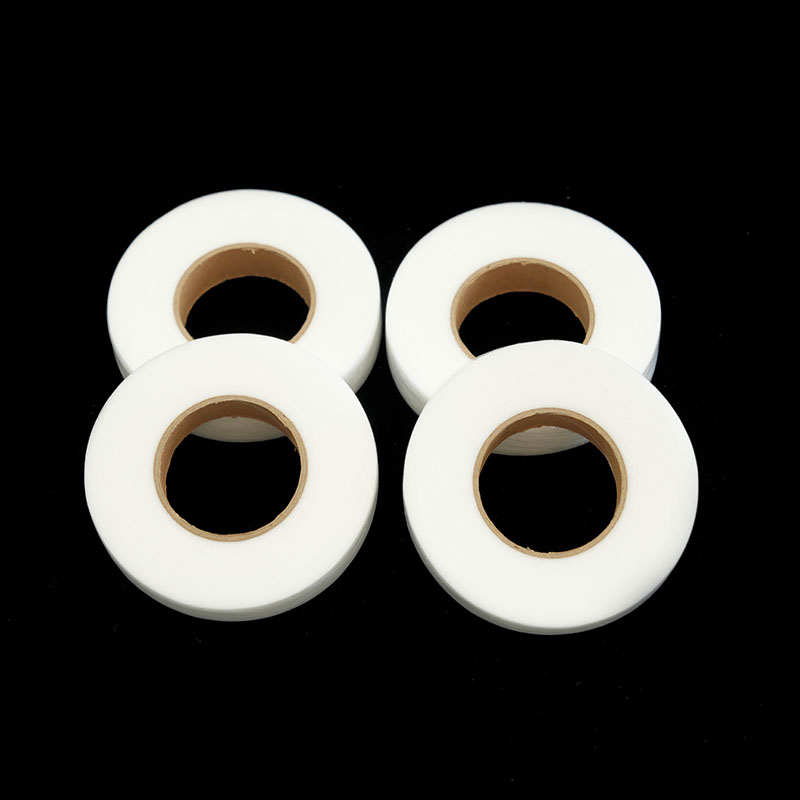
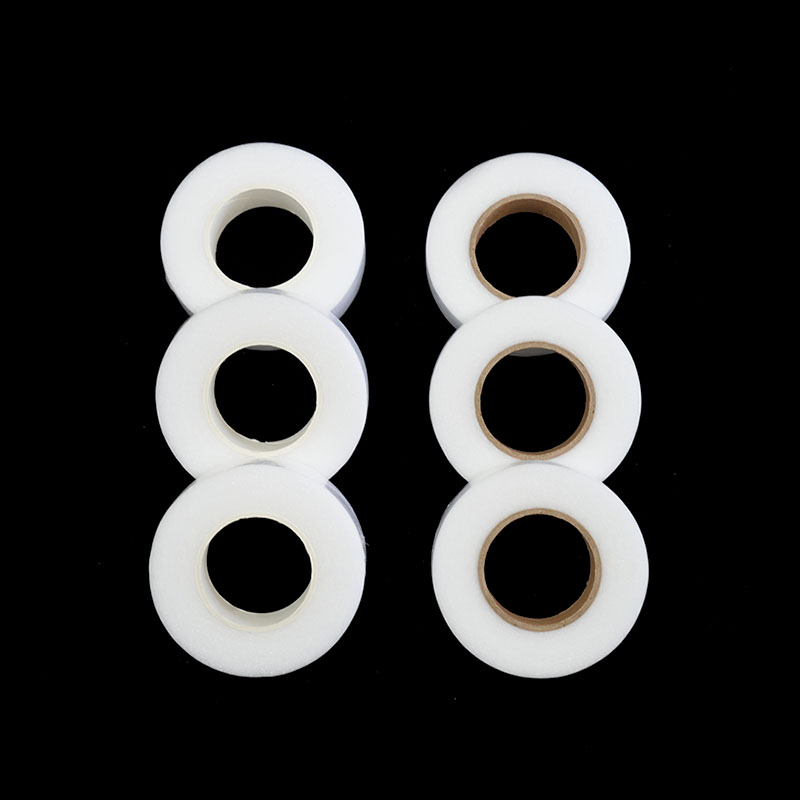
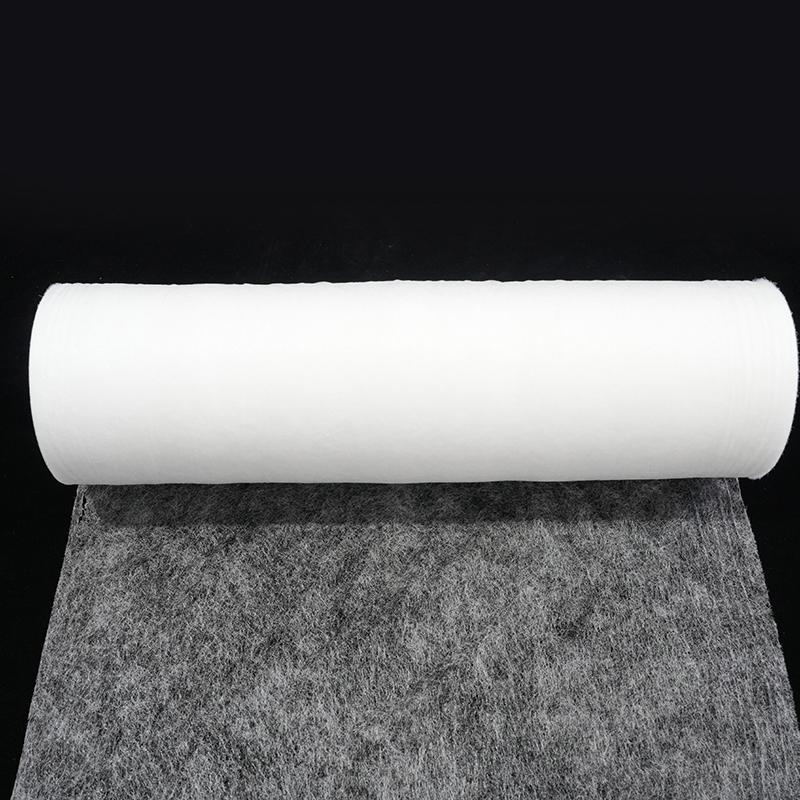
- Textile and Apparel: Iron-on interfacing fabrics, hem bonding tapes, and athletic wear seam taping all rely on polyamide or polyolefin hot melt adhesive films. Washable garment adhesive bonds must survive a minimum of 50 wash cycles at 60°C (140°F) without delamination — the benchmark specified in ISO 6330 textile washing durability standards.
- Mattress and Upholstered Furniture: Foam layer lamination in mattresses and seating cushions uses hot melt adhesive applied as a fine spray at 1–3 g/m² to bond polyurethane foam layers together without compressing the foam's cellular structure — a critical requirement since foam compression destroys the acoustic and comfort properties of the mattress system.
Hot Melt Adhesive Types Compared: Which Formulation Is Right for Each Application?
Selecting the correct hot melt adhesive type is the most consequential specification decision in any bonding application — the wrong polymer base will result in bond failure, processing problems, or unnecessarily high cost. The table below compares the four main hot melt adhesive families across the criteria that determine application suitability:
| Adhesive Type | Application Temp | Bond Strength | Heat Resistance | Moisture Resistance | Best For |
|---|---|---|---|---|---|
| EVA (Ethylene-Vinyl Acetate) | 150–180°C | Medium | Low (softens above 60°C) | Moderate | Packaging, bookbinding, general assembly, case sealing |
| APAO / Polyolefin | 160–190°C | Medium–High | Good (up to 80°C) | Good | Nonwovens, automotive interior, hygienic products, lamination |
| Polyamide (PA) | 180–220°C | High | Excellent (up to 140°C) | Very Good | Electronics, textiles, footwear, automotive high-heat zones |
| PUR (Polyurethane Reactive) | 100–130°C | Very High (crosslinked) | Outstanding (above 150°C) | Excellent (waterproof) | Woodworking edge banding, footwear, automotive structural bonds |
Table 1: Comparison of the four main hot melt adhesive polymer families by application temperature, bond strength, heat resistance, moisture resistance, and best industrial use case. Sources: ASC (2023), Adhesion Science and Engineering Vol. 2 (2020), Grand View Research (2023).
Hot Melt Adhesive vs. Other Adhesive Types: Which Should You Choose?
Hot melt adhesive is not the right choice for every bonding application — its reversibility at elevated temperatures, limited heat resistance in standard EVA grades, and inability to bond certain low-energy surfaces make it unsuitable for some uses where epoxy, polyurethane, or cyanoacrylate adhesives perform better. The table below provides a direct comparison to guide application selection:
| Property | Hot Melt Adhesive | Epoxy (2-part) | Water-Based (PVA) | Solvent-Based Contact |
|---|---|---|---|---|
| Set / Cure Time | 5–30 seconds | 1–24 hours | 30 min – 4 hours | 5–30 min (activation) |
| VOC Emissions | None (solvent-free) | Low–None | None (water-based) | High (requires ventilation) |
| High-Temperature Performance | Limited (EVA) / Good (PUR, PA) | Excellent (120–200°C) | Poor (softens when wet) | Moderate |
| Substrate Compatibility | Wide (paper, wood, fabric, plastics) | Wide (metal, glass, composites) | Porous (wood, paper) | Wide (many plastics, rubber) |
| Reworkability | Yes (re-melt with heat) | No (permanent bond) | Partial (steam) | No |
| Cost per Bond (relative) | Low–Medium | High | Very Low | Medium |
| High-Speed Automation Suitability | Excellent | Poor | Moderate | Good |
Table 2: Performance comparison of hot melt adhesive against epoxy, water-based PVA, and solvent-based contact adhesive across key selection criteria for industrial and commercial bonding applications.
Frequently Asked Questions About Hot Melt Adhesive Uses
Q1: Can hot melt adhesive be used on metal?
Yes — hot melt adhesive can bond metal substrates, but performance depends strongly on the adhesive type and the metal's surface energy and cleanliness. Polyamide and PUR hot melt adhesives achieve the strongest bonds to steel, aluminum, and copper, with peel strengths of 5–12 N/mm on clean, degreased surfaces. Standard EVA hot melt adhesive performs poorly on metal due to its limited polar bonding with metal oxide surfaces. Surface preparation (degreasing with isopropanol, light abrasion, or primer application) is essential for reliable metal bonding with any hot melt adhesive system. For structural metal-to-metal bonds or high-temperature metal applications, two-part epoxy or structural acrylic adhesives remain the preferred choice over HMA.
Q2: Is hot melt adhesive waterproof?
The waterproofness of hot melt adhesive depends entirely on the polymer type. Standard EVA hot melt adhesives are moderately water-resistant — they withstand brief exposure to water but will soften and lose bond strength with prolonged immersion or in environments above 60°C (140°F) when wet. Polyurethane reactive (PUR) hot melt adhesives form moisture-crosslinked bonds that are fully waterproof — suitable for marine, roofing, and outdoor construction applications — and maintain structural integrity even when continuously immersed. Polyolefin and polyamide hot melt adhesives fall between these extremes, offering good water resistance in most service conditions without the fully crosslinked waterproof performance of PUR.
Q3: What is the maximum temperature hot melt adhesive can withstand?
Maximum service temperature varies significantly by formulation. Standard EVA hot melt adhesives begin to soften above 60–80°C (140–176°F) and lose structural bond integrity at temperatures above 90°C (194°F). APAO/polyolefin grades perform to 80–100°C (176–212°F). Polyamide hot melt adhesives maintain bond strength to 130–150°C (266–302°F), and PUR reactive grades, after full moisture cure (24–72 hours), maintain integrity to above 150°C (302°F) in many formulations. For applications requiring continuous service above 120°C (248°F), only polyamide, PUR, or hot-melt polyester adhesives should be specified; EVA should never be used in these conditions.
Q4: What surfaces cannot be bonded with hot melt adhesive?
Hot melt adhesive bonds poorly or not at all to low-surface-energy (LSE) plastics including PTFE (Teflon), polyethylene (PE), polypropylene (PP), and silicone — the same surfaces that are difficult to bond with most adhesive systems. These substrates require either plasma or flame treatment to raise surface energy above 38 mN/m before hot melt adhesive application, or a specialized primer. Additionally, surfaces that are wet, oily, or dusty at the time of application will not bond reliably — all substrates must be clean and dry. For architectural glass, most standard hot melt adhesives also underperform; structural glazing applications require silicone or polyurethane sealant adhesives instead.
Q5: How is hot melt adhesive applied in industrial settings?
Industrial hot melt adhesive application uses four main delivery methods, selected based on required coverage pattern and production speed. Slot die coating delivers a continuous, precise-width film at basis weights from 1 to 300 g/m² — used for nonwovens, packaging lamination, and pressure-sensitive tape manufacture. Spiral spray applies a swirling filament pattern at 5–50 g/m² — used for hygienic product construction and foam lamination where even coverage over large areas at ultra-low add-on weight is required. Bead extrusion deposits a controlled-diameter bead at specific locations — used for case sealing, woodworking joints, and automotive assembly. Wheel/roll transfer applies adhesive to substrates via a metered roll — used in bookbinding, labeling, and textile coating. All industrial systems maintain adhesive at constant melt temperature through thermostatically controlled tanks, hoses, and applicator heads.
Q6: Is hot melt adhesive food-safe?
Food-safe hot melt adhesive formulations do exist and are widely used in food packaging, but not all hot melt adhesives are food-safe — food-contact compliance must be verified at the product specification level, not assumed from the polymer type alone. Food-safe formulations comply with FDA 21 CFR 175.105 for indirect food contact (adhesive inside packaging, not contacting food directly) and EU Regulation 10/2011 for plastic materials in contact with food. Direct food contact applications (such as adhesive applied to food-packaging surfaces that touch the food product) require specific food-grade certifications that go beyond 21 CFR 175.105. Always request a compliance declaration from the adhesive manufacturer that specifically names the applicable regulation and lists migration test results for the intended food type and contact temperature.
Q7: Can you remove hot melt adhesive after it has set?
Standard thermoplastic hot melt adhesives (EVA, polyolefin, polyamide) can be removed by reheating above their softening point using a heat gun, hot air blower, or iron — the bond softens and the substrates can be separated without damage to most heat-resistant substrates. Adhesive residue is then removed while still soft using a plastic scraper and, if necessary, a cloth soaked in isopropanol or acetone for final residue removal. PUR reactive hot melt adhesive, once fully moisture-cured, cannot be re-melted because its crosslinked polymer network is thermally stable — it must be removed mechanically (by scraping, grinding, or solvation) rather than by heat. This irreversibility is PUR's key structural advantage in demanding applications but is a limitation in applications where rework or disassembly are required.
Hot Melt Adhesive Application Selection Summary
- Packaging and case sealing: EVA-based HMA, 160–180°C, fast-set formulation (open time under 5 seconds).
- Woodworking edge banding (dry service): EVA or polyolefin, 180–200°C.
- Woodworking edge banding (kitchen/wet service): PUR reactive HMA, 110–130°C — the only specification that achieves durable bonds in humidity-exposed environments.
- Automotive interior (low-fogging): Polyolefin APAO, low-plasticizer formulation with SAE J1756 compliance.
- Nonwovens and hygiene products: APAO or SIS-based, ultra-low viscosity (1,000–5,000 cP at application temperature) for fine-fiber spiral spray at 1–5 g/m².
- Footwear and flexible substrates: PUR reactive HMA for maximum flex fatigue resistance and waterproofing.
- High-temperature electronics: Polyamide HMA, maximum service temperature 140°C+, with UL 94 V-0 flame rating.
- Food contact packaging: Specify FDA 21 CFR 175.105 or EU 10/2011 compliant formulation and obtain written compliance declaration from manufacturer before use.


Contact Us