


 English
 中文简体
中文简体 Español
 عربى
عربى
Conventional cutting disc PA hot melt adhesive web
Cat:PA Hot Melt Adhesive Web
Product Introduction: Conventional cutting disc PA hot melt adhesive web is a hot melt adhesive material manufactured using advanced technology, mainl...
See DetailsIn modern manufacturing, bonding technologies play a critical role in improving product durability, production efficiency, and design flexibility. Among these technologies, hot melt adhesives have become a preferred solution across industries such as textiles, automotive, electronics, packaging, footwear, and construction. Two commonly used forms are Hot Melt Adhesive Powder and hot melt adhesive film. Although both rely on thermoplastic bonding principles, their physical forms, processing methods, and application scenarios differ significantly.
Understanding these differences is essential for manufacturers, engineers, and procurement professionals seeking to optimize production processes and achieve consistent bonding performance. The following sections provide a structured comparison of hot melt adhesive powder and hot melt adhesive film, covering material characteristics, application methods, performance factors, and practical use cases.
Content
A hot melt adhesive is a thermoplastic material that becomes fluid when heated and solidifies upon cooling, forming a strong bond without the need for solvents or water. This solvent-free nature makes hot melt adhesives environmentally friendly, fast-curing, and suitable for high-speed industrial production.
Hot melt adhesives are typically based on polymers such as:
These polymers can be processed into different physical forms, including pellets, powders, webs, and films, each tailored to specific manufacturing requirements.
Hot Melt Adhesive Powder consists of finely ground thermoplastic resin particles with controlled particle size distribution. When exposed to heat and pressure, the powder melts, flows, and bonds substrates together.
Key characteristics include:
Hot melt adhesive powder is typically applied using:
The powder is evenly distributed onto the substrate, followed by heating to activate bonding.
Hot melt adhesive film is a thin, continuous sheet of thermoplastic adhesive material produced through extrusion or casting processes. It is supplied in rolls or sheets with uniform thickness.
Main features include:
Hot melt adhesive film is applied through:
The film is placed between substrates and activated by heat and pressure, melting uniformly to create a bond.
Film provides highly precise adhesive placement, making it ideal for applications requiring clean edges and consistent bond lines. Powder offers more flexibility in coverage, especially on uneven or textured surfaces.
Powder-based systems are well-suited for high-volume textile and nonwoven production, while film-based solutions are preferred for automated lamination lines demanding accuracy and cleanliness.
Porous and fibrous materials often benefit from Hot Melt Adhesive Powder, as the molten particles penetrate fibers and create strong mechanical interlocking. Smooth or non-porous surfaces usually perform better with adhesive film.
If dust control and cleanliness are critical, film-based adhesives offer advantages. For applications tolerant of powder handling, powder remains a cost-effective solution.
Yes, when formulated correctly, hot melt adhesive powder can provide excellent wash resistance and durability in garment applications.
No. While film offers precision, powder remains superior for uneven, fibrous, or breathable materials.
Hot melt adhesive film is generally easier to integrate into fully automated lamination systems.
Both are solvent-free and compliant with modern environmental standards, making them suitable for sustainable manufacturing.
Powder requires sealed containers to prevent moisture absorption, while film should be stored flat or rolled to avoid deformation.
As manufacturing continues to prioritize sustainability, efficiency, and precision, demand for advanced hot melt adhesive solutions is expected to grow. Hot Melt Adhesive Powder is evolving with improved particle uniformity and reduced dust generation, while adhesive films are becoming thinner, stronger, and more versatile.
The choice between powder and film will remain application-driven, with both forms playing essential roles in next-generation bonding technologies across global industries.
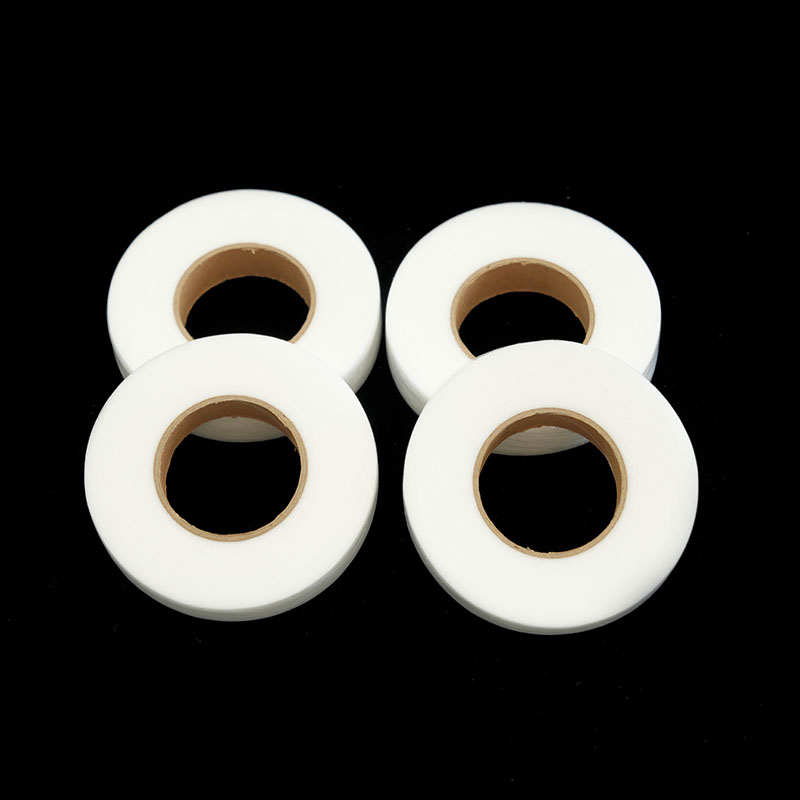
Product Introduction: Conventional cutting disc PA hot melt adhesive web is a hot melt adhesive material manufactured using advanced technology, mainl...
See Details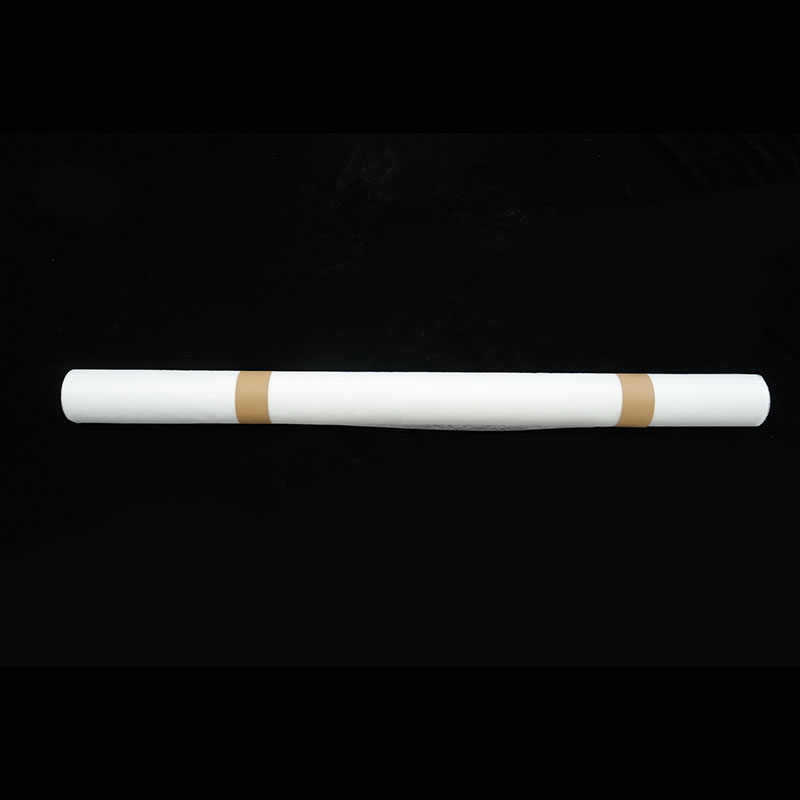
Product Introduction: The whole roll of PA hot melt adhesive web is a special adhesive processed from high-quality thermoplastic polyamide (PA) materi...
See Details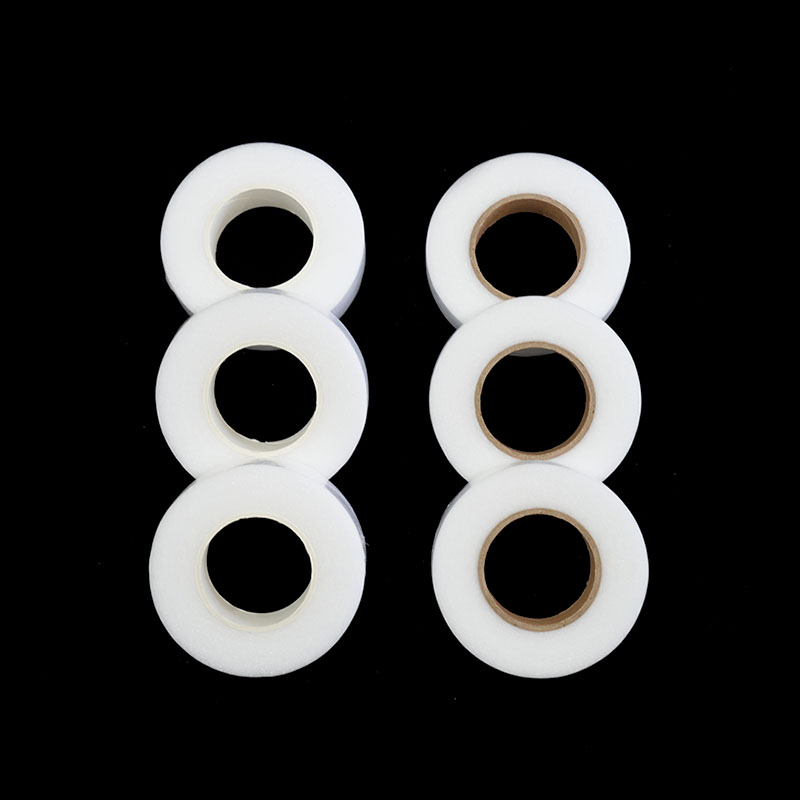
Product Introduction: Small roll cutting disc PA hot melt adhesive web is a high-performance and environmentally friendly hot bonding material designe...
See Details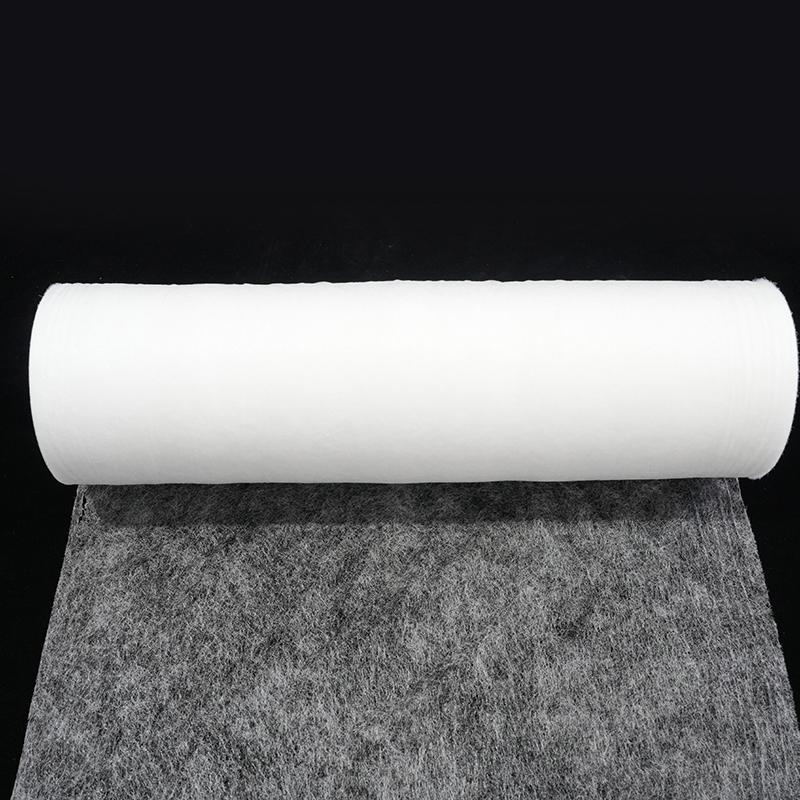
Product Introduction: The whole roll (mother roll) TPU hot melt adhesive web, as a thermoplastic polyurethane (TPU) material that integrates high perf...
See Details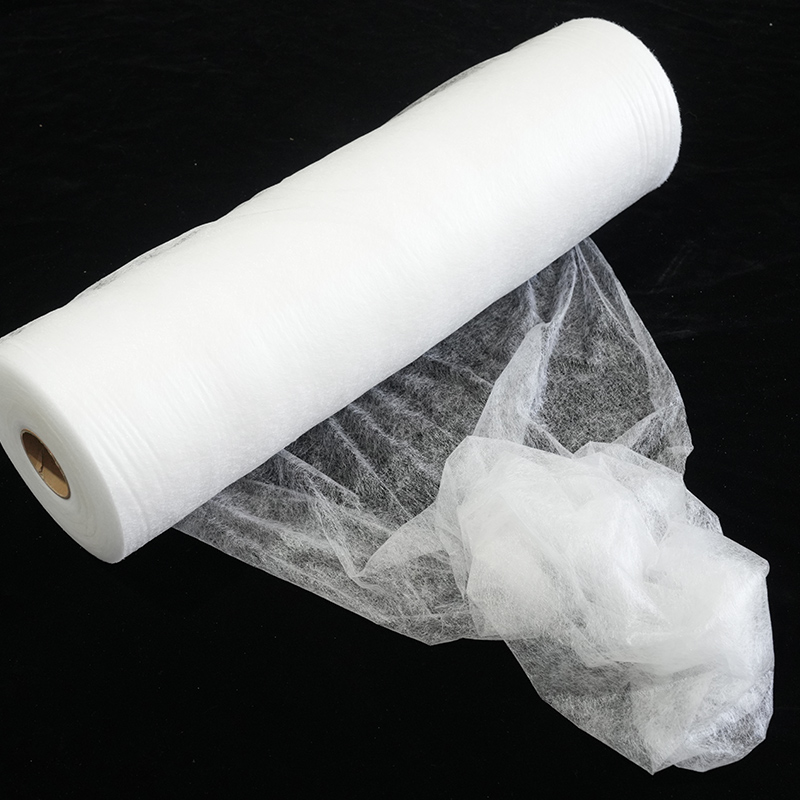
Product Introduction: This high-performance, multi-purpose full roll (mother roll) EVA low-temperature hot melt adhesive web is designed to meet the h...
See Details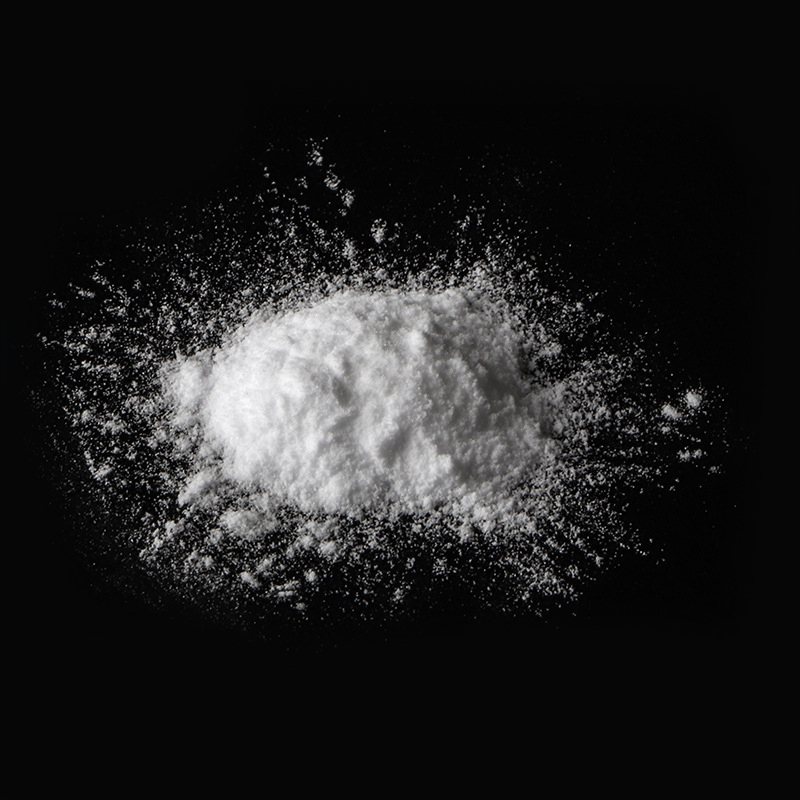
Product Introduction:PES hot melt adhesive powder is a new type of polymer environmentally friendly hot melt adhesive produced through polymerization ...
See Details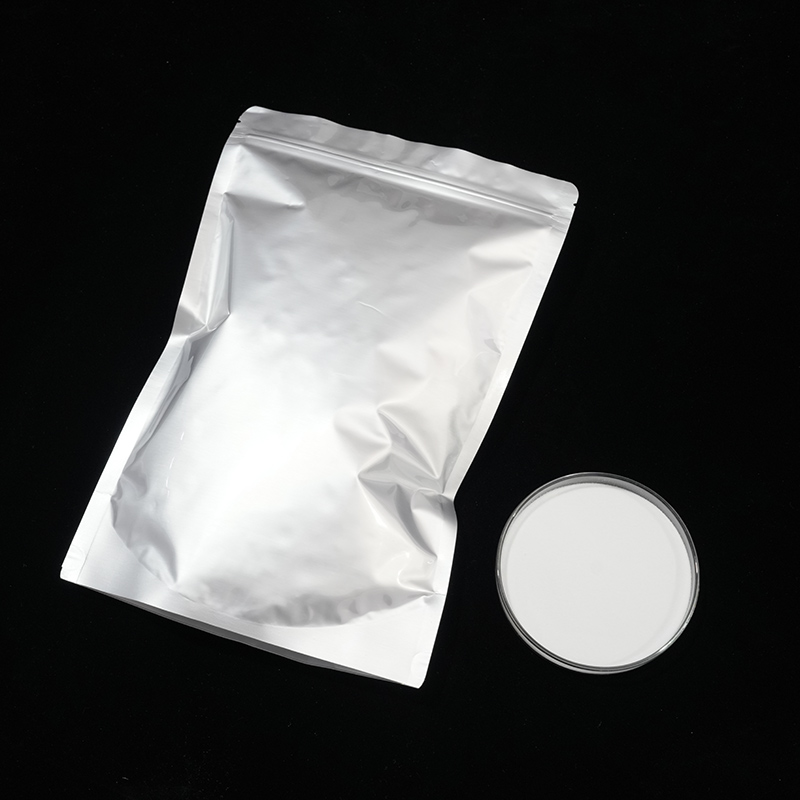
Product Introduction:TPU hot melt adhesive powder, also known as thermoplastic polyurethane hot melt adhesive powder, is a high-performance thermoplas...
See Details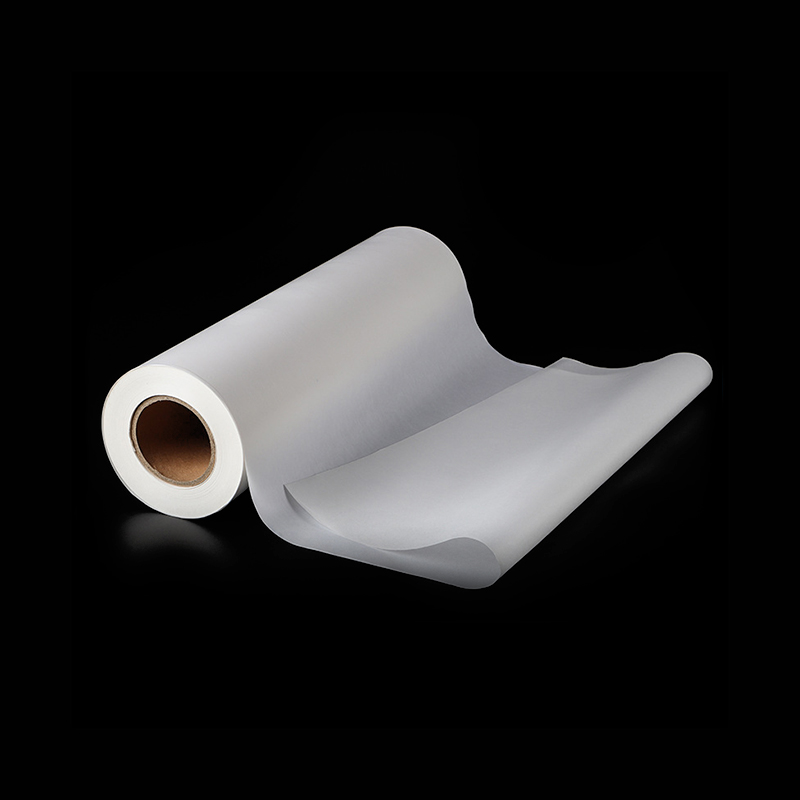
Product Introduction:This TPU hot melt adhesive film with backing paper elasticity has environmentally friendly adhesive properties, which not only pu...
See Details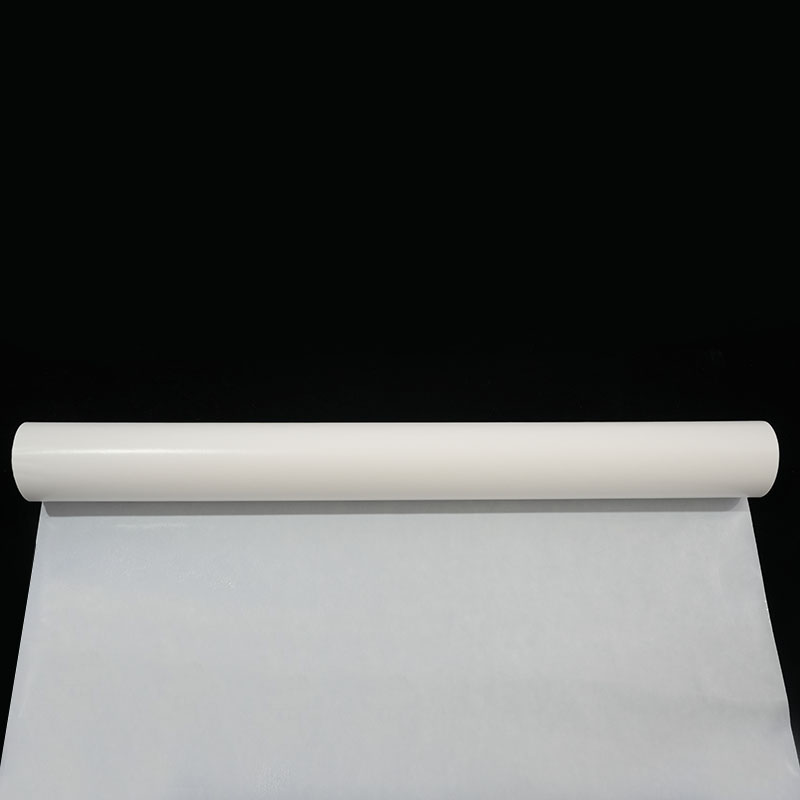
Product Introduction:PES hot melt adhesive film with backing paper is an environmentally friendly adhesive. Through advanced scraping, coating, or blo...
See Details

Contact Us