


 English
 中文简体
中文简体 Español
 عربى
عربى
Conventional cutting disc PA hot melt adhesive web
Cat:PA Hot Melt Adhesive Web
Product Introduction: Conventional cutting disc PA hot melt adhesive web is a hot melt adhesive material manufactured using advanced technology, mainl...
See DetailsHot Melt Adhesive Powder has become an increasingly popular solution in industrial bonding applications due to its ease of use, rapid setting time, and strong adhesion capabilities. Unlike traditional liquid adhesives, this powder form offers significant advantages in handling, storage, and application, making it suitable for a wide range of industries, including packaging, woodworking, automotive, and textiles.
Hot melt adhesive powders are primarily thermoplastic, which means they can be melted and solidified multiple times without significantly changing their properties. Their unique composition allows them to provide strong bonds while maintaining flexibility, heat resistance, and chemical stability.
Content
One of the most critical properties of Hot Melt Adhesive Powder is its melting temperature. Different powders are formulated to melt at different temperature ranges depending on their application:
The viscosity of the molten powder affects how it spreads and penetrates the substrate. Proper viscosity ensures a uniform bond and prevents seepage or weak adhesion.
Adhesion is the hallmark of Hot Melt Adhesive Powder. Its bonding strength depends on both the chemical composition and the surface characteristics of the materials being joined:
Compared to traditional liquid adhesives, hot melt powders often provide faster tack and higher initial bonding strength.
Another key property is the ability to withstand temperature fluctuations and chemical exposure:
The physical characteristics of the powder, such as particle size and distribution, affect the melting behavior and flow properties:
Hot melt adhesive powders are generally more stable than liquid adhesives because they do not contain volatile solvents:
Understanding the unique properties of hot melt adhesive powder can be clearer when compared with other adhesive forms:
The versatility of Hot Melt Adhesive Powder has expanded its use across multiple industries:
Proper handling ensures maximum performance of hot melt adhesive powders:
While versatile, not all powders bond every material equally. Formulations vary for porous surfaces like paper and textiles versus non-porous surfaces like metals and plastics. Always select the appropriate powder type for the substrate.
Most powders can be stored for 12–36 months under recommended conditions. Moisture-proof packaging and stable temperatures are critical for maintaining adhesion properties.
Yes, industrial hot melt applicators or powder sprinkling systems are commonly used. These systems control temperature and distribution for precise and efficient application.
Unused or excess powder can often be collected and remelted without significant loss of adhesive properties, making it economical and environmentally friendly.
Hot melt adhesive powders generally provide higher initial tack and faster set times. In many cases, they offer comparable or superior long-term adhesion, especially under thermal or chemical stress.
The key properties of Hot Melt Adhesive Powder — including melting temperature, adhesion strength, thermal and chemical resistance, particle size, and shelf stability — make it a versatile and reliable choice for a wide range of industrial applications. Compared to other adhesive types, its clean application, rapid bonding, and environmental safety offer distinct advantages, particularly in high-speed production environments. Understanding these properties allows manufacturers to select the right powder formulation for specific materials, ensuring strong, durable, and efficient bonding solutions.
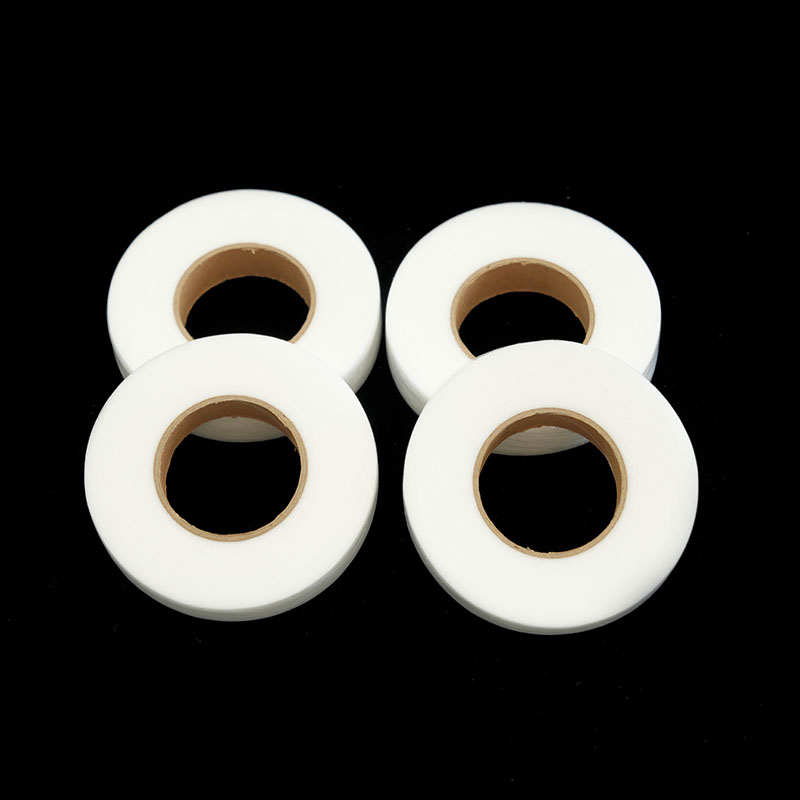
Product Introduction: Conventional cutting disc PA hot melt adhesive web is a hot melt adhesive material manufactured using advanced technology, mainl...
See Details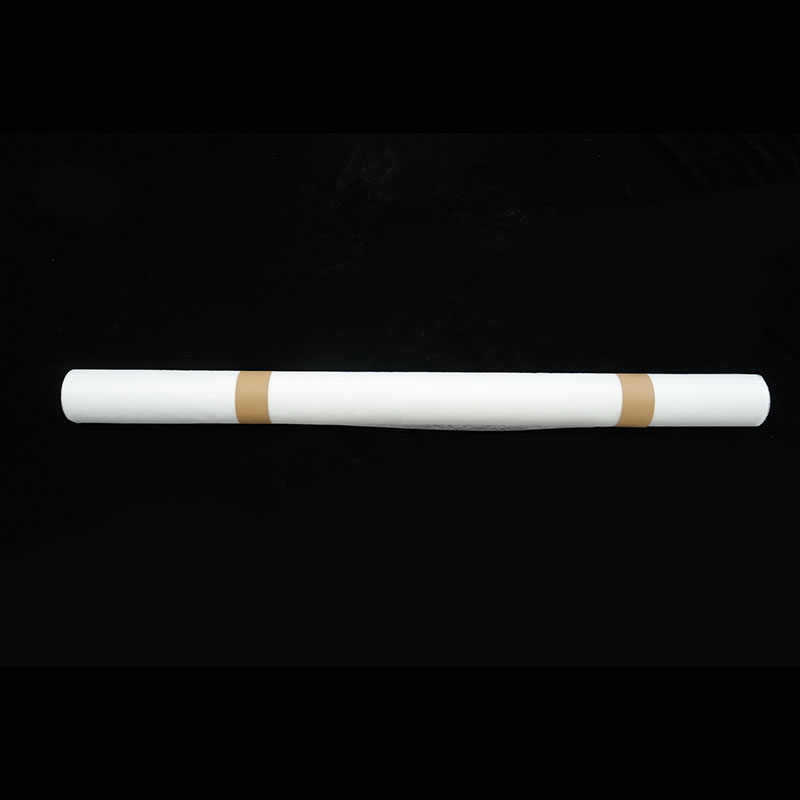
Product Introduction: The whole roll of PA hot melt adhesive web is a special adhesive processed from high-quality thermoplastic polyamide (PA) materi...
See Details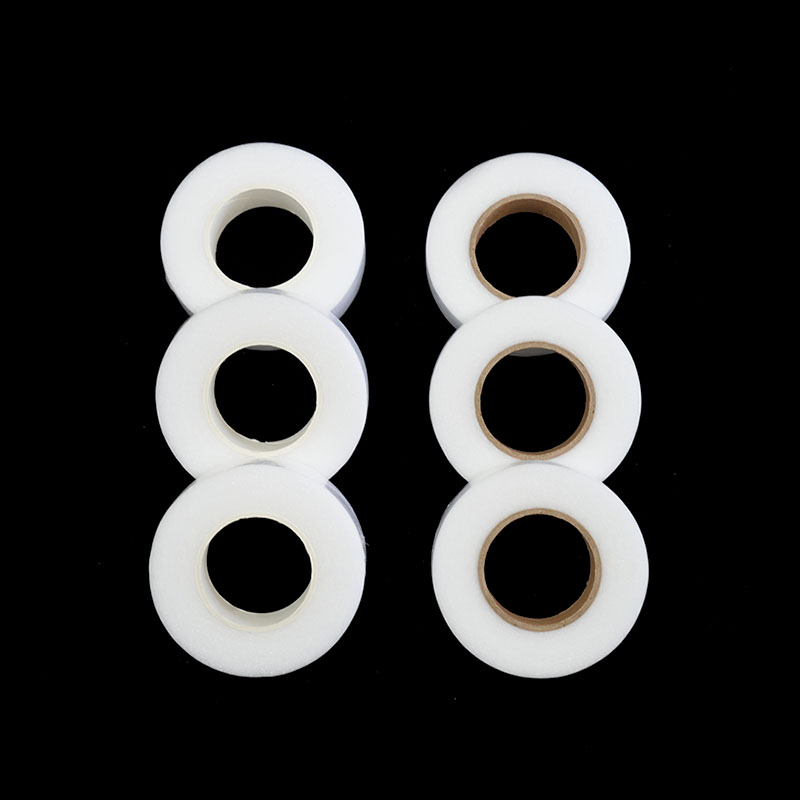
Product Introduction: Small roll cutting disc PA hot melt adhesive web is a high-performance and environmentally friendly hot bonding material designe...
See Details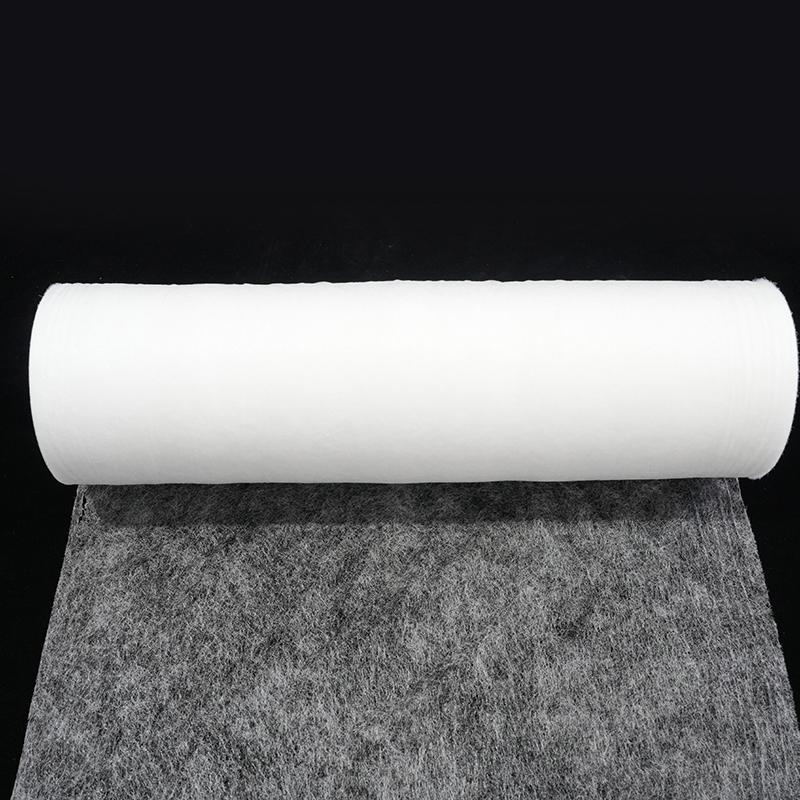
Product Introduction: The whole roll (mother roll) TPU hot melt adhesive web, as a thermoplastic polyurethane (TPU) material that integrates high perf...
See Details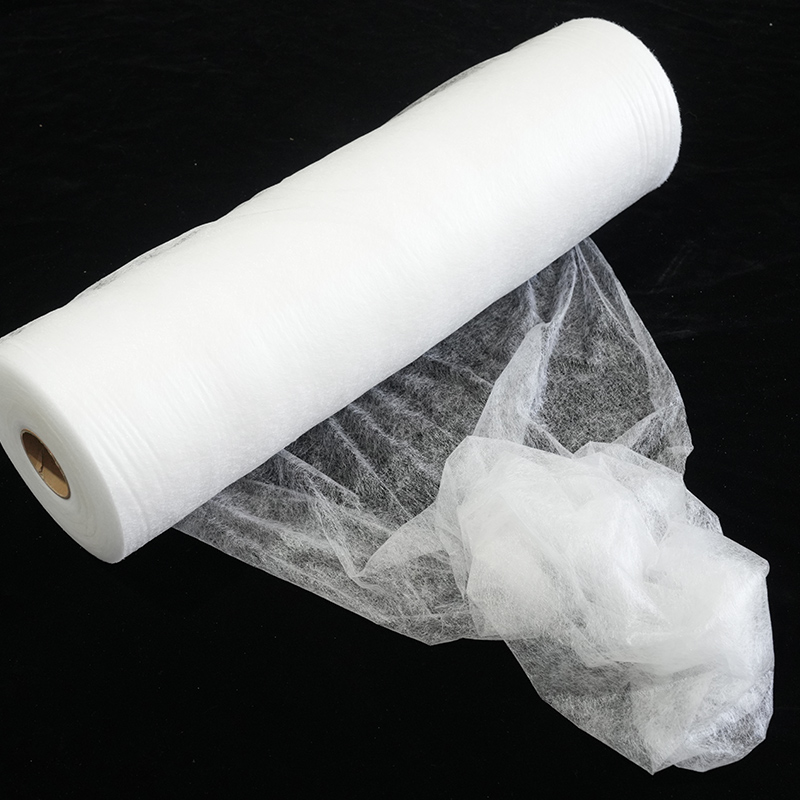
Product Introduction: This high-performance, multi-purpose full roll (mother roll) EVA low-temperature hot melt adhesive web is designed to meet the h...
See Details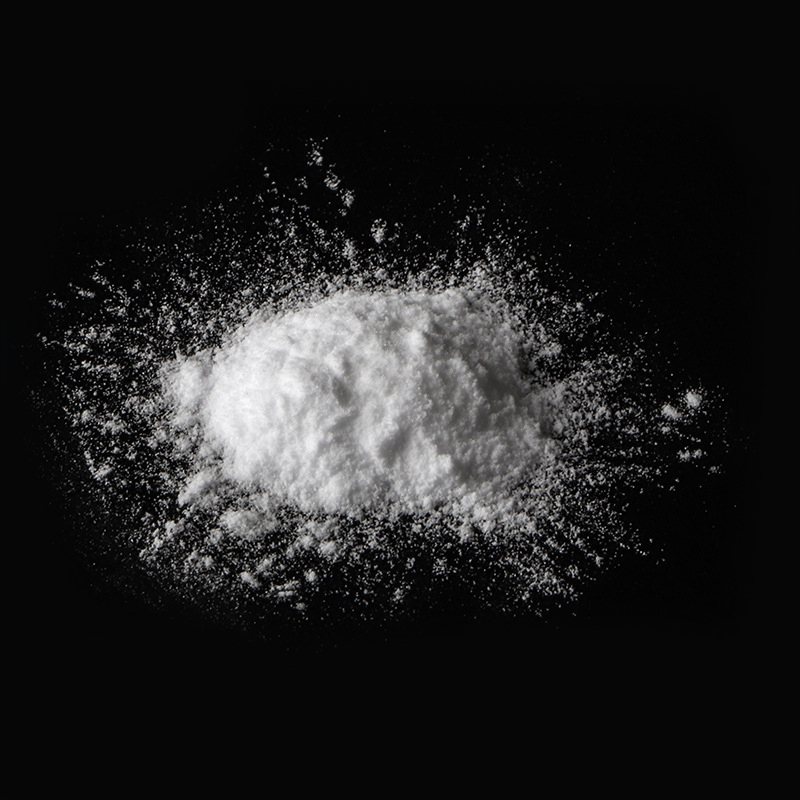
Product Introduction:PES hot melt adhesive powder is a new type of polymer environmentally friendly hot melt adhesive produced through polymerization ...
See Details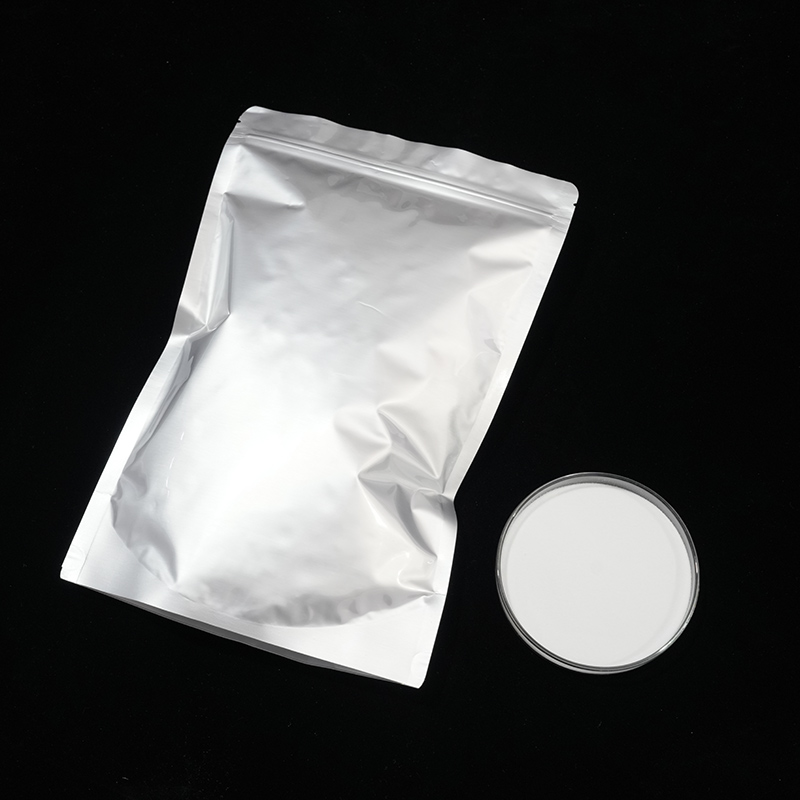
Product Introduction:TPU hot melt adhesive powder, also known as thermoplastic polyurethane hot melt adhesive powder, is a high-performance thermoplas...
See Details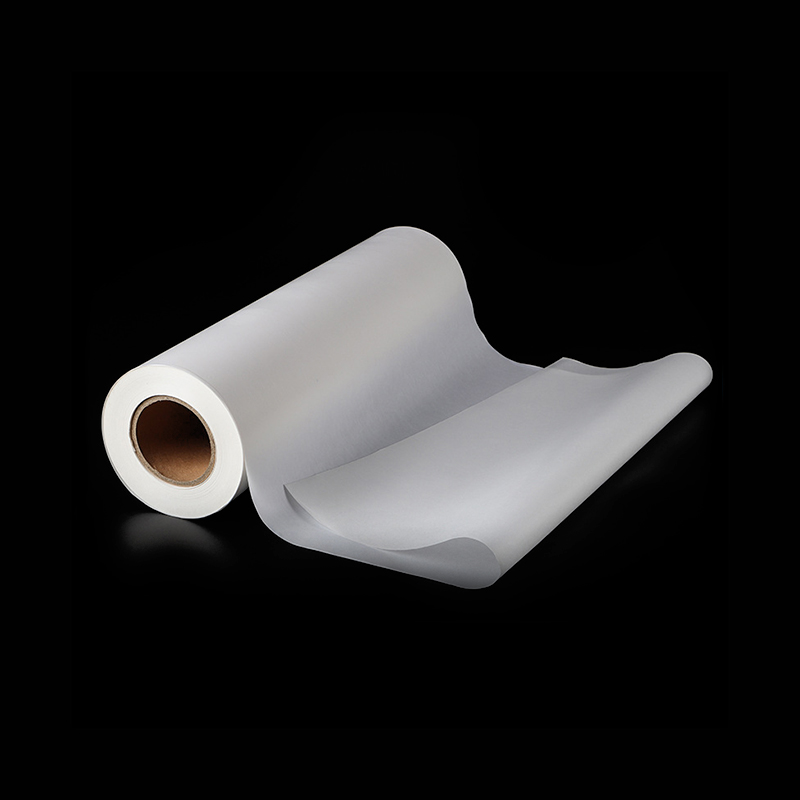
Product Introduction:This TPU hot melt adhesive film with backing paper elasticity has environmentally friendly adhesive properties, which not only pu...
See Details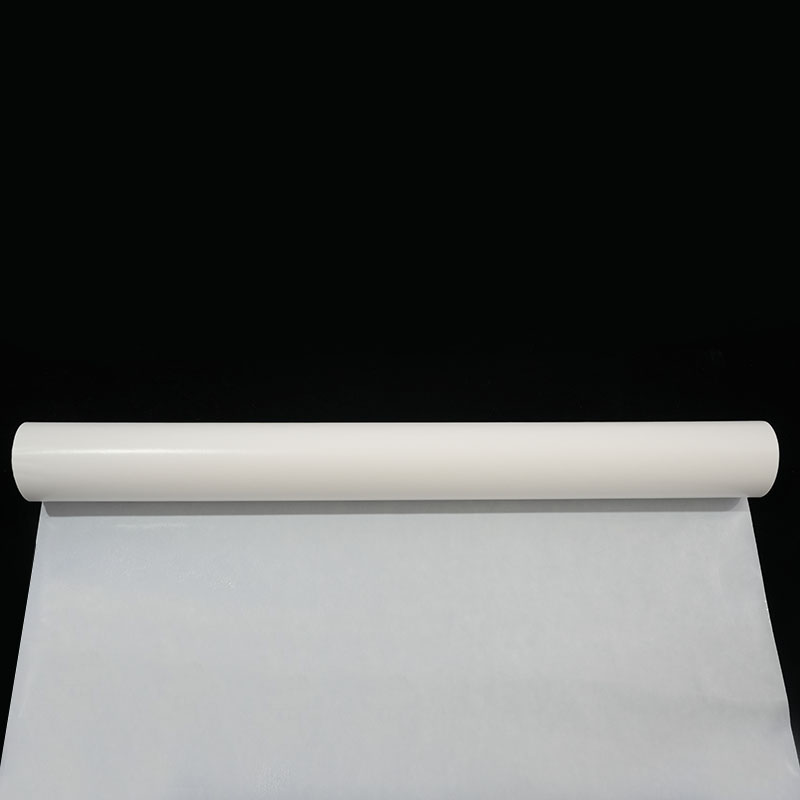
Product Introduction:PES hot melt adhesive film with backing paper is an environmentally friendly adhesive. Through advanced scraping, coating, or blo...
See Details

Contact Us